Government keeps AA+ credit rating but Fitch warns National and Labour to keep ‘culture of fiscal responsibility’
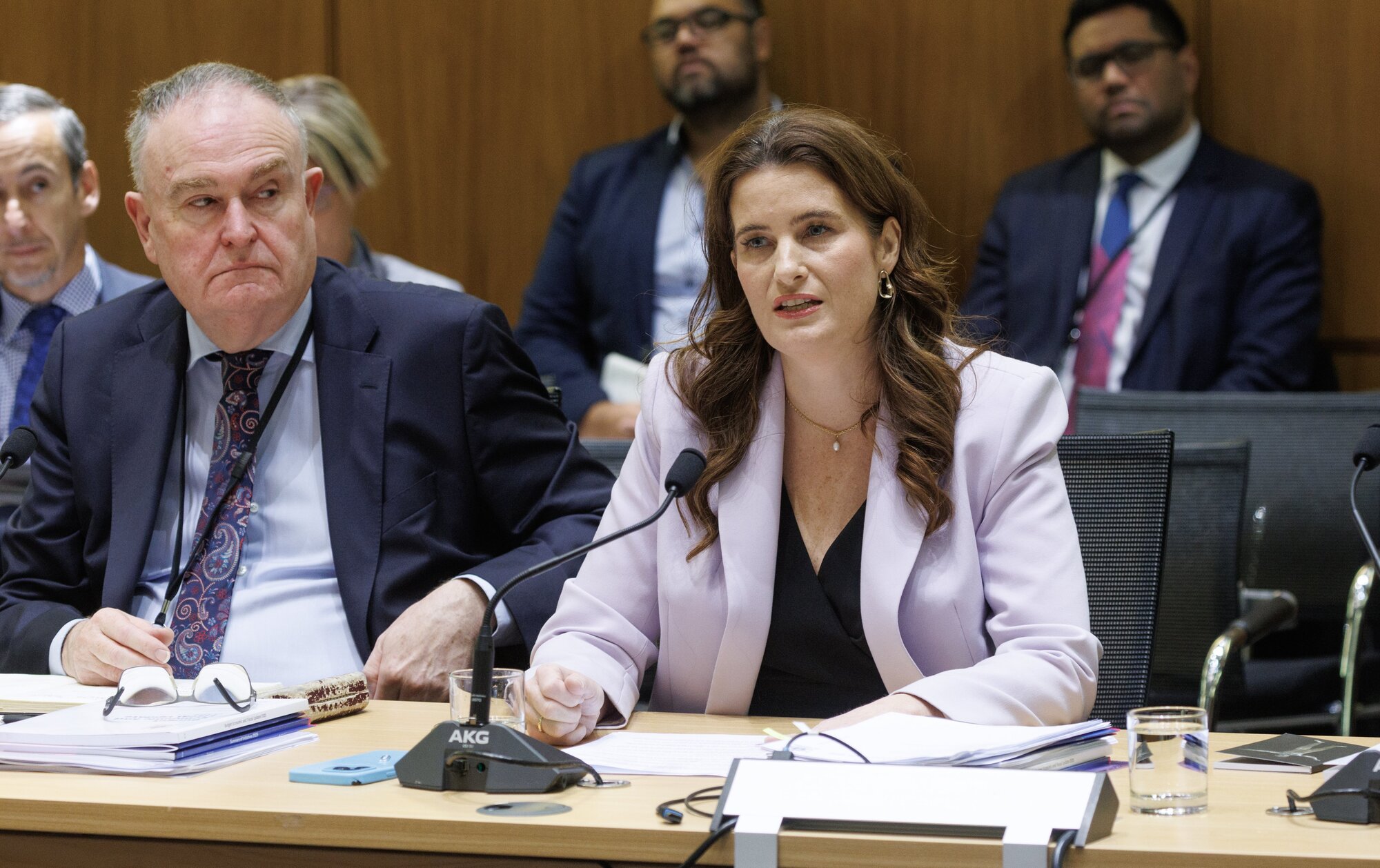
The Government has kept its AA+ credit rating from Fitch, one of the big three ratings agencies – but the agency warned that a slackening culture of fiscal responsibility, a more severe housing market correction, or an unemployment spike could see the rating reduced in future.
The outlook, which is the long-term foreign-currency rating, was listed as “stable”, meaning the agency is not putting the Government on notice of a downgrade.
In a commentary, Fitch raised a handful of concerns, including that the Government’s forecast return to surplus had been delayed again and Treasury’s forecasts showed most of the “fiscal consolidation” – a term used to describe getting back to surplus and reducing the debt ratio – was back-filled to the period after the election.
Fitch praised National and Labour’s “strong longer-term fiscal record”, which included a [c]ommitment to prudent fiscal policies across New Zealand’s political spectrum" as evinced by periods of long fiscal consolidation after big shocks.
“The incumbent National Party and opposition Labour Party have both emphasised fiscal responsibility,” the commentary said.
Keeping one of the highest possible credit ratings is a positive for the Government as it helps keep borrowing costs low. New Zealand has tended to have high credit ratings across the political cycle.
The commentary noted that while National and Labour’s history of reducing debt after a shock currently counted in the country’s favour, the Government needed to stick to its history of reducing debt in order to maintain a high credit rating.
“Evidence of a weakening in the culture of fiscal responsibility would affect creditworthiness,” the commentary said, noting that one of the things which could see the a downgrade of the credit rating would be the agency having “[l]ower confidence that general government debt/GDP will be put on a sustained downward path over the medium term”.
Fitch has stressed the importance of not weakening the culture of fiscal responsibility in its last two reviews of the Government, dating back to 2023.
Another risk that could lead to a future downgrade would be strain put on the economy or the banking sector “emanating from a severe housing-market correction or an impairment to household debt-servicing capabilities, for example, from a sharp rise in unemployment”.
Back-loaded consolidation
The commentary noted that there had been “repeated delays” in the Government’s return to surplus since December 2022, “reflecting economic performance that was worse than expected and the cost of natural disasters”.
While the deficit is expected to shrink, most of the fiscal repair job is expected to take place in the later part of the forecast period – as is often the case with long-term fiscal recoveries.
Nevertheless, the commentary noted this made the recovery “inherently uncertain”.
Fitch estimates gross general government debt, its preferred metric, to peak at 56% in the 2027 fiscal year, before trending downwards.
The agency noted the Government has “substantial” assets.
Fitch also forecast an economic recovery, driven by lower interest rates and exports.