Government to focus on child's first 2000 days as part of new strategy
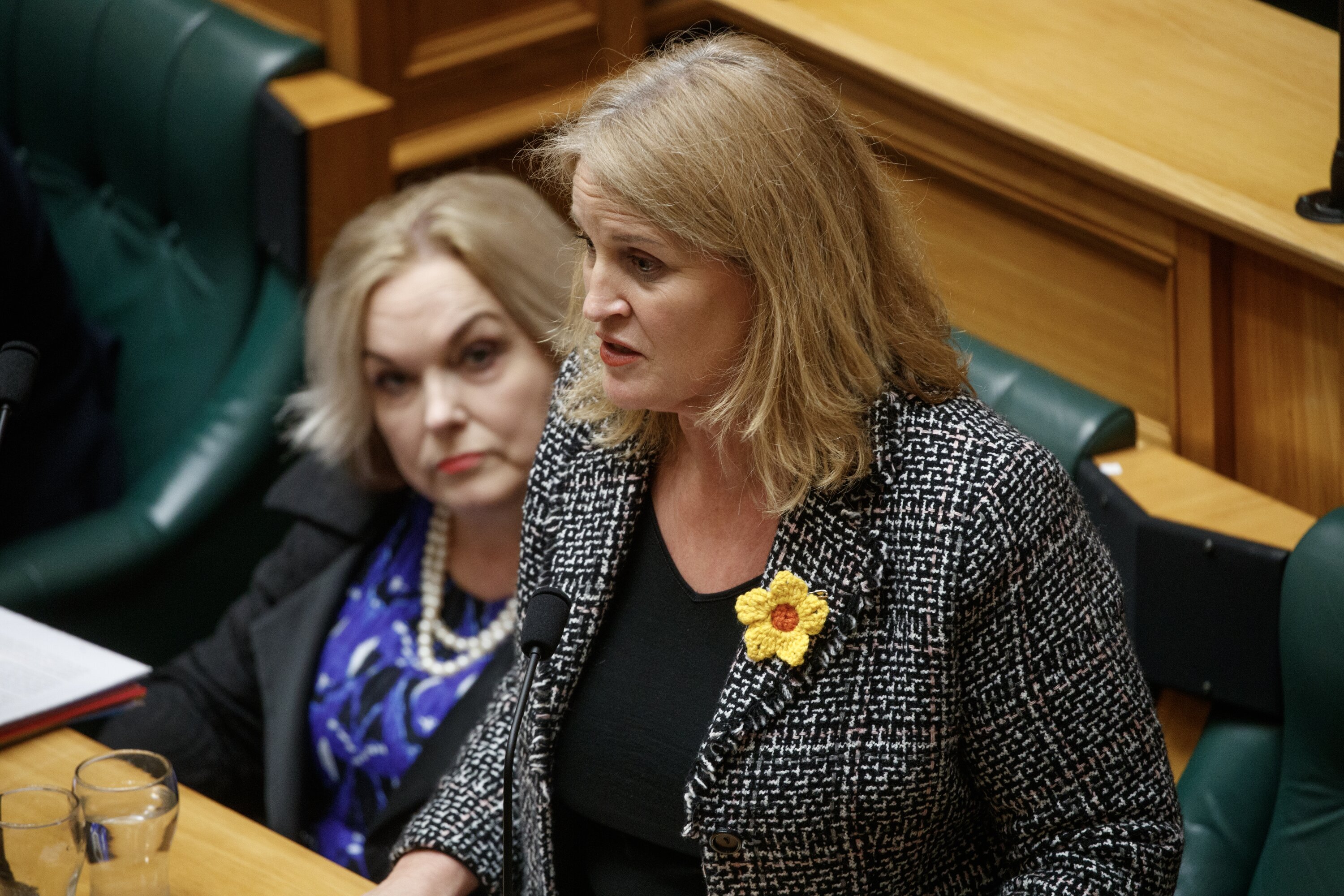
Child Poverty Reduction Minister Louise Upston has promised a focus on a child’s first 2000 days and reducing material hardship as part of a new Child and Youth Strategy 2024-2027 released today.
Upston said she wanted to ensure New Zealand was the “best place in the world for children and young people”.
“Childhood represents a huge opportunity to set people on a positive path towards living a healthy, productive and fulfilling life that allows them to contribute to their communities and achieve their full potential,” she said.
“Our first year in Government has seen us take action to improve the lives of children and young people by delivering tax relief, making early childhood care more affordable, and setting ambitious targets to raise outcomes in areas such as health, education, housing, and law and order. But there is more work to do,” she said.
The 11-page strategy included three priorities, which Upston said would drive work across government to improve the lives of children and young people.
The three priorities are: Supporting children and their families and whānau in the first 2000 days (measured from the date of conception), reducing child material hardship and preventing harm against children.
The strategy noted that 90% of a child’s cognitive development occurs during this period so it made sense to target it.
The strategy said the Government would look to promote positive parenting skills, support a child’s cognitive development and improve maternal mental health as part of this focus.
“Childhood represents a huge opportunity to set people on a positive path towards living a healthy, productive, and fulfilling life that allows them to contribute to their communities and achieve their full potential,” Upston said.
She said the Government will also focus on reducing the number of children living in material hardship through early intervention, “setting a target to lift around 17,000 more children out of material hardship by 2027“.
“To achieve lasting reductions in child poverty rates we must break the long-term cycles of disadvantage and intergenerational benefit dependency,” she said.
Earlier this year the Government was found to have quietly weakened a key child poverty target it inherited from the previous Labour Government.
The strategy was accompanied by five key indicators which will measure its effectiveness.
These are, “children in benefit-dependent households; housing affordability; student attendance; educational achievement, and potentially avoidable hospitalisations”.
“These indicators are designed to focus government efforts on the areas that will make a meaningful difference to the lives of children, and drive accountability for improvement,” Upston said.