How Parliament will mourn Efeso Collins, and why is it different to other MPs who have died
The tragic death of Green MP Efeso Collins on Wednesday morning will be marked in Parliament this afternoon when party leaders and other MPs are given the opportunity to speak on Collins’ life and mourn his passing.
While there are rules governing what happens to an MP’s seat when they die, there are no rules for how Parliament should mourn the passing of an MP. However, the convention is that Question Time and ordinary business such as debating bills is cancelled until the next sitting day - this convention is slightly different for Collins given he only passed away this morning.
Instead, the Speaker will read Parliament’s prayer, and a minister, usually the Prime Minister, will move a motion that Parliament record its collective sadness at the MP’s passing, and will rise as a mark of respect to that MP’s passing. The motion will then be debated, which will be an opportunity for all parties to speak to Collins’ life and mourn his death.
This is technically an adjournment motion, which may only be moved by a minister, which is why today’s motion will not be moved by a Green MP, as you might expect.
The last MP to die in office was Labour’s Parekura Horomia in 2013. then-Prime Minister John Key motioned that Parliament “place on record its high sense of the devoted and distinguished service rendered to his people and New Zealand by the late Hon Parekura Horomia, a member of this House representing Ikaroa-Rāwhiti from 1999 and holding the Māori Affairs portfolio from 2000 to 2008, who died on 29 April 2013; and respectfully tender to his whānau its sincerest sympathy in their tragic bereavement”.
Following the motion, 25 MPs, including Key and other party leaders, spoke on Horomia’s death and mourned him. The House then adjourned for the rest of the day, returning the next morning. An almost identical process was followed after Green co-leader Rod Donald’s death in 2005.
Donald died before Parliament met after the 2005 election. The adjournment motion on his death was combined with a motion mourning the passing of former Prime Minister David Lange, who also died during before Parliament had met. It is also convention that Parliament adjourn following the death of a former prime minister, so in this instance, Parliament adjourned as a mark of respect for both men.
This is the rough format of how Parliament will choose to operate today, although there will be some changes to account for the fact that because Collins died only this morning, his family members will be unable to travel to Wellington to be present for the House’s tributes. The Speaker’s Office and Leader of the House Chris Bishop confirmed Question Time, set down for 2pm today, has been cancelled. The Government is currently racing to deliver on its 100 day plan. It appears it might have to rejig its legislative schedule somewhat to accommodate two lost sitting days.
Select Committees were also busy on Wednesday morning with annual reviews. These will now have to be rescheduled.
Bishop has confirmed that MPs will make brief remarks on Collins’ death before the House rises until next Tuesday. The House rising for so long after a death is rare, usually it comes back the very next day. However, this is the first time this century that an MP has died on a sitting day. The last two MPs to pass away have died a few days before Parliament met, giving MPs a time to grieve and gather their thoughts.
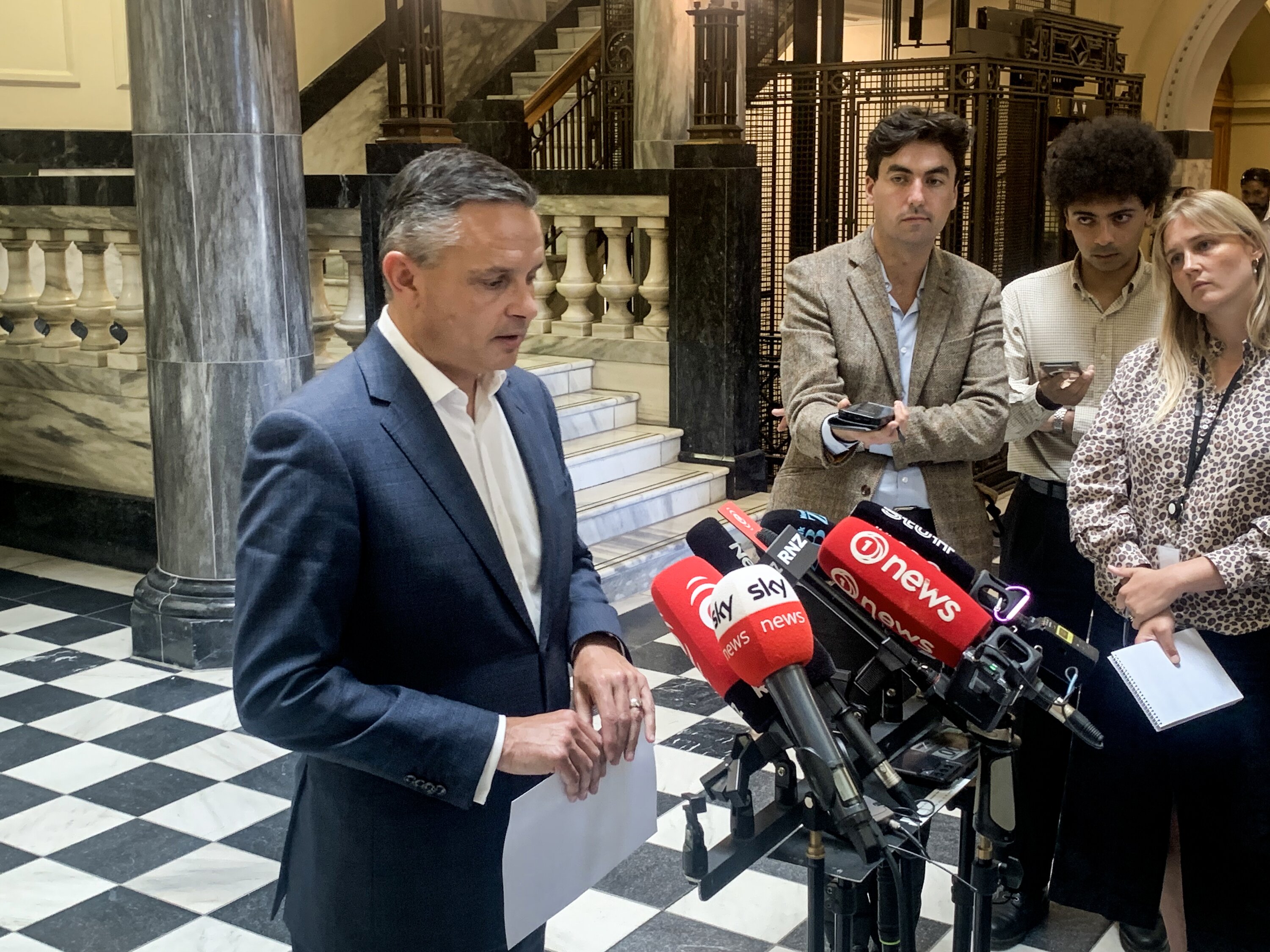
It was clear today in remarks from Green co-leader James Shaw that with Collins only passing away this morning, emotions are still far to raw. Shaw said today’s debate will include statements from himself on behalf of the Greens, Labour leader Chris Hipkins and one Te Pāti Māori co-leader. The Prime Minister will speak on behalf of all three governing parties.
Shaw said he was working on a “full tribute in the House” at some time in the future, because Collins’ closest friends and family would want to be there. He said the efforts made accross the House to stop and commemorate Collins’ death showed “Parliament and parliamentarians at their best”.
Collins was a list MP, meaning his seat will be filled relatively easily.
The registrar who registers an MP’s death must notify the Speaker within 12 hours of making the registration. The Speaker will inform he House that Collins’ seat is vacant tomorrow.
As a list MP, the next Green MP on the list will take his seat (unless they choose to refuse it). The next Green MP on the list is Dr. Lawrence Xu-Nan, who ran in the seat of Epsom.
Xu-Nan is not the only new Green MP Parliament will get in the next few months. With co-leader James Shaw announcing his intention to retire, the Greens will have another vacancy to fill. The next Green MP on the list is Francisco Hernandez, who ran in Dunedin.
Thomas Coughlan is Deputy Political Editor and covers politics from Parliament. He has worked for the Herald since 2021 and has worked in the press gallery since 2018.