India Free Trade Agreement: Christopher Luxon calls out Winston Peters over immigration claim
The Prime Minister and the Trade Minister are disputing a claim from Winston Peters about the immigration impacts of the proposed New Zealand-India Free Trade Agreement.
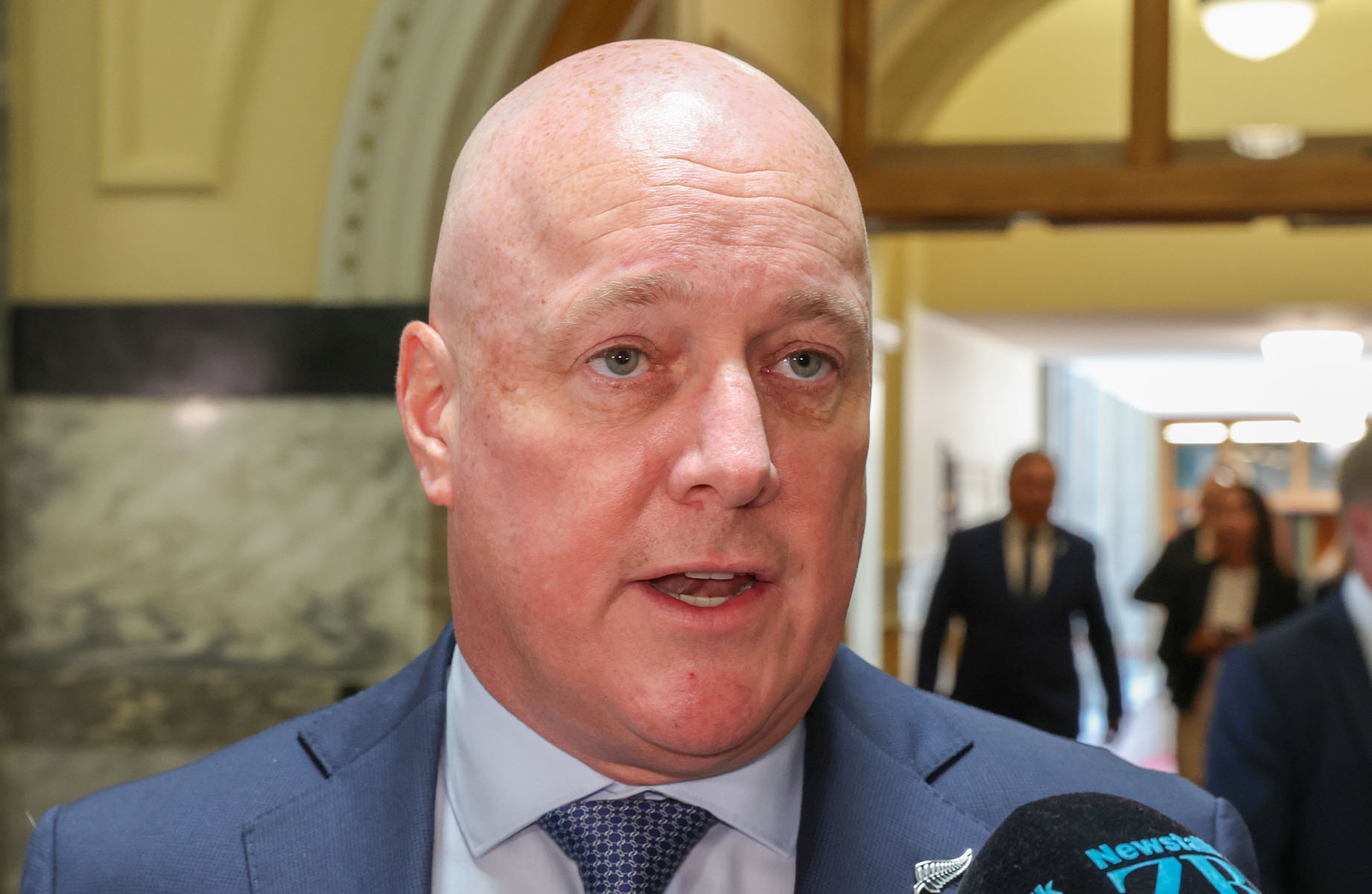
PM Christopher Luxon said Peters, the NZ First leader and Foreign Affairs Minister, is “wrong” for saying tens of thousands of Indians could enter New Zealand as “of right” under the deal and take Kiwi jobs.
Peters dismissed those comments, instead pointing to statements from the Indian Government about an “unprecedented” deal being secured in terms of student mobility and post-study opportunities.
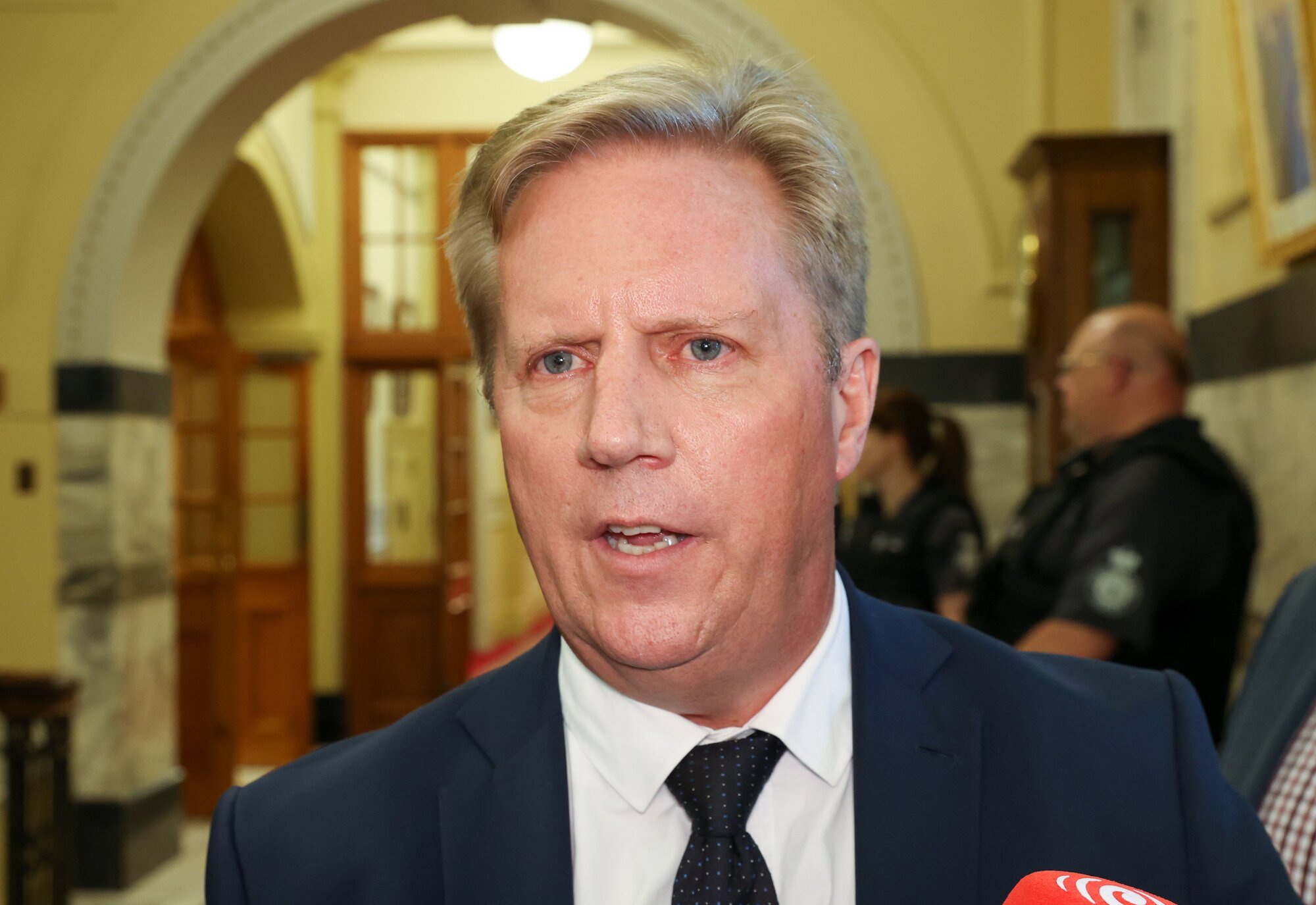
Trade Minister Todd McClay also disputed Peters’ claim. He said the agreement would not restrict any New Zealand Government’s ability to change immigration settings.
“It is for the New Zealand Government to decide which people come and what the conditions are of that.”
The text of the formal trade agreement has not been publicly released, but material shared by the Ministry of Foreign Affairs and Trade (MFAT) says the deal would allow for 1667 workers’ temporary employment entry (TEE) visas to be granted for occupations where New Zealand has a skills shortage.
“These TEE visas are for three years, and the total number available under the commitment is capped at no more than 5000 at any one time over that three-year period,” the document says.
“This represents less than 6% of the current average total number of skilled visas issued to Indian nationals each year by New Zealand.”
It goes on to say the agreement includes a Working Holiday Scheme, with up to 1000 places for young Indians, with the right for Indian students to work up to 20 hours a week.
Eligible students graduating from a New Zealand institution can receive a Post-Study Work Visa, for a limited timeframe.
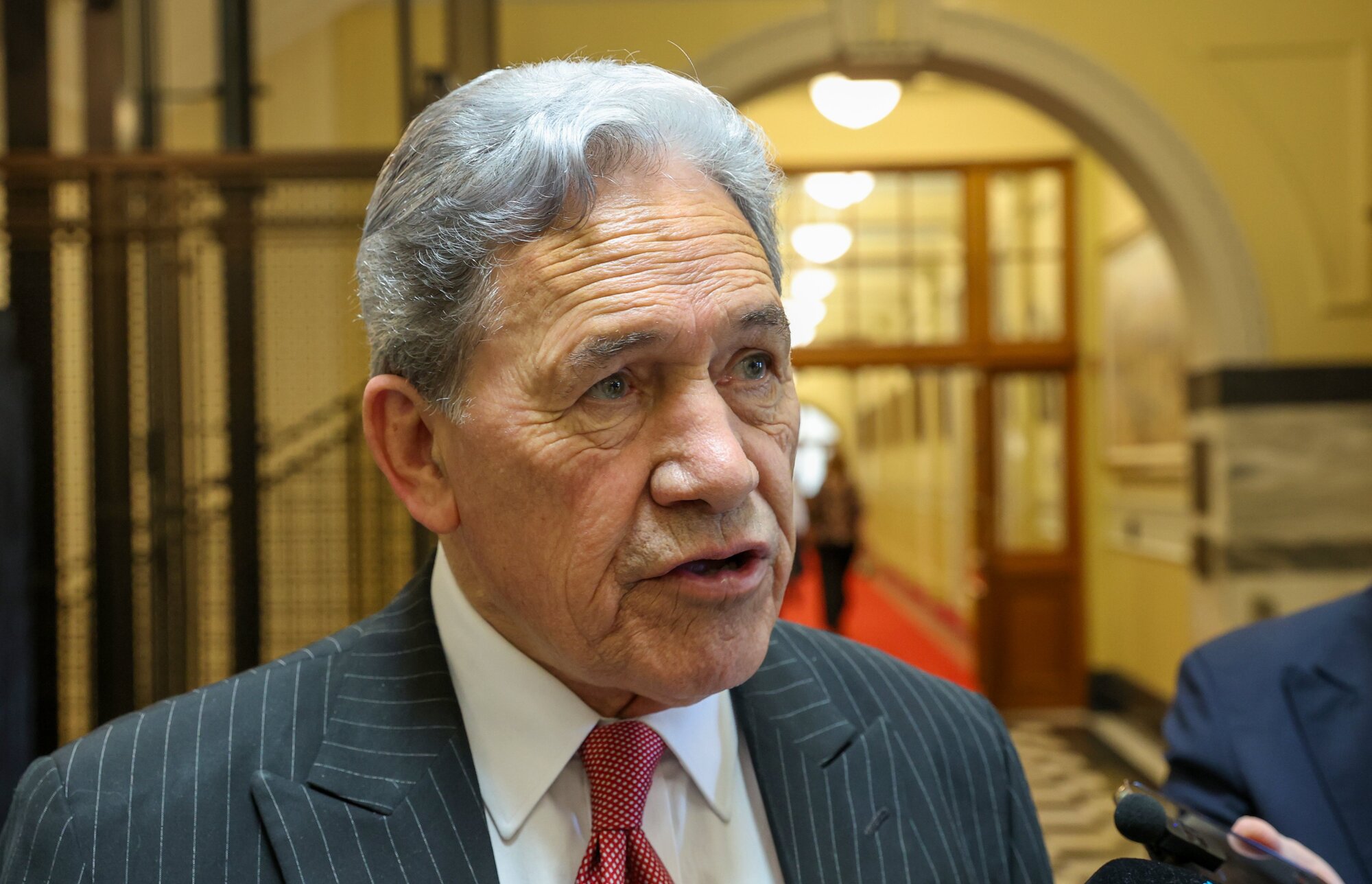
Speaking this morning, Peters said: “The truth is not being told to the public.
“Go and dissect what it means. It means we could have tens of thousands of people getting here of right and building up employment opportunities in this country for themselves and taking those opportunities away from New Zealanders.”
The Prime Minister told the Herald this afternoon: “He’s wrong.”
“Winston and I have different views on this. He opposed the China FTA. He was wrong then, he’s wrong on this one too.”
McClay echoed Luxon with his comments about Peters’ comments.
“There are not tens of thousands of people that will come in. What we have done also though is retain within the agreement the ability for current and future Governments to change the settings when it comes to visas and migration.”
Asked about his statement, Peters told the Herald that was what Indian Commerce and Industry Minister Piyush Goyal and Indian Prime Minister Narendra Modi had said.
He highlighted a statement where the Indian Government called the deal “unprecedented”. That appears in material from the Indian side which says the agreement contains “unprecedented student mobility and post-study opportunities”.
“For the first time with any country, New Zealand has created a dedicated pathway on Student Mobility and Post-Study Work Visas with India,” the Indian document says.
“The agreement removes numerical caps on Indian students, guarantees a minimum of 20 hours per week work during study, and provides extended post-study work opportunities-up to three years for STEM bachelor’s and master’s graduates, and up to four years for doctorate holders – creating clear pathways for skills development and global careers.”
McClay said the agreement is “silent” on a cap for Indian students as “there’s currently no cap on the number of students who come to New Zealand”.
“But if the current and future Governments want to put restrictions or conditions around that, they have the ability to. The agreement doesn’t restrict that.”
There are criteria foreigners must fulfil to study in New Zealand, and that “is set by normal policy, current and future, and that can be changed by current and future Government”, McClay said.
When asked for his response to Luxon, Peters pointed to what the Indians had said.
“Why don’t you go and ask him whether or not what he’s saying and Modi’s saying are the same thing ... Why don’t you say, this is Modi saying this and this is what you’re saying, who is telling the truth?
“Now you’re trying to get me in the middle of a row with him. You’re not going to catch me out, this is not my first rodeo.”
Peters also said he hadn’t seen “the document”.
McClay said the usual process is that after an agreement is reached, lawyers “go through and legally scrub it to make sure the agreement that’s been reached is represented in the legal document that will be signed”.
Peters, “along with every other member of the New Zealand public, has a right to the agreement once the legal scrubbing has been fixed”.
NZ First isn’t going to support the FTA, with Peters saying the party won’t “sign up to a deal that’s not in our national interest” as “we’re not into globalism, we’re into nationalism”.
Labour hasn’t said whether it will support the FTA, but it’s indicated it likely will.
“We’re broadly supportive of securing a trade agreement with India,” said leader Chris Hipkins.
“We’ve got a lot of faith in the people who negotiated that deal. They’re the same people that negotiated the deals that Labour signed with the European Union and with the UK.
“But there are still some outstanding issues around how that gets implemented on the New Zealand side and so on. So we want to talk to the Government about those issues.
“There’s issues around migrant worker exploitation, for example, and safeguards that we put in around that. That’s just one, we’ll set all of that out, and then we’ll go back to the Government and talk to them about that.”
Jamie Ensor is the NZ Herald’s chief political reporter, based in the press gallery at Parliament. He was previously a TV reporter and digital producer in the Newshub press gallery office. He was a finalist in 2025 for Political Journalist of the Year at the Voyager Media Awards.