New council water companies to access cheap borrowing for Three Waters fix
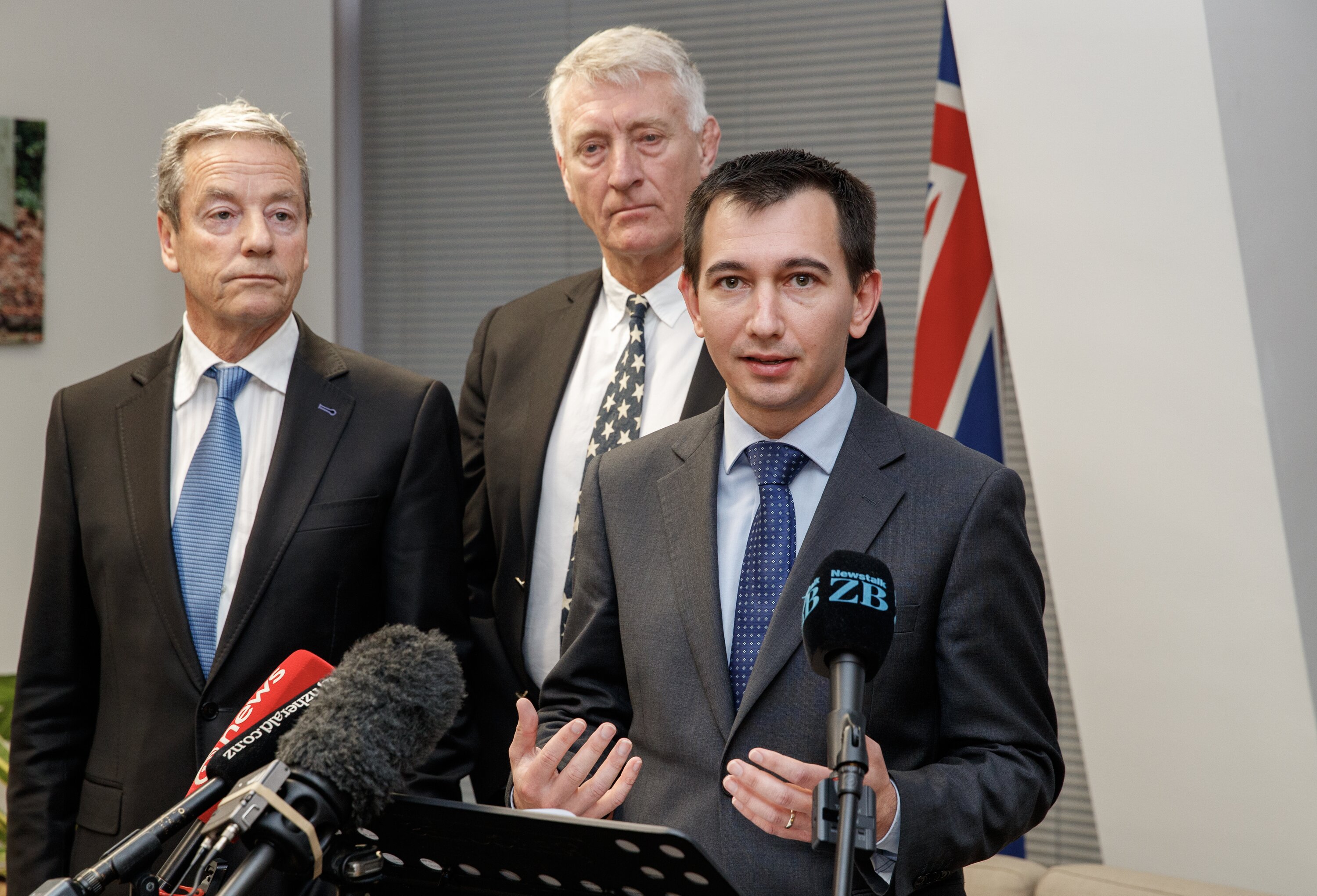
Local Government Minister Simeon Brown has unveiled changes to allow new council-owned water companies to be able to access more cheap borrowing from the Local Government Funding Agency (LGFA).
The announcement came as the Government announced a suite of changes to give effect to its plan to help councils pay for the astronomical cost of investing in new water infrastructure.
The policy replaces Labour’s “Three Waters” plan, which created ten new entities that would collectively spend as much as $180 billion over the next three decades on water investment - most of it borrowed. The new Government strongly disputes this figure as being excessively high. Brown noted that council long-term plans include estimates of just $41b of water spending and $100b of the last Government’s estimate “was based on enhancement and growth assumptions that contained significant uncertainties”.
The new plan changes some of the water quality regulation requirements and creates new ways for councils to form their own Council-Controlled Organisations like Auckland’s Watercare to provide water services to their regions. The changes announced today make it easier for those CCOs to borrow far more, at a far lower cost to invest in water infrastructure.
Labour is not convinced. The Party’s Local Government Spokesman Kieran McAnulty said the lack of plan for some councils, particularly small rural ones that will struggle to amalgamate their water services, means the coalition’s plan is tantamount to a massive rates rise.
“Increasing debt limits mean councils will go further into debt, passing costs on to ratepayers without the help of the Government,” he said.
Labour’s plan forcibly amalgamated councils’ water assets into operationally independent water entities that would provide water services to people in those regions. The coalition’s plan hands a significant amount of autonomy back to councils to decide how they will provide water services, provided they meet minimum quality and investment standards.
Many, perhaps most, councils will opt to amalgamate because the cost of going alone is too steep. The difference is that unlike under Labour’s plan they will choose when and how to amalgamate. That brings benefits in terms of autonomy, however it creates massive costs and uncertainty for small councils that cannot find larger ones to amalgamate with.
The decisions announced today outline potential models for amalgamating councils to choose from and a pathway for those CCOs to access cheap borrowing from the LGFA, which is the entity that councils currently borrow through.
The LGFA is jointly owned by 30 councils and central government, which owns 20%. The LGFA, with its backing from central government, allows councils to access much cheaper borrowing than they would on their own. That cheap borrowing has been available to CCOs, five of which currently borrow via the LGFA. The LGFA raises funds by issuing bonds. It the on-lends to councils.
Today’s changes allow those CCOs to borrow far more than before - up to five times their revenue, which will come from water charges. The CCOs will free up additional borrowing headroom for councils who can borrow up to 2.8 times their revenue. Currently that figure includes borrowing for water. Once water is transferred to CCOs, councils can use the borrowing capacity that would have gone to water to borrow for investment elsewhere.
The Government is sweetening the deal for some high-growth councils. Brown said he and the LGFA were working to lift debt limits for some councils to up to 3.5 times revenue. That, plus the new borrowing for CCOs, means a considerable amount of additional borrowing room for local government.
Brown’s office laid out five illustrative examples of how water could be delivered under its model. The first option is for a council to provide services directly as many do now.
The second option is for a single council to create a CCO which would provide water services on its behalf, much like Auckland’s watercare. This CCO would be on the council’s balance sheet, but be able to borrow cheaply via the LGFA.
The third option extends this model to multiple councils. This looks a bit like Wellington Water, but with some enhancements. A group of councils would get together to provide water services to their residents. The councils would appoint a council of shareholders, potentially like the Wellington Water Committee, which would set expectations for the CCO’s board. This model could also borrow via the LGFA. It would be registered as a contingent liability on councils’ balance sheets.
The other two models are to create a consumer trust, a bit like Auckland’s Vector, which provides lines services. These trusts would be wholly or majority owned by consumers. The trust would own the water company that provides services. Neither of these two options could borrow from the LGFA and would have to tap banks or capital markets for funding.
If the council kept a minority shareholding, it would register as a contingent liability on its balance sheet. If it transferred its assets entirely to the trust, the trust would be entirely balance-sheet separated from the council.