Parliament’s Privileges Committee to assess if MPs were deliberately misled over failed immigration project
Parliament’s Privileges Committee will assess whether officials deliberately misled a select committee regarding a failed immigration biometric upgrade project.
It was reported yesterday that Ministry of Business, Innovation and Employment (MBIE) officials, when asked in March about risks posed to the scheme’s viability, did not disclose to the education and workforce select committee that the project had been scrapped in November last year.
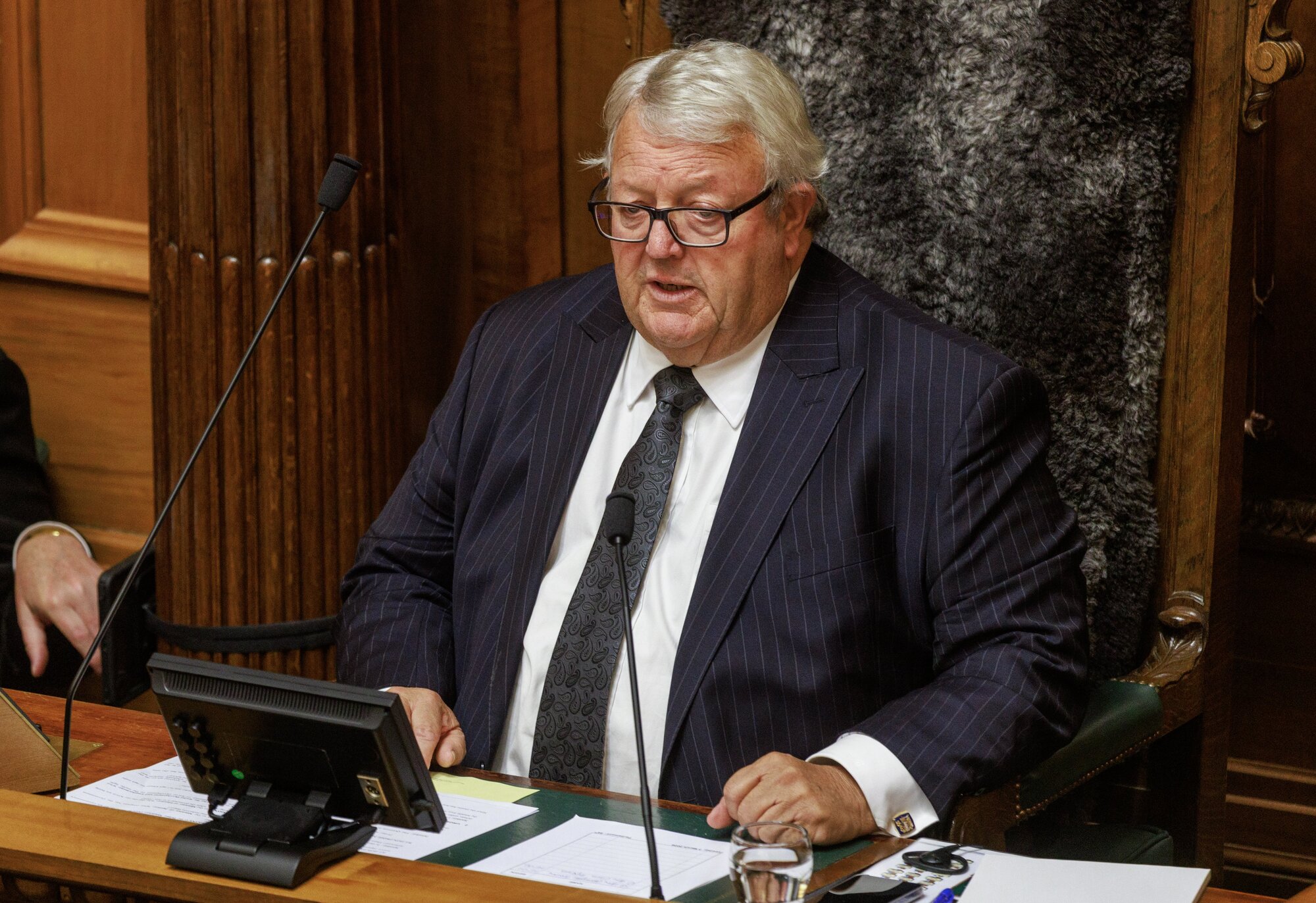
Speaker of the House Gerry Brownlee today confirmed he had received letters from Labour MP Phil Twyford and the select committee, which argued it was a matter of privilege.
“The conduct complained of could amount to deliberately attempting to mislead a committee, which is given as an example of contempt of Parliament,” he said.
Brownlee said it was not within his powers to investigate the claims, saying that was the role of the privileges committee. The committee is a group of cross-party MPs who assess potential breaches of Parliament’s rules.
Brownlee ruled there was a question of privilege to assess and referred the matter to the committee.
At least $32 million would be written off after the botched project led by MBIE to upgrade New Zealand’s biometric systems was terminated late last year following about seven years of delays and issues.
Yesterday, the Public Service Commission confirmed the terms of its investigation into MBIE’s project, prompted by Immigration Minister Erica Stanford releasing a report alleging project staff misled her and previous ministers, avoided Cabinet scrutiny and moved on staff who questioned the venture’s viability.
Alison McDonald, who previously headed Immigration NZ, which sat within MBIE, was asked by Twyford at a select committee meeting in March about the risks posed to the project.
McDonald linked delays to the fast-paced evolution of technology and referenced ongoing work to ensure the country’s identity management system was fit for purpose.
MBIE chief executive Nic Blakeley, who appeared alongside McDonald, echoed how the ministry was in the process of working out what the programme would look like.
Stanford wouldn’t comment on whether Blakeley and his officials should have disclosed more about the project to the select committee, referring to the commission’s investigation.
“I’m not going to pass judgment, and there may well be reasons why they were and weren’t able to say things, but I haven’t had a talk to my officials about that yet.”
Blakeley became MBIE chief executive earlier this year, after the project had been canned, but had previously held a deputy secretary role. Public Service Commissioner Sir Brian Roche told the Herald last week he didn’t believe Blakeley was liable for the project’s failure.
However, Stanford wouldn’t explicitly express confidence in Blakeley.
“I want to see the outcome of the report before I make any judgments,” she said.
“He’s only been in the job for a few months, most of the people that were working on this project are no longer there, he is now tasked with making sure that the culture within MBIE is good and that the new leadership is strong so that we can avoid this happening in the future.”
Adam Pearse is the Deputy Political Editor and part of the NZ Herald’s Press Gallery team based at Parliament in Wellington. He has worked for NZME since 2018, reporting for the Northern Advocate in Whangārei and the Herald in Auckland.