Paul Henry delivers comms masterclass, but will it last?
THE FACTS
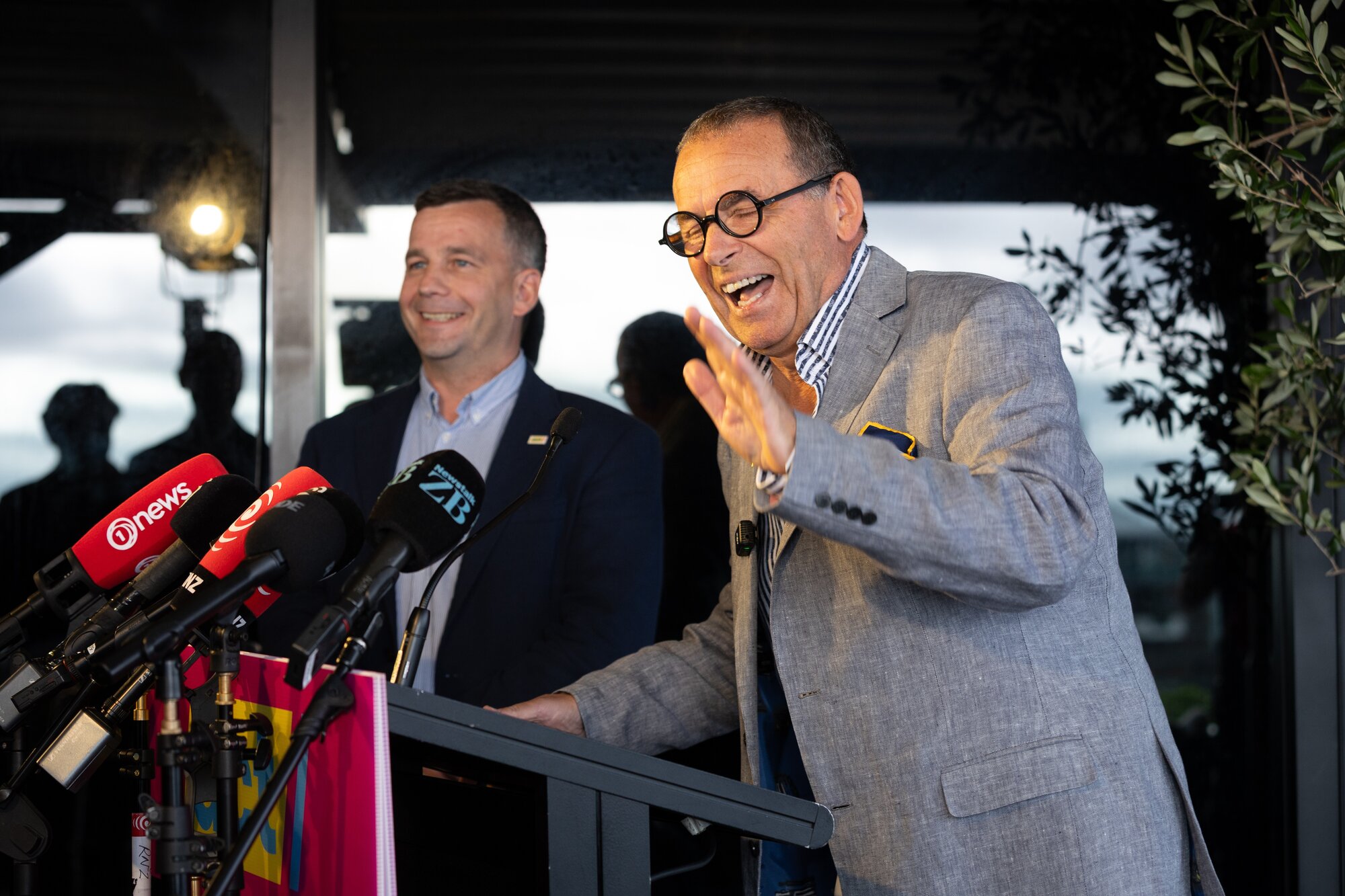
Paul Henry was very at ease when he stepped into the limelight on the rooftop terrace of Auckland’s QT hotel on Tuesday as Act leader David Seymour announced him as the party’s newest candidate.
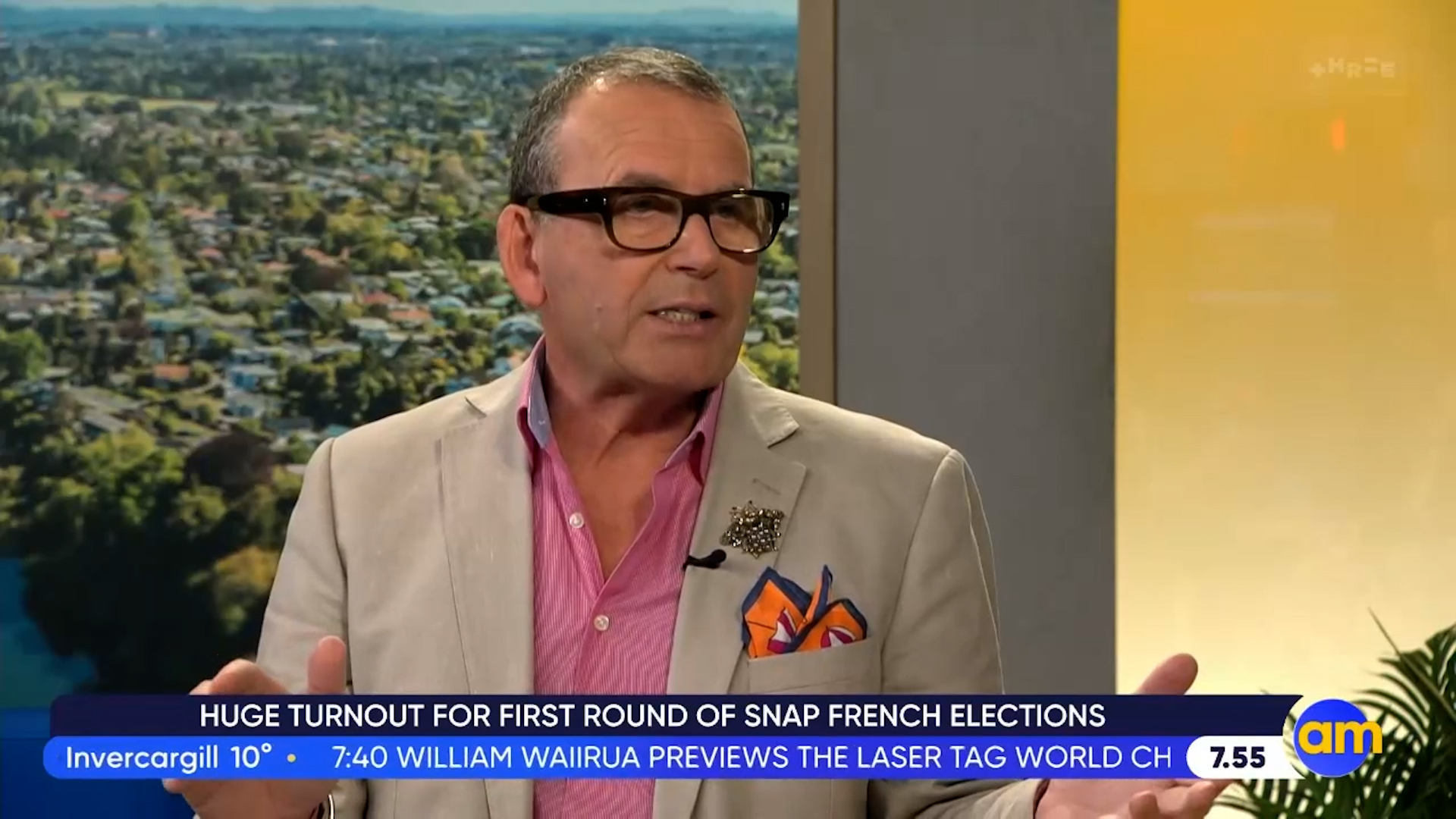
Perhaps his ease is down to the fact that despite retiring from fronting daily television programming about a decade ago, he was never far from the limelight. He fronted a TV special during Covid and the New Zealand versions of The Chase and Traitors.
He launched a gin, giving him an opportunity for another round of long-form media interviews, in which the ever-opinionated Henry expounded on everything from being detained in Iraq to the nudist community in Palm Springs, California.
After a brief introduction from Seymour, Henry gave probably one of the best “new job” press conferences since Dame Jacinda Ardern’s famous 2017 effort after becoming Labour leader, a press conference that marked the start of “Jacindamania”.
Now this press conference wasn’t quite that. For starters, Henry wasn’t facing the full press gallery, which adds a level of intimidation, nor did he have any policy platform to defend and, perhaps most importantly, he didn’t have to look like he could credibly be Prime Minister in a few weeks.
Henry really just had to be himself, which, as it turns out, he’s very good at.
He darted quite effortlessly between concerns about government debt and growing bureaucracy to quite a hopeful vision of a New Zealand other countries might one day aspire to be.
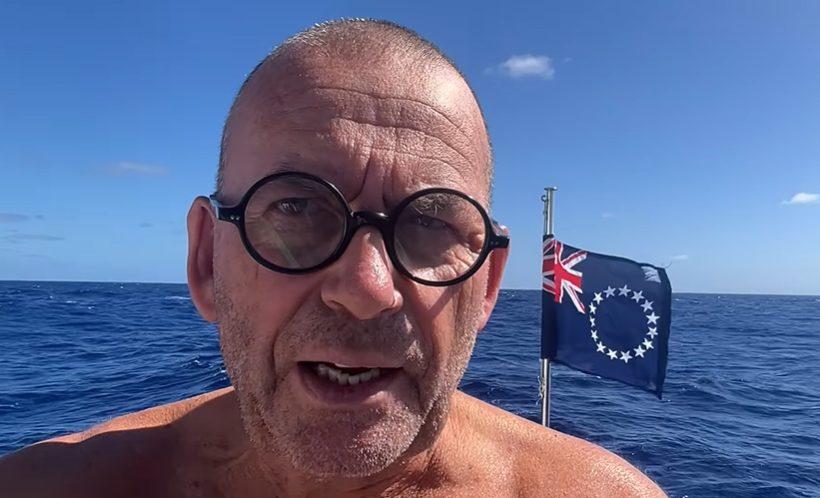
He was unashamed of his wealth, joking that he sold his boat not because he needed to in order to enter politics, but because he wanted a bigger one.
It was light-hearted fare, but sometimes that’s what politics is.
In fact, it’s the sort of politics Seymour used to be quite good at – taking the mick out of himself on Dancing with the Stars and laughing at his own faux pas (most memorably, when discussing National emblems during the flag referendum, Seymour opined that the “The French love the Coq”).
The realities of government and some of the uglier aspects of post-Covid politics have made Act a slightly gloomier party. Henry’s turn on the political stage on Tuesday was refreshing – even nostalgic.
Will it last though?
As Henry noted today, he doesn’t need to be an MP, which makes one wonder how committed he is to a long parliamentary career. The remarks he made during his press conference were focused on the next three-year parliamentary term, indicating he hadn’t given much thought to a longer time in politics.
Seymour had to step in and say that three years was just an “introductory period” and suggested a parliamentary career of six years at least. But does Henry, who famously spends a lot of time in sunny Palm Springs, want to spend that much of his life chained to a desk in wintry Wellington?
And while it’s no secret Henry’s politics have always tended to the right (he has previously run for Parliament as a National candidate), does he have the discipline required to stick to Act’s policy platform?
Discipline of that kind can be a challenge if you’re used to having a platform of your own. For Henry’s entire career, he’s been encouraged to have his own views and to share them. For the next few months, he’ll need to suppress that instinct and toe the party line.
That may not come naturally.
During his press conference, Henry was coming up with policy ideas on the fly, including a new Auckland cancer hospital funded by donations from New Zealand’s wealthiest plus some government borrowing.
“I think you could easily get a group of wealthy New Zealanders to stump up with about $10 billion – easily”
Now, that’s one expensive cancer hospital (the new Dunedin hospital’s budget is about $2.1b) and it’s not clear wealthy New Zealanders would easily part with $10b – a sum of money which is almost exactly the amount Grant Robertson and David Parker thought they’d raise from their 2023 wealth tax idea, which was lambasted by parties of the right at the time.
In fact, Inland Revenue data on donation tax credits shows that if you exclude schools and religious organisations, New Zealanders collectively give $300 million a year in donations for which tax credits were claimed (if you include all donations, the figure is just over $1b).
The big challenge for Act will be giving Henry enough freedom to be himself, grab headlines and boost the party’s performance, without giving him so much that he gets the party into trouble, promising things the party hasn’t committed to or taking positions that are different to the wider party.
The other question for Act is how will the party react to a candidate who dominates the limelight as Henry will.
Seymour has had talented MPs in his caucus, but none have come close to outshining him as a communicator.
Then there’s the very big problem of succession. It was no secret that before deciding to leave politics, Brooke van Velden was viewed as Seymour’s obvious successor. Van Velden’s successor as deputy, Nicole McKee, could be that person, but that’s not yet certain.
In the long, long term, Henry might present a bit of a challenge to the party in that he doesn’t seem to want to stick around long enough to succeed Seymour as leader, but takes up so much of the limelight there’s none left for the real successor to emerge.
That may be a problem for the future. For now, Act, now clearly the poorest-polling party in the coalition, will be happy to have a bit of the boost before a clearly difficult election.