Public service staff numbers grow despite Govt’s crackdown on ‘bloated bureaucracy’
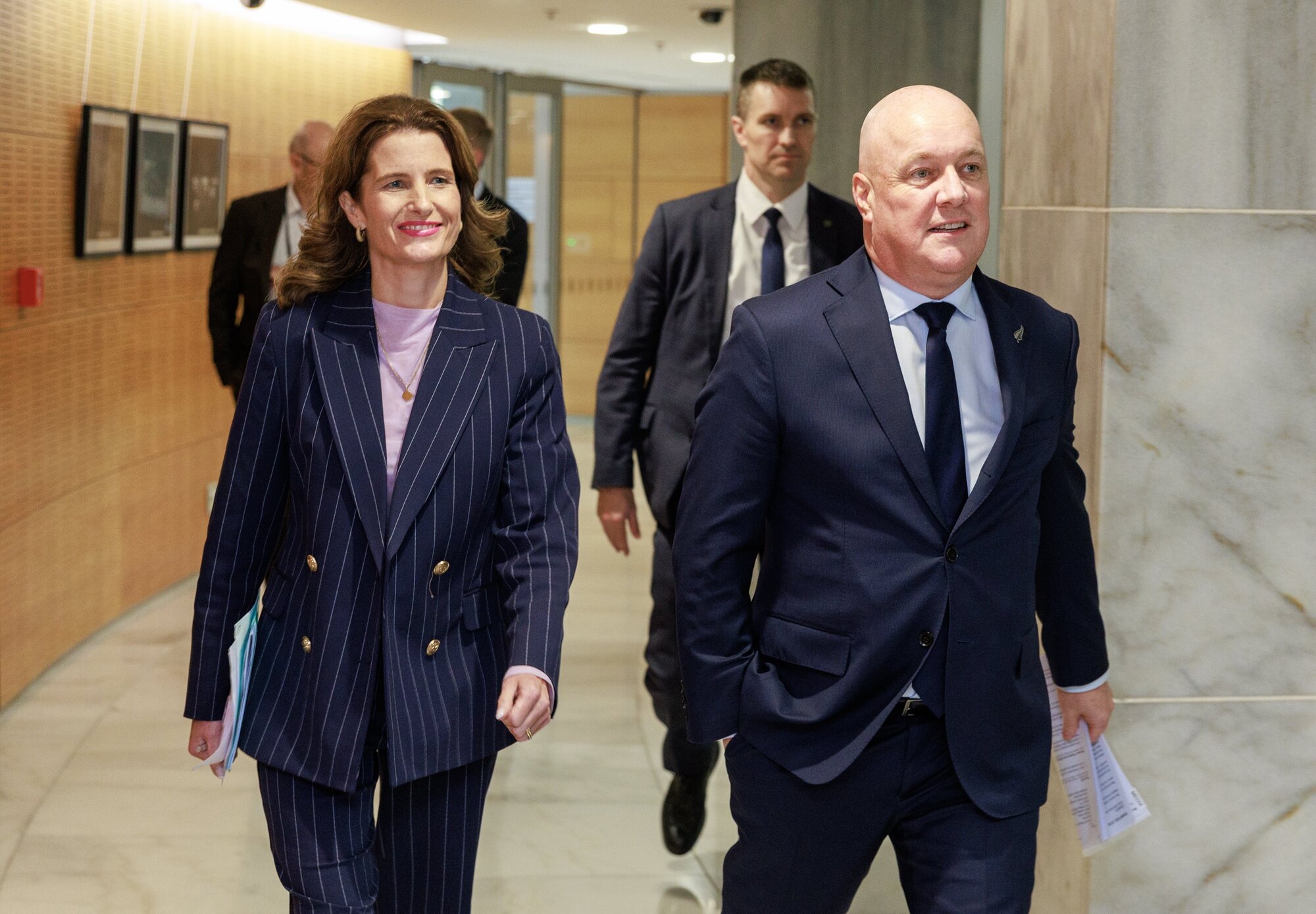
New data shows the number of public servants has ticked up over the past nine months despite an ongoing mission to improve the Government’s books by reducing staff numbers.
Between 2024 and 2025, figures reduced slightly (-1.4%), but the latest numbers from the Public Service Commission show an increase of 3% in the nine months to March 2026.
As of March, there were 64,535 staff in the public service (full time equivalents). The Government wants this reduced by almost 10,000 in the coming years.
Public servant numbers reached their highest in recent times in December 2023 (65,699), and between then and March 2026, the sector workforce reduced by 1.8% overall.
Public Service Minister Paul Goldsmith said the figures were “exactly why we’re transforming the public service. The sector should grow smarter, ”not simply larger”, he said.
“We are committed to returning its size to be equivalent to 1% of the population. We have an in-principle target of about 55,000 full-time public servants by mid 2029.
“Reductions will be achieved progressively over several years through digitisation, mergers, simplification of systems and processes and natural attrition. This will not affect frontline roles.”
Many agencies have reported sizeable reductions over the past year, although others have reported increases for two years in a row. For example, the staff numbers at the Department of Corrections increased by 6.4% in the 2024/2025 year, and by a further 3.7% for the 2025/2026 year to date.
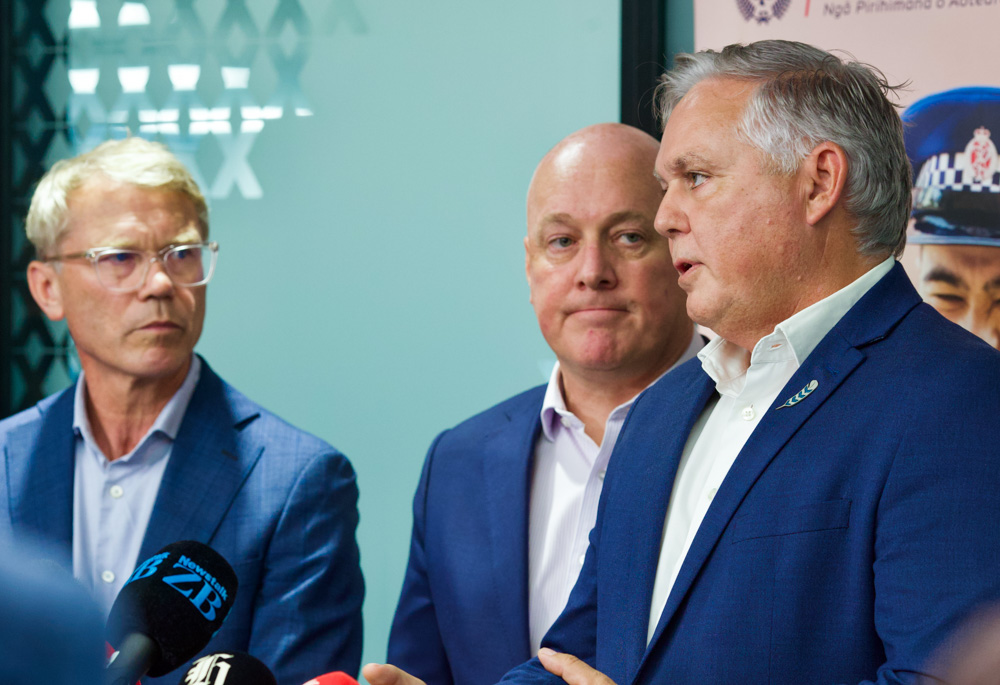
As of March, Corrections had the most staff of the country’s 40 public service departments, totalling 11,316.
The fresh data comes soon after the release of the Government’s latest Budget which revealed the coalition’s spending to maintain the country’s expanding prison population was continuing to grow, with the tally expected to reach almost $2.5 billion in the coming years.
The latest Budget allocated an additional $477 million to managing operating cost pressures associated with prisoner volumes. This was on top of increases in funding worth $393.4m in 2025 and $803m in 2024.
It is rare for three successive Budgets to include massive cost pressure adjustments, yet it has become more common in the past three years for departments to have their funding cut.
One of the larger increases in workforce size for the 2025/2026 year was at the Social Investment Agency (85%), but this department has far fewer staff members overall (now 94) compared with other agencies which have thousands.
This increase, the Public Service Commission said, follows a boost in funding for new functions, such as establishing the Social Investment Fund, and creating new social investment data and evidence.
Addressing what National saw as backroom bloat in the public service was a key campaign pitch for the party in the 2023 election.
Since then, the Government has made major changes to several departments, including education (such as scrapping the country’s national secondary school qualification), welfare (by tightening access to emergency housing and benefits), and in health (by cutting the Māori Health Authority).
Finance Minister Nicola Willis has called for major job cuts in public service over the past two years, saying each department needs to tighten its belt in a poor, post-Covid economy and amid growing public servant numbers.
In the latest round of cuts, she said increasing artificial intelligence (AI) use would also improve productivity and deliver better value for money.
Julia Gabel is a Wellington-based political reporter. She joined the Herald in 2020 and has most recently focused on data journalism.