Senior MP Willie Jackson says Labour Government should’ve taken GST off meat to reduce cost of living
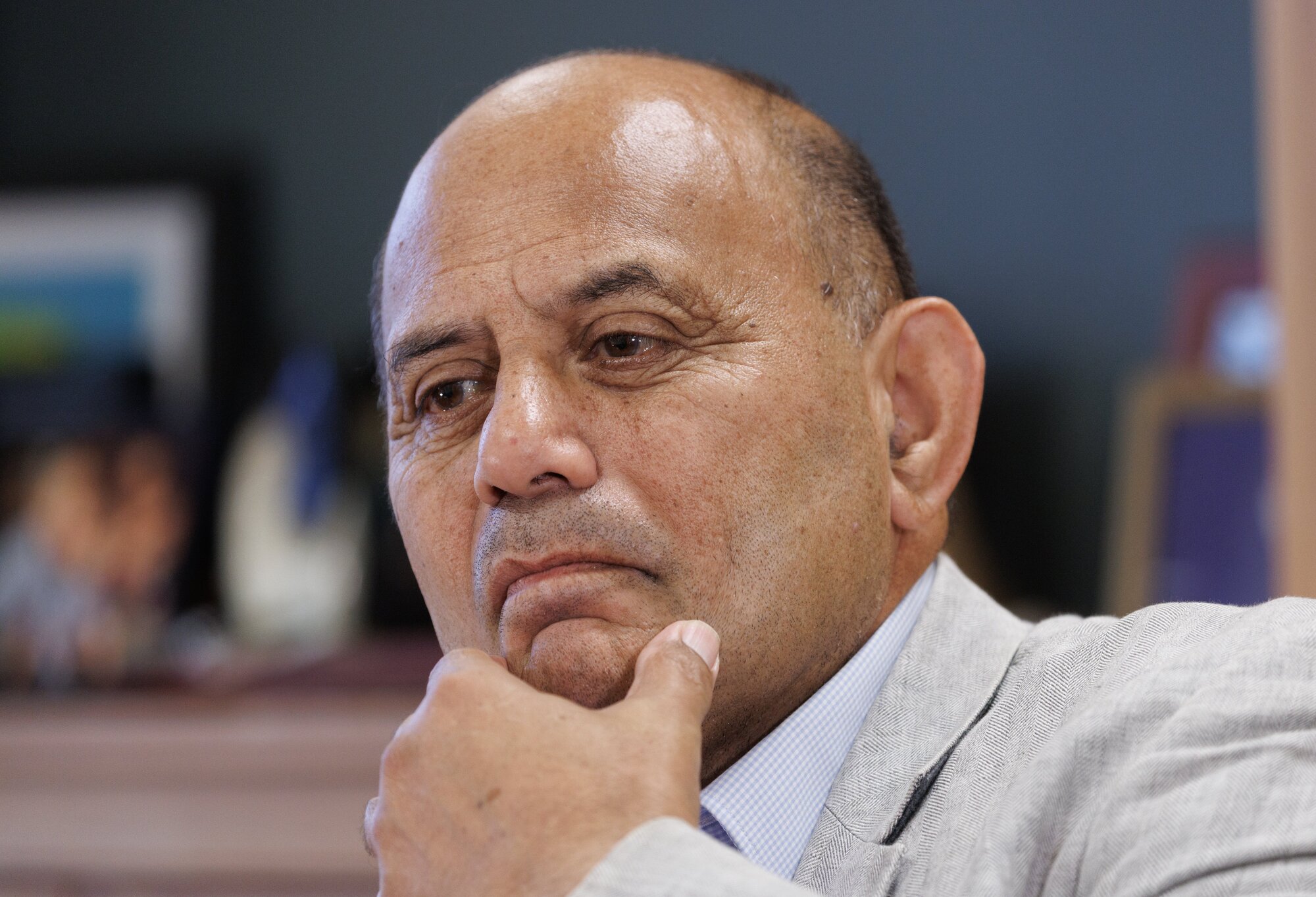
Senior Labour MP Willie Jackson believes his party should have removed GST from meat products while in Government to help reduce the high cost of living.
That’s despite Labour’s 2023 election policy proposing to remove GST from fruit and vegetables being widely panned as complicated to introduce and ineffective at providing relief to those who needed it.
Jackson’s comments come as tax policy discussions continue within the party as the public waits for Labour’s confirmed 2026 election policy, expected to be announced by the end of the year.
Appearing on the Unfiltered with Dave Letele podcast, Jackson was asked how Labour would win back enough support to return to Government after receiving just 26.9% of the vote in 2023.
Jackson accepted communities had felt a “little bit deserted” by Labour amid a painfully high cost of living and persistent inflation. Annual percentage increases of food prices were above 10% from late 2022 to mid-2023.
“You’ve got to look after our community in the supermarket and at the petrol pump,” Jackson told Letele.
“We made mistakes in those areas. We didn’t do enough in the supermarkets, we should’ve taken GST, probably, off meat.”
Despite the 2023 loss, Jackson was confident Labour’s support was growing.
“I think it’s coming back, I know it’s coming back, we’ve seen that and we’ll be putting some strong policies in place over the next 18 months to ensure that support and continue that support.”

In August 2023, ahead of the election, Labour leader and then Prime Minister Chris Hipkins announced a policy stripping 15% GST from fresh and frozen fruit and vegetables. It was similar to Te Pāti Māori’s policy to take GST off all kai.
Hipkins had earlier ruled out implementing a wealth tax or capital gains tax if elected in 2023, despite senior MPs such as the now outgoing David Parker developing a wealth tax policy.
The policy received very little support from economists, who believed it was overly complex, would increase compliance costs on businesses and wouldn’t lead to the promised financial relief for consumers.
The Government’s Tax Working Group, which recommended introducing a capital gains tax, opposed GST exemptions in 2019.
Following the election, Hipkins indicated his 2023 policy wouldn’t be replicated in 2026.
Finance Minister and National finance spokeswoman Nicola Willis said Jackson’s comments proved Labour hadn’t learned its lessons from the 2023 election campaign.
“It’s doubling down on its failed GST policy, which was laughed at by economists and voters during the campaign,” she said.
“They just don’t get it. Tinkering with GST and expecting shoppers to benefit is naive and wrong-headed.”
Act leader David Seymour said a policy stripping GST from meat products would likely benefit wealthier individuals and would be complicated to apply.
“Of the benefits that do go to buyers, most will accrue to those buying more expensive things that attract more GST. For example, eye fillet will have a much bigger saving than mince.
“Is the electricity used for the meat chiller tax-deductible, and what if there is also another product in the same chiller? Altogether, it’s hard to think of a more complicated and less effective policy to achieve the goal of reducing costs for struggling families.”
Adam Pearse is a political reporter in the NZ Herald Press Gallery team, based at Parliament. He has worked for NZME since 2018, covering sport and health for the Northern Advocate in Whangārei before moving to the Herald in Auckland, covering Covid-19 and crime.