Staff dismissals likely for public servants implicated in immigration project scandal – Public Service Commissioner
Public Service Commissioner Sir Brian Roche suggests it would be untenable for staff connected to the newly revealed immigration IT project scandal to keep their jobs if they are found to have misled ministers and knowingly avoided Cabinet scrutiny, as has been alleged.
Roche also says his investigation will assess whether a “cultural problem” exists among immigration officials, building on comments from one former minister who says he “always found Immigration difficult to deal with”.
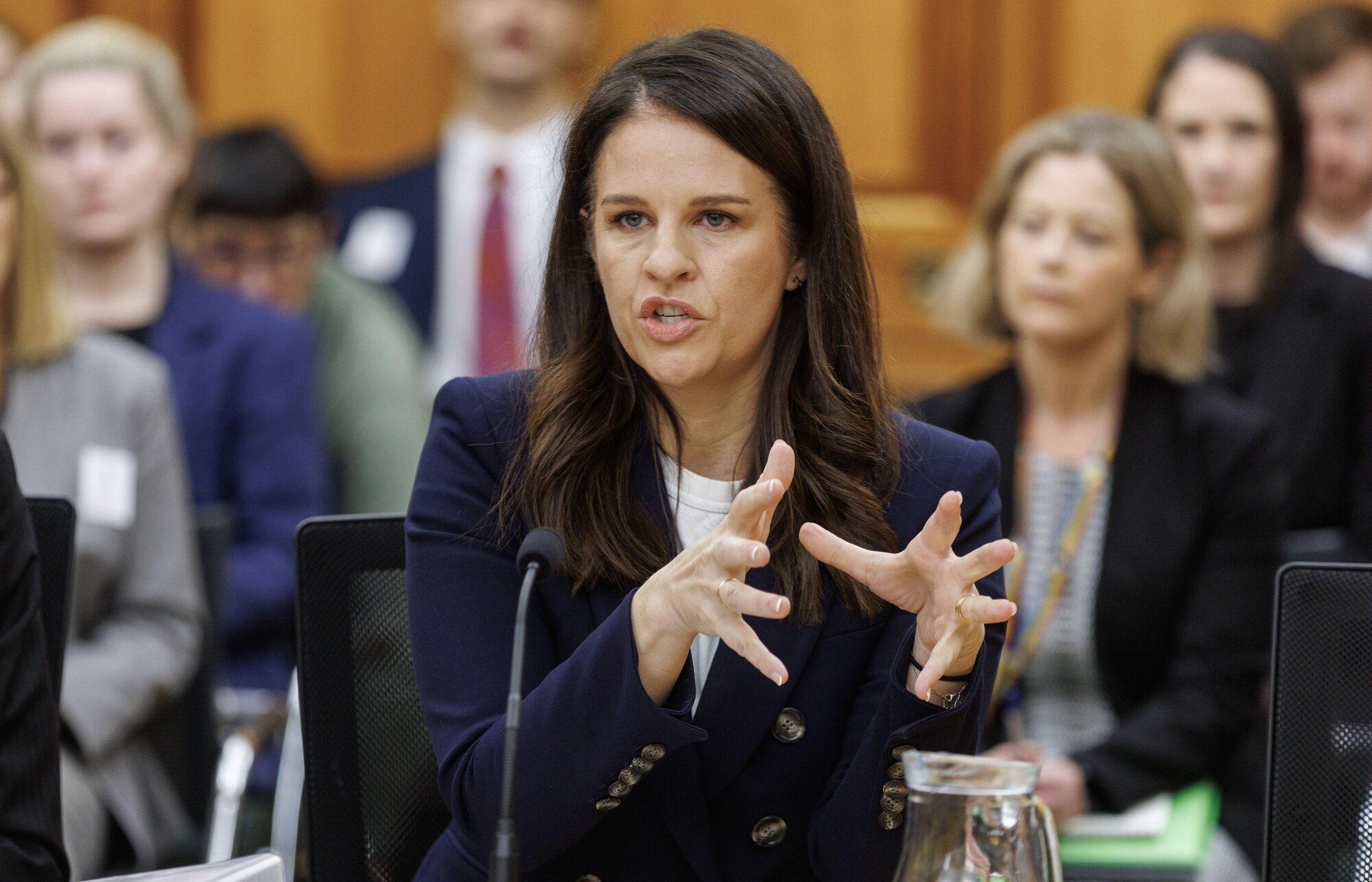
Immigration Minister Erica Stanford today revealed at least $32 million will be written off after a botched project designed to upgrade New Zealand’s biometric systems, led by the Ministry of Business, Innovation and Employment (MBIE), was terminated late last year after about seven years of delays and issues.
As first reported by the Herald, Stanford tabled a report at a Parliament select committee which alleged officials had misled her and other immigration ministers about the project’s viability and used “creative accounting” to split the project up to ensure it avoided Cabinet security.
“Of course, I’m hugely disappointed and I’ve lost confidence in the advice that they give me because of this,” Stanford told the Herald.
“It is almost deception by omission, by not sitting down and being like, ‘Hello, brand new minister, here is the history of this project and all of the steps along the way’, … rather than piecemeal bits of information, omissions, misleading me in a Cabinet paper, trying to slip things in through a Cabinet process.
“The integrity of MBIE and immigration will be called into question.”
The revelation has triggered several reviews and investigations within MBIE and the Public Service Commission.
Speaking to the Herald, Roche said he hoped to establish terms of reference for the investigation, as well as appoint an investigator, by Monday. He was aiming to conclude the investigation within three to four months.
“The nature of the issues raised requires us, I think, to move quickly to allay fears and determine the substance of the assertions that have been made.
“[The report] raised a number of issues in my mind, which [Stanford] has also raised around the basic principle of free and frank advice, [and] honesty in the way officials conduct themselves.
“There are some very serious assertions made in there that you would not expect a professional public servant in New Zealand to breach.”
While he didn’t believe the alleged behaviour was unprecedented within New Zealand’s public service, Roche acknowledged he hadn’t witnessed it in almost two years as commissioner.
“One of the things that we, above all else, as officials, always need is to retain the confidence and trust of ministers.
“We have lost that confidence and trust, we need to get it back.”
He believed such behaviour wasn’t widespread across the public service, but acknowledged the “creative accounting” accusation was “really confronting”.
The report released by Stanford also alleged staff involved in the project had been moved on if they questioned its viability. As such, those involved in its failings could be working elsewhere in the public service or have left it entirely.
While redacted to the public, the report included a list of people linked to the project who Roche believed were the necessary individuals for the commission to question.
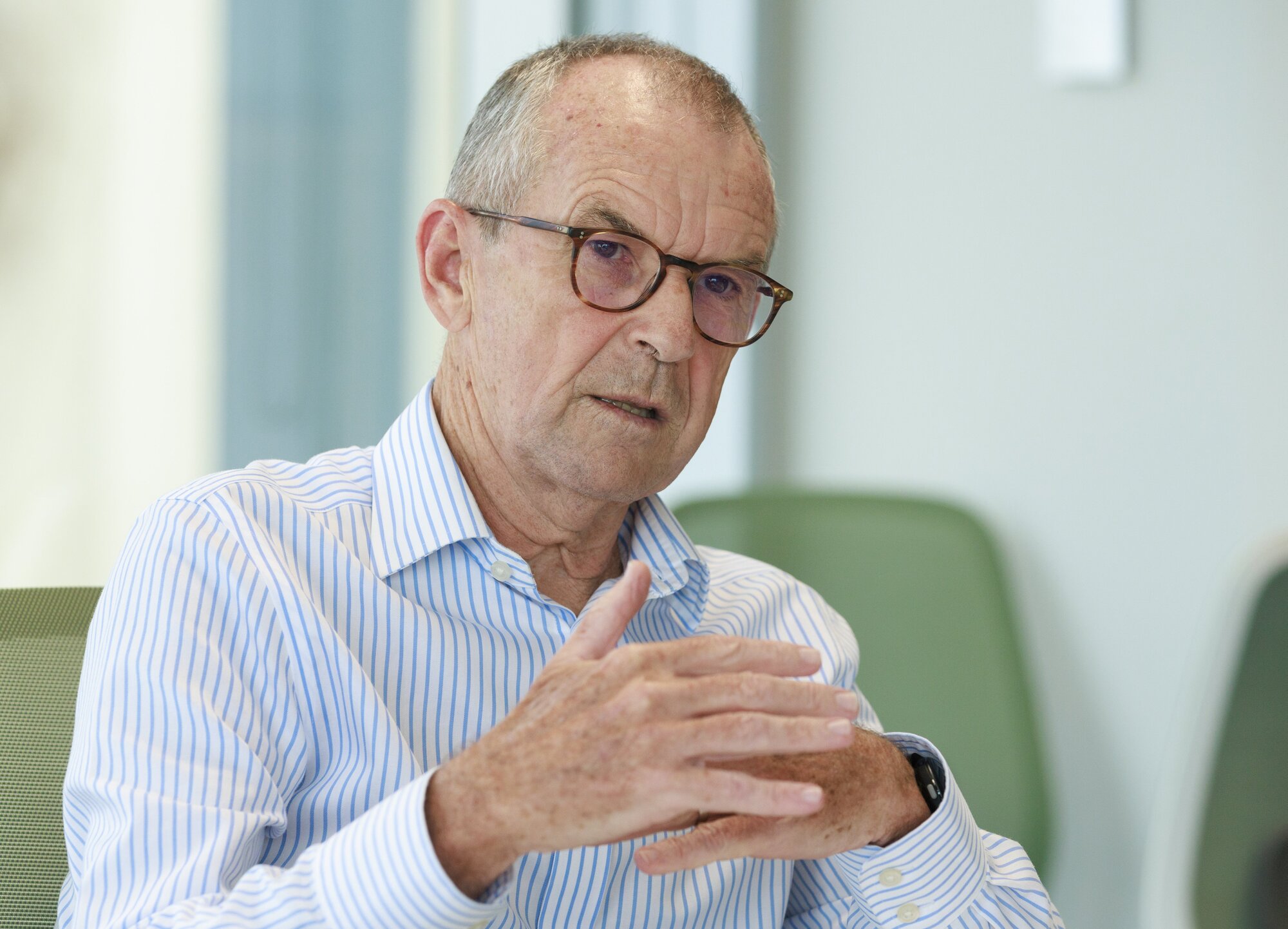
The Inquiries Act gave Roche powers to summon witnesses, former employees and individuals outside of the public service.
Asked how former staff no longer in the public service could be held accountable, Roche acknowledged it was a difficult area.
“That’s a real challenge for us, but if they’re in the public service, we’ve got various remedies available to us, but I don’t want these incidents to occur and then for us not to actually understand them and have a record of who was involved.
“From my perspective, without the review having been done, there are serious allegations, that people have breached the basic level of codes of conduct, then I think it’s very difficult for them to maintain [an] ongoing role in the public sector.”
Asked if that meant any implicated staff would lose their jobs, Roche said: “If the evidence suggests that’s appropriate, then we will do what is required.”
Earlier, MBIE chief executive Nic Blakeley admitted his ministry had fallen short of the Government’s and the public’s expectations, but said he hadn’t offered his resignation over the scandal, despite Stanford today refusing to explicitly express confidence in him.
Roche stood firmly behind Blakeley, noting the former MBIE deputy secretary had only held the chief executive role since January.
“[Blakeley] is deeply, deeply offended by this and, yes, he was in the leadership team, but I don’t see him as directly accountable.”
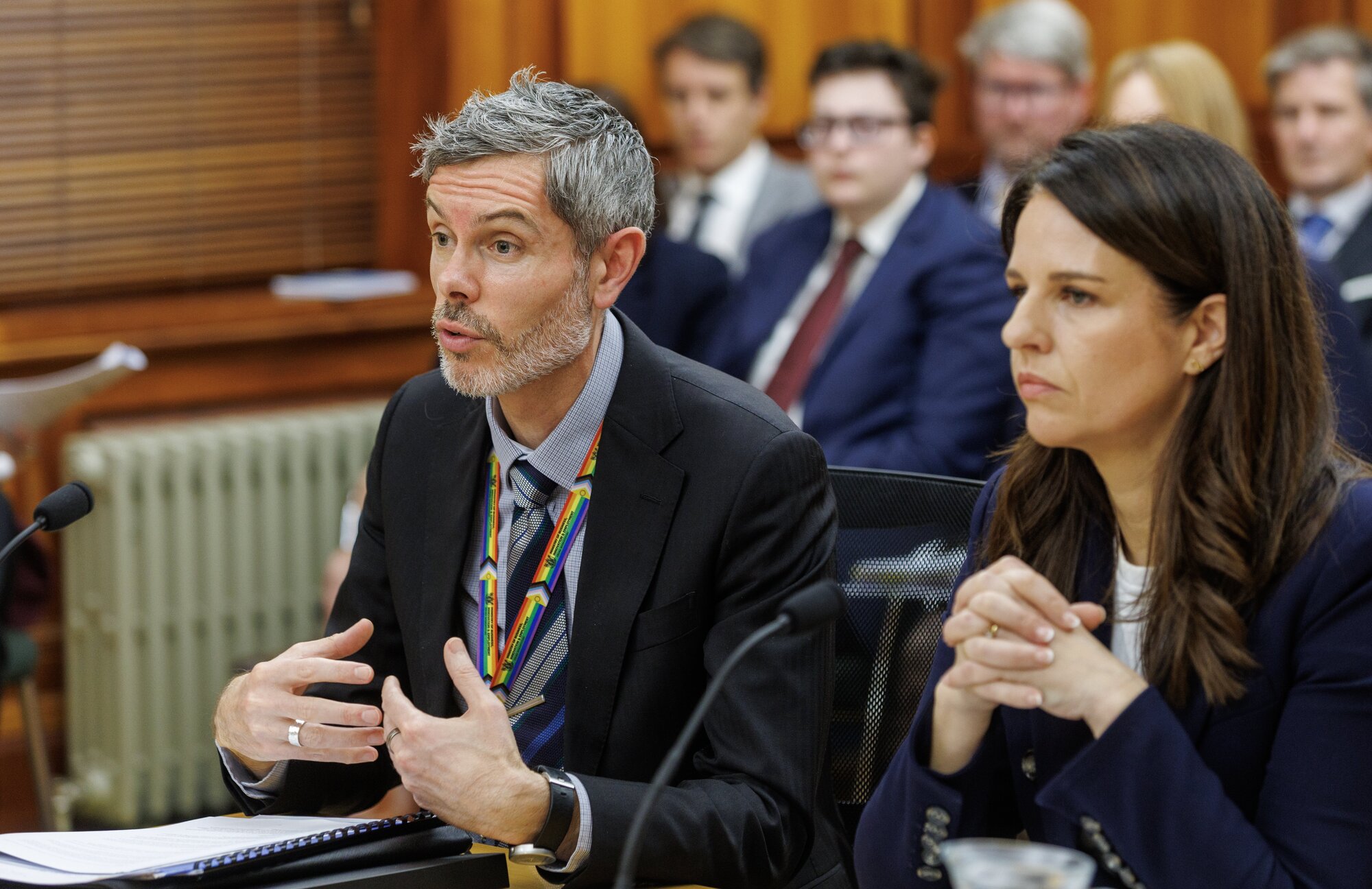
Roche added that part of the investigation would assess whether a “cultural problem” existed among immigration officials, citing previous complaints.
“I don’t have a view at this point, but if you’ve got three ministers basically saying, ‘We’ve got concerns’, that would be a trigger for me to actually do more work and that’s what I’m doing.”
One of those ministers was Andrew Little, a former Labour minister who held the immigration portfolio for some months in 2023.
In August 2023, Little announced, without telling officials, a review into the accredited employer work visa scheme, partly because he had concerns about the quality of advice he was receiving.
“I kept on being assured for weeks and months that it was all going hunky-dory and it clearly wasn’t and I got to a point where I just didn’t accept what I was being told.
“I always found Immigration difficult to deal with.”
Little said he sympathised with Stanford over what he considered to be “outrageous conduct” by officials and felt it was a job for the commission to investigate whether a cultural issue existed.
Little conceded the use of “creative accounting” to avoid Cabinet scrutiny was not unheard of, but he said he had never seen it as “unashamedly” as had been revealed.
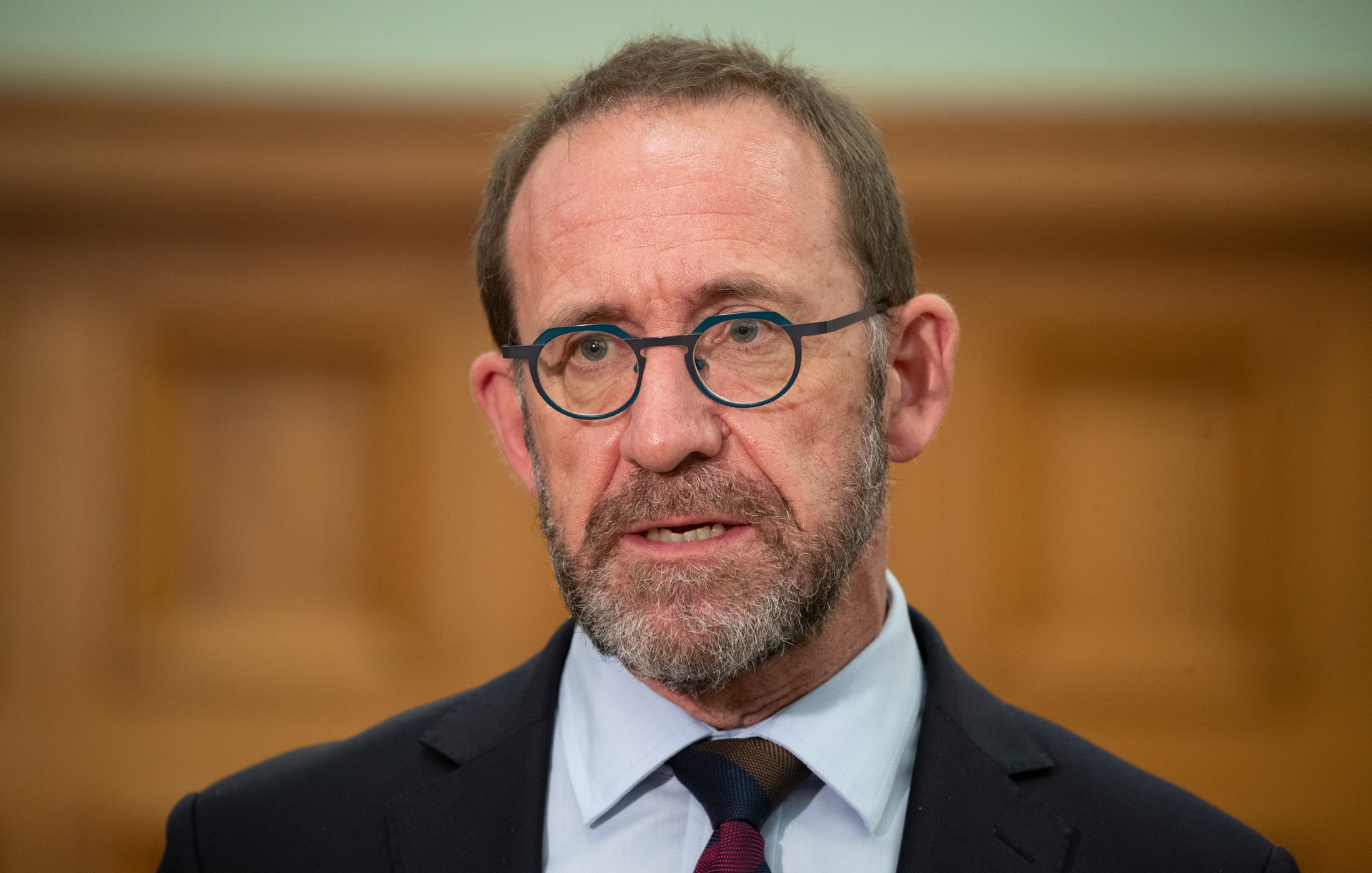
During his time as minister, Little had been involved in decisions related to the IT project. Stanford today said she couldn’t see whether former ministers had appropriately interrogated the project.
Little said he recalled officials approaching him advising an increase to the project’s funding but he declined it.
“I couldn’t see what the benefits were they were trying to get and I wasn’t clear about what the long-term cost was going to be and, on that basis, I didn’t agree to fund it any further.”
Adam Pearse is the Deputy Political Editor and part of the NZ Herald’s Press Gallery team based at Parliament in Wellington. He has worked for NZME since 2018, reporting for the Northern Advocate in Whangārei and the Herald in Auckland.