Thomas Coughlan: Labour thinks New Zealand is very broken – it’s not promising to fix it
ANALYSIS
Three facts:
Labour went back to the old classics at its party congress in Wellington this weekend, partially reviving a Covid-era plan to increase subsidies for apprenticeships.
The policy extends a $500 a month subsidy for employers who take on apprentices from one year to two years and expands its eligibility. The original scheme began in 2020 and had funding which was set to expire in 2024. The coalition kept the scheme alive, but trimmed back its scope.
The policy revives the best and worst of the Covid years.
By the end of the decade, Labour thinks 27,000 people could be in subsidised apprenticeships, helping to bring unemployment down, particularly among the young, which is becoming a major problem.
In the March quarter, 14.4% of people aged 15 to 24 were not in education, employment or training (a group collectively called NEETs), the highest figure (outside of one Covid quarter) since 2009.
There’s a strong social investment case for holding our neoliberal nose and subsidising apprenticeship places, given the ample evidence that young unemployed people often grow into old unemployed people.
A decade-old study reckoned NEETs collectively were missing out on $1.3 billion in earnings, while costing the Crown about $1b over a period of one to three years.
The per capita cost of each NEET was about $22,000 ($31,000 adjusted for inflation) over the same period. If successful, a policy costing $12,000 to shift one of these people into the labour market is a good investment.
Employers, who complain about skilled labour shortages but don’t want to pay to fill them, understandably love the scheme too. Free money, as veterans from Labour’s 2020 campaign remember, is popular with rich and poor alike.
But the flaws of Covid policy are present in the scheme too.
There are no eligibility criteria restricting the size of firms that could access the scheme. Large overseas construction firms including those that structure their businesses to pay little tax locally can now access their slice of $226 million in public funds to train staff they could probably afford to train themselves.
The money for the scheme comes from the operating allowance, the sliver of funding set aside each year to fund the growing cost of most core services like health and education (but not things like benefits and superannuation).
The last time Treasury published an estimate, in the 2024 Budget, $2.5b was needed just to stand still, particularly in health. Raiding those allowances, currently set at just $2.4b a year, for this policy means that it will come at the expense of other core cost-pressure top-ups (if you think that’s bad, National’s $1.1b KiwiSaver scheme announced last week plays exactly the same trick).
Welcome to election year, in which every party promises to get your services working again, while simultaneously cutting future spending on those services to fund their big ideas.
That money, at least until the first surplus by the traditional Obegal metric in 2030, will all be borrowed.
The other problem is rather more difficult to solve. The structural weaknesses in New Zealand’s economy, combined with what is effectively a common Australasian labour market, mean there’s every incentive for those trained by the scheme to migrate offshore, following the subsidy money itself.
Without finding some way to lift New Zealand living standards, governments will continue to find themselves in the embarrassing position of asking today’s Kiwi taxpayers to pay for the training of tomorrow’s Australian taxpayer.
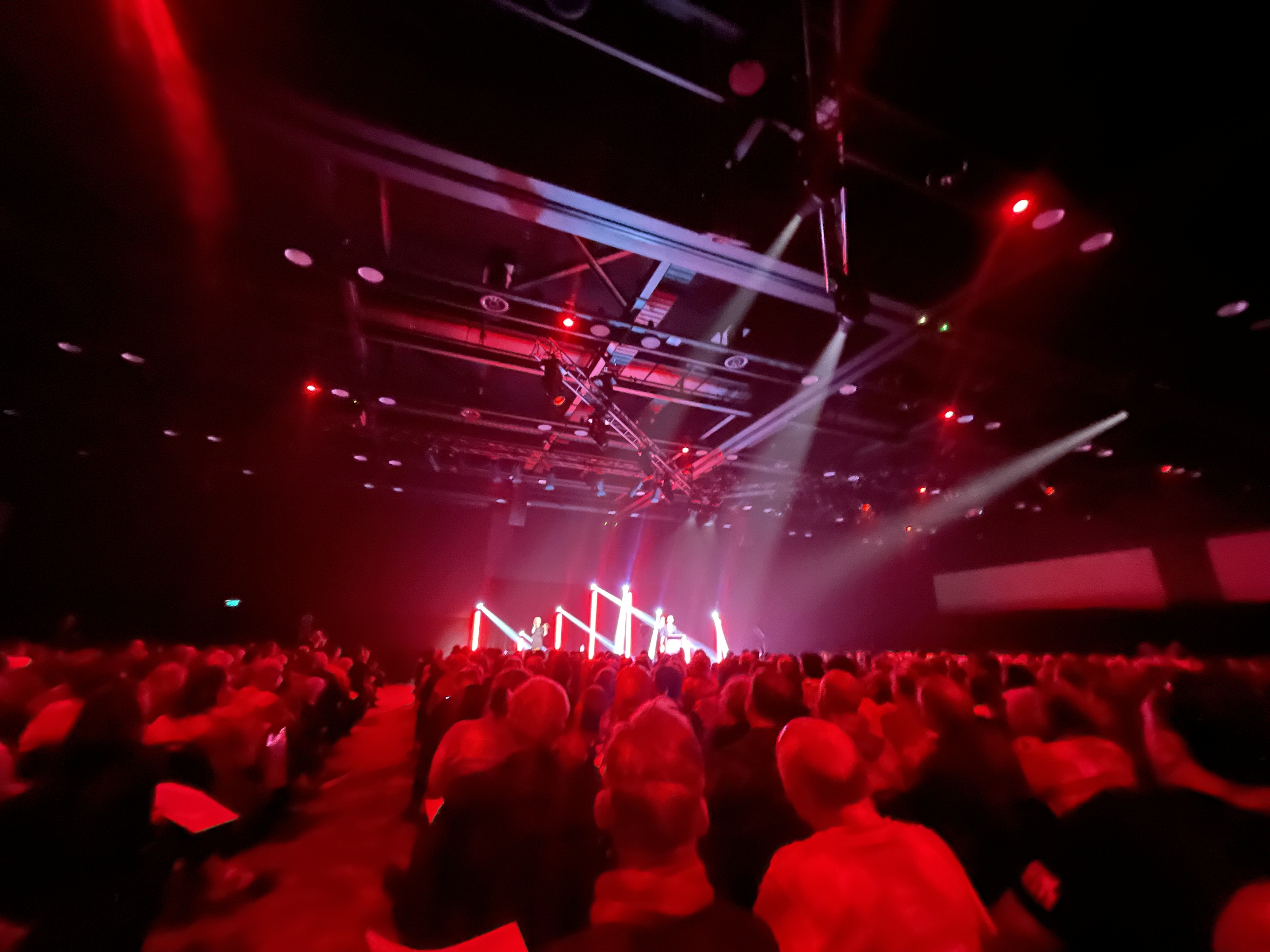
The policy went down a treat when it was announced at Labour’s congress in Wellington on Sunday.
It probably won’t have people talking all week like National’s KiwiSaver policy, which is a more ambitious ploy to reshape New Zealand’s fiscal and economic architecture, but it shows Labour is still the party of workers. And the Wellingtonians gathered for this year’s congress probably have a more intimate experience of the vicissitudes of the modern Labour market than the cashed-up consultants and public servants that gathered in the city for the 2023 version.
Wellington is a home crowd for Labour, and Hipkins’ speech went down extremely well with the party faithful, who cheered, jeered, and shouted “shame” at all the right moments, bar a section on Labour’s mysterious Future Fund, about which even party members seem bored or sceptical.
Hipkins’ lines seem destined to do quite well on the campaign too – they’re not dissimilar from the lines National used to turf Labour out three years ago: the cost of living is too high, the economy isn’t performing, and it’s too hard to get ahead.
Hipkins effectively dedicated the campaign to “the people who come home shattered after a long day, then sit at the kitchen table working out how the bills are going to add up”.
He added: “They aren’t asking for much. They’re just asking for a fair go. A fair go for everyone has always been part of the Kiwi Dream”.
He then quipped, “we even had a TV show that went into bat for Kiwis who weren’t getting a fair go – under National it got cancelled”.
The gag was met with peals of laughter.
Other barnstorming lines accused “neoliberal, trickle down economics” of being a “hoax”, while promising more jobs, and complaining about Government cuts and the high cost of living.
The neoliberalism line, repeating an attack on trickle-down economics from last year, went down incredibly well – Wellington being a very different city from the one that elected Act’s first electorate MP in 1996.
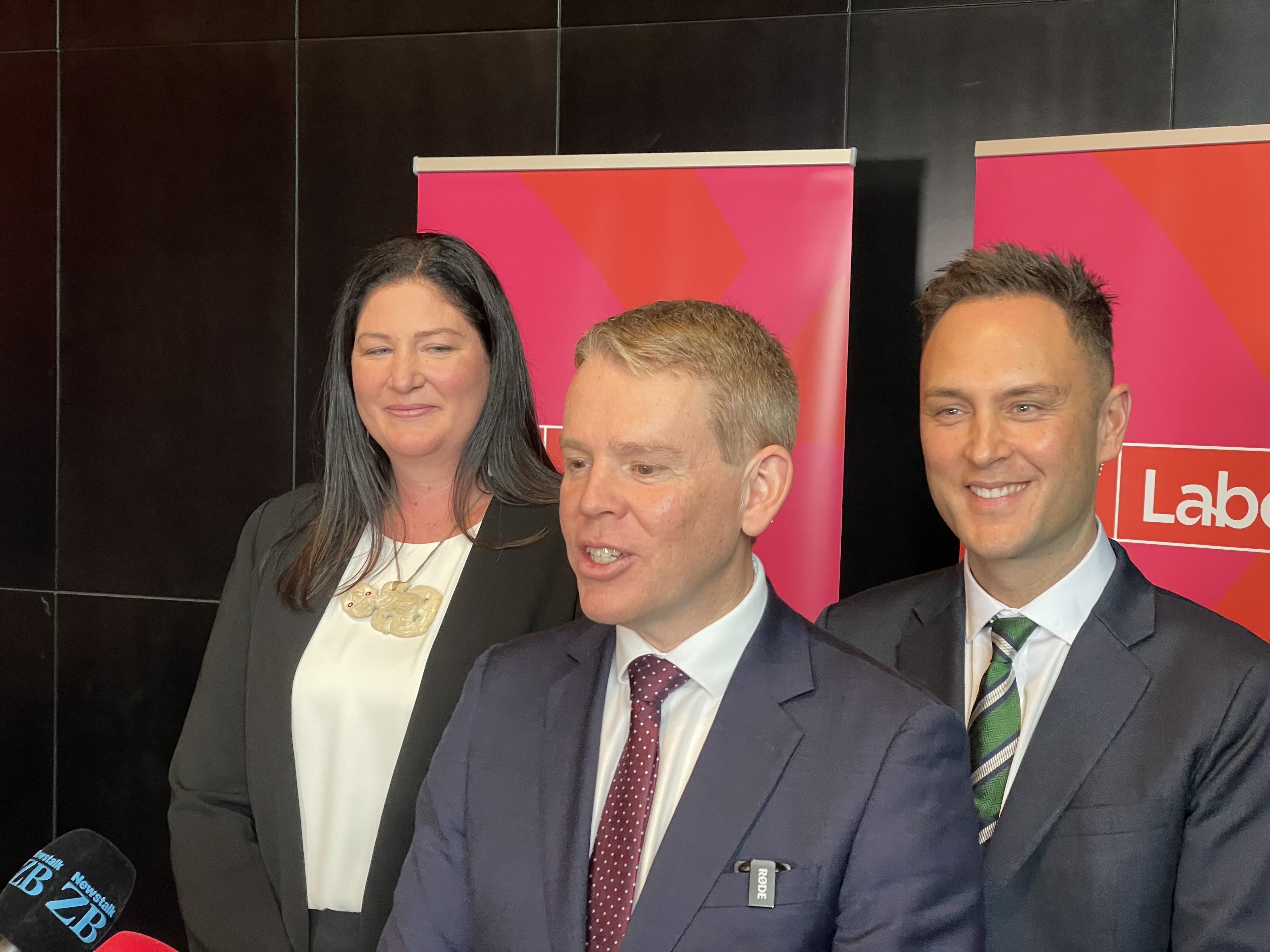
Hipkins wasn’t the only one rallying the troops (Labour still often calls members “comrades”) with ambitious rhetoric.
Deputy leader Carmel Sepuloni dedicated a significant portion of her speech to repeating the party’s promise to reinstate the old pay equity regime.
New candidate Chris Flatt remarked on his time living in Finland and the country’s impressive school lunch programme, noting that higher taxes can fund better public services (Finland’s tax revenue as a share of GDP is about 42%, according to the OECD – about a third higher than the comparable New Zealand figure).
The rhetoric from the stage was that New Zealand is quite fundamentally broken – and it resonated.
The problem, much like it was at Labour’s congress last year, is that away from the stage and away from the audience, it’s clear Labour has little appetite to live up to this rhetoric.
Despite Sepuloni saying Labour would reinstate the scheme on Saturday, and finance spokeswoman Barbara Edmonds structuring an entire speech about making her numbers add up, Hipkins, when asked by media at the conference, still couldn’t say how Labour will pay the estimated $11b cost of reinstating the pay equity scheme – he wouldn’t even say when the party will come out with its costings.
Despite the big rhetoric on stopping cuts and investing in public services, Labour hasn’t announced any changes to the fiscal settings set by the coalition.
If it sticks to its promise of not lifting the super age, these settings will actually mean real-terms cuts to health and education spending over the coming decade, according to a Treasury briefing drawn up two years ago to warn of the consequences of not getting on top of superannuation costs. Treasury warned these cuts would involve “reducing access to health and education services” and an “implied reduction in their quality”.
The paper was drawn up as a warning to Finance Minister Nicola Willis – but with National eyeing changes to super policy and Labour not, the warning is more applicable to Labour’s fiscal policy than National’s.
No one thinks this is Labour’s policy, and yet with its superannuation commitment locked in, alongside a pledge for no additional taxes beyond its CGT, it very much is.
And despite many in the room (including, one would think, a few public servants), applauding Hipkins’ attacks on the coalition’s cuts, Hipkins, away from the crowd in the media room, wouldn’t even commit to not following through on the $2.4b in public service cuts the coalition (minus some vagaries around MFAT) has promised in the next three years, saying only that a public service policy was coming.
Many of the applauding crowd would have been left with the impression that Labour, if elected, would stop the cuts. Asked quite explicitly by media whether Labour would stop the cuts, Hipkins only promised to eventually set out a “difference in priorities to this Government”.
No commitment to stop the cuts?
“We’re going to focus on winning the election first.”
The party seems to be repeating the mistake of the United Kingdom Labour Party, which won an election arguing the country was fundamentally broken, but with a party leadership that had little or no appetite to make any substantial changes.
That same rhetorical dissonance is Labour’s biggest problem at the moment. It’s very keen to make the case that everything is broken – it’s very reluctant to promise anything that lives up to fixing it.
Towards the end of the press conference, Hipkins was asked about the “Fair Go” gag in his speech – one of the parts that arguably went down best with the crowd.
How would Labour bring it back?
Hipkins dissembled a bit, noting the show was iconic and that it was once filmed at Avalon, in his electorate, before it moved up to Auckland along with almost everything else.
He conceded that its cancellation was ultimately the result of “programming decisions” made independently by TVNZ.
He didn’t commit to reinstating Fair Go should Labour win.
New Zealanders looking for a fair go, may need to continue channel hopping – current polling suggests they’re getting very comfortable doing so.