Top paediatrician warns more babies will suffer as RSV drug still unapproved
In the final part of our series on child health marking the 25th anniversary of Kidz First children’s hospital, leading paediatricians tell investigative reporter Michael Morrah that we’re failing to prioritise children, some of whom will succumb to preventable diseases this winter.
One of the country’s top paediatricians says more breathless babies will be admitted to hospital resuscitation rooms this winter while an antibody injection for one of the leading causes of preventable childhood illness remains unapproved and unfunded.
Dr Adrian Trenholme, who worked as a paediatrician for 46 years before retiring in April, says not having the ability to prevent Respiratory Syncytial Virus (RSV) before his retirement was a source of deep frustration.
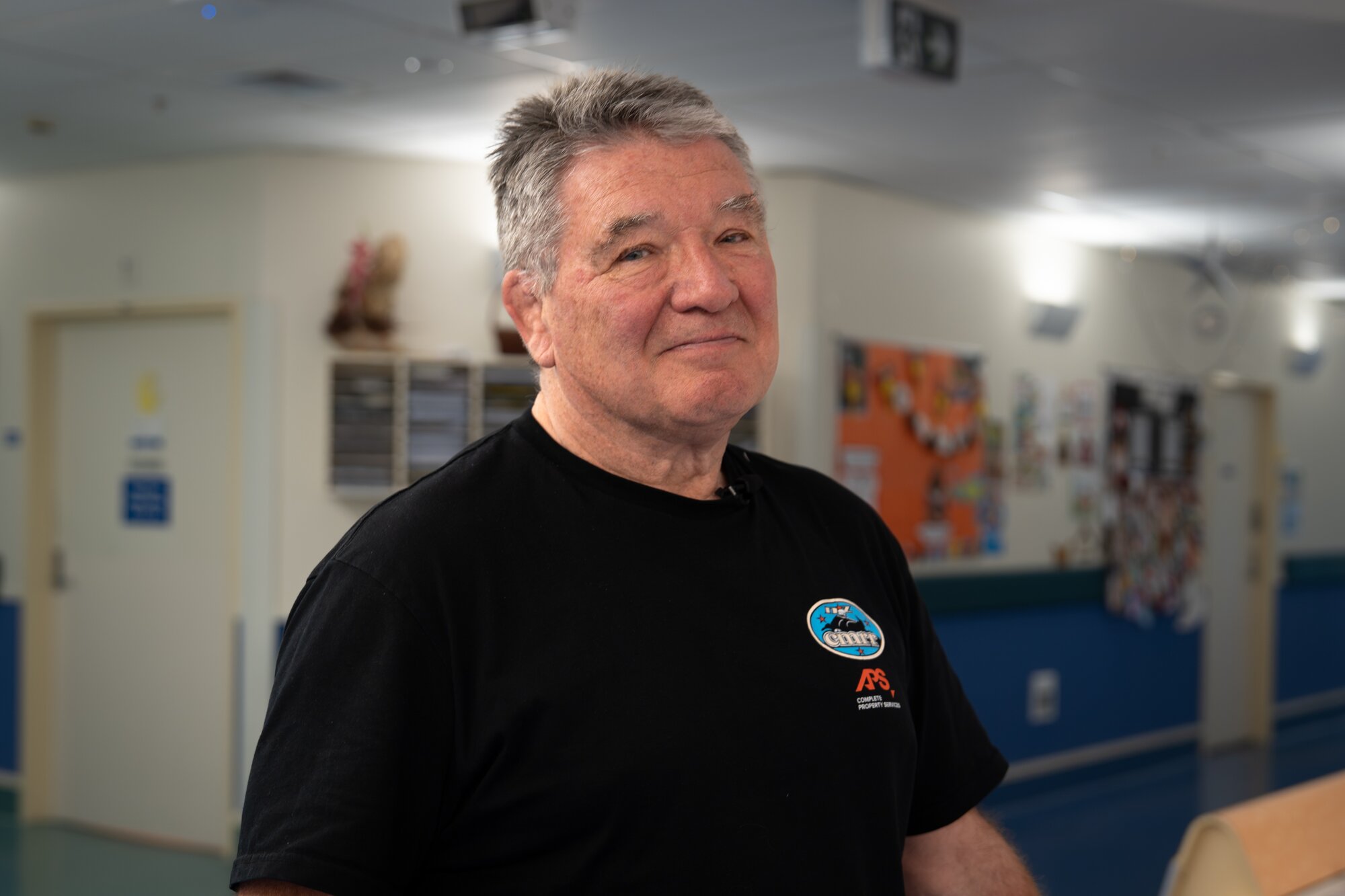
On a ward at Kidz First, where Trenholme spent much of his career, he tells the Herald that RSV – a potentially deadly lung infection – is “40% of the game” when it comes to under-5s being hospitalised.
“I’ve watched every winter, I’ve been in these [hospital] rooms, I’ve seen kiddies struggling to breathe, mums crying, upset, distraught, shouting at me, having to send them [children] to intensive care with no treatment for RSV.”
Trenholme says it’s particularly frustrating knowing that a breakthrough antibody injection is widely available but has yet to be approved, despite New Zealand being the RSV “capital of Australasia”.
Australia approved the use of single-dose nirsevimab – marketed as Beyfortus – more than two years ago.
“I’m really fed up at the moment,” Trenholme says. “In 40 years, I’ve been waiting to prevent RSV and that stuff [the antibody] is available worldwide. It’s being looked at here, but [in the meantime] we have another winter with RSV impacting our kids.”
RSV is a potentially deadly lung infection that disproportionately affects Māori and Pacific children. Health NZ figures show it led to 1558 child hospitalisations nationally in the year to June last year.
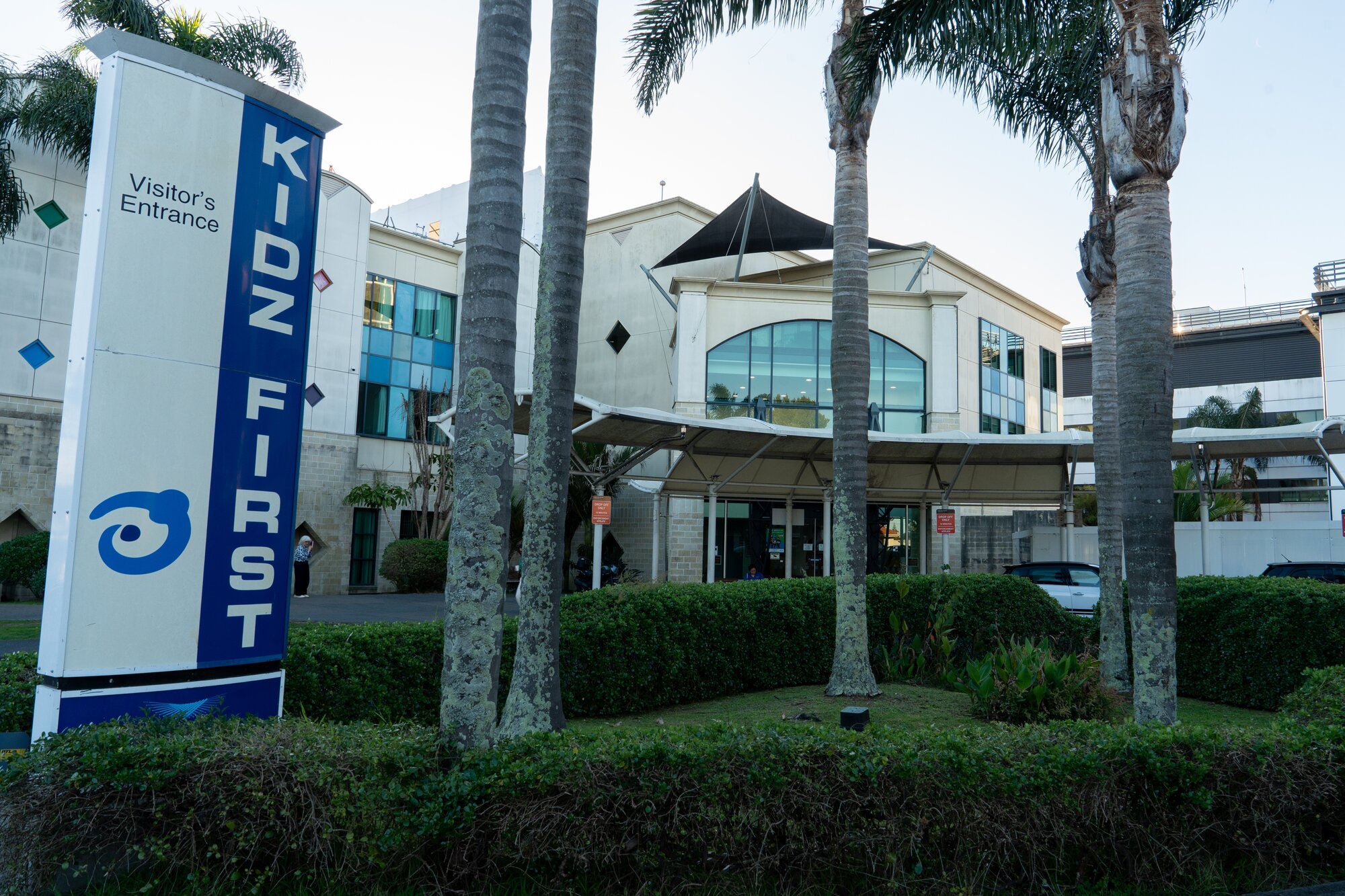
Medsafe has told the Herald that an “initial assessment” of nirsevimab was completed earlier this year, and it has requested further information before deciding whether to approve the drug.
Meanwhile, the Government’s drug-buying agency, Pharmac, is also in an assessment phase.
Pharmac’s advice and assessment director, Dr David Hughes, says the agency’s immunisation advisory committee has recommended nirsevimab be funded with “high priority”, but multiple factors are being weighed up, including its benefits compared with current treatments, its cost, and other funding priorities.
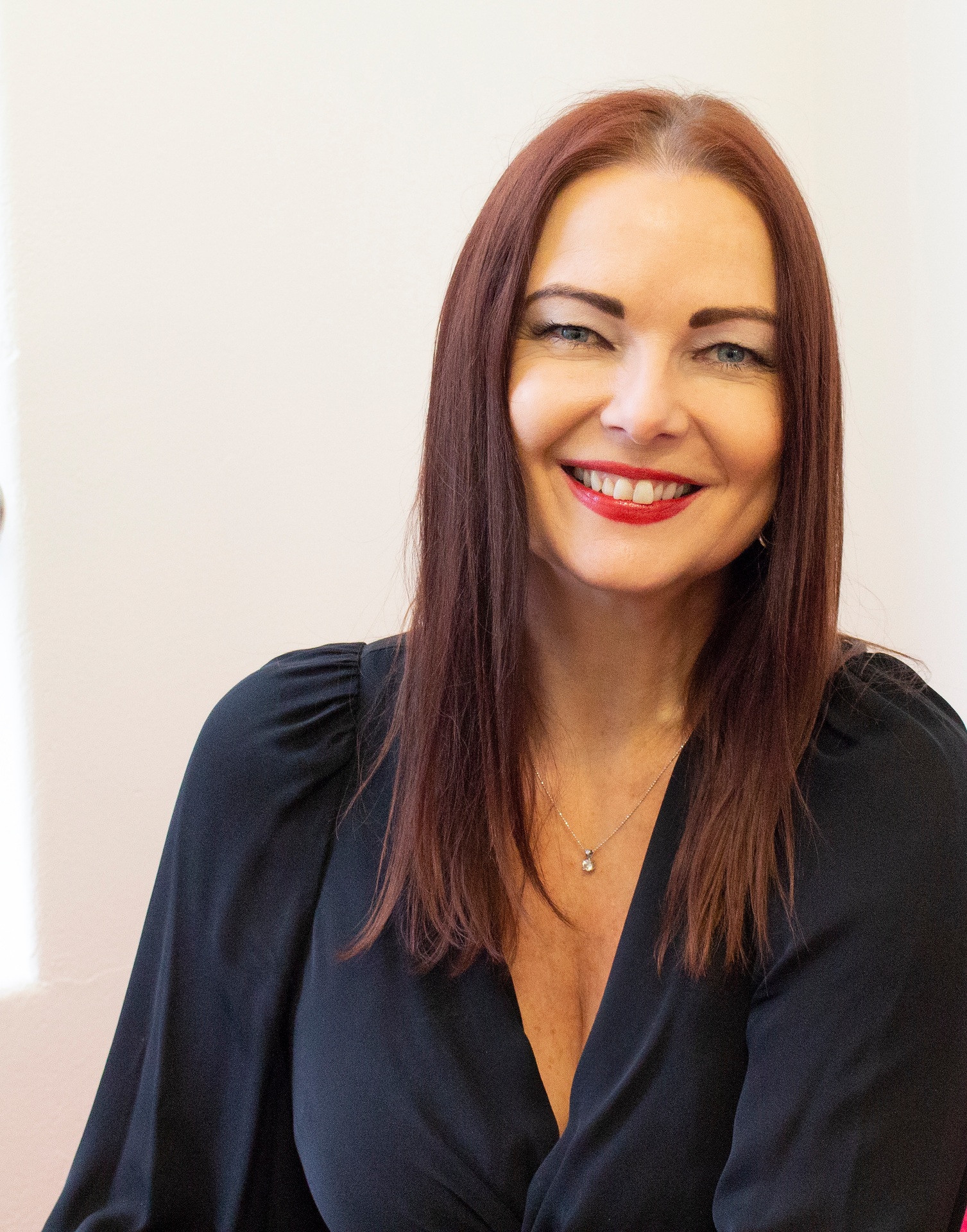
The Asthma and Respiratory Foundation NZ’s chief executive, Letitia Harding, says nirsevimab has been shown to prevent 80% of RSV hospitalisations among infants and children.
“It’s a no-brainer. I don’t know why it’s taking so long. This needs to be funded.”
She is frustrated that authorities appear to be “obsessed” with reassessing drugs when, in the case of a medicine like nirsevimab, there’s ample international evidence backing it.
“These kids should have had it a month ago [before winter]. We’ve missed the boat, and we’re wasting money reinventing the wheel. It is frustrating because we can prevent these hospitalisations for these kids.”
Hughes says he appreciates it is an important issue for families and clinicians, but he cannot say when or if nirsevimab will be funded.
NZ’s ‘incredible burden of disease’
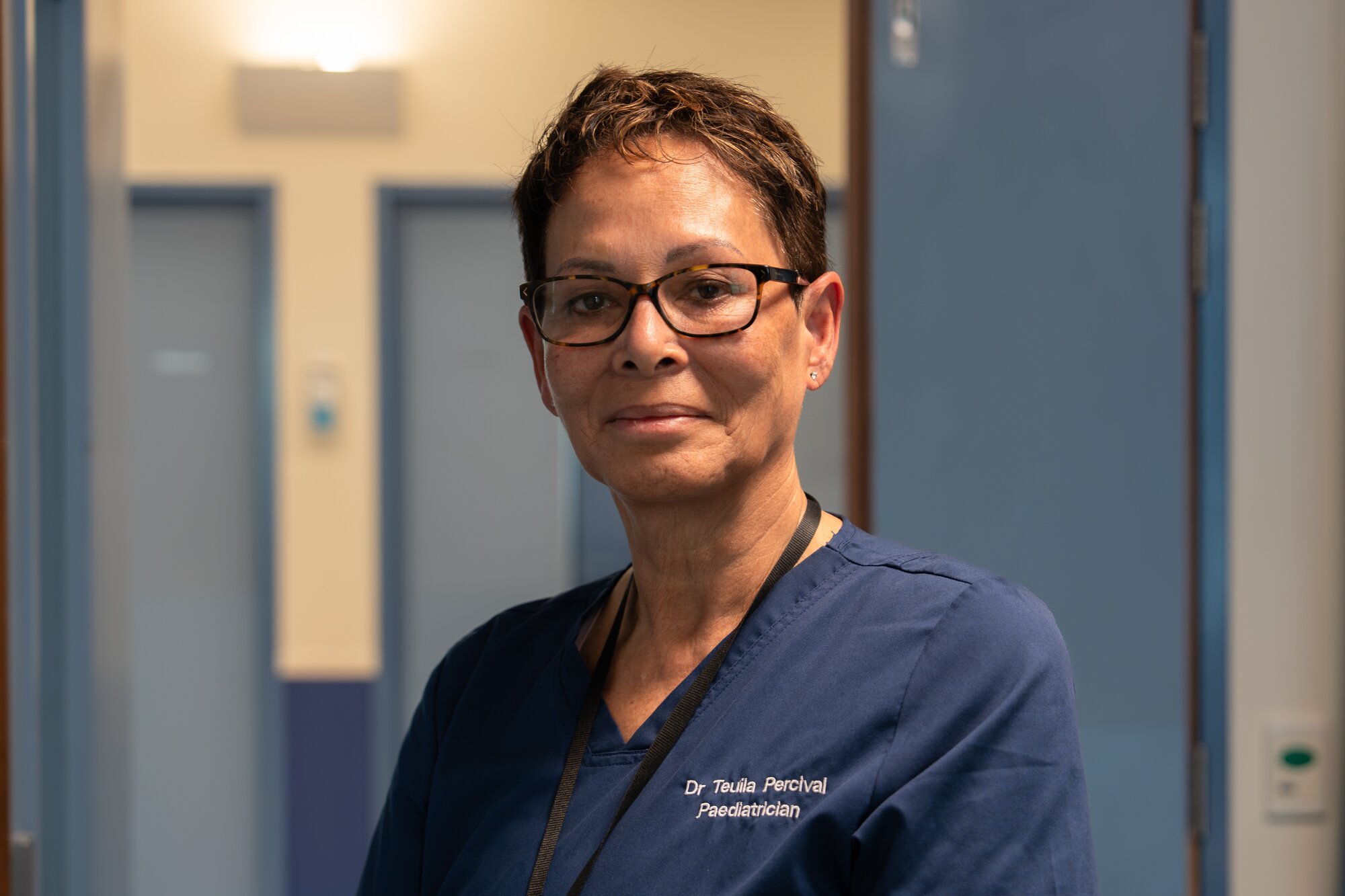
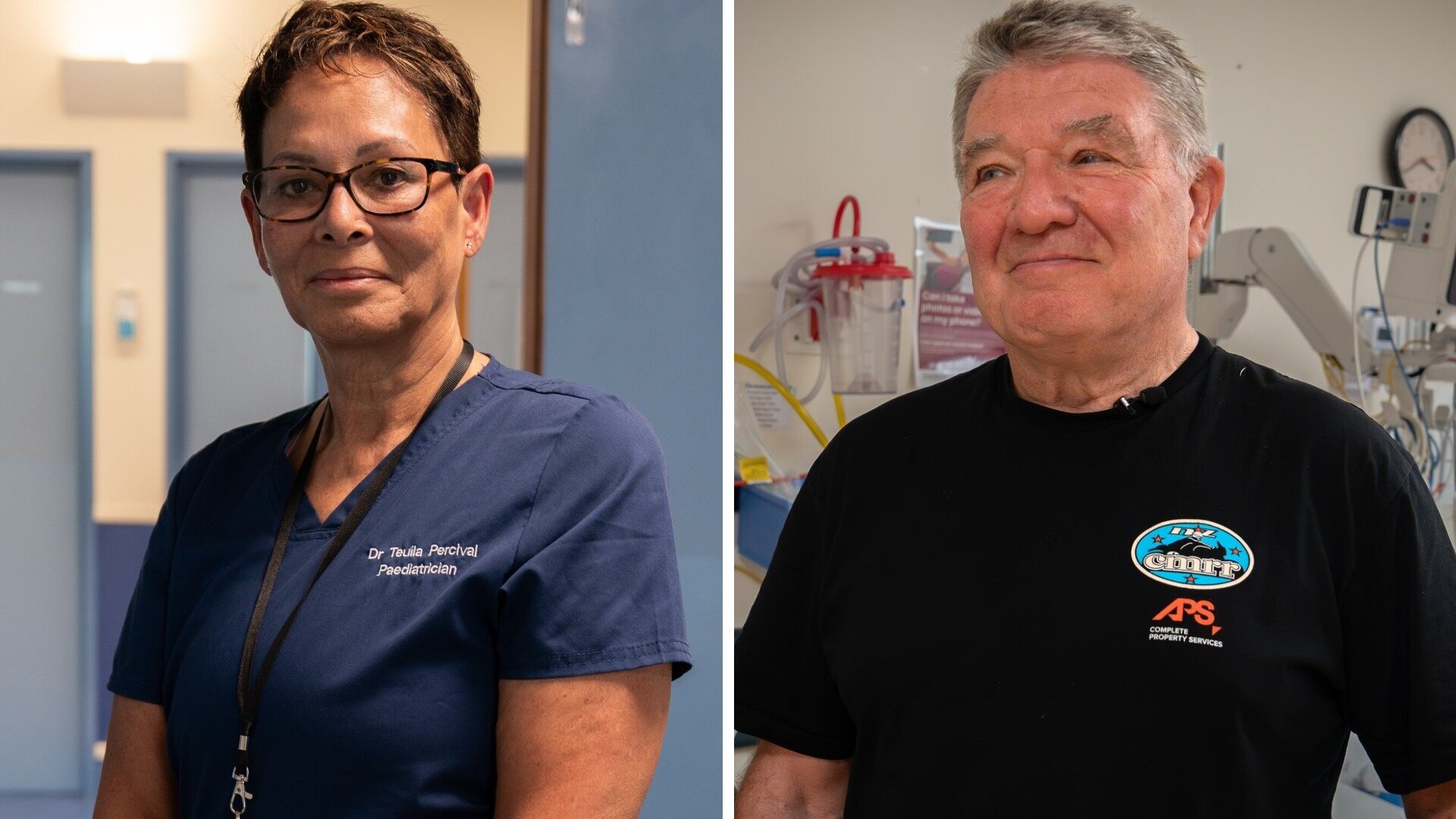
Consultant paediatrician Dame Teuila Percival says New Zealand children are suffering when they shouldn’t, amid an “incredible burden of disease”.
“We see kids with really bad pneumonia, chronic lung disease, children who are very, very unwell in New Zealand much more than you’d see in any other place.”
She gives the example of rheumatic fever, which she says is “unusual” in other countries, but not in South Auckland.
“Half of the rheumatic fever in the country happens here in South Auckland.”
Trenholme agrees: “I trained in England and never saw a case of rheumatic fever. It was considered a strange disease.”
Percival, who was made a dame in 2023 for services to health and the Pacific community, says it’s the basics, such as cold or crowded homes, that continue to put children at risk.
She believes efforts to improve housing by various Governments have amounted to “tinkering”, and intervention is needed on a larger scale.
Asked whether factors contributing to poor child health have improved in recent years, she says, “To be honest, I don’t think they are particularly.
“I’m not seeing a lot of kids that sleep in cars anymore, but I see kids who are living in garages, or situations where you’ve got four kids and their parents living in one room. That’s what I saw 10 years ago.”
‘The kids are the future’
Families do their best, but many are struggling financially, and some lack transport to access healthcare, she says.
Delayed wait times to see general practitioners are an important issue impacting families.
She gives the example of children being admitted to Kidz First with advanced infected scabies, a common infection that can be easily treated if caught early.
“It’s not the families’ fault. It’s hard to access good healthcare at the moment.”
She does not think children are given enough priority in New Zealand.
“The way to be a successful country is to invest in your children. We can stop investing too much in older people.”
Health NZ figures provided to the Herald detail the main reasons children are admitted to Kidz First hospital in South Auckland.
In the past year, 1548 were admitted with respiratory issues, including influenza, pneumonia, bronchiolitis and RSV.
A total of 424 were on a ward for skin infections such as eczema and cellulitis, 90 for rheumatic fever and rheumatic heart disease, and there were 14 admissions for whooping cough.
Trenholme refers to the admission data as a “list of disgrace” and agrees with Percival that a shift in investment priorities is needed.
“It’s about how we prioritise kids and where we put our health dollar. We’re facing burgeoning superannuation costs. The kids are the future.”
Both Trenholme and Percival have worked at Kidz First since it opened 25 years ago, and in that time, there have been big improvements in many areas, including patient rooms, which now include beds for children’s parents, and specialist teams have been trained to help autistic children.
The Middlemore Foundation, which funded the creation of a sensory room for autistic patients, was essential in getting the hospital built more than two decades ago after raising $5 million in donations from the community.
Progress has also been made with vaccination rates to arrest formerly prevalent illnesses such as meningococcal disease.
Despite such progress, Trenholme and Percival say staff will once again be under pressure this winter, seeing children with diseases that can be prevented.
Click here to donate to the Kidz First Children’s Hospital 25th Birthday Appeal. Donors make a difference through things like Jammies for June, revitalising the neonatal ward’s end-of-life room, take-home child safety kits, mobility aids, glasses and hearing support, and the annual Kidz First Christmas party.
Michael Morrah is a senior investigative reporter/team leader at the Herald. He won News Journalist of the Year at the 2025 Voyager Media Awards and has twice been named reporter of the year at the NZ Television Awards. He has been a broadcast journalist for 20 years and joined the Herald’s video team in July 2024.
are