Toxic anti-worming drug for animals, levamisole, found in NZ party pills and powders
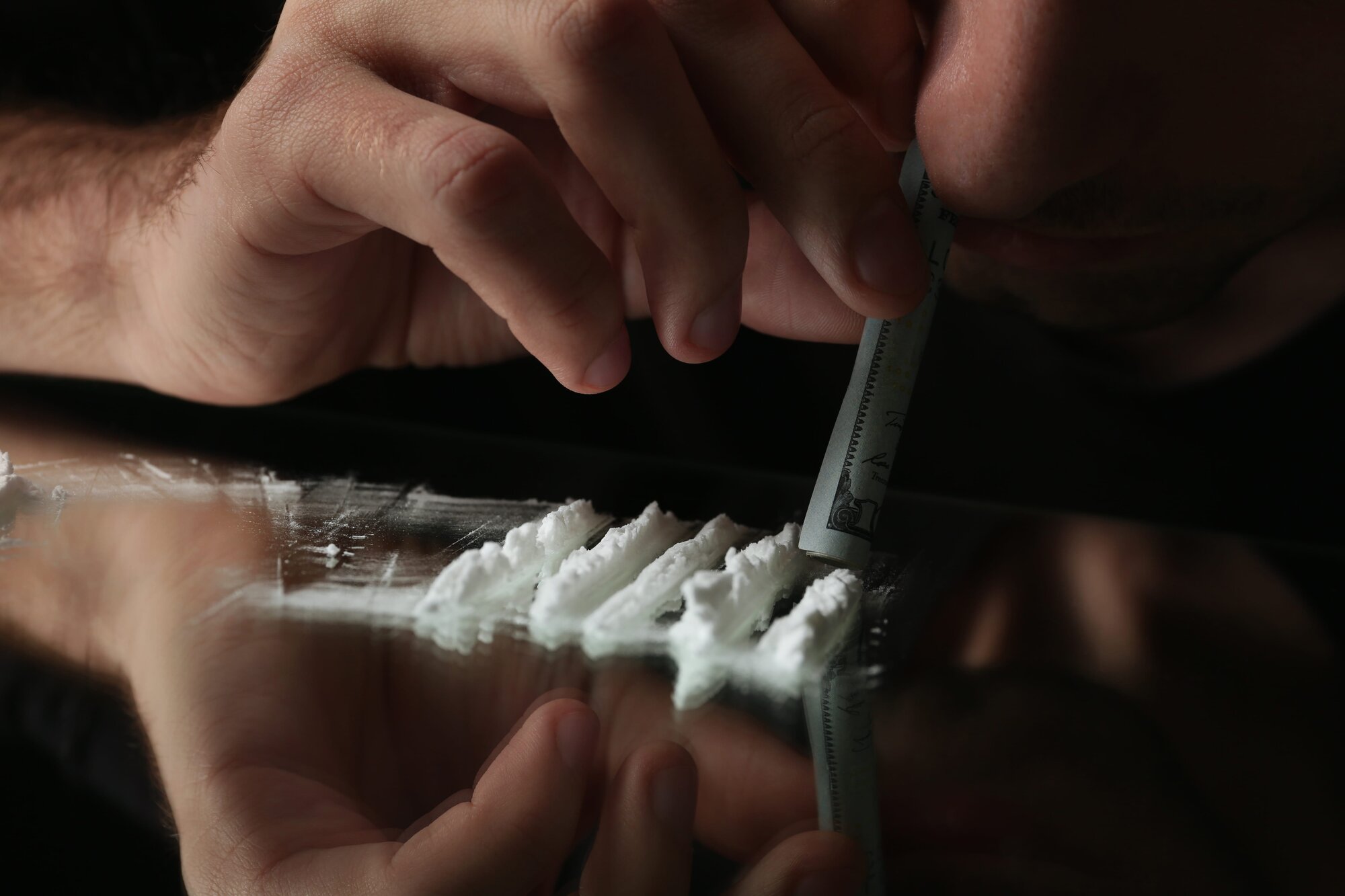
As Class A drug use soars in New Zealand, recreational drug testing has revealed traces of a banned anti-worming drug added by dealers – to increase the volume of their illegal products.
High Alert, the national drug early warning system, is blowing the whistle over harmful levamisole detected in samples given by members of the public to drug checking providers.
Levamisole was developed in the mid-1960s as an anti-worming agent – but it was banned for human use decades ago by the US Food and Drug Administration because of serious side effects.
In New Zealand it is available for use by vets only – and is an ingredient in some livestock worming drenches.
Its discovery in “a wide array of substances within New Zealand” has alarmed High Alert, with the agency telling the Herald that even a single exposure to the drug can lead to “significant effects”.
International research has revealed severe reactions to the drug overseas – from nausea, vomiting, fatigue, joint pain and diarrhoea, to destroying white blood cells, leaving people vulnerable to life-threatening infections, and causing skin tissue death.
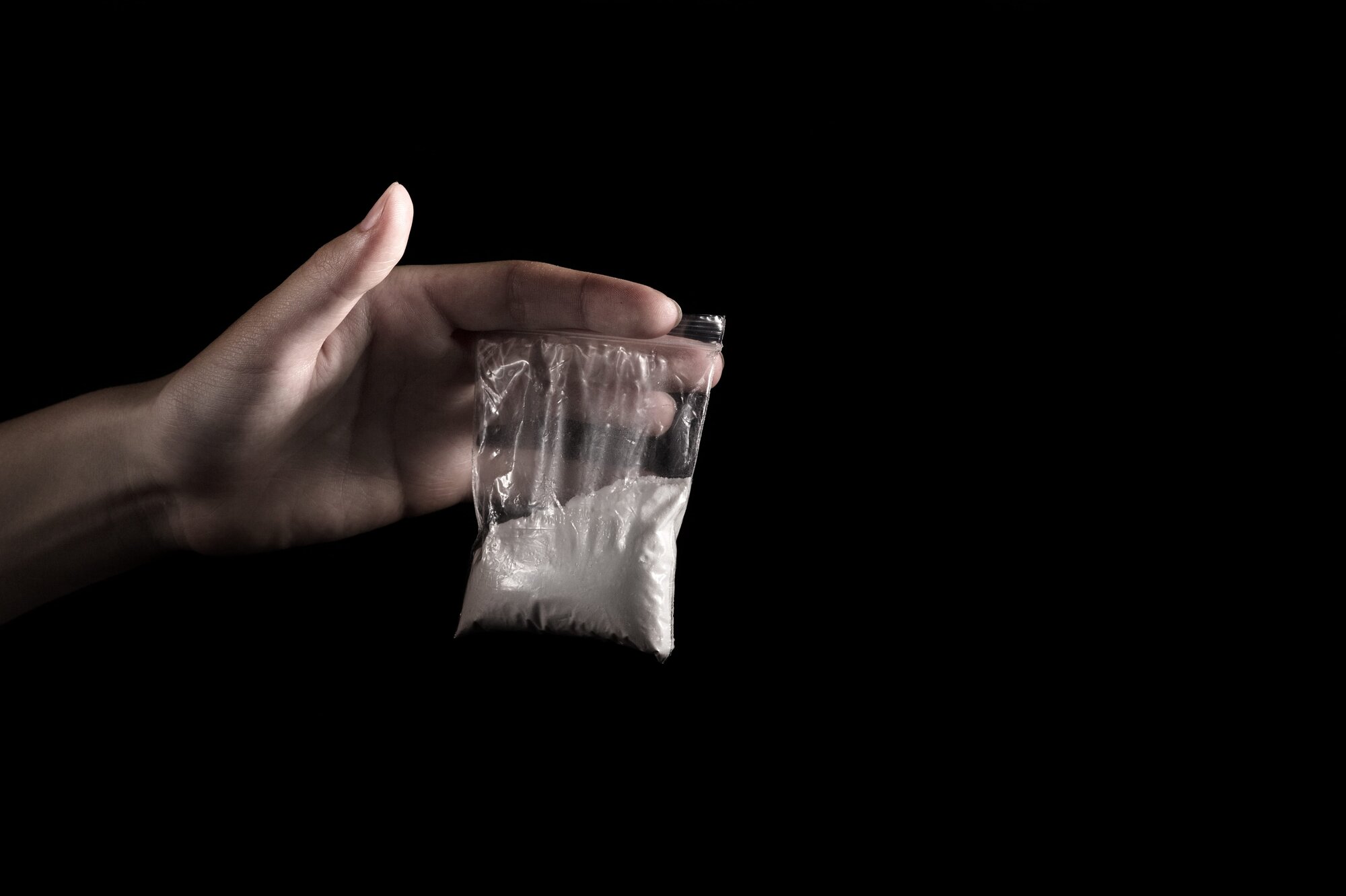
High Alert supervisor Jem Vermeulen told the Herald it wasn’t entirely unexpected to find levamisole circulating here, as it is prevalent in international drug markets.
The drug has long been used to surreptitiously bulk up illicit cocaine in the US, increasing profits for dealers.
“We are always concerned about reports of levamisole, especially ... misrepresented as other substances. It’s likely we’ll continue to see it appear in a wide range of substances within New Zealand, which may lead to harm.”
Vermeulen said levamisole had been detected in NZ samples of apparent cocaine, amphetamine, ketamine, methamphetamine, ephedrine and MDMA.
It had been used as a cutting agent – a substance added to a drug to increase its volume and in some cases addictiveness.

Testing by High Alert “across the whole country” had also revealed some cases where substances purported to be Class A drugs were in fact straight levamisole.
High Alert first alerted the public to levamisole after detecting it in 2024 – and its presence in New Zealand has increased since then.
Vermeulen said it was always concerning when drugs turn out to not be the substances recreational users were sold.
“The risk of harm increases when someone doesn’t know what they’re taking – including the risk of overdose due to incorrect dosing or unintended drug interactions.
“Over the last 12 months, and where a result was known, 5% of substances presented to drug checking clinics did not match what was presumed and 2% only partially matched.”
High Alert is operated by Drug Information and Alerts Aotearoa New Zealand (DIANZ), which is governed by the Police National Drug Intelligence Bureau.
Drug checking is free and legal in New Zealand – and in many cases government-funded.
Licensed drug checking providers include the charity Know Your Stuff NZ and the NZ Drug Foundation, which both receive government health funding.

A variety of home test kits for recreational drug users are also available for sale online.
The growing presence of levamisole comes as Class A drug use is surging in New Zealand.
Data released by Police last year showed cocaine use had increased 43% in the third quarter of 2025 compared to the previous three months.
Methamphetamine use also doubled in 2024.
Neil Reid is a Napier-based senior reporter who covers general news, features and sport. He joined the Herald in 2014 and has 34 years of newsroom experience.
Sign up to The Daily H, a free newsletter curated by our editors and delivered straight to your inbox every weekday.