Wellington cryptosporidiosis outbreak: Nearly 60 cases now reported in wider region
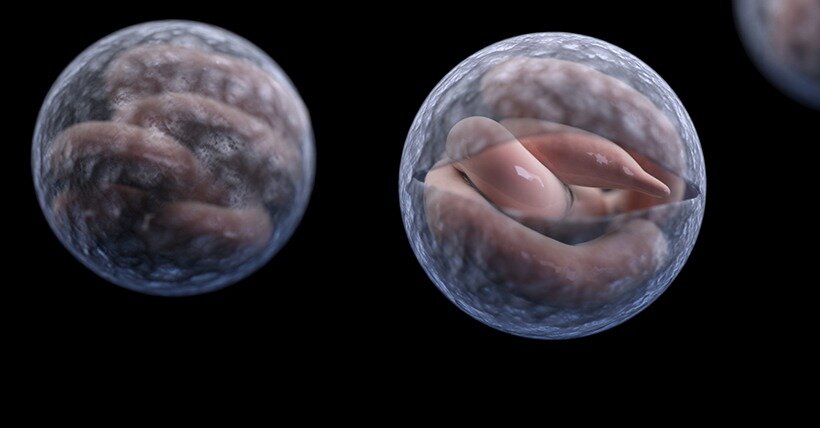
There have now been nearly 60 cases of a “brutal” and highly contagious parasitic stomach bug circulating in the wider Wellington region.
The numbers have already soared past what would normally be expected in a whole year, ESR figures show.
Cryptosporidiosis - which one woman said was so bad she nearly called an ambulance - started spreading in the Hutt Valley a few weeks ago with links to public swimming pools, and has now leaped to Wellington, Porirua, Kāpiti and Wairarapa.
As of Saturday morning, central region medical officer of health Stephen Palmer said there had been 59 confirmed cases of the bug in the Greater Wellington region since the start of the year.
“The majority of cases are from the Hutt Valley area,” he said in a statement.
Of the total cases, 37 resulted from people who used a pool or had contact with an ill household member who used a pool.
“It is likely that there are more cases in the community because not everyone reports being unwell with crypto,” Palmer said.
In 2023, which is the last year ESR has data for, there were 31 cases of the illness in the Capital and Coast and Hutt Valley DHB areas. In 2022 there were 42.
“Health NZ has alerted all pools to the current increase in gastro illness. When there is increased crypto illness in our communities it is recommended that all pools take additional action to reduce the likelihood of the crypto bug circulating in their pool system,” Palmer said.
“We have also issued advice to early childhood centres across the Greater Wellington region as crypto can spread easily, especially among younger children.
“Crypto is a gastro bug that causes vomiting and diarrhoea, and people can remain infectious for up to two weeks, which is why good hygiene and cleaning practices are important. People who have been unwell must not swim for two weeks after diarrhoea has stopped – crypto can still spread for two weeks after the illness has gone away."
Lower Hutt woman Sarah, who is only being referred to by her first name, last week said her husband and 1-year-old son caught the bug and were so violently ill “I nearly called an ambulance”.
“[My husband] was on the toilet at 2am screaming for me to go get a bucket,” she told the Herald.
“I ran down to get a bucket and came back and he’d passed out from overheating, pretty much, but it was almost like a seizure. His eyes were open and he was leaning back.
“I freaked and went to get my phone to call an [ambulance], and slapped him and he came to.”
She said his body temperature was extremely high and he was sweaty, shaking and could not keep any water down.
“Anything he took came straight back out. He was also getting super-intense stomach cramps, it was incredibly painful for him.”
She joked the experience was an example of “through sickness and health, pretty much”.
Meanwhile, her toddler was “vomiting and sh***ing left, right and centre”.
He was “really hard to wake”, but was “happy enough” when he was conscious.
Sarah said the bug was “brutal”.
Health officials have confirmed cryptosporidiosis cases were connected to the toddler pool at Te Ngaengae and the hydrotherapy pool at Huia.
In response, Hutt City Council closed and disinfected both pools using high doses of chlorine and ultraviolet light in accordance with public health guidelines.
“As soon as we were made aware, we took immediate action,” read a statement at the time from Hutt City Pools + Fitness.
“Both pools were closed and underwent an intensive treatment process … There is no indication there had been further cases from the complex.”
As a further precaution, several pools were drained and refilled.
“We have decided to close the shallow leisure and deep leisure pools at Te Ngaengae … and the Huia hydrotherapy pool so they can be fully drained and refilled with fresh water.”
Health recommendations include:
The parasite cryptosporidium can cause vomiting, cramping and diarrhoea, and is not easily detected in regular pool-water testing.
Fact sheets and swimming guidelines are available through the Health NZ website.
Melissa Nightingale is a Wellington-based reporter who covers crime, justice, and news in the capital. She joined the Herald in 2016 and has worked as a journalist for 10 years.