Wellington’s population set to be outstripped by Tauranga and Hamilton’s within 25 years
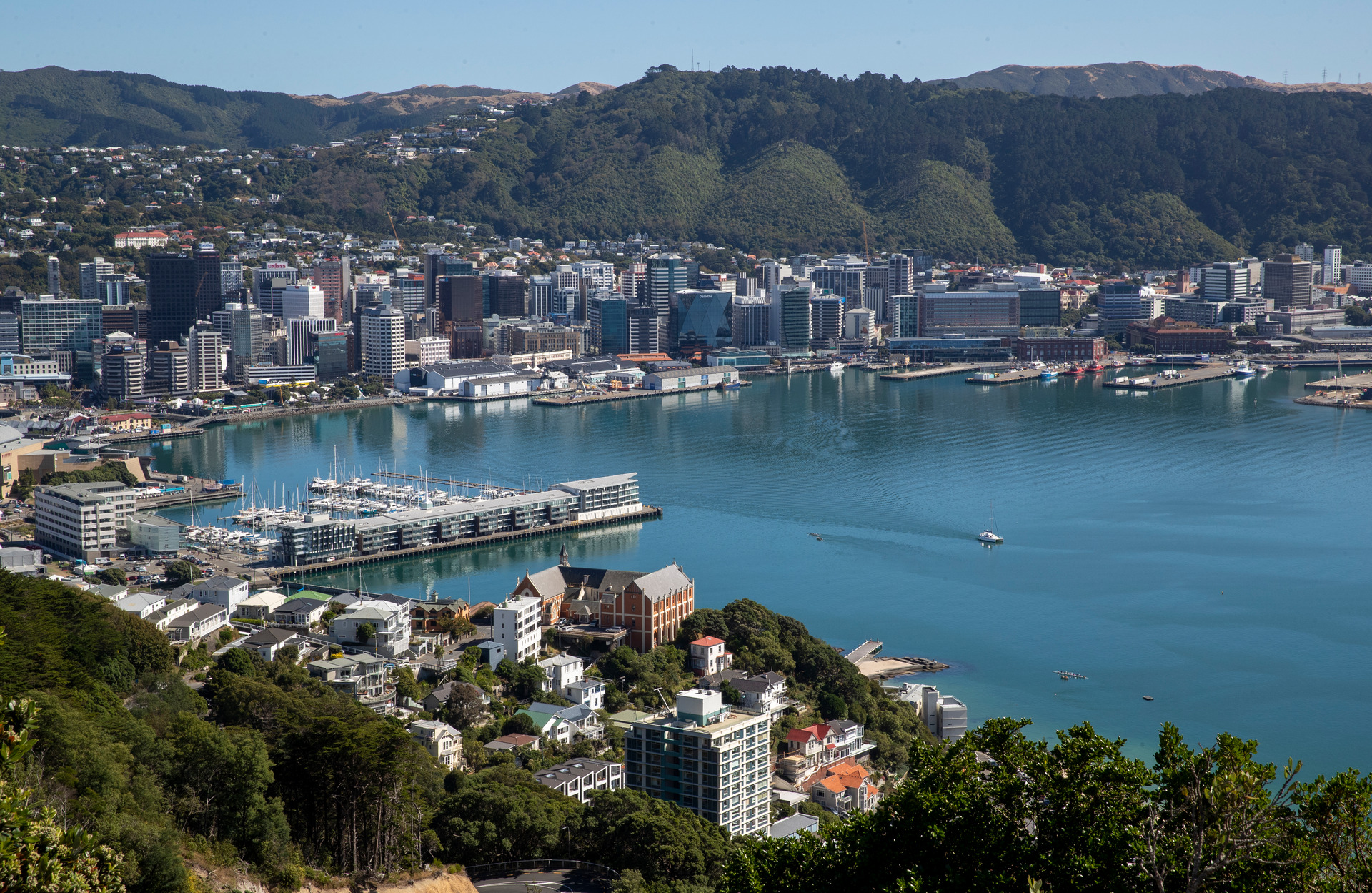
Wellington is on track to drop from New Zealand’s third-largest city to the fifth in less than 25 years as the capital’s population stagnates and Tauranga and Hamilton surge ahead.
The numbers are at odds with Wellington City Council’s own ambitious forecasts, which predict double the growth of the new projections from Stats NZ.
It follows troubling numbers from the most recent Census, which found the capital is the only city not growing, with a loss of 48 people.
The slow growth poses an issue for the city, with the council facing increasing costs, but spread across a smaller base of ratepayers to fund it.
Wellington’s population at last count was 209,800, with the new forecast estimating growth of only 0.3% annually to 228,900 by 2048.
The council’s own estimates are far bolder, with the authority envisioning 50,000-80,000 new residents over 30 years, and planning for such growth in its long-term plan.
The Stats numbers show Tauranga’s population is predicted to go from 171,200 to 232,000 in the same time, with 1.5% growth each year, while Hamilton’s forecast growth of 1.4% annually would take it from 184,100 to 262,000 people.
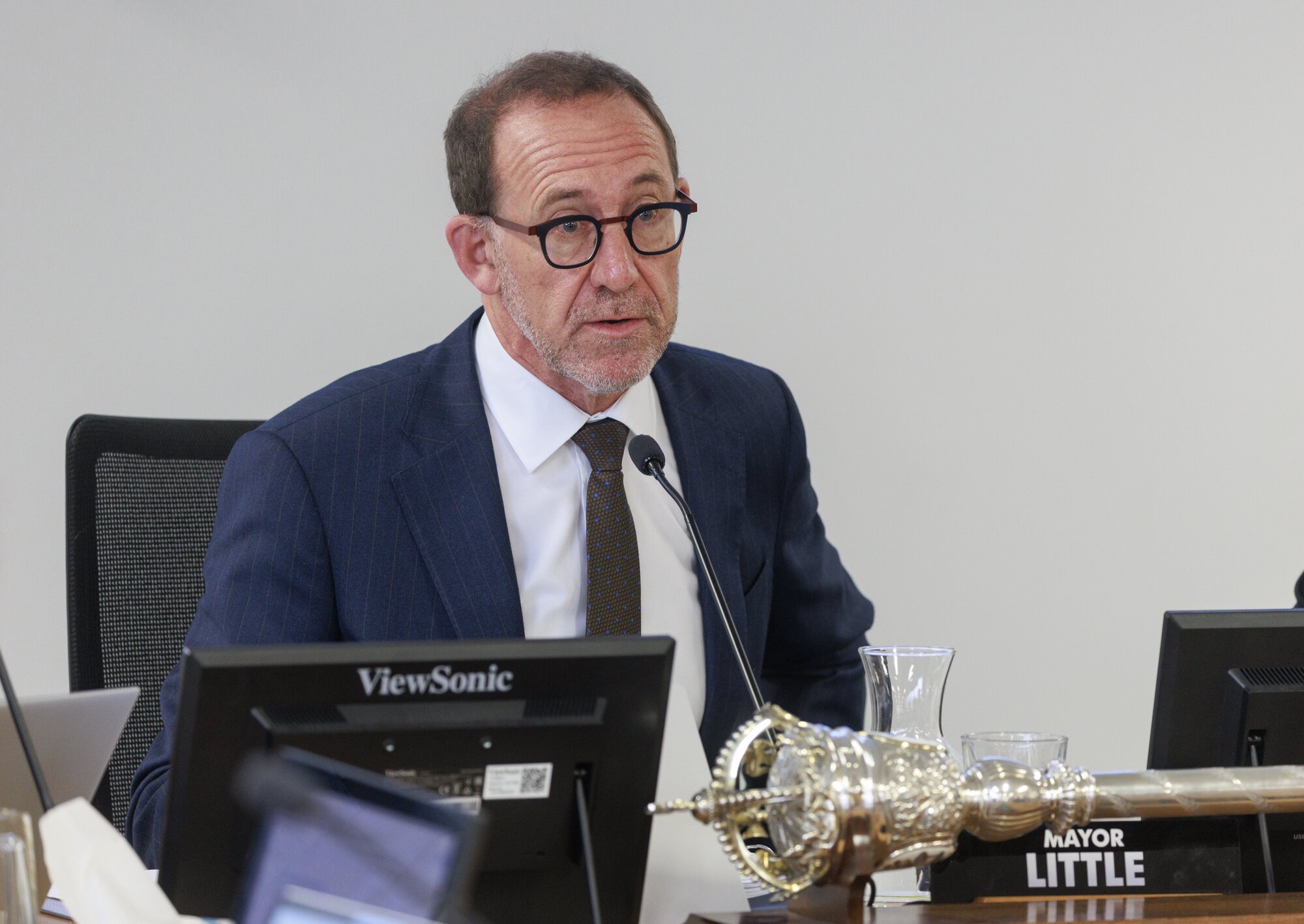
The lack of population growth was a key concern often mentioned by Wellington’s new mayor, Andrew Little, during his leadership campaign.
In an interview with the Herald about the figures, Little said it had become clear the council’s projections had not come to pass.
“There is something going on here, particularly when you look at Christchurch [which] is growing, Hamilton is growing, Tauranga is growing, so we do have to be alert to that,” he said.
Little believes affordability in the city is one of the major factors behind Wellingtonians leaving and outsiders not coming.
He wanted the council to do more to support and encourage further housing development to increase supply in the market and improve affordability.
“Affordability is one issue, the other is job opportunities”, he said.
“I think the council can play a role when it comes to its own kind of planning and economic outreach to support the industries that we know are strong here.
“It’s not about throwing large sums of money at it, it’s about making the council open and receptive to what those businesses and industries need to support them.”
While the economic fundamentals are important to encourage people to live in the capital, the city’s vibe was also critical, he said.
Despite a rough patch of job losses, business closures and the return of the perennial question of whether Wellington is dying, “Wellingtonians’ confidence in themselves” was improving, Little believed.
WellingtonNZ, the capital’s council-controlled organisation tasked with the city’s economic development, is optimistic things will improve.
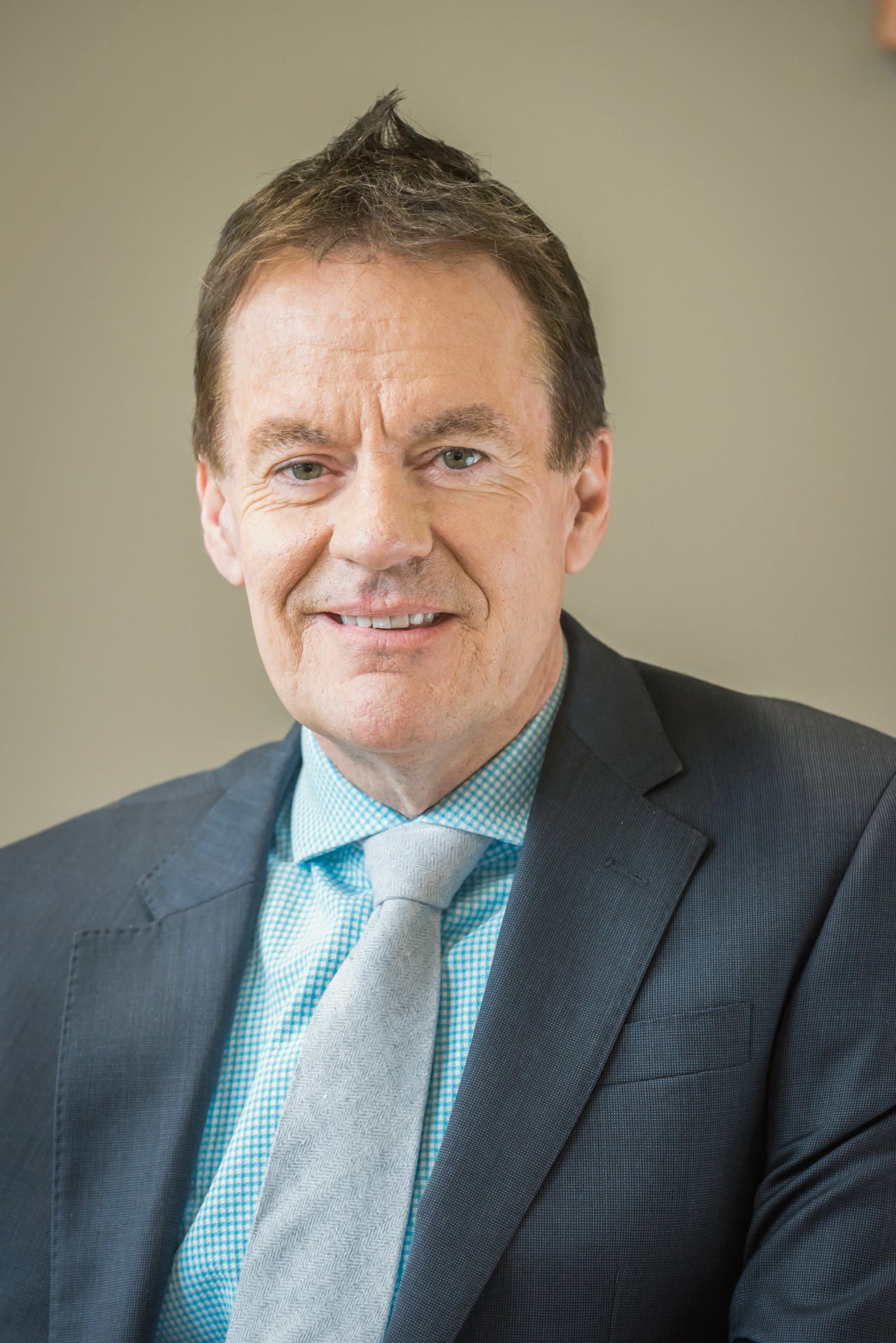
Chief executive Mark Oldershaw said while the city’s population had slowed, Wellington still had “strong fundamentals and sustained appeal as a place to live, work and invest”.
“Despite a challenging national economic context in 2024, with employment growth declining across all regions of NZ, both Wellington City and Lower Hutt recorded a net gain in international migration,” he said.
“This highlights the region’s enduring attractiveness to new residents from both within New Zealand and overseas.”
Oldershaw said the capital still had a few strong selling points, with 78% of residents reporting satisfaction – above the national average.
The city also recorded the highest GDP per capita in New Zealand, he said.
“These indicators reflect the strength of our regional economy, our creative culture and the liveability that continues to draw people to the region.”
The population predictions come off the back of a tough economic period for the capital, but a local economist believes the city may have already hit rock bottom and is now seeing signs of improvement.
Infometrics principal economist Nick Brunsdon told the Herald in August the capital was facing economic struggles largely stemming from cuts in the public sector.
“We are starting to grow off that bottom, just at a fairly slow rate,” Brunsdon said, pointing to a 0.2% GDP increase for the city’s economy from the second quarter.
Ethan Manera is a Wellington-based journalist covering Wellington issues, local politics and business in the capital. He can be emailed at ethan.manera@nzme.co.nz.