What councils can do instead of hiking rates to pay for infrastructure - On the Tiles: Local Edition
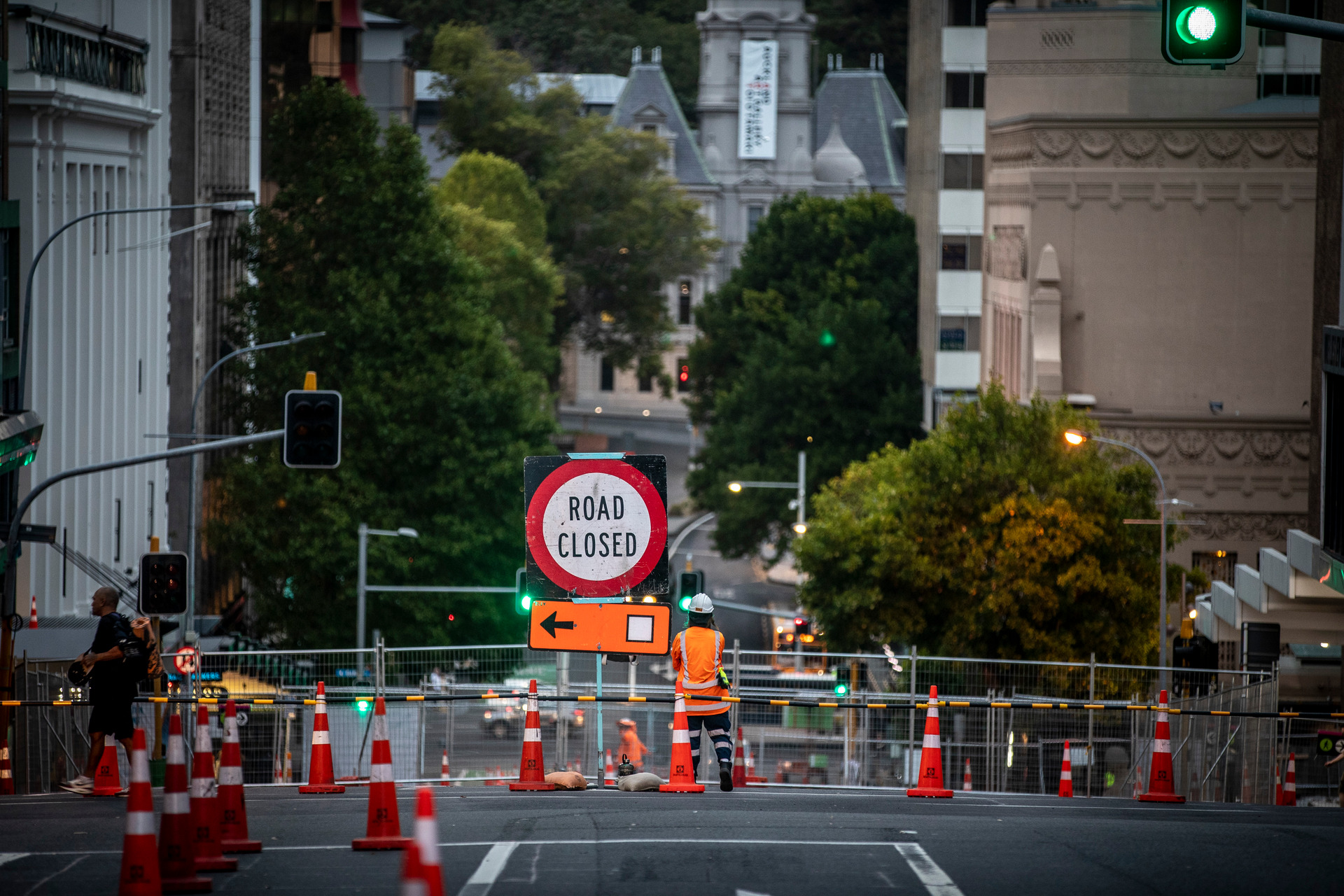
Councils across the country are grappling with an infrastructure deficit and sky-high rates but councils are increasingly using alternative strategies to fund and finance projects more creatively.
New Zealand Infrastructure Commission general manager of strategy Geoff Cooper told On The Tiles: Local Edition, the Herald’s politics podcast, that solving the problem started with a question about funding and what New Zealand could afford.
“Our assessment looking at historical data is that we can afford somewhere between 5 to 6 per cent of GDP. We might be able to push that a notch higher but not too much higher.
“What we want is really good assets to be built, ones that are valuable and we want our asset base to be maintained and also we want those assets to be really well unitilised and managed appropriately.”
This means prioritising assets that create the most value and looking at creating revenue streams that can help pay for and potentially finance the project, Cooper said.
The next question to ask is whether councils have the right tools to do this. They already have more options available to them than other places internationally, Cooper said.
“I would like to see much more use of development contributions. We have targeted rates. We have some fantastic examples of councils that have decided to use volumetric charging in their water networks that has avoided the need for big capital expenditure.
“Because volumetric charging means you have water metering, you can identify where your leaks are and all of a sudden you don’t need as much storage facility as you thought you did.”
Cooper said there were other tools not currently available but probably should be, like road pricing and congestion charging.
“As mechanisms that could very much help to smooth peak loads on our transportation infrastructure, take a small proportion of cars off the road, but actually build a significant amount of new capacity as a result of doing that.”
Meanwhile, Wellington City Council has used a special-purpose vehicle to fund a new $400m sludge facility.
This means the money raised will stay off Wellington City Council’s balance sheet providing the council with flexibility to fund other infrastructure projects within existing borrowing limits.
Cooper said this cost will look like another line item on ratepayers’ bills.
“The key point there is that the funder has not changed but what it does mean is that local governments can get around the covenants on debt to revenue ratios that are set by the Local Government Funding Authority.
“So these things are being used as a way to leverage up a little bit more, take assets off the balance sheet.”
Cooper said this model was very transparent about where the money was going but the set-up costs could be high and any cost overruns ultimately fall back with the council.
Listen to the full podcast of On the Tiles - Local Edition to hear more from Geoff Cooper about different ways councils can tackle their infrastructure challenges.
On the Tiles is available on iHeartRadio, Apple Podcasts, Spotify or wherever you get your podcasts. New episodes are available on Fridays.
This episode was hosted by Georgina Campbell, a Wellington-based reporter who has a particular interest in local government, transport, and seismic issues. She joined the Herald in 2019 after working as a broadcast journalist, and has hosted On the Tiles - Local Edition since 2022.