What is sludge? The new levy that’s about to hit Wellington ratepayers explained
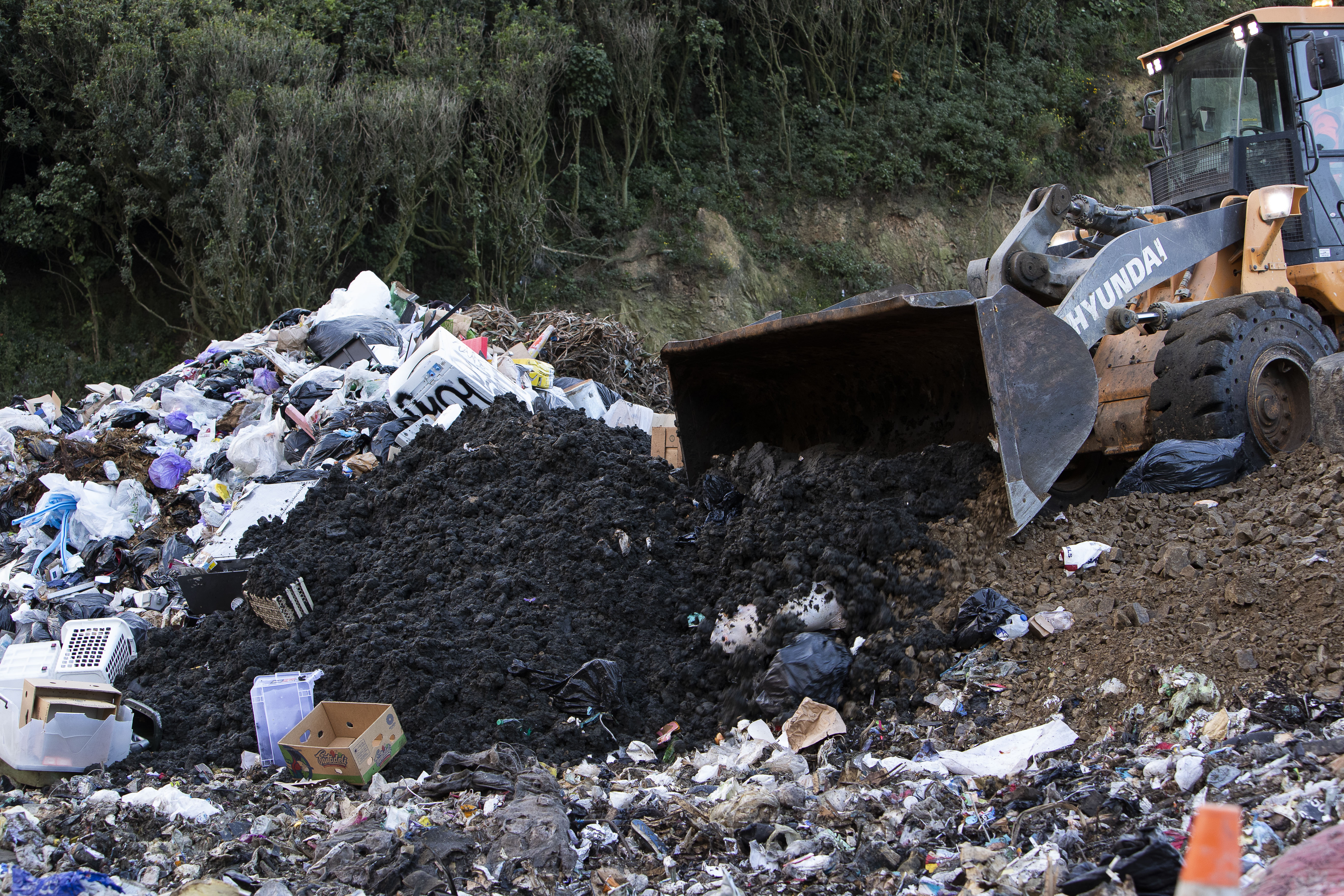
Wellington has an icky problem and it’s called sludge. It’s going to cost the city $400 million to fix and will be paid for via a special levy on ratepayers over 30 years. Georgina Campbell explains.
What is sludge?
Sewage sludge is a natural and unavoidable byproduct of the process of treating wastewater.
It has a high moisture content so it’s not easy to dispose of and can create a bad smell if it’s not handled properly.
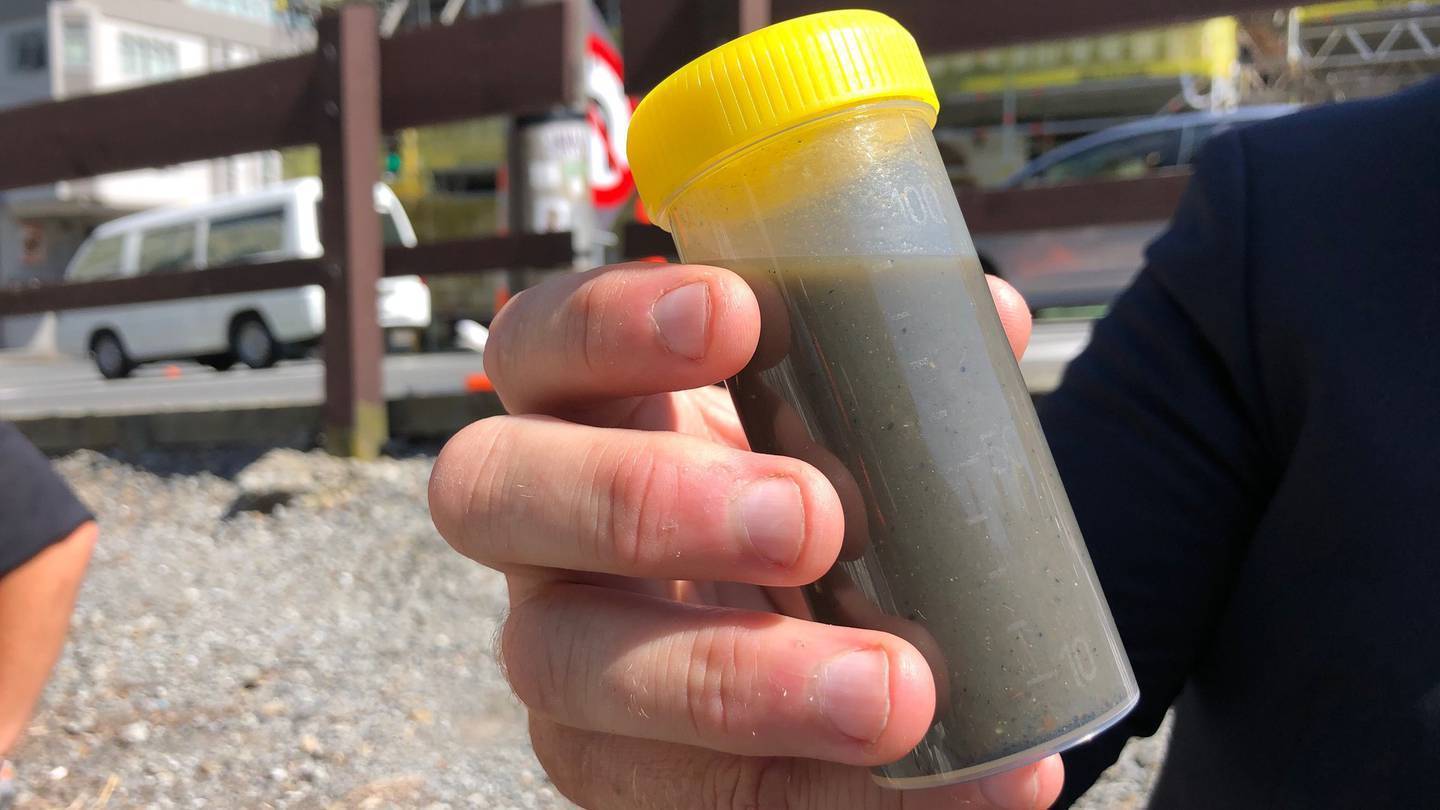
Each day, more than a million litres of sludge travels down a 9km pipeline from the city’s wastewater treatment plant at Moa Point to a dewatering plant at the Southern Landfill where it is partially dried.
This removes most of the water, leaving between 40 to 50 tonnes of sludge to be buried with landfill waste each day.
What’s the problem?
About 374,000 tonnes of sludge is processed at Moa Point annually - a quantity which is expected to increase as the population grows.
At the same time, volumes of solid waste going to the landfill are projected to decrease as the council moves on waste minimisation.
This is a problem because the sludge is currently disposed of by mixing it with solid waste, which can be no less than a ratio of one part sludge to four parts waste.
The volume of sludge being produced is already close to or will soon exceed this consented ratio so, Wellington City Council has had to come up with a new way of dealing with it.
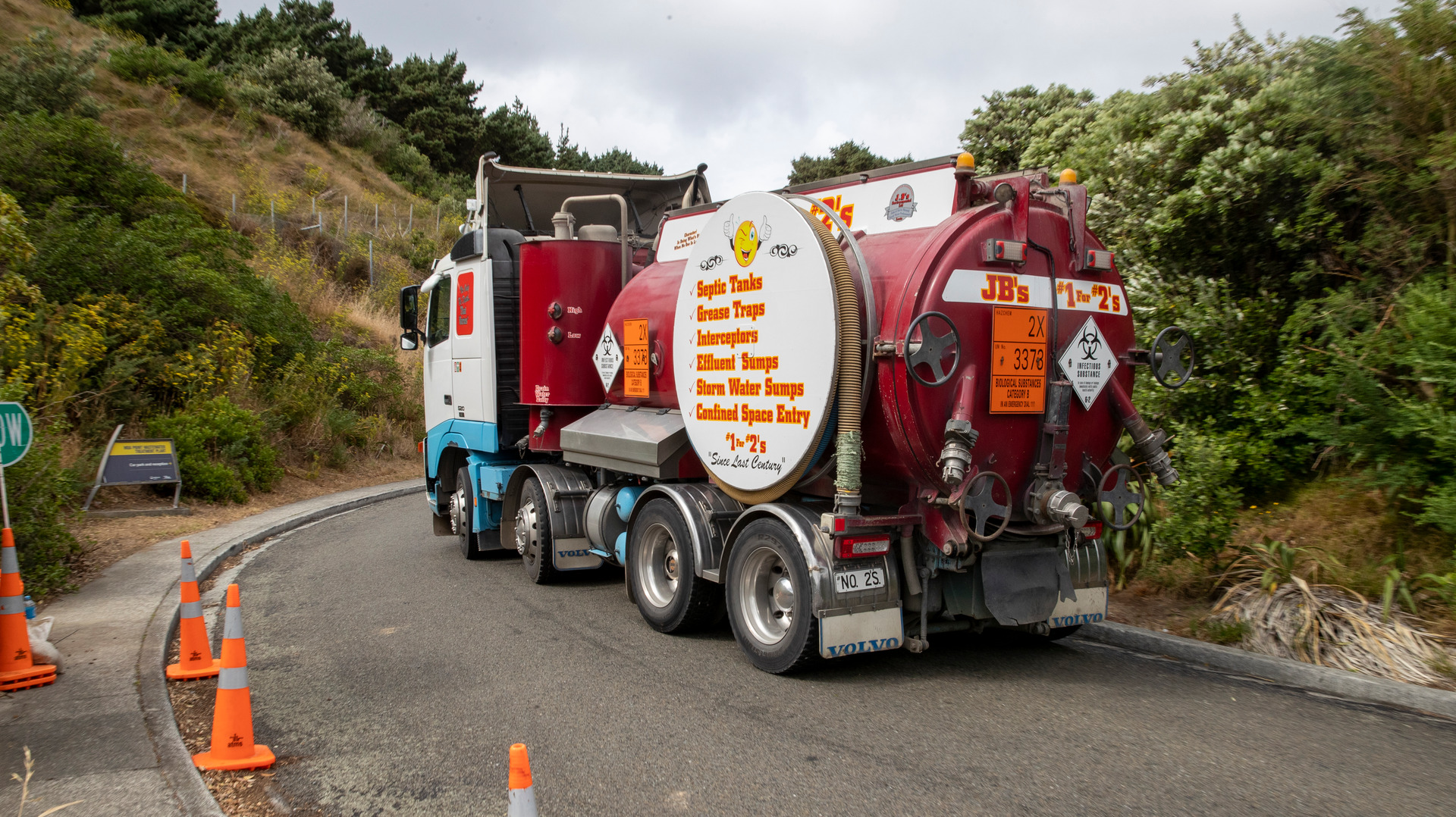
The fragility of the existing process was exposed in 2020 when the two high-pressure sludge pipes running underneath Mt Albert failed, triggering a smelly 24-hour trucking operation to get it to the landfill.
“Poo trucks” had to make 150 return trips a day to shift a million litres of sludge from Moa Point.
A team of technicians had to fly all the way from Germany to fix the pipes as the first wave of the Covid-19 pandemic raged across the globe.
What’s the solution?
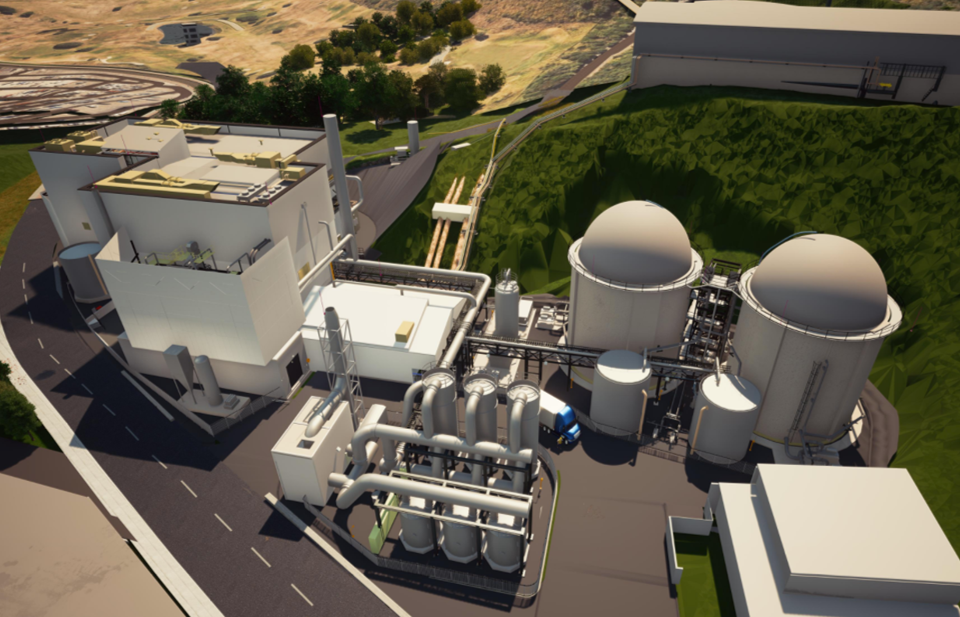
At the end of 2022, Wellington City Council approved the construction of a new sludge minimisation facility at Moa Point that doesn’t require this pipeline.
The new plant will first treat the sludge by thermal hydrolysis which acts like a pressure cooker.
This breaks down the molecules making it easier to process through something called the anaerobic digester which mimics the natural decomposition process of waste.
As the biodegradable matter in the sludge breaks down, a biogas is produced that will be captured and used to create heat and electricity to help power the process.
The resulting end product will be dry, odourless, more easily transported, and used in productive ways such as a soil conditioner and fuel for industrial heat.
It’s an 80 per cent reduction in the volume of treated sludge compared to the current process which is the equivalent of 11 full Olympic-sized swimming pools every year.
The new process also reduces carbon emissions by up to 60 per cent.
Wellington is at the pointy end of a problem all major cities around the country will eventually face.
Auckland’s Watercare, for example, does not yet have thermal hydrolysis at its wastewater treatment plants but is planning to introduce it at its Rosedale site in the next decade.
The situation is different in Auckland, however, with Watercare generating revenue through a user-pays model, namely water meters.
How much will it cost?
The new facility will cost $400 million to be paid for with a levy on ratepayers over 30 years.
This is being done under the Infrastructure Funding and Finance Act 2020.
This means the money raised will stay off Wellington City Council’s balance sheet providing the council with flexibility to fund other infrastructure projects within existing borrowing limits.
The levy will start at a lower amount as the sludge minimisation facility is being built before the full annual levy is charged in 2027.
Commercial ratepayers will contribute 25 per cent of the total levy requirement leaving the remaining 75 per cent for residential ratepayers.
For example, directly connected residential properties to the Moa Point plant with a capital value of $1 million should expect a levy in the range of $281-$321 in 2027.
The levy starts in July this year.
Latest forecast rates increase
2024: 15.4 per cent (17 per cent including the sludge levy)
2025: 11.8 per cent (14.6 per cent with levy)
2026: 12.5 per cent (16.3 per cent with levy)
2027: 5.7 per cent (10.2 per cent with levy)
2028: 5.3 per cent (9.6 per cent with levy)
Georgina Campbell is a Wellington-based reporter who has a particular interest in local government, transport, and seismic issues. She joined the Herald in 2019 after working as a broadcast journalist.