What Wellington’s Te Ara Tupua says about good infrastructure – Editorial
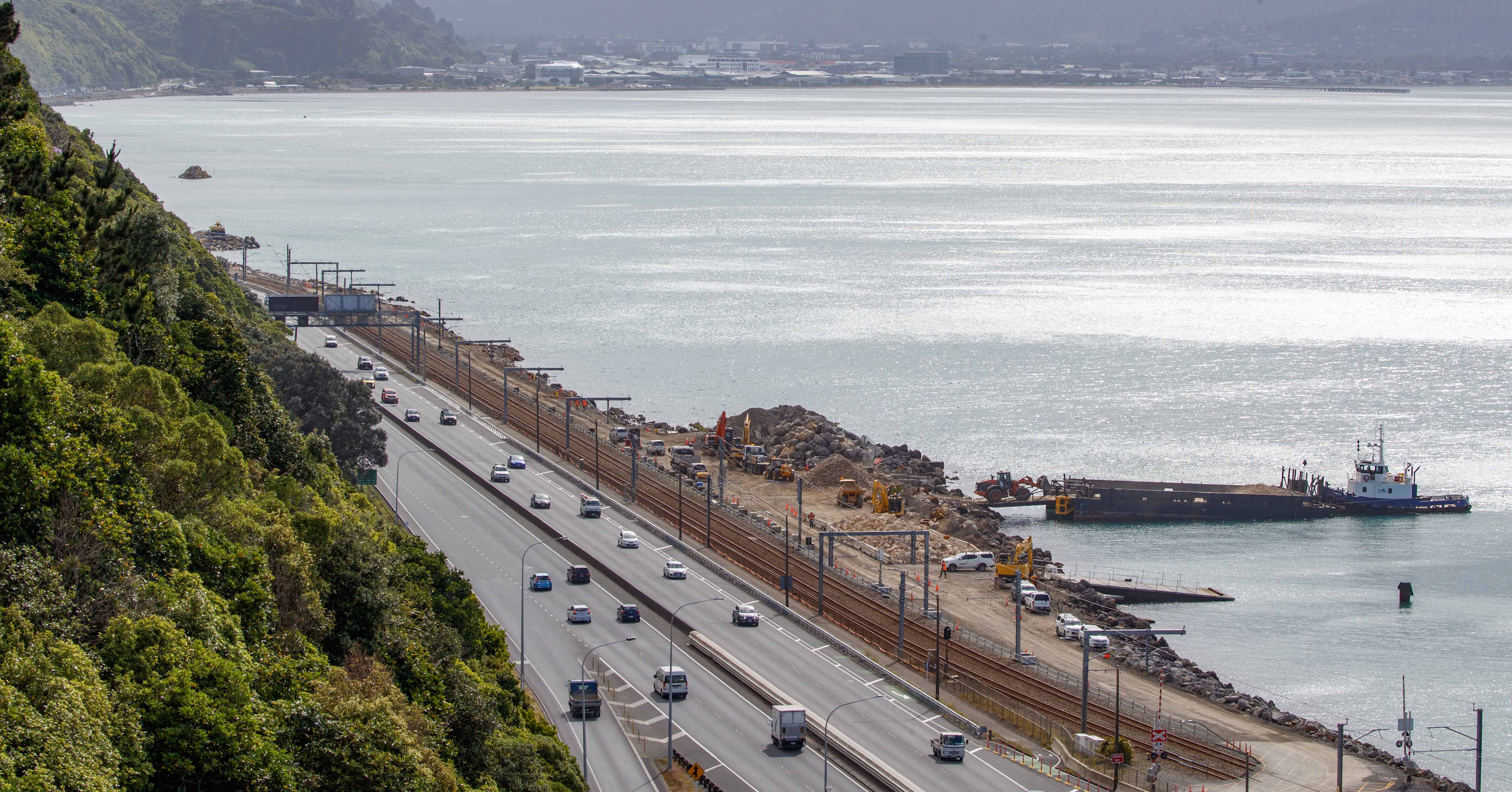
Most of the thousands of people who have taken a trip on Wellington’s new Te Ara Tupua shared pathway over the past two weeks will have similar feedback.
That it is a game-changing, overdue and beautiful asset for the region.
Blessed with three weekends of “Wellington on a good day” weather since it opened to the public, people have been flocking to check it out.
The $349 million, 4.5km-long seawall and cycling and walking path between Ngauranga and Petone says something about the purpose of infrastructure.
Discussion around infrastructure spending often centres on return on investment: what is the financial benefit for every dollar put in?
For something like Te Ara Tupua, that can be estimated on the value of the resilience it adds to the parallel state highway and train line, the health benefits of increased walking and cycling, the safety improvements of getting people off the main road and the strengthened connection between Wellington and the Hutt Valley.
But pure financials don’t easily account for the feel-good factor that comes with building a liveable city.
While that might sound airy-fairy, it’s not unimportant.
Wellington has not been having a great time of late.
Public sector cuts, the Moa Point wastewater plant failure, a severe storm, the closure of many institutions and a sluggish economy have the city in a malaise.
But the opening of Te Ara Tupua and, recently, the city library, have felt like beacons of hope for the capital city.
The same can be said for what the new stadium has done for Christchurch in marking a significant milestone in the earthquake recovery.
Te Ara Tupua shows we can also pair critical essential infrastructure (a seawall) with what some would call nice-to-haves (a cycleway).
Te Ahu a Turanga: Manawatū Tararua Highway did the same.
It could have just been a highway, but for a little extra, a cycleway was added alongside it.
Suddenly, the asset opens up many more opportunities.
New Zealand has an infrastructure deficit and a limited pot of money, so projects do have to be carefully considered and budgeted.
But we can’t judge infrastructure projects solely on a spreadsheet.
Because they are not just about building cities we can live in, but cities we want to live in.
Good infrastructure does both and Te Ara Tupua shows us that.