Why Robb Evans took on social media giants after daughter Liv’s death – Under the Influence, episode 6
A father’s tragedy helped pave the way for Australia’s much-debated under-16 social media ban, which has inspired similar moves in Britain and possibly New Zealand. In the final episode of the Herald’s online video series Under the Influence, director-producer Nadia Maxwell crosses the Tasman to see how the world-first law is working and what ordinary teens in Melbourne think about the ban.
Robb Evans’ daughter Liv Evans took her life at 15.
He says her eating disorder started with bullying at school – then social media magnified it.
“It took her insecurities and said, ‘You know what? We’re going to manipulate and amplify every insecurity that you have around yourself and your body and we’re going to just give you more and more content around that space’.”
Losing Liv compelled Evans and other Australian parents to become key advocates for raising the age of social media use to 16, as they believe the companies involved have no intention of solving the problem themselves.
“The frustrating part is that they know what the algorithm does and they know who they’re targeting,” Evans says.

“If you’re vulnerable, then these social media platforms will magnify that vulnerability without consequence or care.”
He has a message for New Zealand politicians: “This isn’t a political thing that you need to do for your country. It’s the right thing to do for humanity and the right thing to do for your children.”
Australian Prime Minister Anthony Albanese introduced and passed the world-first legislation in eight days. Here in New Zealand, our Government has been exploring social media legislation for the past 14 months, including a select committee hearing and a final report back in March.
This week it emerged that Education Minister Erica Stanford had circulated a paper to colleagues about the best way to implement a ban, which New Zealand First and Act feared could lead to a ban on virtual private networks (VPNs).
The paper has not gone to Cabinet and opinions within the Government differ on whether it was deferred or whether nothing has changed.
The sixth and final episode of Under the Influence explores what our politicians could learn from across the Tasman and what we might want to approach differently.
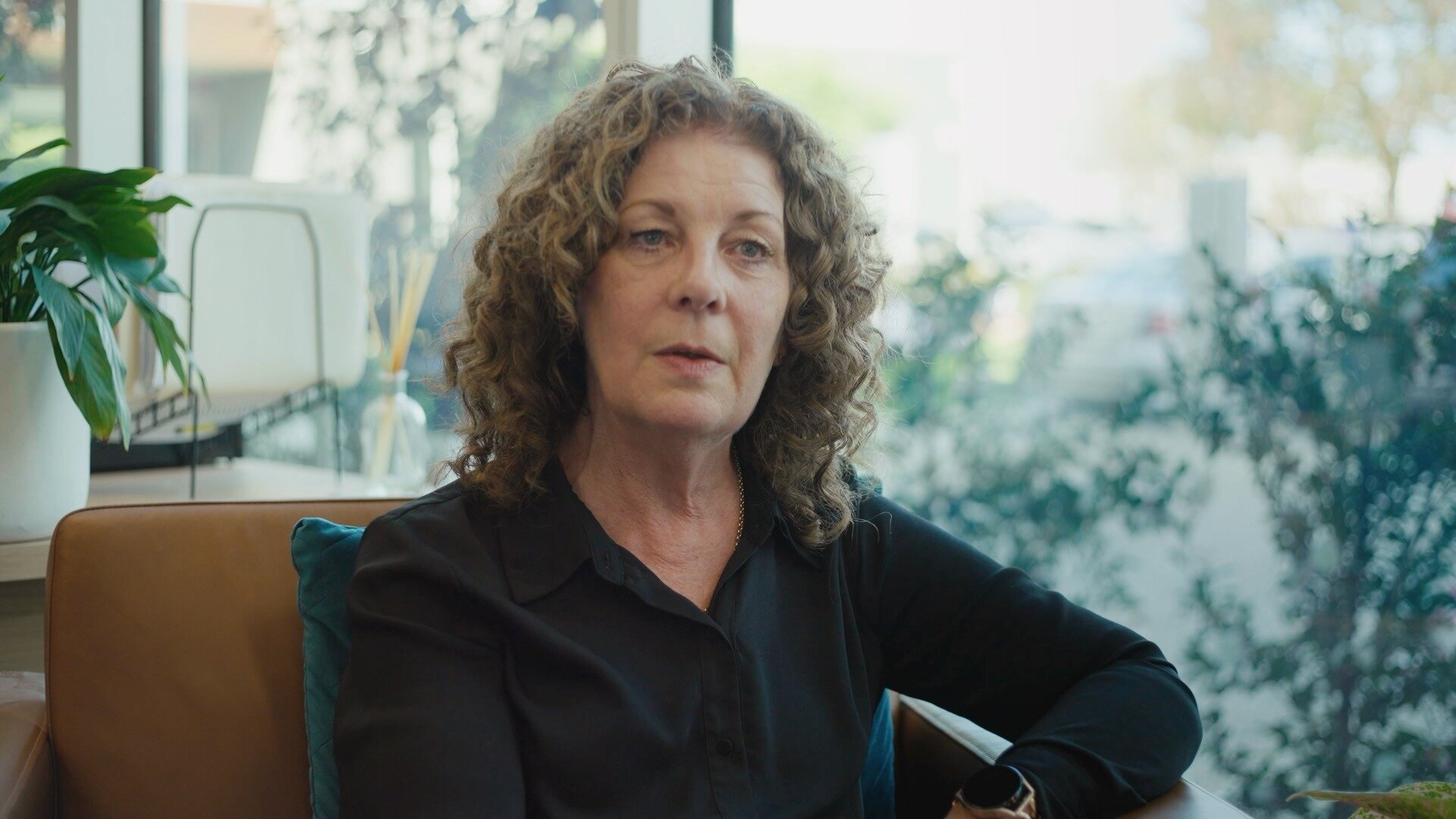
Fiona Williams is the principal at Casey Grammar in Melbourne, which has the toughest tech policy in the state. Not only are smartphones banned within the school gates, but the school’s policy also includes any devices which can connect to the internet, such as smartwatches and airbuds.
Williams believes the policy has been a great success, although she thinks New Zealand could learn from some of the practical difficulties her school has faced.
“The social media age restrictions came in just at the end of our school year. On reflection, it might have been better if it had come in, say at the start of a term for example, because then we could have worked more closely with the parents.”
While a huge percentage of parents initially supported the law, the lack of compliance from Big Tech made it an uphill battle for them – a point reinforced in interviews with Casey Grammar teens living with the ban.
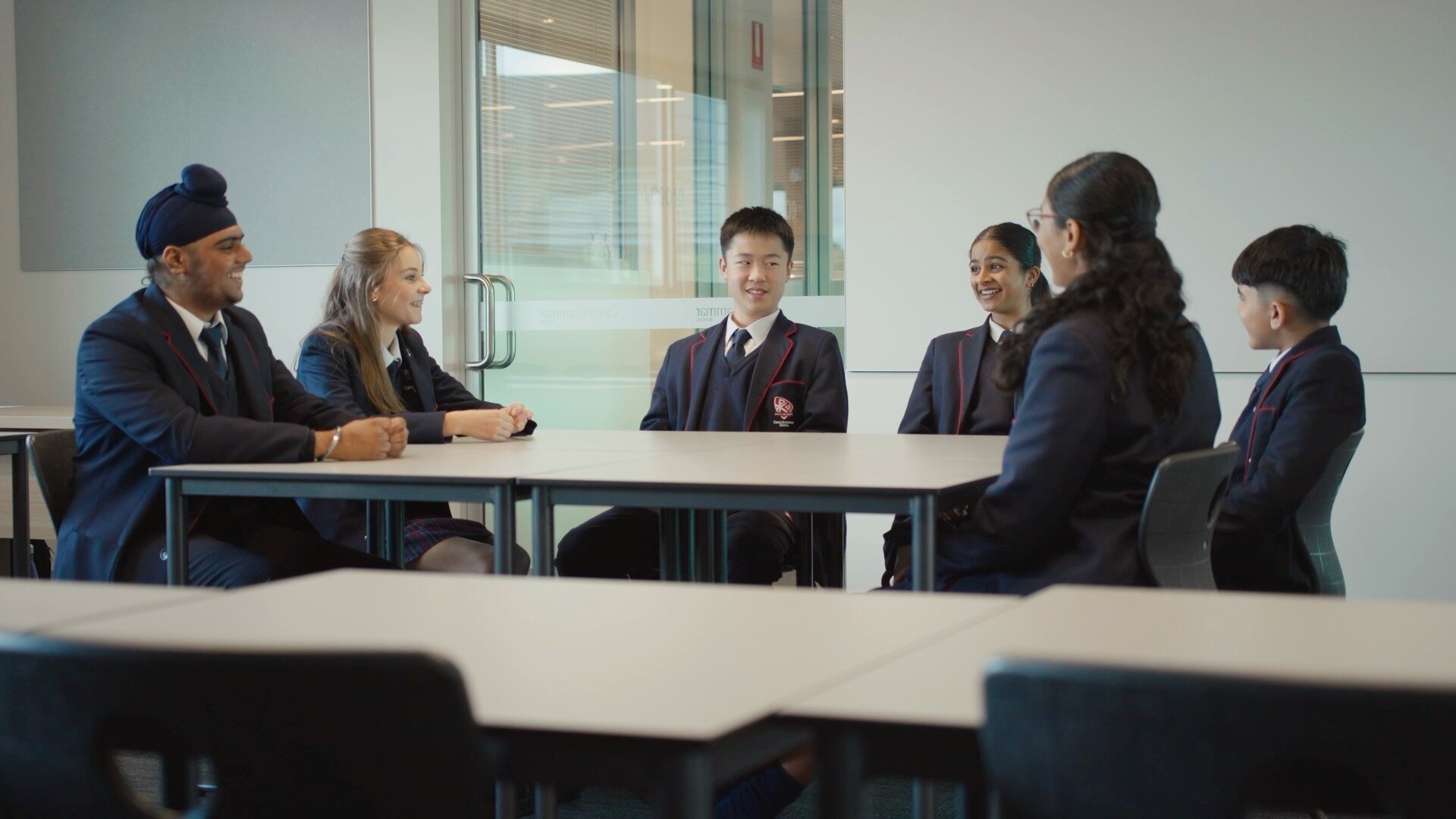
“I feel like many parents supported it. Mine supported as well. They sort of gave up on it because not everyone was getting banned,” one boy says.
“I had my account and it just got disabled, but they allowed you to make new accounts. And then the minute you made a second account, they just didn’t do anything about it, [with the) same email.”
Dr Susan Sawyer, a member of Australia’s eSafety Commission’s academic advisory group and chair of adolescent health at the University of Melbourne and Murdoch Children’s Research Institute, says the commission has been the first to acknowledge the new law is a work in progress.
“In the first compliance report that the eSafety Commission just released last month, there was very clear evidence that social media companies needed to lift their game and that seven in 10 young people were still on those sites.”
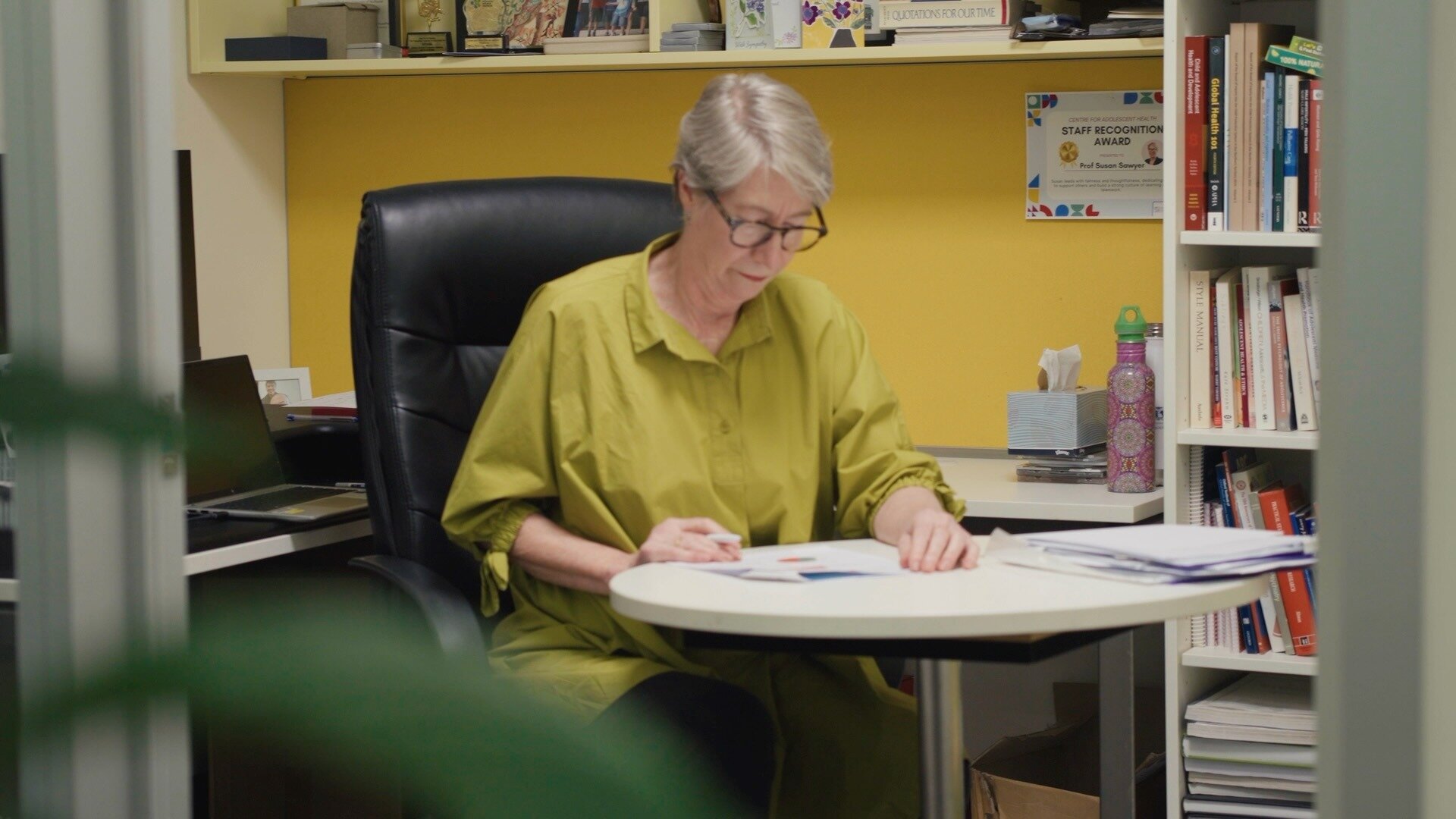
Sawyer is leading a longitudinal Melbourne study which found 74% of 9- to 18-year-olds had reached a clinically significant threshold for anxiety or depression. More than 50% reached this threshold three or more times. One third reported self-harm during adolescence.
In June this year, the same study published a causal link between frequent social media use (more than two hours per day) and high depressive symptoms.
“This really means we need to be much more invested in thinking about prevention,” Sawyer says.
“I don’t think the answer is simply to ban social media. Do I believe it’s part of the solution? Absolutely.”
Under the Influence put the criticisms made by Evans and other participants in the series to social media giant Meta, the owner of Instagram and Facebook.
A company spokeswoman replied: “Nothing is more important to us than the safety of young people on our platforms. We have invested billions of dollars in safety and security, and employ thousands of people working on these issues.
“The biggest result of that work is Teen Accounts, which provide built-in protections that limit who can contact teens, the content they see, and the time they spend on our apps.
“Our new 13+ inspired content settings mean teens around the world see age-appropriate content by default, with an independent assessment finding 68% less mature content than a leading competitor’s teen experience.
“Since these changes, 97% of teens aged 13-15 have stayed in Teen Accounts’ built-in restrictions, and 94% of parents say Teen Accounts are helpful.
“We respectfully disagree with characterisations that we prioritise profit over safety. We stand by our record and will keep making improvements.”
Under the Influence is produced by Overactive Imagination for the NZ Herald. The series was made with support from NZ On Air and Screen Canterbury. You can watch all the episodes at nzherald.co.nz/undertheinfluence