Winston Peters announces greyhound racing ban to protect dog welfare
Greyhound racing is set to be outlawed in New Zealand in a decision announced by Racing Minister Winston Peters.
A proposal to ban the sport follows three critical reviews of the industry and a persistently high number of dogs being injured in races that Peters says is “unacceptable”.
“This is not a decision that is taken lightly but is ultimately driven by protecting the welfare of racing dogs,” he said.
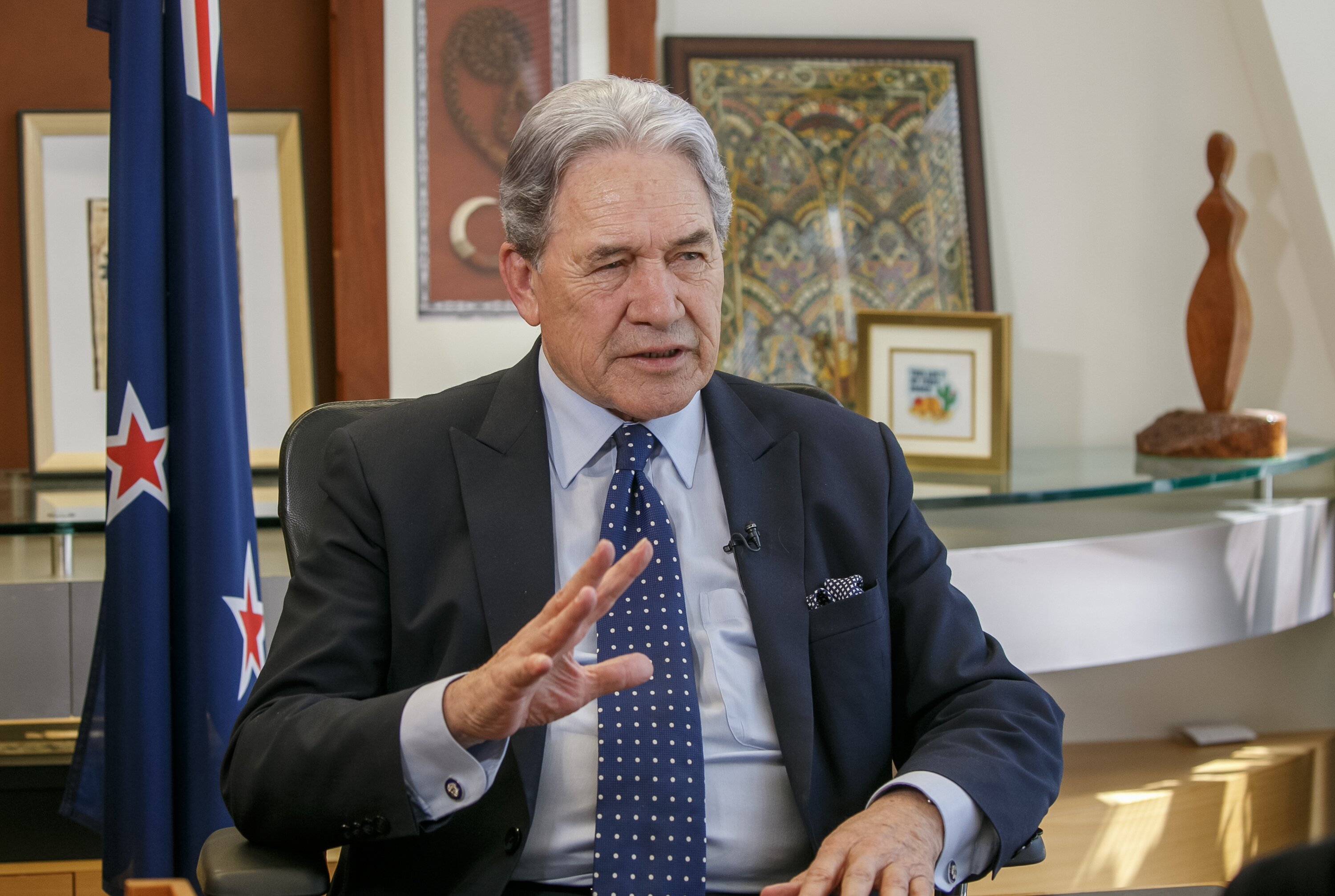
The sport won’t stop immediately but will be phased out gradually over the next 20 months to allow time to rehome the estimated 2900 racing dogs in the industry.
This would mean the last official greyhound racing event in New Zealand would be in July 2026 if not sooner.
STORY CONTINUES AFTER LIVEBLOG
Sophie Ryan
Peters' briefing has now ended.
Legislation to prevent harm to dogs
Sophie Ryan
Peters said there could be some "serious abuse of dogs" following today's decision, hence why urgent legislation was being passed to prevent dogs from being put down.
Sophie Ryan
Asked if he would adopt a greyhound, Peters said he had thought about it but said he was concerned he might not have time, citing his heavy travel schedule this year as Foreign Minister.
Legislation to be debated in House
Sophie Ryan
Peters wouldn't speak to the punishments someone might face if they put a dog down following the decision, saying it would be outlined in the legislation that would be debated in the House today.
"The likelihood of a legal challenge would be extraordinarily remote," Peters claimed.
Horse racing and greyhound racing not comparable, Peters says
Sophie Ryan
Peters acknowledged there were always ongoing concerns about safety within the horse racing industry but said the concerns between the two racing industries weren't comparable, noting horses had riders while dogs were loose on the track.
Sophie Ryan
Peters believed homes could be found for all racing greyhounds, including overseas.
He committed to dogs not being used for racing overseas.
"They'll be re-homed, not re-race-tracked."
Sophie Ryan
Asked how the decision sat with him, Peters said it wasn't a matter of how he felt about it, saying it was the right thing to do.
Sophie Ryan
On pushback from the industry, Peters said they were finding out about the decision now.
Sophie Ryan
Rehoming dogs abroad would also be considered over the next 20 months. That timeframe was taken by Peters to Cabinet and it was agreed.
He said he had received no advice that said the process could be done quicker.
Impact on overall racing industry
Sophie Ryan
Greyhound racing was only 8% of the racing industry, Peters said, when speaking to the impact of today's decision.
'Do the right thing'
Sophie Ryan
There are almost 2400 racing dogs in the country.
"The time has come to do the right thing."
The Government took its time to make a decision but said the incidence of injuries was unacceptable, about 16% above an acceptable benchmark, Peters claimed.
Sophie Ryan
The winding down of the industry would take about 20 months, in order to rehome the dogs, Peters says. Urgent legislation will be passed today by all parties to ensure no dogs are put down by owners as a result.
Sophie Ryan
Racing Minister Winston Peters has confirmed the Government's decision to begin the end of the greyhound racing industry.
Winston Peters discusses future of greyhound racing
Sophie Ryan
We'll have live coverage of the announcement here.
STORY CONTINUES
Urgent laws are also being passed to prevent racing dogs being killed amid moves to end the sport.
Concerns about poor animal welfare standards have been an issue for years.
There have been allegations a top trainer used live animals to train his dogs, multiple racing dogs have tested positive for methamphetamine and dozens of dogs have been put down after suffering catastrophic injuries while racing.
In the most recent 2023-24 season, Greyhound Racing New Zealand’s (GRNZ) animal welfare report said nine dogs were euthanised because of injuries suffered during a race, up from seven the season before; 224 dogs suffered serious injuries and a further 672 had injuries classified as “minor and medium” in the past season, according to the report.
Though GRNZ has made progress on reducing the death rate, it was the inability to significantly cut the number of race-day injuries that was the catalyst for Peters to bring the axe down.
“The time has come to do the right thing,” he said.
The move to ban greyhound racing will be subject to a select committee process where public submissions on the plan will be considered.
Peters said a lot of time and care had gone into making the decision and believed the prospect of a legal challenge to the ban by industry was “extraordinarily remote”.
The Herald has sought comment from GRNZ.
Urgent law to prevent unnecessary killing
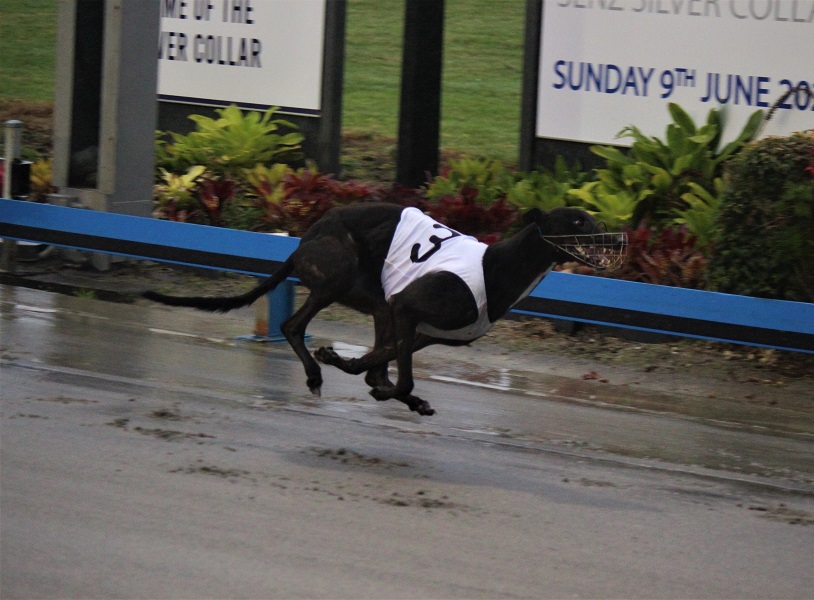
New laws will be passed today to try to prevent the unnecessary killing of racing dogs after publicity over plans to ban the sport.
The Racing Industry (Unlawful Destruction of Specified Greyhounds) Amendment Bill will be passed under urgency this afternoon.
“Keeping unwanted dogs safe is a priority. The Government is working with animal welfare organisations such as the SPCA to establish programmes to support rehoming,” Peters said.
A ministerial advisory committee has been set up to provide advice on the transition away from the sport over the next 20 months, and it will be chaired by Heather Simpson.
Peters said there was cross-party support from Labour and the Greens to end greyhound racing. While there will be the opportunity to oppose the plan during the select committee submissions process, Peters said the Government’s position was to “in principle, end greyhound racing”.
A history of critical reviews
The previous Labour Government put the industry on notice after a series of alarming reports highlighting a high rate of injuries and deaths, and questions about the transparency of those who oversee the sport.
In 2017, Rodney Hansen QC’s review revealed more than 1440 dogs had been euthanised in only four years, some dogs were “unaccounted” for, there was poor record-keeping and low numbers of greyhounds had been rehomed.
Peters, who was Racing Minister in 2017, said at the time Hansen’s findings were “disturbing”.
In 2021, then-Racing Minister Grant Robertson put the industry on notice after another critical review. Robertson accused GRNZ of “unnecessarily obfuscating information” and being reluctant to share pertinent data.
Then, last year, the industry was again warned it was on thin ice after a report from the Racing Integrity Board was published.
Briefing papers to Peters obtained under the Official Information Act show officials said Cabinet must decide whether the sport had the social licence to continue in New Zealand and will probably be a “value-based/political decision”.
New Zealand is among only five countries where greyhound racing is still legal and practised. Australia, the United Kingdom and Ireland still allow greyhound racing. The United States has only two operational racing tracks. In Mexico and Vietnam where it’s still legal, there are no functional tracks for dog racing.
Over many years, there has been a sustained campaign to end greyhound racing by animal rights groups including Save Animals From Exploitation (Safe), the SPCA and Helping You Help Animals (Huha).
Last week, a survey by the SPCA found three-quarters of New Zealanders would vote to ban commercial greyhound racing if the decision were put to a public referendum.
‘A great day for greyhounds’

SPCA chief scientific officer Arnja Dale told the Herald she was delighted the Racing Minister had reached the decision to end greyhound racing.
“We applaud Minister Peters for making this amazing decision. It is a great day for greyhounds. It is a win for greyhounds.”
The SPCA has set up a rehoming coalition with several other partners and Dale is confident they have the ability to ensure all ex-racing dogs get placed into “loving, family homes”.
“The sport is inherently dangerous. The injury and death rates make it unsustainable, and we are absolutely delighted to be working with the Deputy Prime Minister and Department of Internal Affairs to rehome all these dogs,” she said.
Dale said the SPCA would do all it could to support the industry get the best outcome for the dogs and it expected a “slow and steady” supply of former racing dogs to be placed with the organisation and its foster network.
“The SPCA is always busy at this time of year, but we have been planning for this eventuality and have strategies in place to move animals around, so we have more room for greyhounds.”
Michael Morrah is a senior investigative reporter/team leader at the Herald. He won the best coverage of a major news event at the 2024 Voyager NZ Media Awards and has twice been named reporter of the year. He has been a broadcast journalist for 20 years and joined the Herald’s video team in July 2024.