WorkSafe alleged Defence Force failure killed elite NZSAS soldier Nik Kahotea
Worksafe’s never-before-seen prosecution case against the New Zealand Defence Force (NZDF) alleged the military caused a NZSAS soldier’s death.
NZSAS elite soldier Lance Corporal Nik Kahotea died in 2019 during a counter-terrorism exercise in Auckland that Worksafe later found contained a string of safety failures in planning, oversight and execution.
The government’s health and safety regulator sought to criminally prosecute NZDF after its inquiry into the soldier’s death - but was thwarted.
Its investigation found Kahotea was a decorated and experienced NZSAS operator - as its troops are called - yet “was still vulnerable to this serious risk” even though he had taken part in a large number of training exercises and had been involved in overseas military operations.
“Mr Kahotea died as a result of NZDF’s failings in this case,” WorkSafe wrote.
It then laid a charge against the NZDF of “failing to comply with a duty” to keep workers safe, which carries a maximum fine of $1.5 million.
The prosecution was then blocked at the High Court, which upheld the Chief of Defence’s right to exempt NZDF from health and safety prosecution when necessary for “the defence of New Zealand”.
NZDF has confirmed no internal charges were brought against anyone involved in the safety failures identified in multiple inquiries.
Kahotea, 35, died on May 8, 2019, during a partnership exercise with United States Army Green Berets and the US Army’s special forces helicopter unit, the Night Stalkers, at a NZSAS training facility in Ardmore, south Auckland.
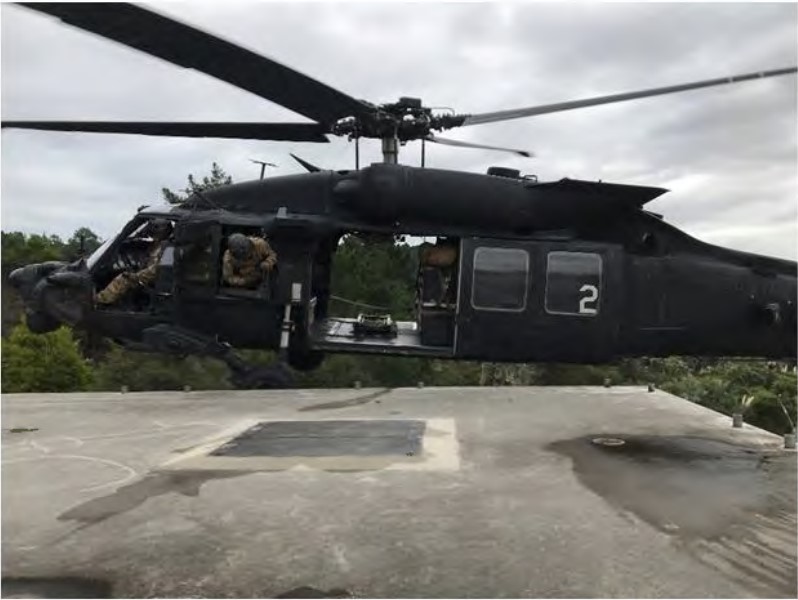
Kahotea fell while trying to move from the Black Hawk helicopter onto the roof of NZDF’s “kill house” - a specialist building called the Method of Entry house used to train NZSAS operators in storming buildings.
At the time, he was taking part in a technique the NZSAS had never used before, and is not possible to perform using NZDF helicopters.
The Herald has also discovered the elite unit has not tried it since.
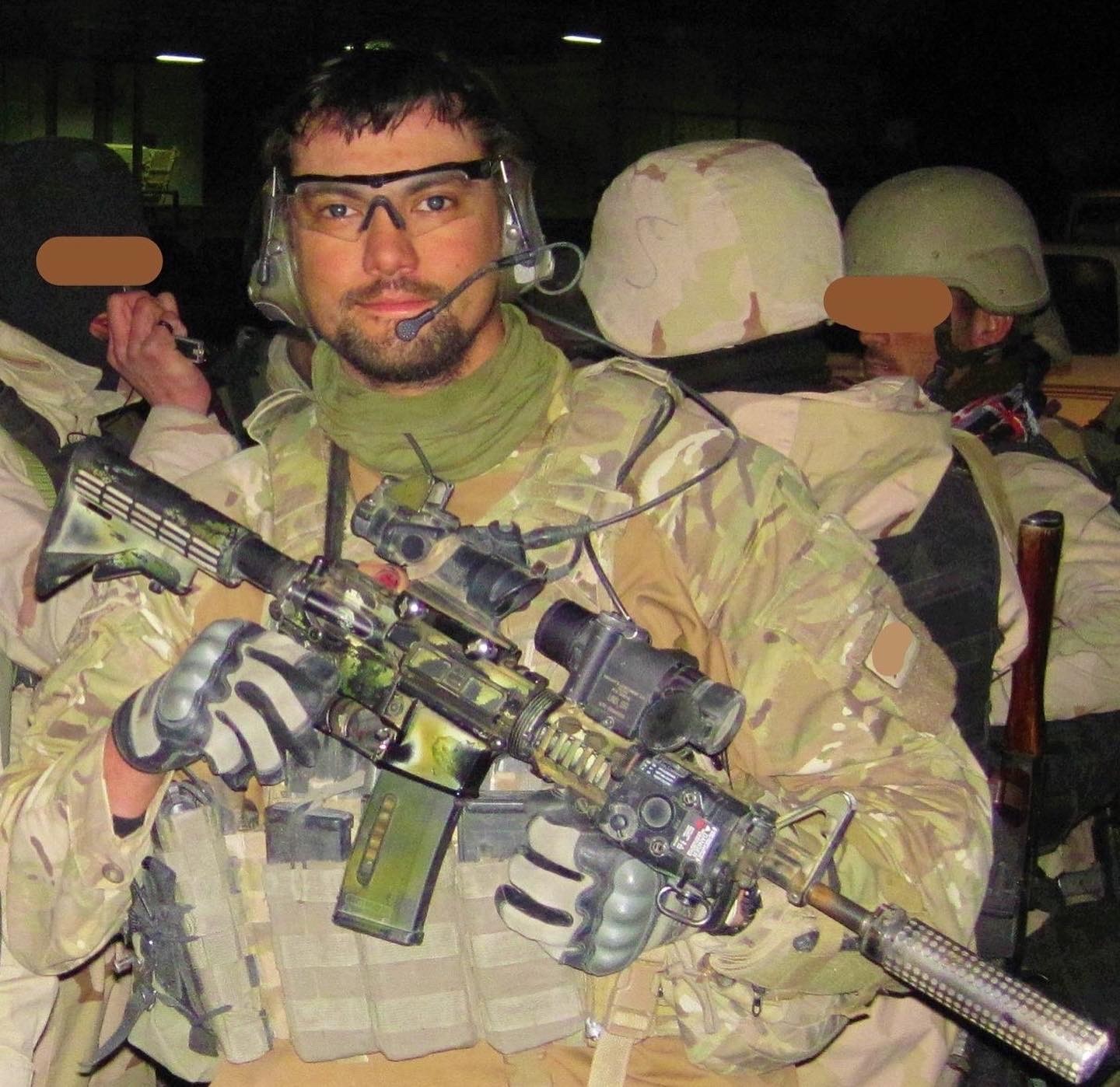
In breach of NZSAS established training practices, Kahotea’s first and only attempt at the technique was carried out at night, wearing perception-diminishing night vision goggles, in full battle dress and carrying around 25kg in equipment.
Called a “wheel bump”, the technique involves the Night Stalkers helicopter pilot leaning one of the Black Hawk’s front wheels against the roof of a building, and using it to pivot the tail towards the building until passengers are close enough to disembark.
At the time, Kahotea was leading a team of six other operators practising ways of quickly depositing a heavily-armed patrol onto a building.
WorkSafe’s case against the military
The Herald has obtained WorkSafe’s prosecution investigation file and prosecution case through the Official Information Act and is now able to detail the case it intended to bring against NZDF.
WorkSafe alleged that:
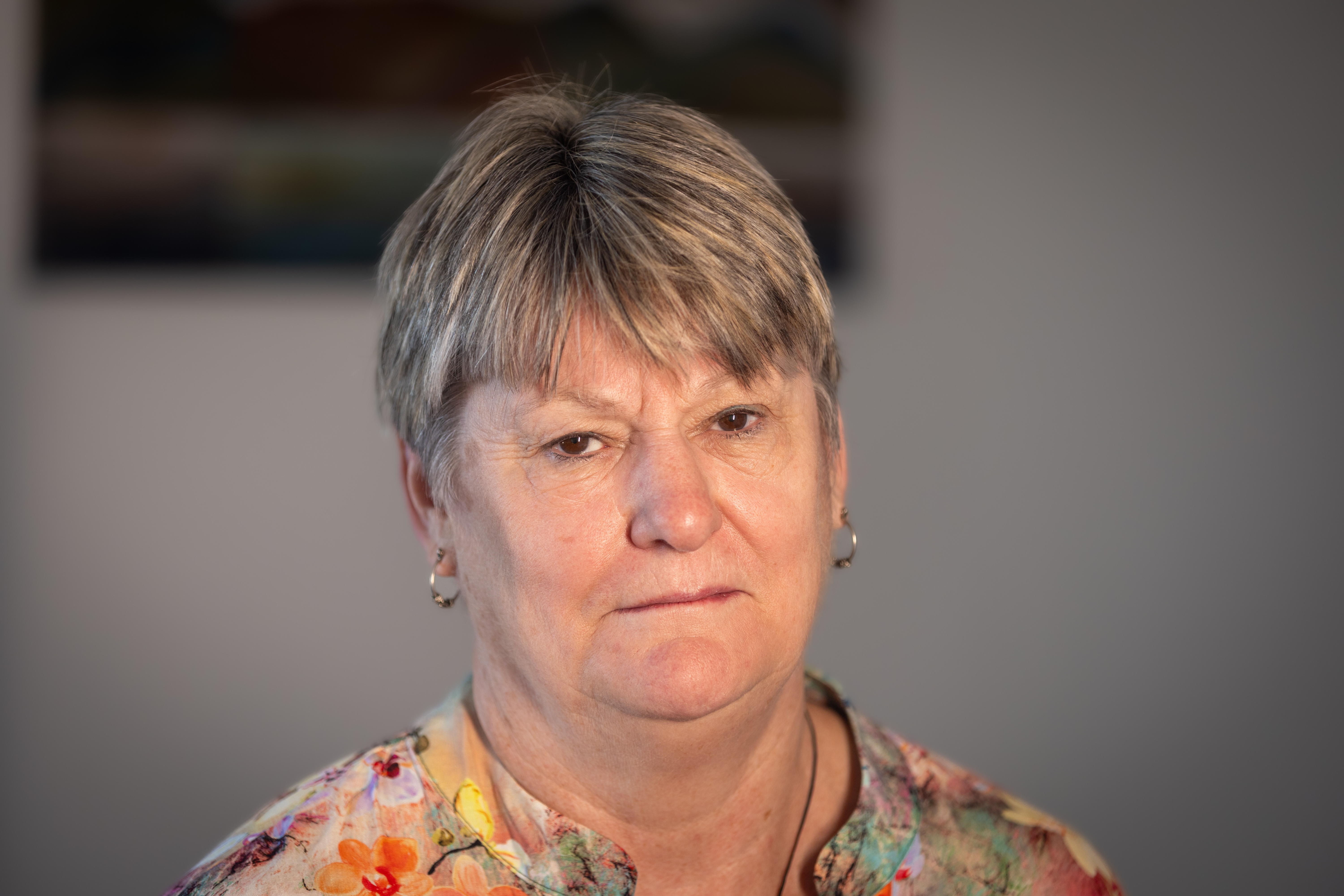
The Chief of Defence’s view that the fatal incident served the defence of New Zealand meant the prosecution never went ahead, leaving Kahotea’s mother, Lois Pamment, asking who has taken responsibility for her son’s death.
“I just wanted them to take accountability - which they didn’t do - and to put systems in place so it doesn’t happen again” she told the Herald.
Kahotea’s death followed the 2017 training death of NZSAS sergeant Wayne Taylor, who died during a counter-terrorism exercise, and it preceded serious injuries suffered by NZSAS operators during training in 2022 and 2023.
Figures released to the Herald by NZDF show 127 people have died in service over the last 20 years.
Of those, 79 people were from the NZ Army. NZDF did not have causes of death available, although the numbers do include 10 people killed in combat in Afghanistan.
Minister of Defence Judith Collins said she would not comment on army safety as it was not her responsibility. Her office said she considered it to be “operational” and a matter for the NZDF.
The Herald investigation into Kahotea’s death revealed concerns at WorkSafe that there could be “systemic” safety issues in the NZDF and NZ Army.
It also obtained first-hand accounts of those involved in the training the night Kahotea died, including from the US helicopter crew chief who announced Kahotea’s plight with the words: “Soldier fell, soldier fell.”
NZDF failing led to NZSAS fatality
The WorkSafe investigation said the failure to have a competent person carry out a proper risk assessment ahead of a first attempt at unfamiliar training - and the failure to establish whether those doing the training were competent - “allowed for the ‘bump’ exercise to be taken in an unsafe manner, with inadequately-controlled risks that led to the death of Mr Kahotea.”
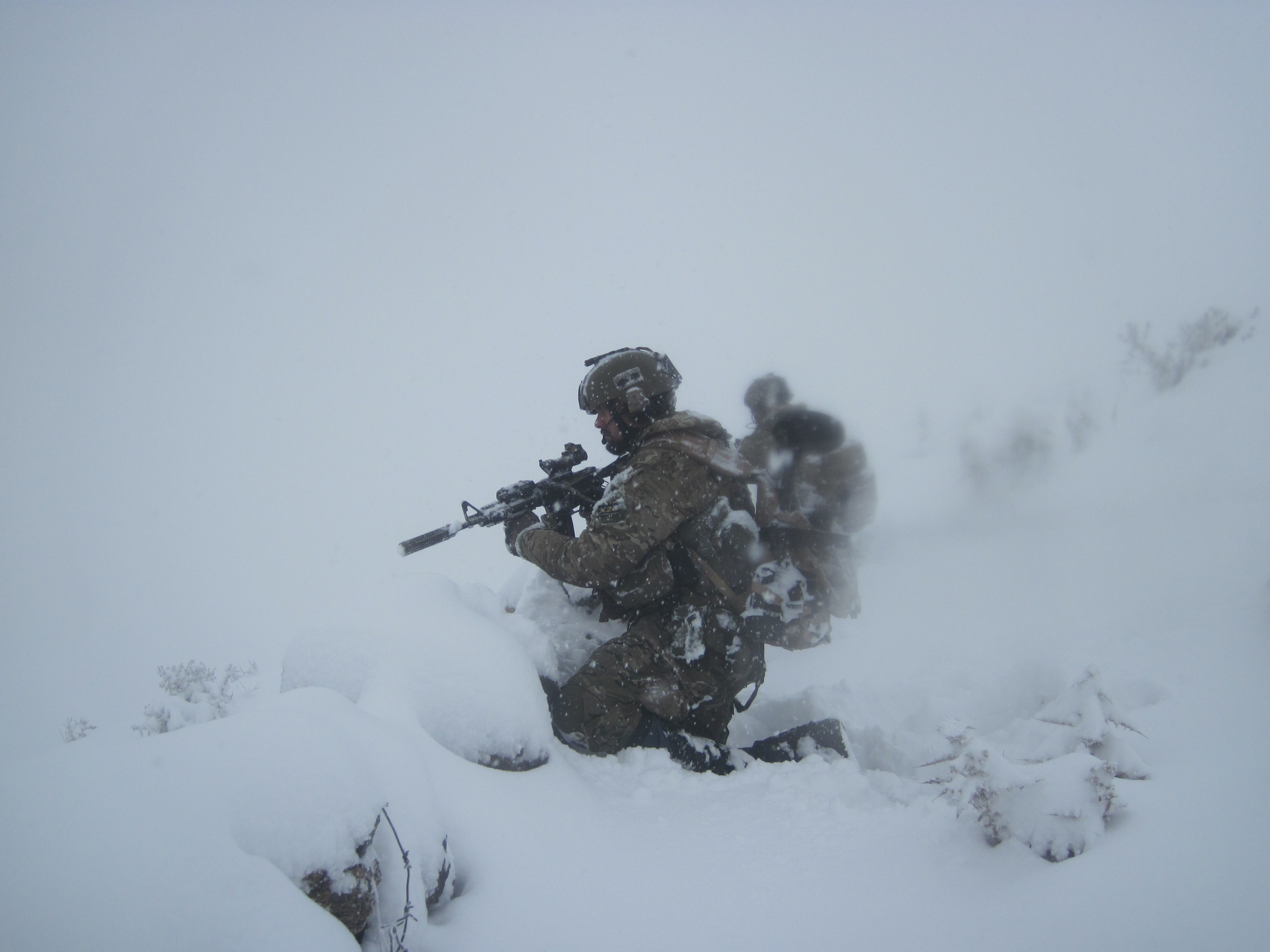
It found the planned training exercise started a day late after the US Army was delayed while travelling to New Zealand.
The delay compacted the first day of training intended to familiarise NZSAS operators with being dropped into operational zones by Black Hawks - a helicopter which NZDF does not have.
NZDF’s own Court of Inquiry stated the “bump” technique wasn’t a planned part of the exercise and was introduced on the day by the US visitors to increase the experience of one of its pilots.
WorkSafe found the “bump” technique had never been used in New Zealand.
WorkSafe’s investigation also found the planned part of the exercise - fast-roping onto the target building - was done using the usual NZSAS method of “crawl-walk-run” - even though it was a familiar technique to the operators.
WorkSafe said the method is set out in NZDF’s Air Mobile Operations doctrine. The intent is to build competency by performing tasks in uniform only, then carrying a weapon and possibly wearing body armour, and only then with increasing loads up to full battle gear.
But when it came to the “bump” WorkSafe found there was no “crawl-walk-run”. Instead, the operators carried out the technique in full battledress, with weapons and carrying heavy equipment.
While a number of teams carried out the “bump” during the day, the need to refuel the Black Hawks pushed Kahotea’s team and one other into the night.
“This was the first occasion the group was attempting the technique,” WorkSafe’s investigation found.
WorkSafe also focused on the NZSAS hazard assessment, which was meant to identify safety issues and find ways to reduce risk.
Documents from the High Court file show it was almost a year after Kahotea’s death when WorkSafe discovered the hazard register it had been given - which included the wheel bump - was not the one in use on the day, which did not include the wheel bump.
NZDF updated the hazard register after the fatal fall but did not provide the original until after WorkSafe investigators learned of it, saying it was not able to do so until its own internal Court of Inquiry was completed.
Even with the updated hazard register, WorkSafe’s inquiry found critical absences - including not taking into account the danger of the helicopter moving away from the building and someone falling.
Its investigation report said NZDF’s hazard register failed to include the possibility of a fatal incident as a potential risk.
“Hazards with a reasonable prospect of fatal consequences were poorly assessed and had inadequate controls implemented; conversely hazards having a credible consequence of first aid injury were rated higher.”
The WorkSafe investigation identified - as did NZDF’s Court of Inquiry - that those involved in the exercise had wrongly equated the “bump” technique with the more-familiar “hover jumping” in which operators disembarked from a helicopter as it hovered.
The risk was far greater with a “bump”, said WorkSafe, as “hover jumping” took place when a helicopter was a few feet above the area operators were dropping onto. In contrast, the “bump” took place at the side of a building with a gap between the roof and the helicopter.
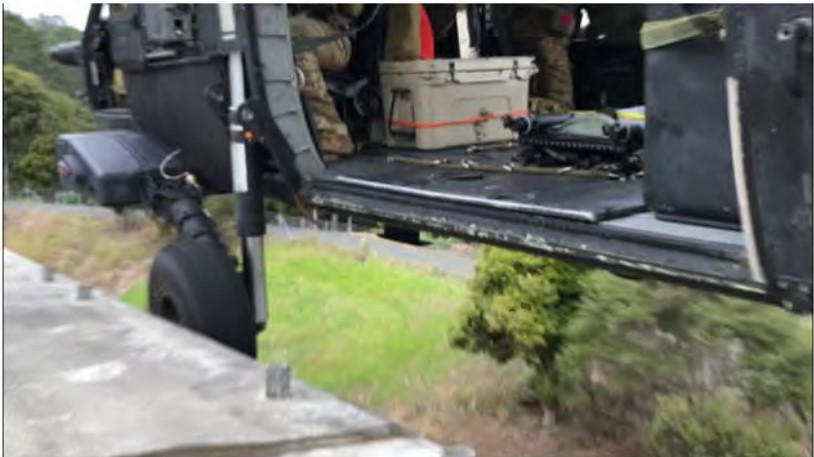
WorkSafe found there was no one actually watching the gap between the helicopter and the roof with the designated safety officer unable to see from his position.
Likewise, no one saw Kahotea fall. The US crew chief on the Black Hawk was unable to see the operators leaving, because the airframe blocked his vision when switching between checking inside and looking outside.
WorkSafe said: “By the time Mr Kahotea exited the helicopter it had moved, increasing the gap between the helicopter and the building by up to one metre but no one had taken notice of, or assessed, that change in risk prior to him exiting.”
Last-minute decision raised danger
WorkSafe’s investigation found a key factor in Kahotea’s death was a decision the pilot of the Black Hawk made less than a minute before drop-off.
The change shifted the drop-off point from a one-storey roof - as had been done during the day - to a two-storey roof so as to allow the helicopter a straighter run at the target building.
WorkSafe’s investigation found the “bump” technique was not in NZDF’s manuals governing airborne operations. The operators - and safety officer - had no identifiable experience at exiting a helicopter using that method.
There was also criticism NZDF had not sought to mitigate the risk by - for example - placing safety nets around the top storey of the building to catch those who might fall.
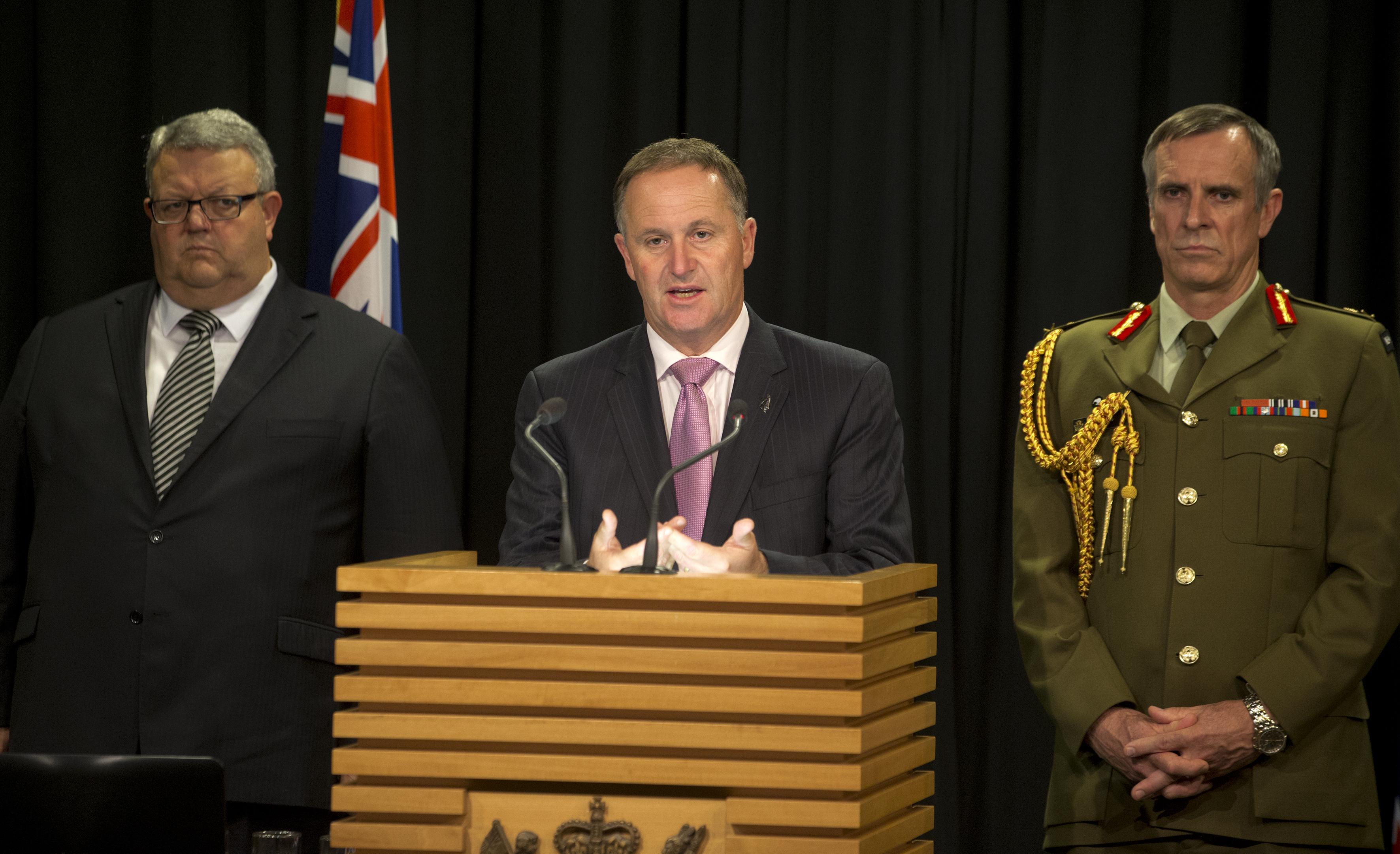
Documents filed with the High Court show the waiver that excused NZDF from prosecution had its origin in a comment by former Minister of Defence Gerry Brownlee in 2015.
At the time, health and safety laws were being rewritten when Brownlee raised concerns proposed changes would have an “exceptionally pernicious” effect on NZDF.
Former Chief of Defence, now-retired Lieutenant General Tim Keating, was the first person in his position to sign the new annual waivers when introduced in 2016. Keating also signed the 2018 waiver used to void WorkSafe’s prosecution over Kahotea.
At the High Court hearing, he testified about the training he designed as an officer with the NZSAS two decades earlier.
“I wanted operators to feel like they were actually on an operation. There ought to be a palpable, but controlled, sense of chaos, confusion and danger, so that the operators are used to working in that environment and the fear that comes with it.
“It is better that training is harder (and safer) than the deployment itself.”
Keating said he was supportive as Chief of Defence when the new health and safety laws were being developed.
“I was concerned that there had been incidents where service people had been killed and harmed, due to NZDF not following procedures.”
However he said “health and safety legislation could not inhibit or constrain training to the point it became non-realistic” because those who would deploy “into harm’s way” would not be properly prepared.
“By making this declaration, I did not intend health and safety considerations to be disregarded by those organising training,” he said.
NZDF’s Court of Inquiry set out a range of recommendations for Special Operations Command which oversees the NZSAS.
Those included the NZSAS developing a “training package” for depositing troops on the ground using aircraft, assessing whether the poles sticking out of the MoE house roof were necessary, exploring safety measures for training on the second-floor and for the NZSAS to refresh their practices around training safely.
Wider recommendations for NZ Army included reviewing processes for working with foreign forces when it involves equipment and techniques with which New Zealand personnel are unfamiliar, and ensuring NZDF’s own experts work alongside units hosting visiting military “to ensure risk can be identified and managed”.
NZDF says it tries to balance safety and training
Brigadier Grant Motley, Chief of Staff at NZDF, said the exemption from health and safety laws sought to balance staff safety with training needed for military operations.
“These risks are heightened when it comes to the training activities and exercises conducted by our special forces, like the one during which Lance Corporal Kahotea regrettably died.”
Motley said recommendations of the Court of Inquiry had been adopted and included “extensive work” on health and safety.
That included training on the “bump” technique although “this drill has not been practiced since 2019”.
In response to Pamment’s question about accountability, NZDF said the Court of Inquiry met that need. NZDF documents governing Courts of Inquiry say it is not a process to find guilt but to identify lessons to be learned.
NZDF said in a statement “there was no summary trial, court martial or command investigation on top of the Court of Inquiry process”.
A WorkSafe New Zealand spokesperson said the agency “recognises the immense loss suffered by the Kahotea whānau and their wish to see accountability”.
“WorkSafe stands by the quality and conduct of its investigation into the death of Nicholas Kahotea,” the spokesperson said.
The spokesperson said the agency worked with NZDF to help it meet its obligations with an agreement governing their interaction. It had taken six prosecutions of serious injury and death against NZDF since 2019.
WorkSafe’s was the third investigation and fourth report into Kahotea’s death with each revealing failures in health and safety.
Its finding the US helicopter moved is significant. NZDF’s Court of Inquiry could not settle on a reason Kahotea fell but the senior commander who oversaw it issued a separate report saying there was evidence the Black Hawk had moved.
In contrast, the US Army’s special operations command inquiry found Kahotea had tripped on one of a line of 4cm-5cm poles jutting out of the edge of the roof.
The case will come before the coroner although no date has yet been set.
David Fisher is based in Northland and has worked as a journalist for more than 30 years, winning multiple journalism awards including being twice named Reporter of the Year and being selected as one of a small number of Wolfson Press Fellows to Wolfson College, Cambridge. He joined the Herald in 2004.
Sign up to The Daily H, a free newsletter curated by our editors and delivered straight to your inbox every weekday.