Auckland has 541 new, unsold apartments - 20% of stock built in last three years: CBRE’s Tamba Carleton
The residential property downturn and slow market have resulted in Auckland having a record 521 new, unsold apartments finished in the last three years, a new study has found.
Tamba Carleton of real estate consultancy and agency CBRE studied the toll the poor market had on apartments in the country’s largest city.
Of unsold units, she identified:
CBRE tracked all Auckland apartment projects from inception to completion and beyond, she said.
To calculate unsold stock, CBRE took market or saleable apartment projects completed in the past three years and updated the final presale volume before completion against current ownership records.

That enabled Carleton to see how many units remained under developer control, to comprise the residual stock of new build apartments.
Last September, the Herald reported that the Auckland apartment market was so dire that a developer would rent instead of selling all the units in one entire new block.
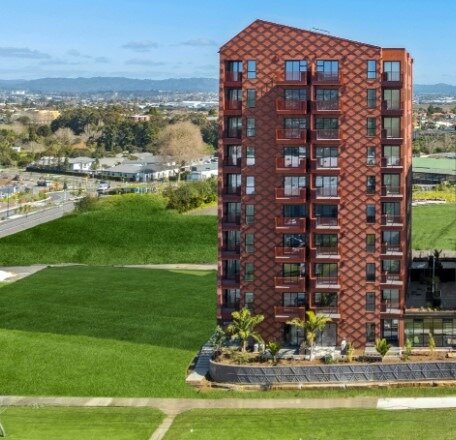
Ockham Residential CEO William Deihl said all the new 10-level 77-unit Whetū in Pt Chevalier would be rented, not sold.
“The market has been tough over the last few years, so the building was specifically designed in a way that meant it could be for sale or switched to build-to-rent,” Deihl said.
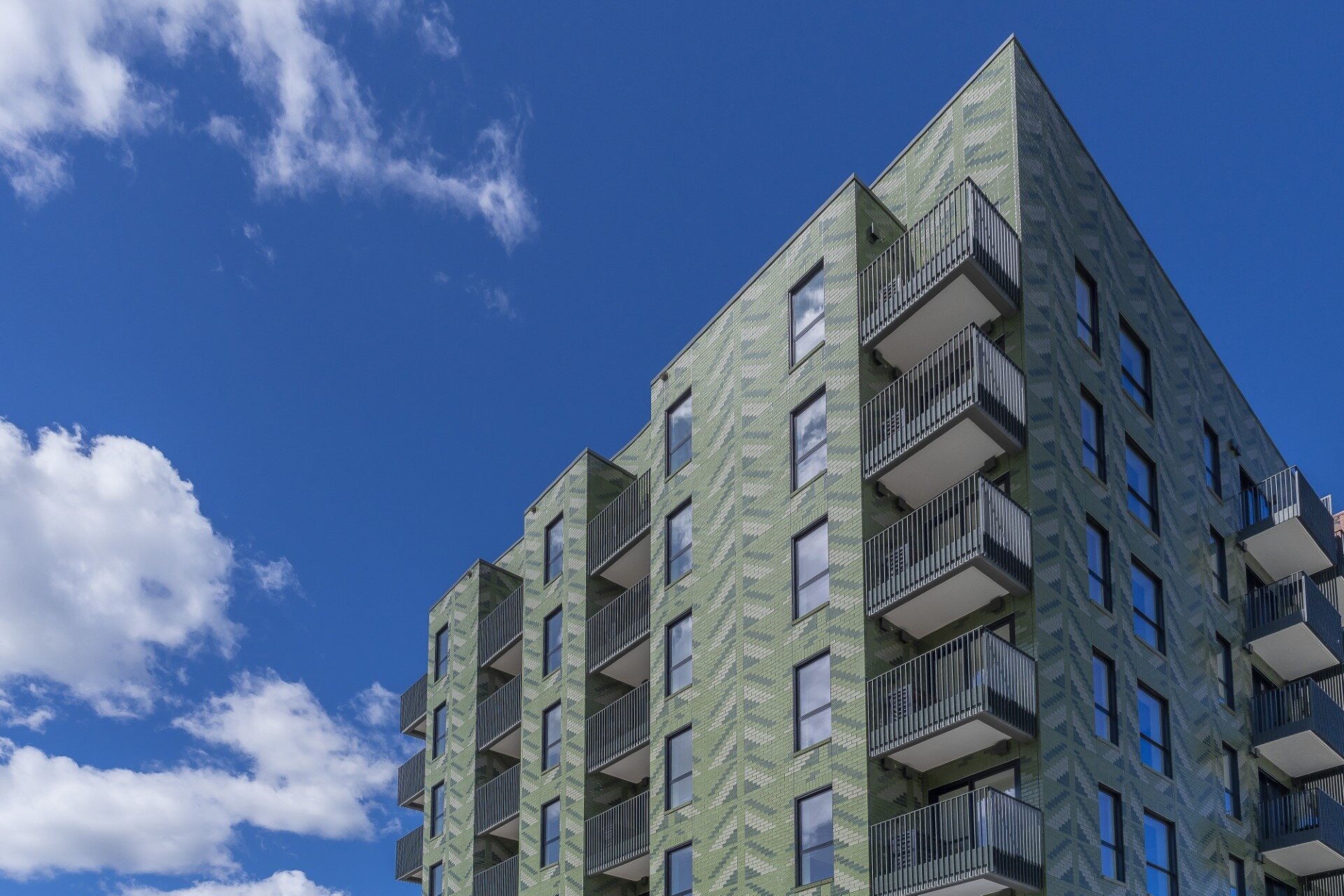
At the now-opened neighbouring green 65-unit Toi, only 24 units had been pre-sold by September, leaving no sales on 41 places, available from $550,000 to $945,000.
Carleton said even at more than 500 unsold units, that was “minimal” because it was only -1% of all Auckland apartments that were unsold.
“However, when viewed as a proportion of the 2572 units that were completed, it is undoubtedly problematic at 20%,” Carleton wrote.
Developers usually take a 20% profit from a project and with the total proportion of unsold Auckland units being equal to that, it was indicative of a real lack of feasibility of projects in many locations, she wrote.
It also showed the significant risks associated with apartment development, she found.
About 10 years ago, empty unsold apartments were rare.
Projects were typically sold during the construction phase back then.
“Market conditions soon changed with rising build costs, and with no stock left to sell, some developers came to the realisation that they had, in hindsight, presold their apartments a bit too cheap for the project to be profitable,” Carleton said.
It became more common after that for developers to hold onto a small number of units until completion which enabled them to be flexible with eventual sale pricing.
They could also capture some of the capital gain that was expected to accrue during the construction phase.
But the housing market downturn lately had contributed to an elevated volume of residual stock.
“This situation is undesirable to developers who are now stuck; they cannot extract profit from the development project to recycle into the next one.
“It is also difficult for off-plan projects to compete for presales against something similar that is both brand new and ready now.”
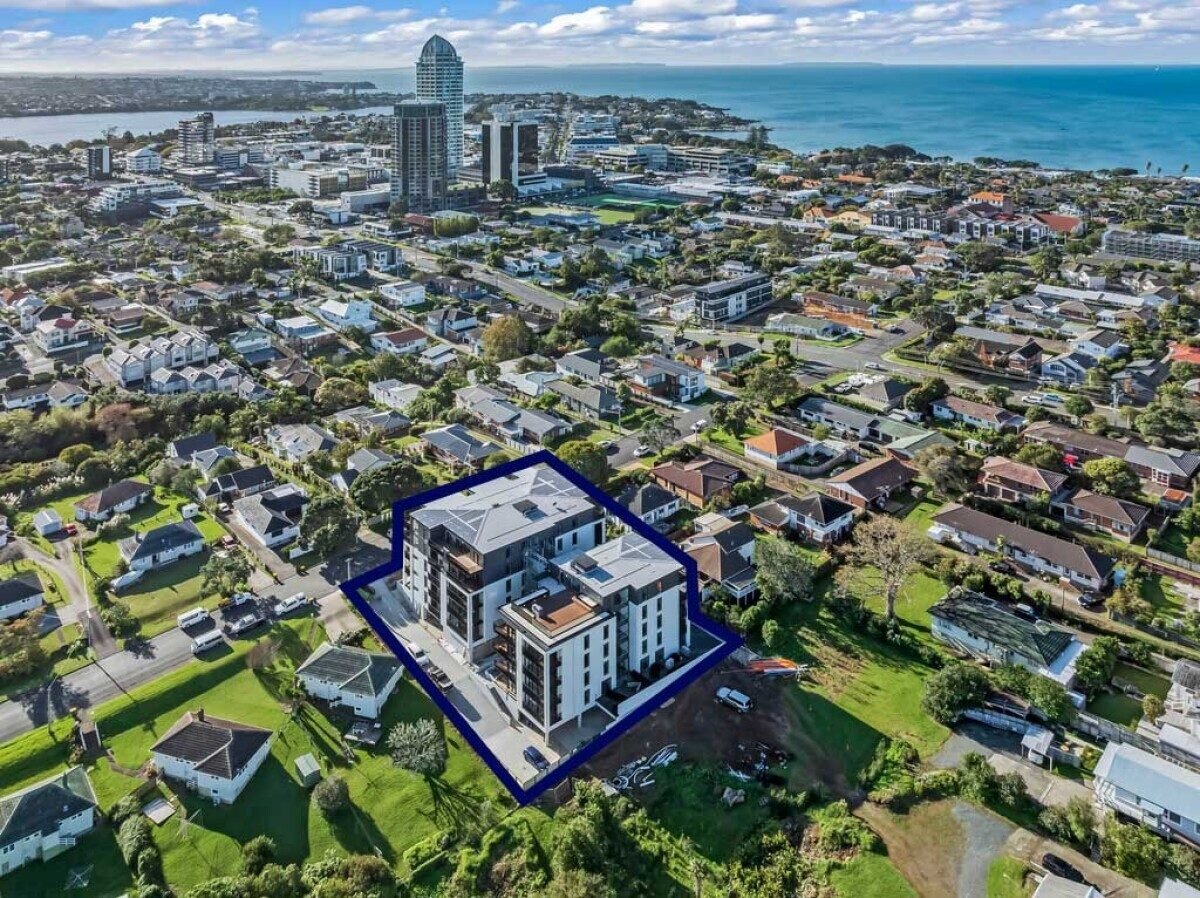
The Herald reported last year how one entire Auckland apartment block remained unsold because of the downturn. That was the 46-unit Loxley Apartments, Takapuna.
The new, never-lived-in block was up for mortgagee sale after WFT Finance – a company linked to Tauranga’s wealthy Wright family – seized possession of the project.
Colliers began advertising the five-level block at 32-34 Tennyson Ave, Takapuna, saying the vendor was “motivated”.
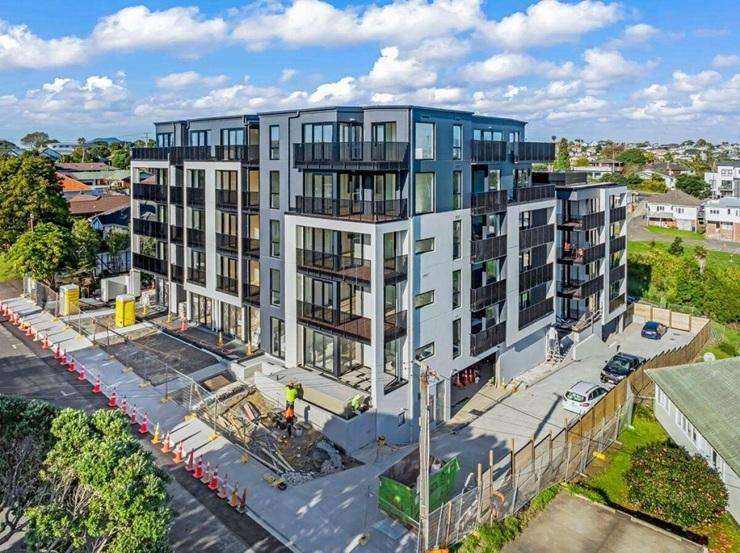
The apartments have never been lived in but the property is owned by Tennyson GCO, which went into liquidation last April.
The title shows WFT Finance as holding a mortgage over the property, along with a list of other financiers.
Wayne Wright, co-founder and trustee of prominent charity the Wright Family Foundation in Tauranga, is listed by the Companies Office as WFT Finance’s sole director.
The family is assessed as being worth $400 million by the National Business Review, with the majority of their wealth derived from the sale of childcare operator Best Start.
Another newish block with more than 100 units is The Cab on Aotea Square in the CBD.
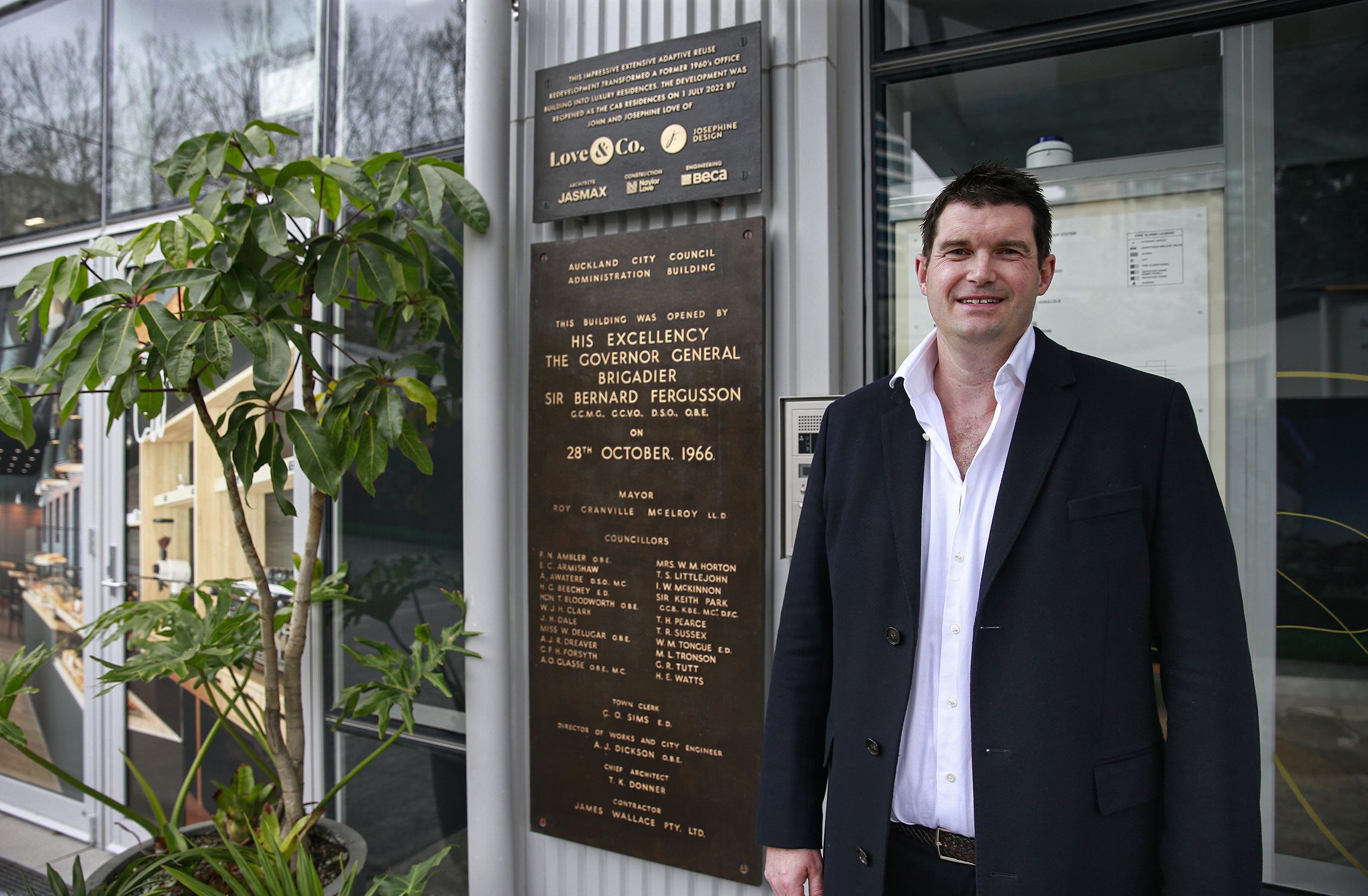
John Love, who converted the ex-Auckland Council offices into apartments, had about 23 of those left to sell lately. That project has been put at $150m.
Last month, Love offered units, ranging from $650,000 to $1.6m, mortgage-free for two years.
By December 18, the managing director of Love & Co had sold two of those six units, including the $650,000 apartment.
He offered the two-year suspended mortgage deal on the remaining four units in the Aotea Square block, saying those were on various floors.
The heritage building was owned and occupied for decades by what is now Auckland Council but Naylor Love converted the offices into residential units.
Love is buying it in a $3m deal with the council, yet to settle.
Only once his Australian financier is paid the $70m he said in 2023 was outstanding, will he have to pay the $3m for the 18-level block.
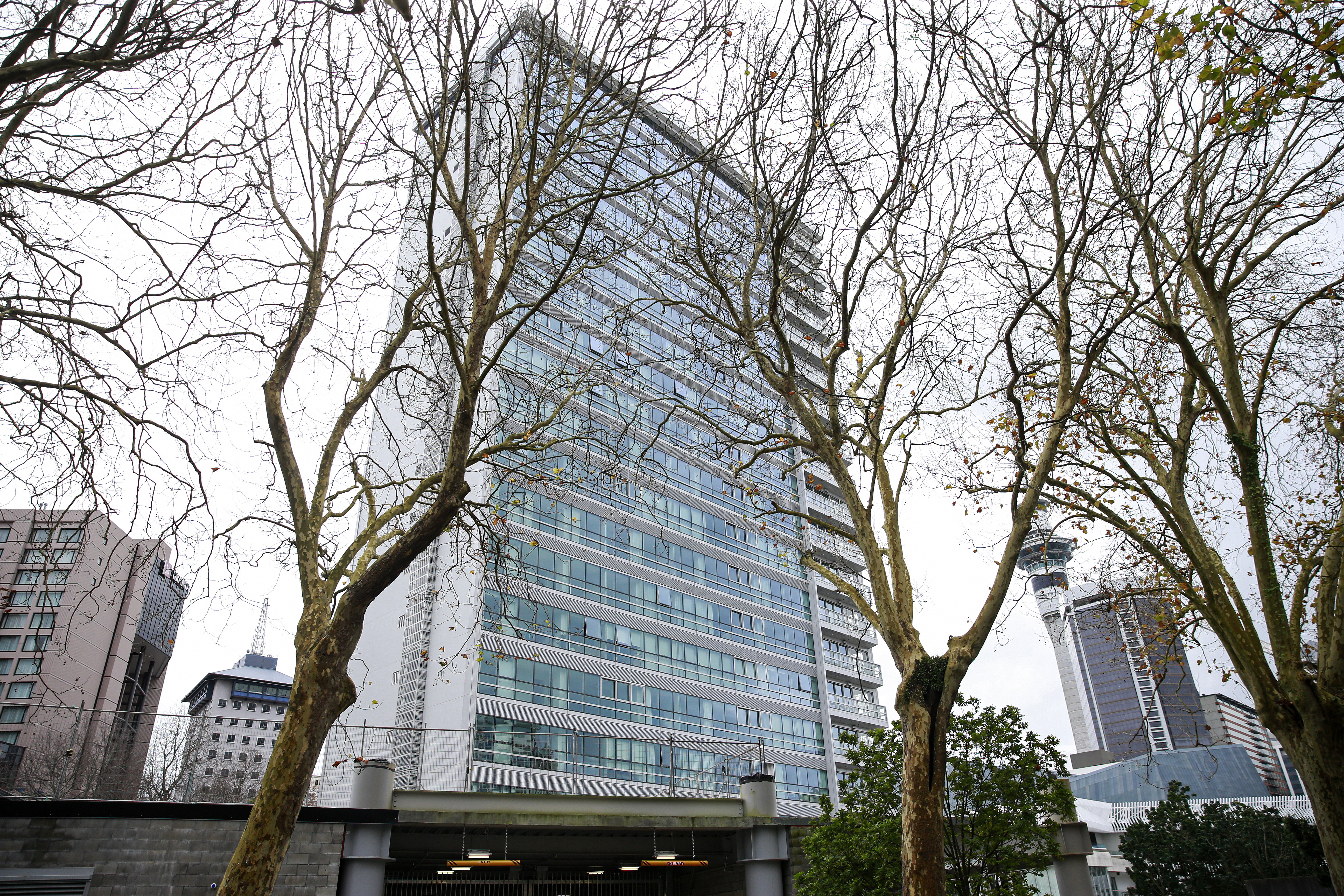
The penthouse, which takes up all of level 18, was marketed for $16.5m but remains unsold, as do the two half-floor sub-penthouses on level 17.
Love said his offer on the six units was a way to spark interest.
“We can all acknowledge the market is slow so I can have these apartments sitting there and then I’m paying all the outgoings.”
Across on Albert St, units also remain unsold above the Hotel Indigo. The penthouse is still on the market, despite high-profile marketing.
Meanwhile, another source said thousands of Auckland terraced houses or townhouses remained unsold.
However, they are not empty because developers have chosen to rent them when the sales market flattened, he said.
“A high volume of newly completed townhouses of three to four bedrooms, often with garages, are still on the market,” he said.
Some had been unsold for more than six months and were particularly in the Westgate and Massey areas.
But Pukekohe, Manurewa and Papakura also had a high inventory of unsold attached dwellings, he said.
Early last year, Auckland’s largest real estate agency’s glut of unsold homes hit a record.
Barfoot & Thompson’s unsold stock numbers climbed, with 5300 places unsold last January and 5900 in February but 6200 by March.
By November last year, the agency had 6102 homes for sale.
That fell to 5332 listings at the end of last month.
Anne Gibson has been the Herald‘s property editor for 25 years, written books and covered property extensively here and overseas.