Government reforming retirement village sector after 11,000 submissions

The Government is finally reforming the multibillion-dollar retirement village sector after years of calls from Consumer NZ, the Retirement Commissioner, residents and their lobby group.
Associate Housing Minister Tama Potaka and Seniors Minister Casey Costello today announced reform of the Retirement Villages Act.
More than 11,000 submissions were received when the review was announced, with the reforms strongly sought by the Retirement Villages Residents Association.
The bill is expected to be introduced to Parliament mid-next year, with the select committee process giving another opportunity for residents, families, and operators to have their say, the ministers said.
Key improvements include:
Potaka said: “For too long, residents have faced uncertainty, especially when moving out and waiting for their money to be repaid.”
Costello said progressing the legislation’s review was part of the National–New Zealand First coalition agreement.
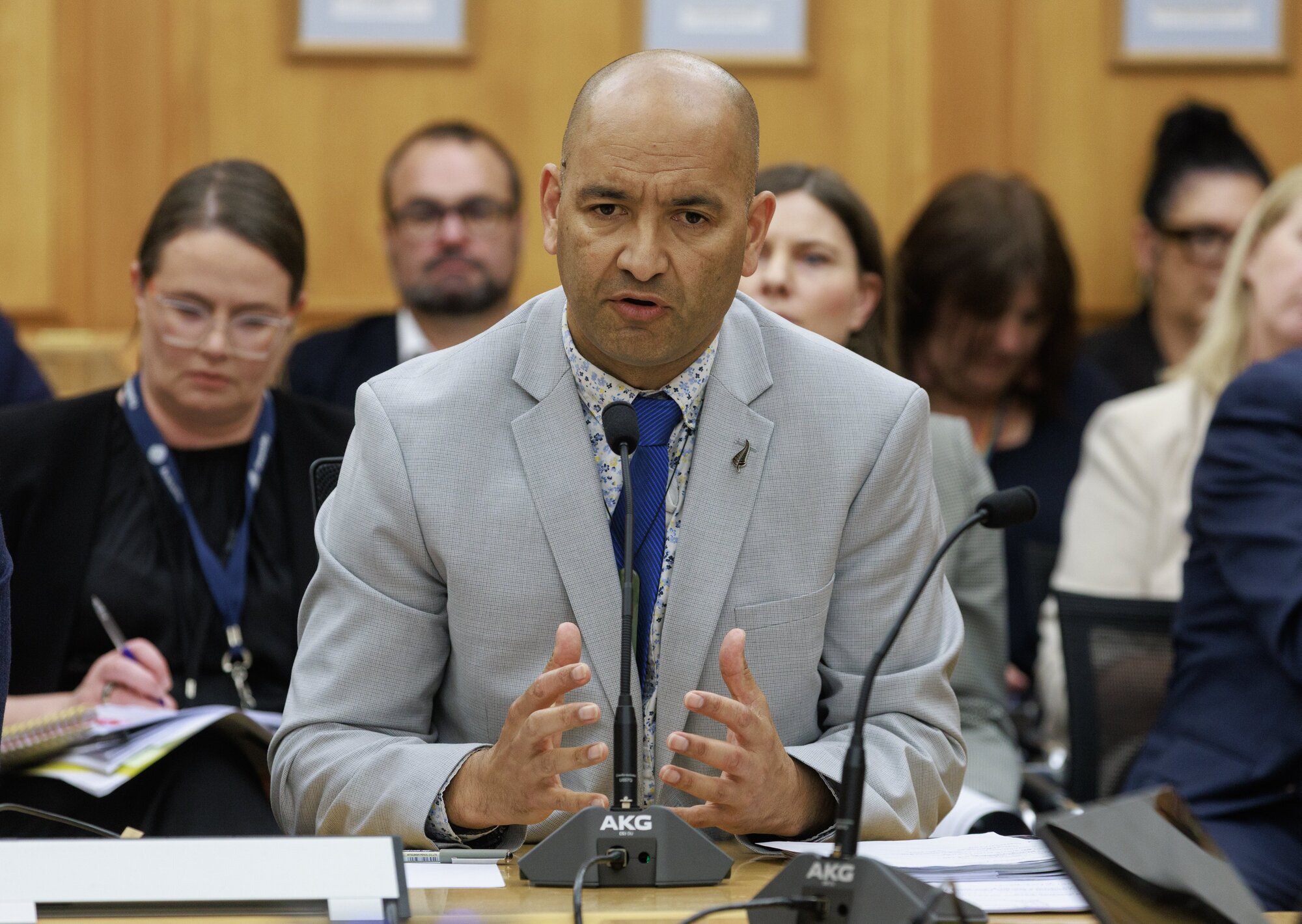
The Government’s reforms, would provide a pragmatic and balanced response to key issues within the sector, she said.
Potaka said a major focus would be on cutting the stress families faced when a relative leaves a village. That is usually by dying.
Families deserve certainty during what is often a challenging time, he said.
“These steps deliver that certainty and strengthen the rights of residents, while supporting the sector to grow and innovate for the future,” he said.

Changes would have stopped what happened to former Metlifecare resident Pat Price.
The Retirement Village Residents’ Association complained to the Commerce Commission about village incentives for new buyers after Price waited 15 months for repayment of more than half a million dollars from the resale of her unit.
Village owner Metlifecare last month cited the sluggish housing market and its spokeswoman said it could only repay a resident once their unit was sold and it had no knowledge of the commission complaint.
Price told the Herald she had lived at Metlifecare’s Greenwich Gardens on Auckland’s North Shore since 2020.
But last August, she left to live with her family in Swanson and has since been waiting to get some of her capital returned.
She had paid $695,000 for a licence to occupy and is now owed $515,000.
“I never thought I’d have to wait this long for the money. It’s been very hard on me financially. I left the village for personal family reasons,” she said.
Metlifecare won’t be able to keep her money for more than 12 months when the law is reformed.
A Metlifecare spokesperson said today: “This resident has been refunded last month as we have relicensed the unit.”
Today, Nigel Matthews of the association expressed disappointment that the 56,000 people living in villages before the law changed would get few benefits.
That would create a two-tier system, he said.
Lobby group of owners, the Retirement Villages Association, also expressed disappointment.
Executive director Michelle Palmer said the change would burden operators by heaping significant financial pressure onto small-to-medium-sized ones while putting the brakes on new villages and care beds.
Anne Gibson has been the Herald‘s property editor for 25 years, written books and covered property extensively here and overseas.