Property Insider: Inland Revenue applies to liquidate multi-award-winning TOA Architects
A highly regarded Auckland architectural practice has blamed the Government’s cancellation of the $15 billion Auckland light rail project for its financial trouble.
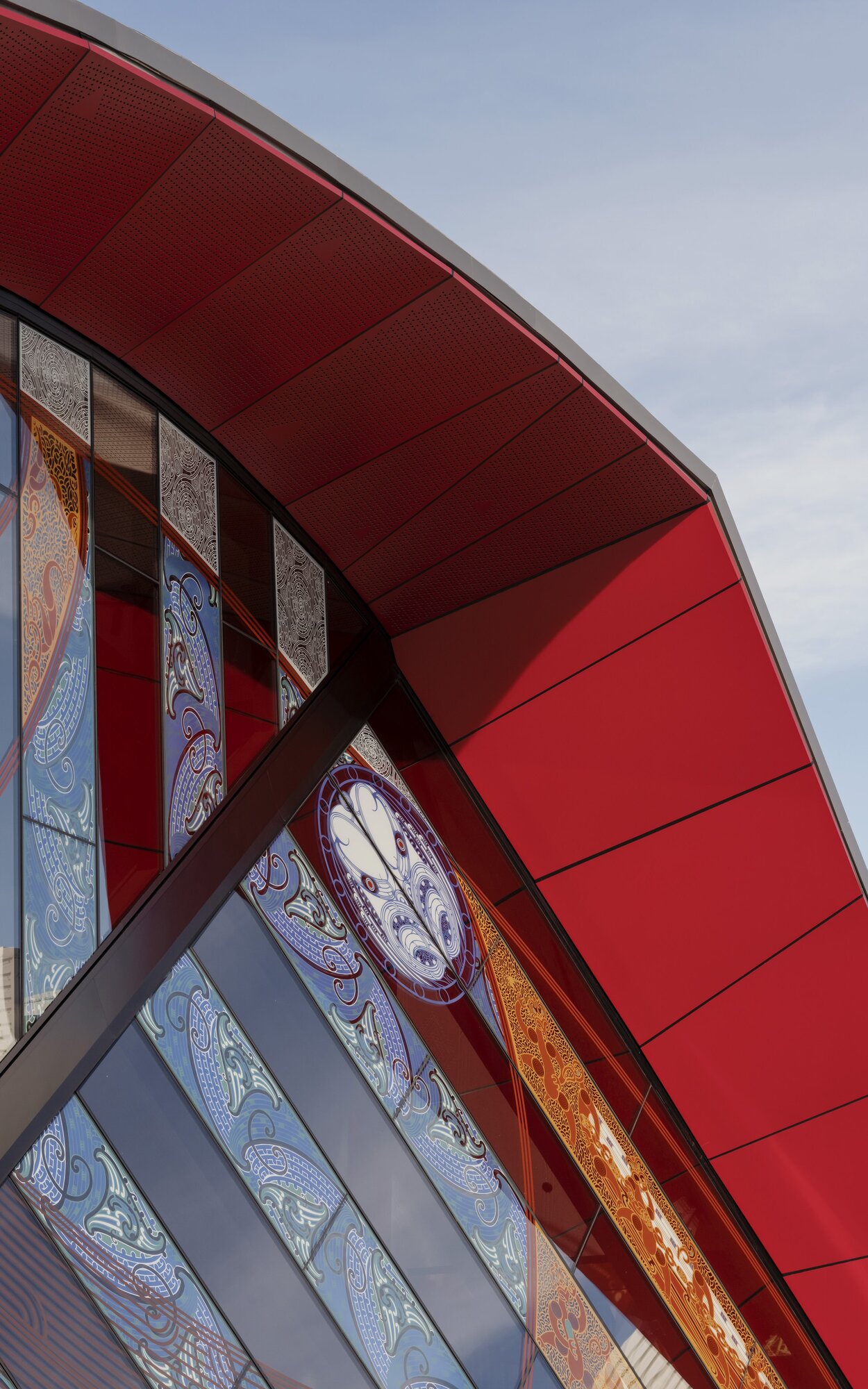
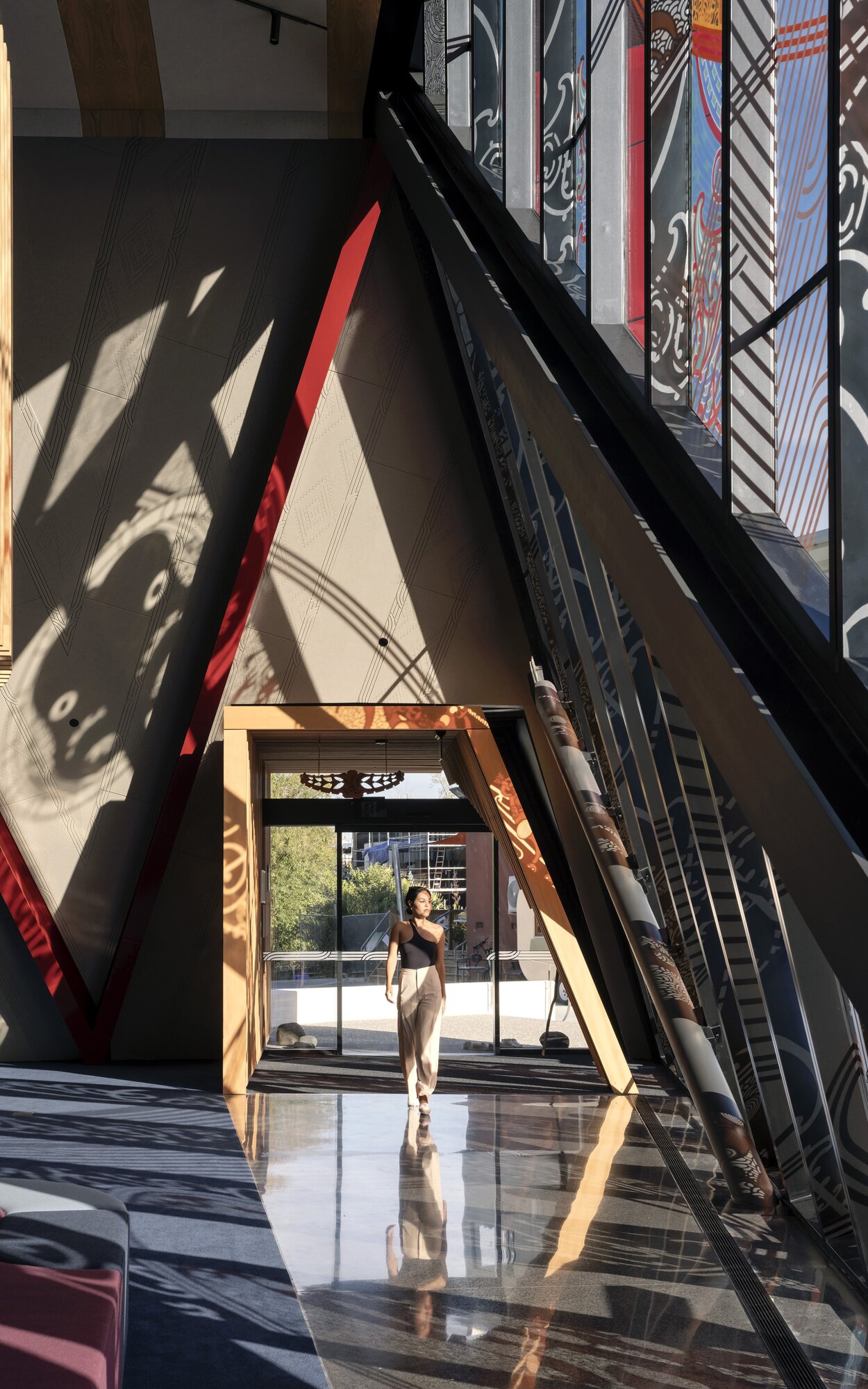
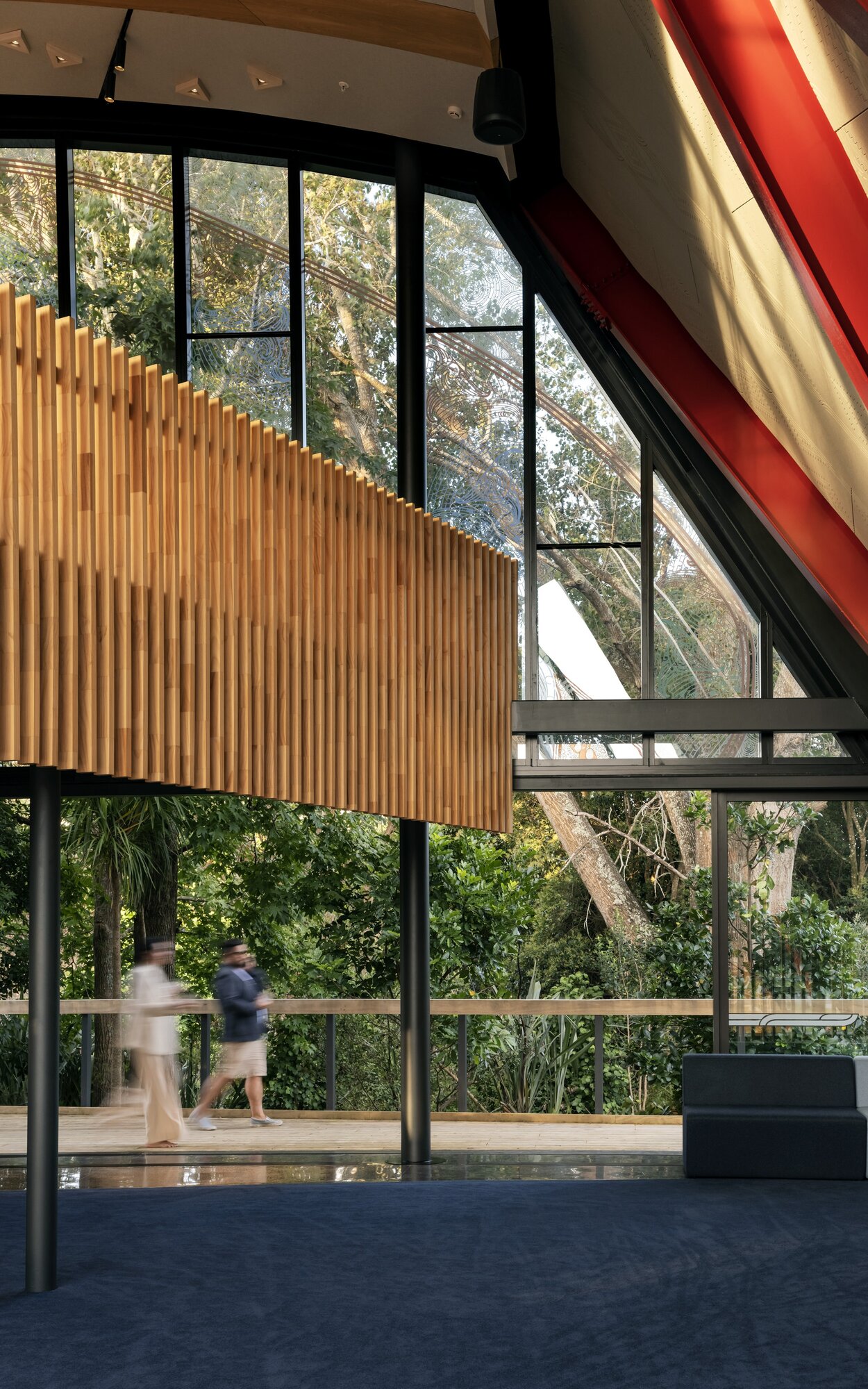
The practice designed Taumata o Kupe Nuku at Te Mahurehure Marae, Pt Chevalier.
That building is one of the most important in terms of modern Māori architecture in this country, according to Grant Bulley, formerly of TOA and more recently of the NZ Institute of Architects.
Inland Revenue will this week apply to liquidate the multi-award-winning Tāmaki Makaurau Office Architecture, which trades as TOA Architects.
A TOA spokesman said that for more than 12 years, the practice operated as a tax-compliant and growing practice.
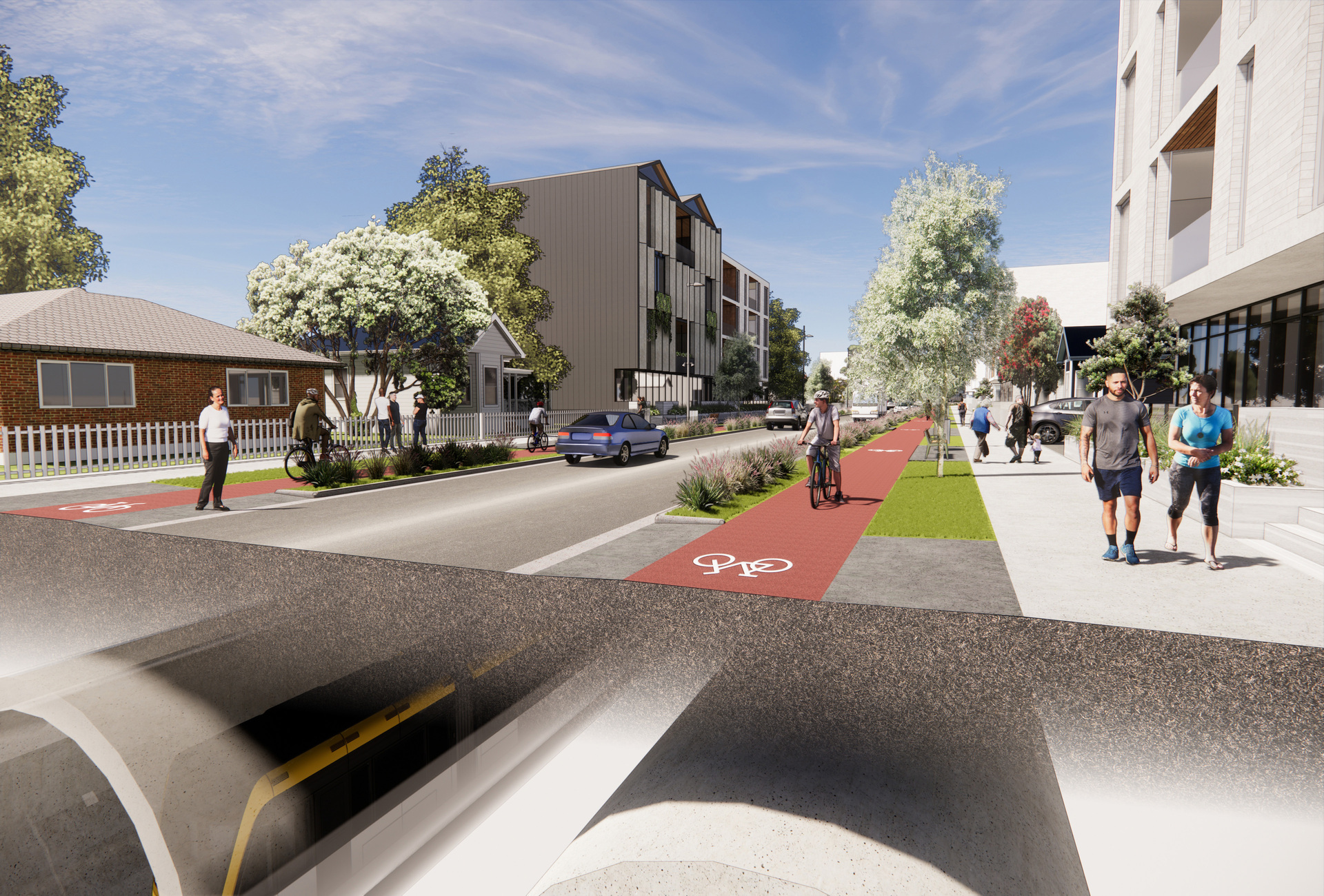
The turning point came following its involvement in Auckland light rail when it “invested significantly in people and capability in response to what was presented as a long-term, nationally significant programme of work”.
TOA grew to a team of 35 architects, designers and support staff, building the capacity required to deliver one of New Zealand’s largest infrastructure projects.
When that programme was cancelled, that anticipated pipeline of work disappeared almost overnight.
“TOA was left carrying the cost of a business that had been built to deliver a generational infrastructure programme, but without the revenue that programme was expected to generate.”
Although it continued to win and deliver quality work, the practice had to be restructured and cashflow came under sustained pressure, the spokesman said.

“Tax obligations fell behind and, over time, Inland Revenue penalties and interest became a significant contributor to the overall debt.”
While the original tax liability was substantial, the accumulation of penalties and interest transformed a position that may have been recoverable into one that became increasingly difficult to resolve.
Those penalties and interest continue to accrue and could be near $1m now.
For many months, TOA worked with legal and financial advisers and Inland Revenue to explore every available option to resolve the position. Significant settlement proposals were put to Inland Revenue, but were ultimately declined.
The Inland Revenue liquidation application followed those discussions, the spokesman said.
“Despite genuine efforts to reach an agreed settlement, those negotiations were ultimately unsuccessful, leaving the company with very limited remaining options.”
From there, two realistic pathways emerged.
The first was to recapitalise the existing company with sufficient new investment to satisfy creditors and restore the balance sheet.
This remained the preferred outcome and notable potential investors have come forward. However, the level of capital required within the available timeframe made that increasingly difficult to achieve, the spokesman said.
The second option was to establish a new company, attract new investment into that entity and, subject to the required legal process, create the opportunity for the practice, its people, clients and projects to continue.
While the existing company would enter liquidation, the intention would be to preserve the practice, protect as many staff as possible, provide continuity for clients and projects, and ensure that 16 years of relationships, specialist capability and kaupapa were not lost.
Both pathways continue to be actively pursued, the spokesman said.
Comment was sought from IRD but not received.
On April 20, Inland Revenue applied to the High Court at Auckland to put the company into liquidation.
Its application to terminate the business, founded by Nicholas Dalton in 2010, is scheduled to be heard on Thursday.
Two businesses and two banks have registered security over Toa, records show.
Business payment platform Procuret and Ricoh Finance are two, indicating they are preferential creditors.
ASB Bank at its head office on North Wharf and the ANZ Bank also have registered securities.
Norling Law is understood to be representing TOA. The specialist litigation and dispute resolution firm has a core focus on insolvency and restructuring.
An institute spokesman said it was giving advice to architects who struggled financially.
“As part of the support we offer our members, we provide guidance on a range of business issues, including in the unfortunate instances where they need to wind up a business or dissolve a partnership.
“Over the past year we have sadly seen a number of these inquiries, and provide the appropriate guidance in all instances,” he said.
Auckland’s Houston Architects NZ went into liquidation in December, although it had ceased trading before liquidation.
All employees were let go before the liquidation.
In 2019, Paul Brown Architects was liquidated. Its work included Auckland’s Connaught apartments where unit owners were levied $46m for defects.
Other liquidations included Andre Hodgskin Architects in 2007, Leuschke Group Architects the same year, Saunders Architects in 2019, Gisler Architects in 2017 and Evolution Architects in 2005.
A spokeswoman for credit business Centrix said nine companies doing architectural work were liquidated in 2022, eight in 2023, seven in 2024, 20 last year and three this year.
TOA has big standing in the architectural community, with Dalton a member of the Auckland and Northland area judging panel for the institute awards this year.
The Pt Chevalier marae building is an education centre and won an Auckland area regional then national award from the NZ Institute of Architects.
The colourful glass-clad structure also won a Best award from the Designers Institute of New Zealand.
It has featured in a number of documentaries, including The Drawing Board.
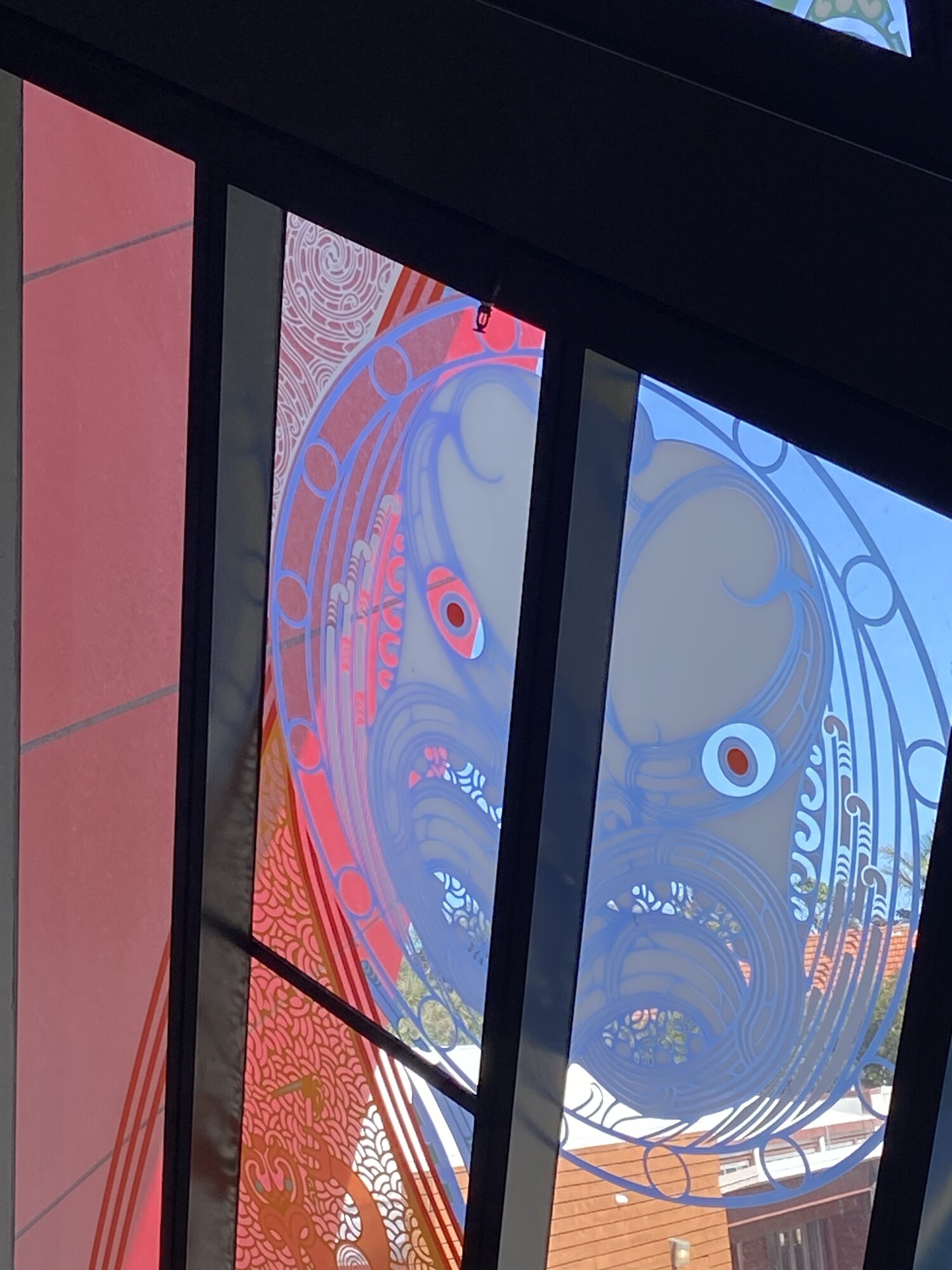
The building was shortlisted for a best use of colour prize at the 2024 World Architecture Festival in Singapore.
TOA has seven NZIA awards, the institute’s website showed:
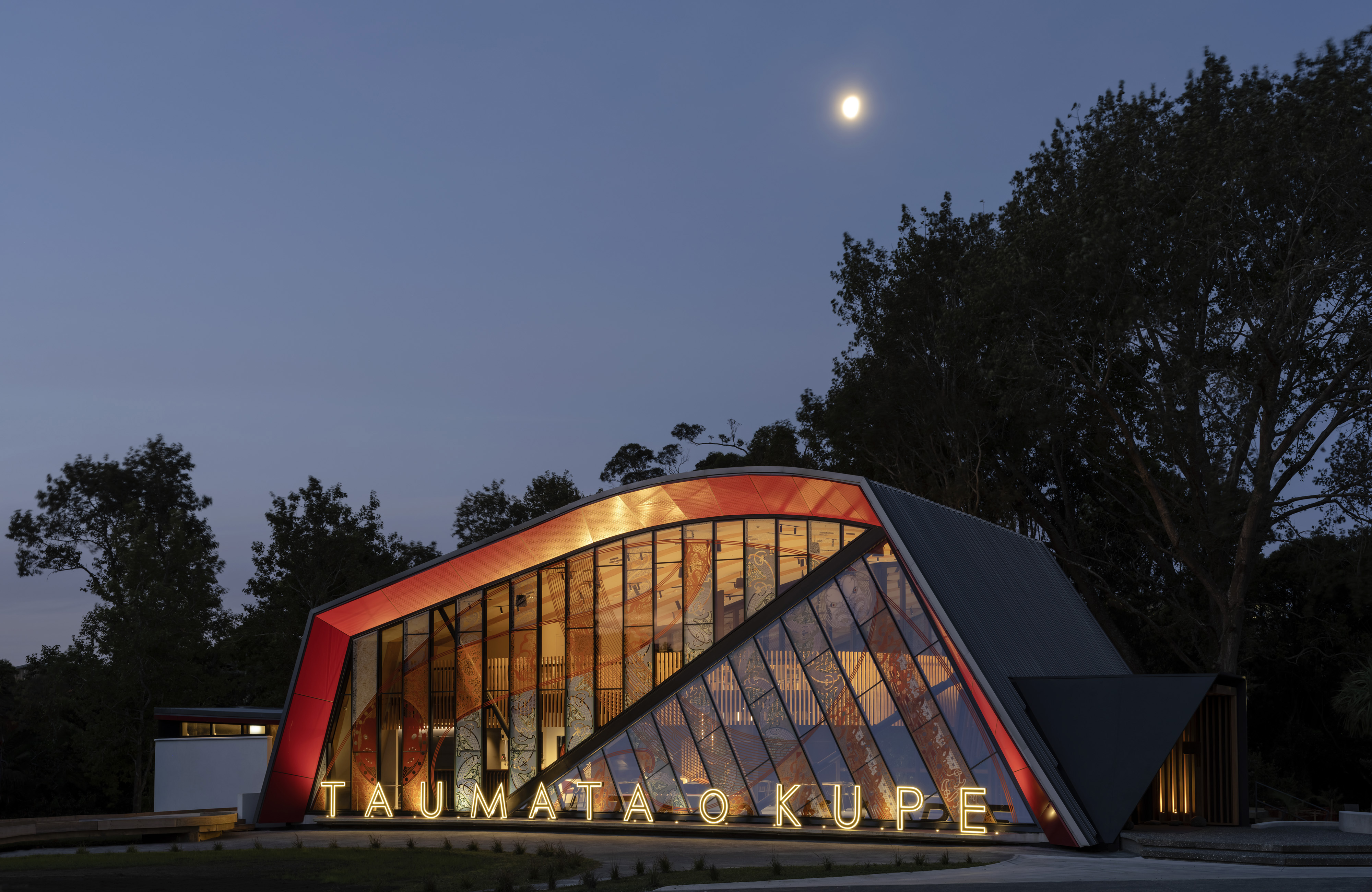
The Pt Chevalier building was designed to revitalise mātauranga Māori, particularly legendary Polynesian navigator Kupe.
The institute said in 2023 the marae building was heroic in ambition, reach and execution, a remarkable result following decades of work and commitment from numerous people.
It illustrated the determination and perseverance of the Te Mahurehure community.
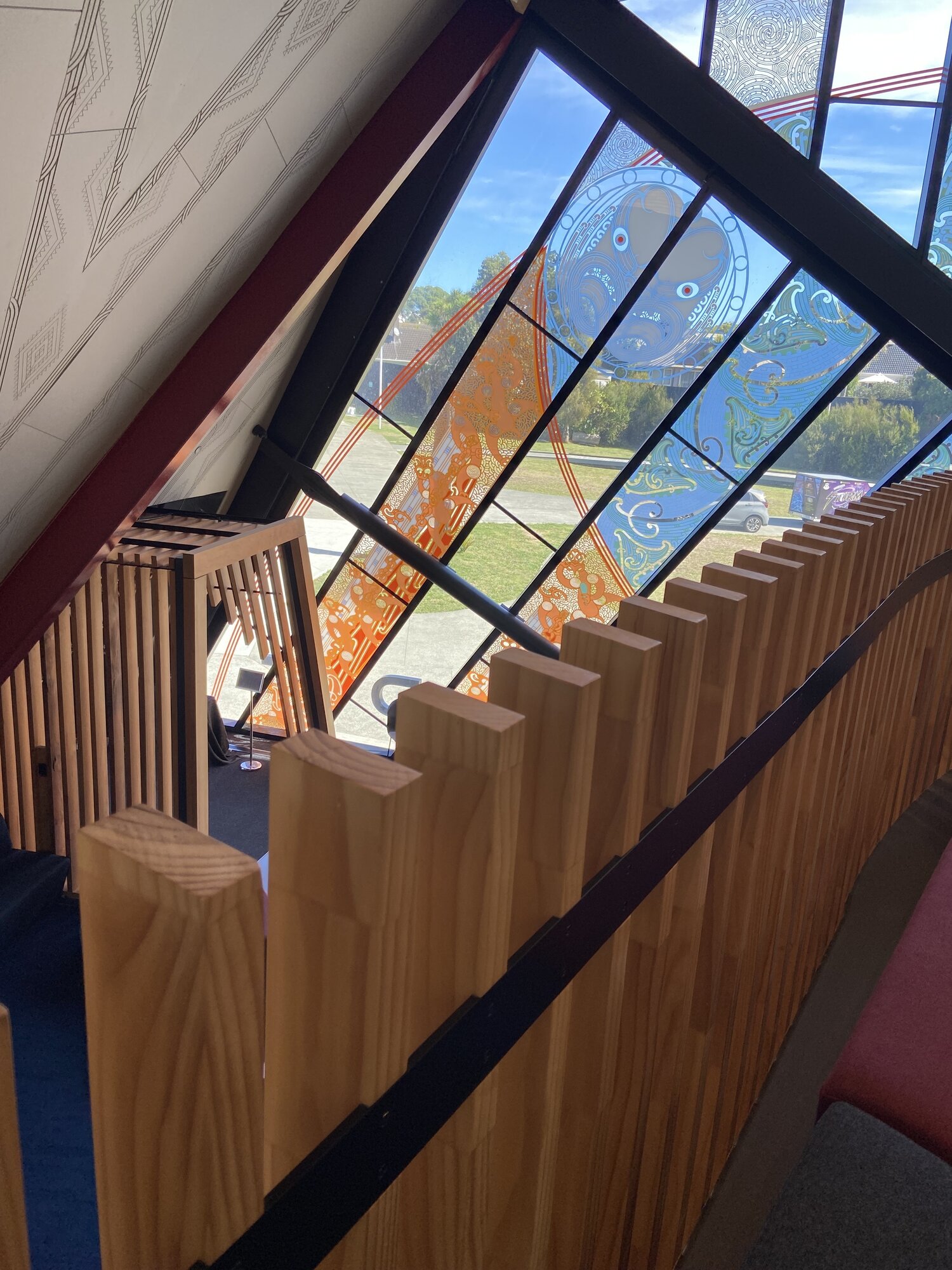
The building also embodied the spirit of Kupe and represents his journey to Aotearoa.
The unique external form frames stories and histories embedded in the glass window wall, which in turn projects shadows deep into the building interior, where a range of dynamic spaces and volumes provide for a variety of uses and functions, the institute said.
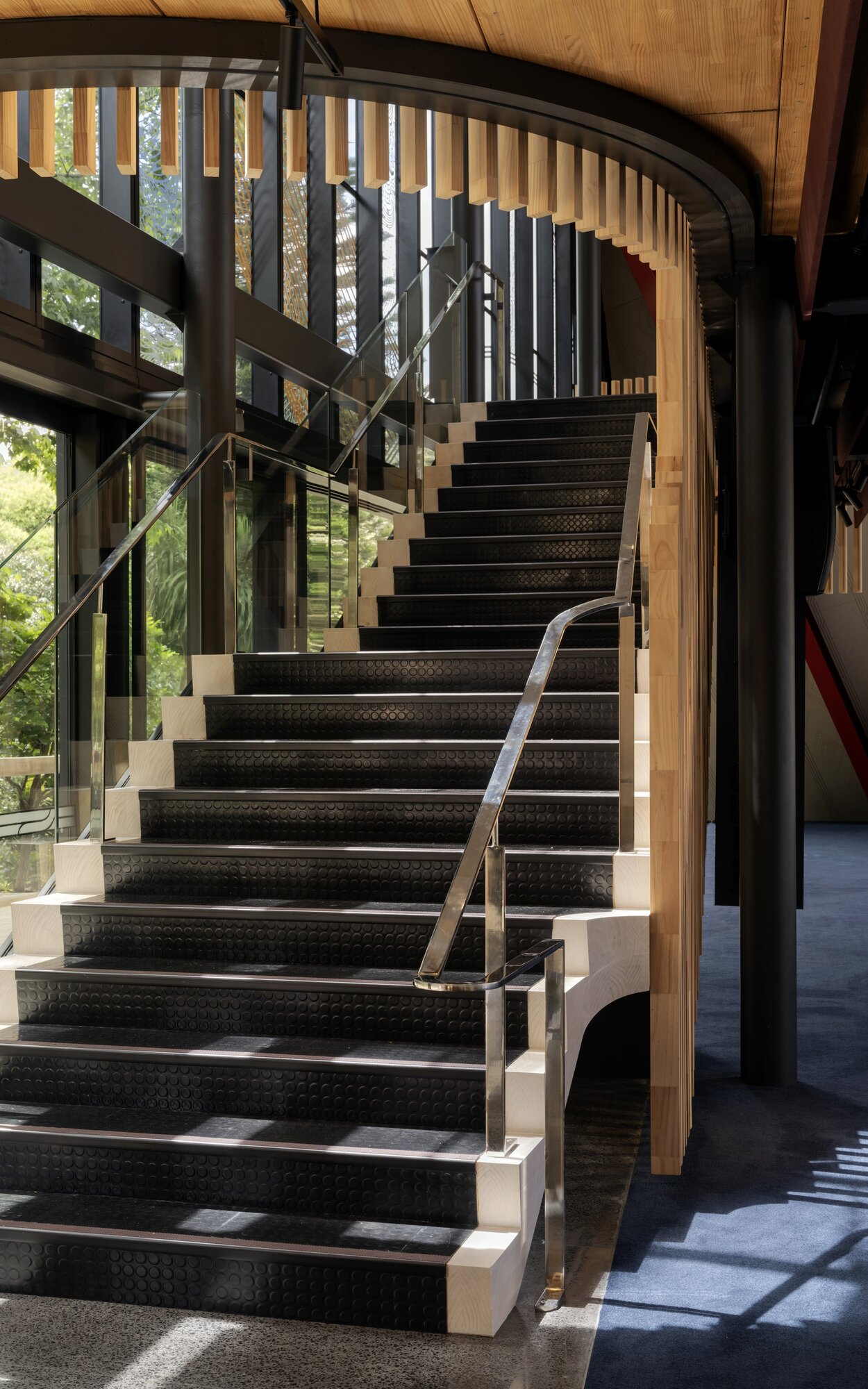
The exceptional project established a new home and a new way of informing and defining the future, the NZIA said.
The Guardian’s Oliver Wainwright wrote about it in an article headlined “stunning new buildings expressing Māori pride”.
He told how the building embodied Māori pride through a sweeping waka-inspired structure.
Wainwright’s article was headlined “This is our beautiful castle”: the stunning new buildings expressing Māori pride.
Anne Gibson has been the Herald’s property editor for 26 years, written books and covered property extensively here and overseas.