On The Up: Retirement village alternative: HouseMe answers new residential demand
Families are buying transportable houses as alternatives to retirement villages, according to a house manufacturer’s chief.
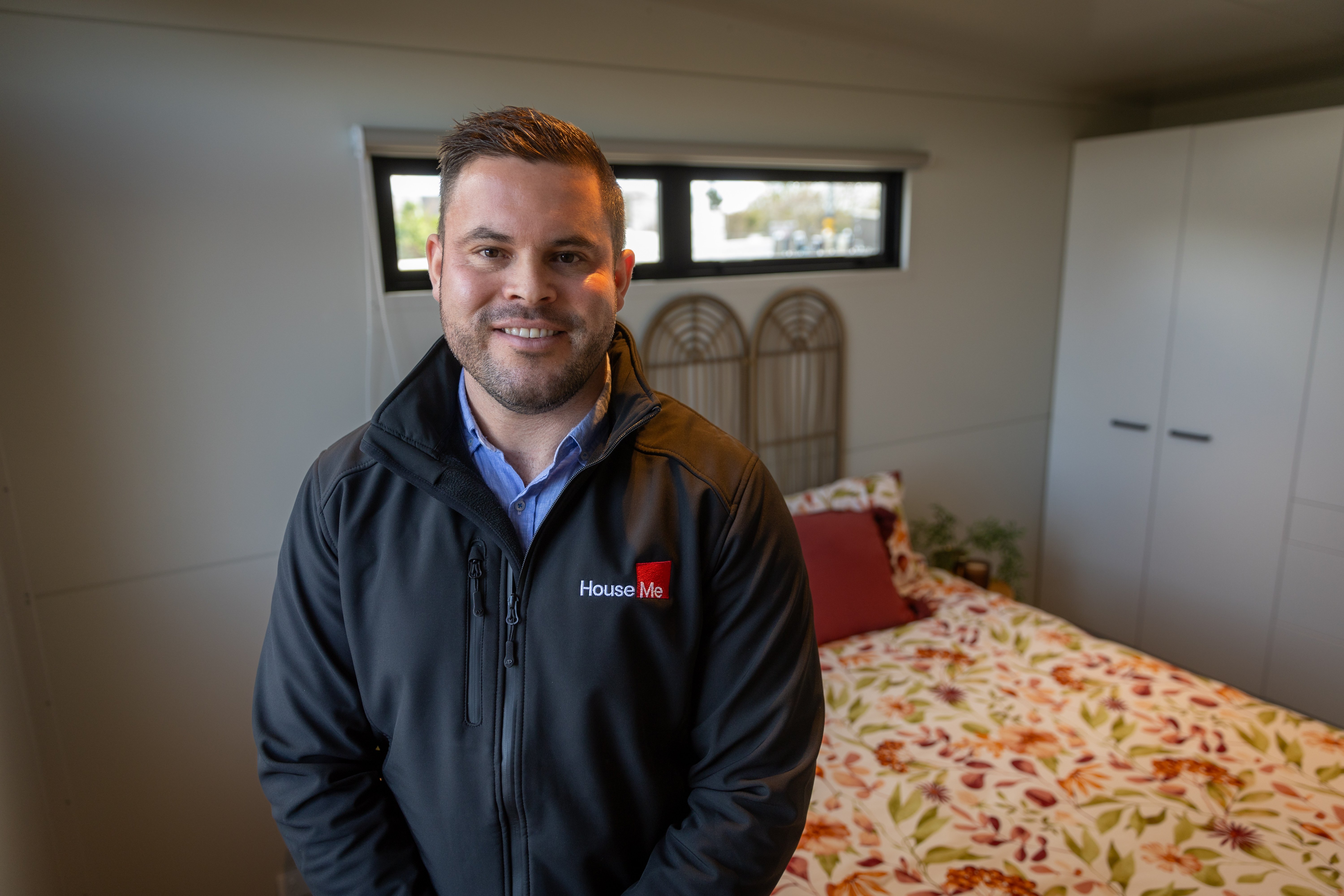
Bryce Glover, HouseMe’s Takanini-headquartered sales and marketing general manager, said a new trend had emerged.
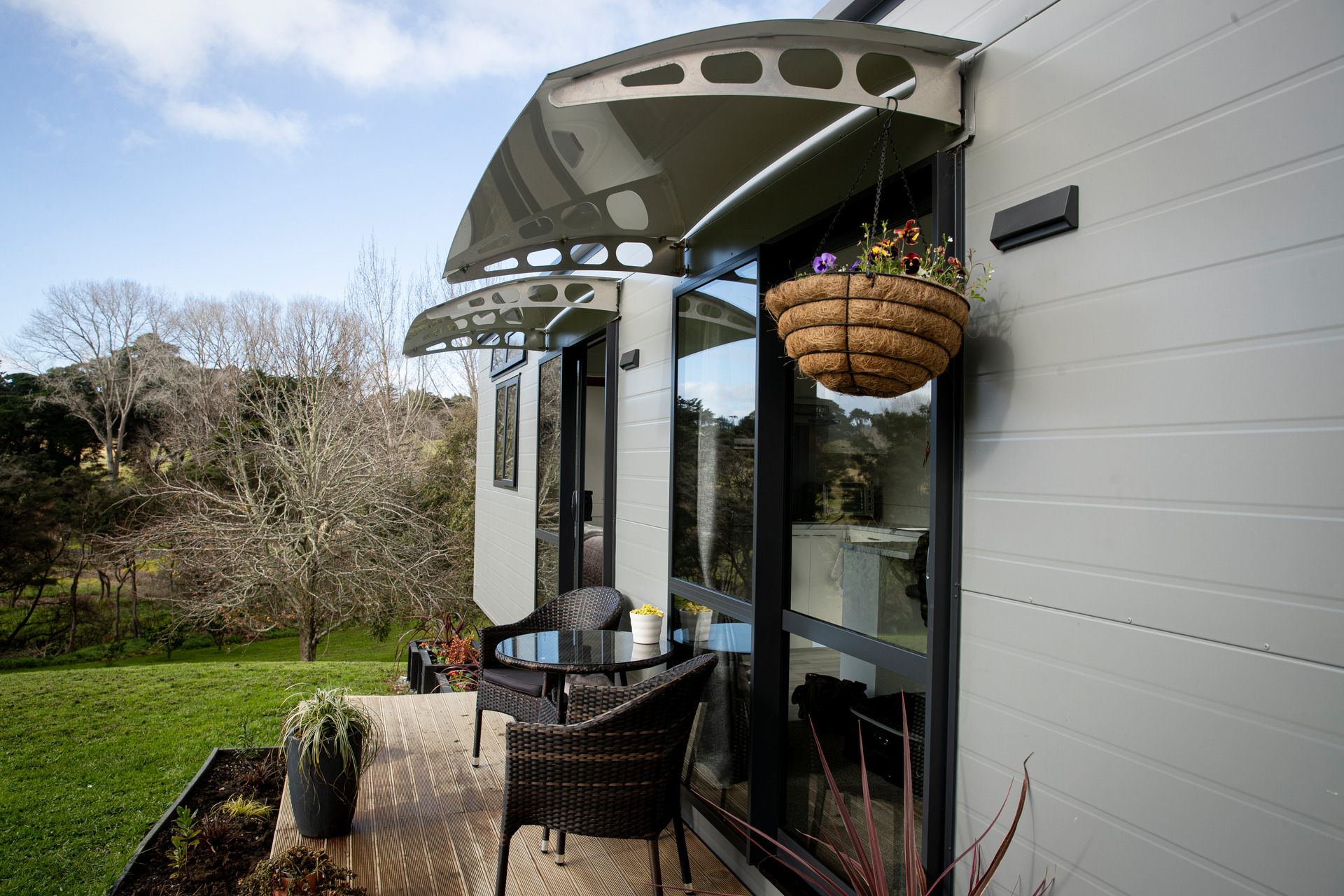
Families who owned a property with some extra ground were buying tiny houses priced from only $49,000 for their ageing parents, he said.
“More people are opting to put a fully self-contained unit on their property for mum or dad,” he said of people buying HouseMe stock.
That gave them a way to escape retirement villages but also keep the parents closer.
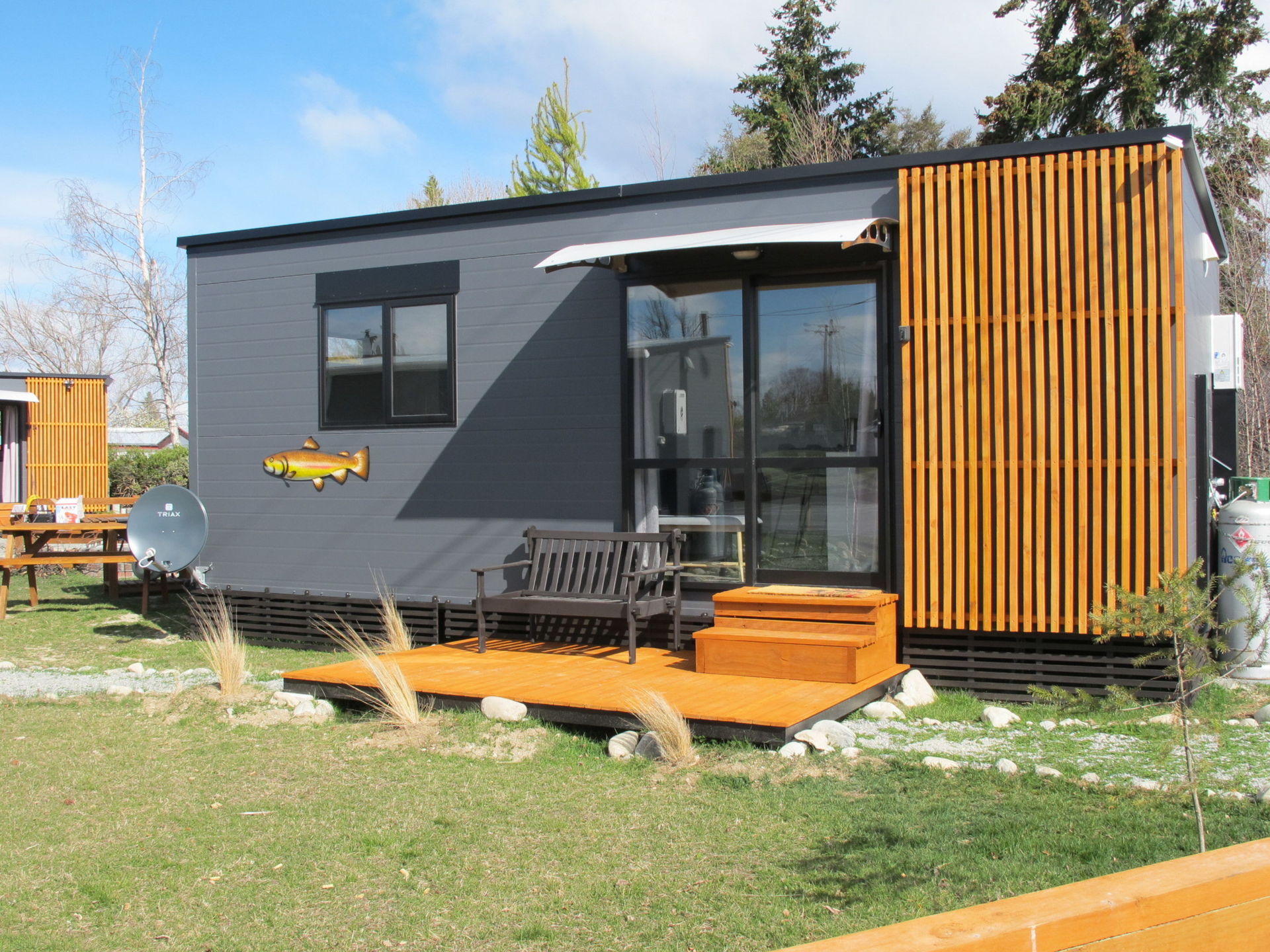
“It’s not only far more economical, but being nearer to family does wonders for people’s wellbeing,” Glover said.
But Graham Wilkinson, owner of national retirement village business Generus Living, called the places “shacks” and said they were no real alternative.
“No companionship or engagement - think loneliness and dementia, no certainty of cost, no pathway to care and at the end, assuming you can sell a relocatable shack, you are likely to incur a loss. You get what you pay for,” Wilkinson said.
Glover said the trend was not dominant in any one city, region or area but throughout New Zealand.
Most retirement villages keep 25% to 30% of people’s money, give no capital gain and charge weekly fees.
Ryman Healthcare, Metlifecare, Summerset Group, Oceania Healthcare, Bupa and Arvida Group are the dominant businesses in the sector.
The JLL annual retirement study estimated that 53,444 people lived in retirement villages by December 2023.
That is only a fraction of the over-75 population, ageing in their own homes.
Even with a village population of 53,000, that is only 13% of the estimated 383,000 New Zealanders aged 75-plus.
JLL says New Zealand has 41,111 village units in 470 villages.
JLL found Auckland had the most villages: 12,613 units in 106 villages, which are homes to an estimated 16,397 people. The city also has larger villages compared with the rest of the country: 119 units per village.
Retirement Commissioner Jane Wrightson wants documents simplified, chattel responsibility clarified, a better complaints system and exit provisions to be fairer.
Labour MP Ingrid Leary has drafted a bill to force retirement villages to pay capital sums to residents moving to higher care levels, or to families once a resident dies.

HouseMe has quickly become a New Zealand housing market success story.
It was founded 18 years ago but was reported last year as recording 143 per cent growth between 2021 and 2024.
HouseMe built 17 homes in the year to October 2021. In the March 2024 year, it built 285 homes valued at approximately $33m.
That is according to BCI, which tracks 152 house-building companies.
HouseMe is now New Zealand’s sixth busiest housebuilder, creating 287 residences valued at $36m in the April 2025 year.
While a string of off-site prefabricated home companies have failed in the last few years, HouseMe has built more than 5000 homes.
Six of its seven offices are in the North Island. In Christchurch, it has a showhome at Wigram.
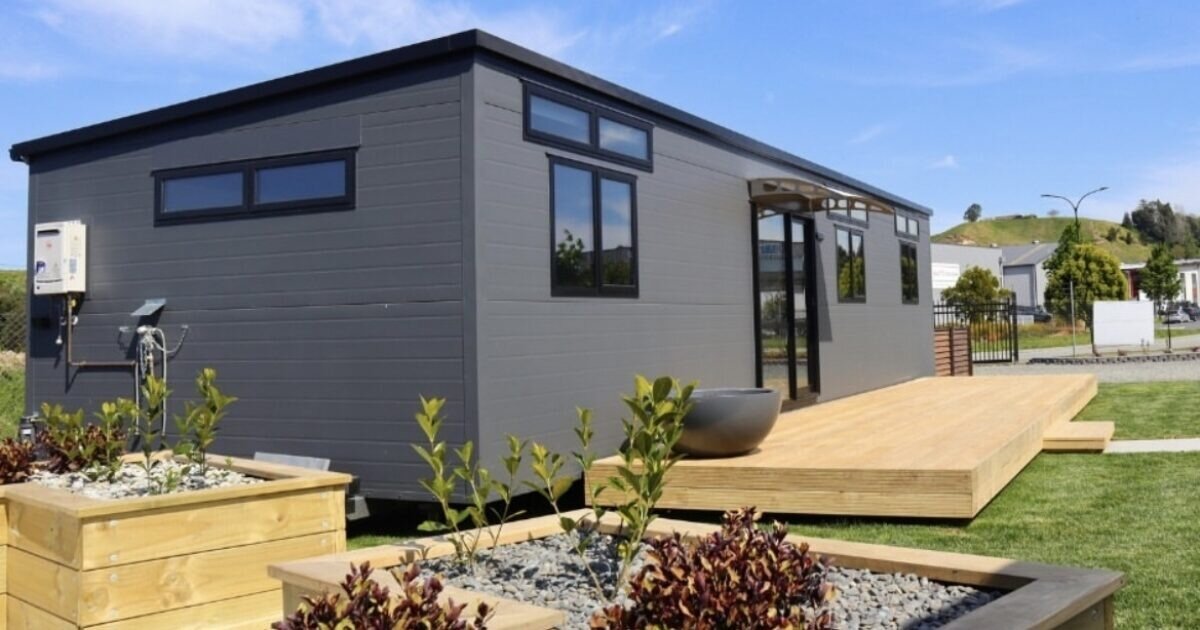
Its best-seller is a 42sq m two-bedroom $125,000 house. That does not include land, earthworks or delivery, but does include code compliance certification.
A 15sq m studio with no kitchenette or ensuite is $49,500. A 15sq m place with a kitchen and end bathroom is $55,000.
In 2021, a HouseMe client featured in Herald publicity about prefabricated homes, headlined Home truths: Are prefab homes the answer to high house-building prices?
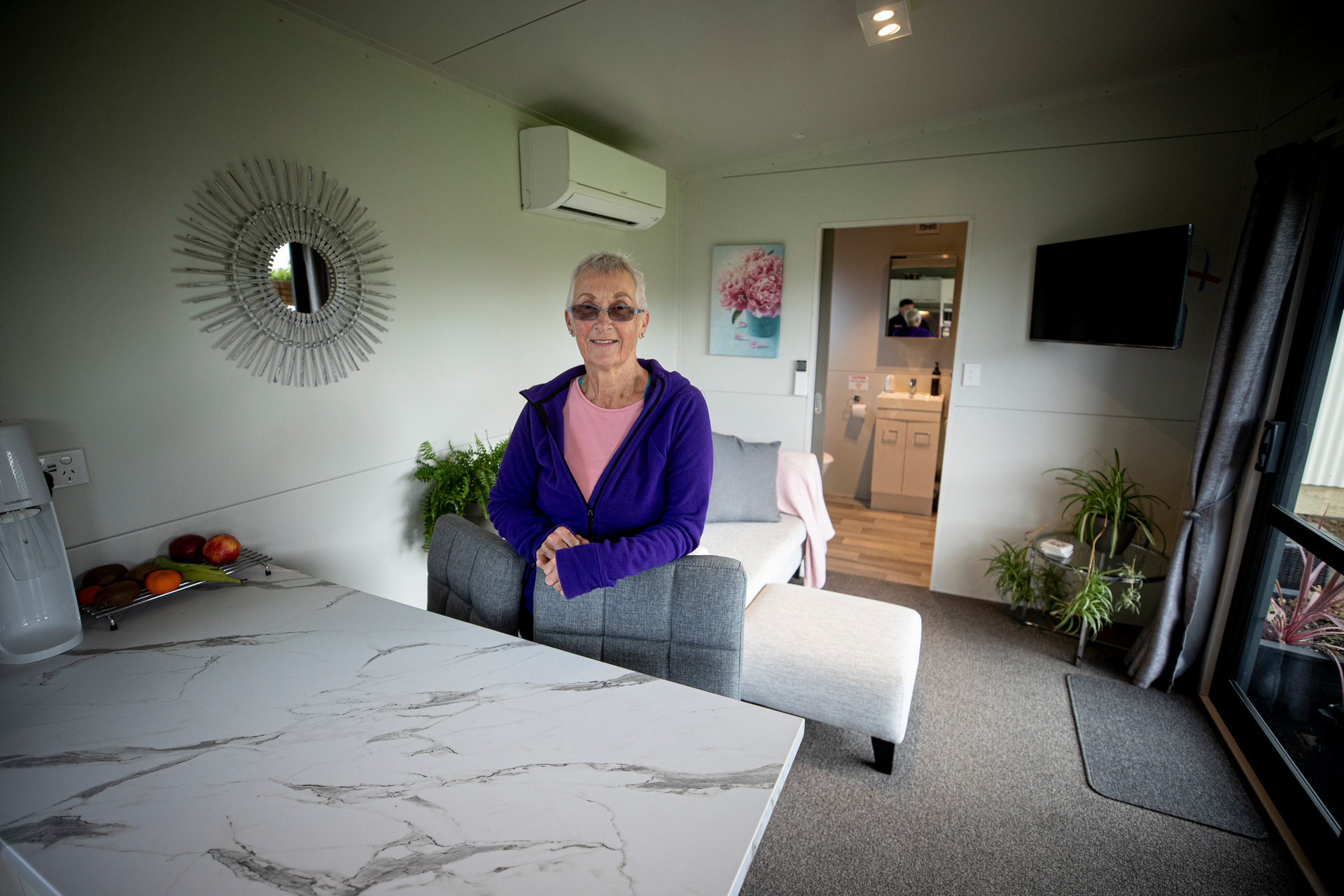
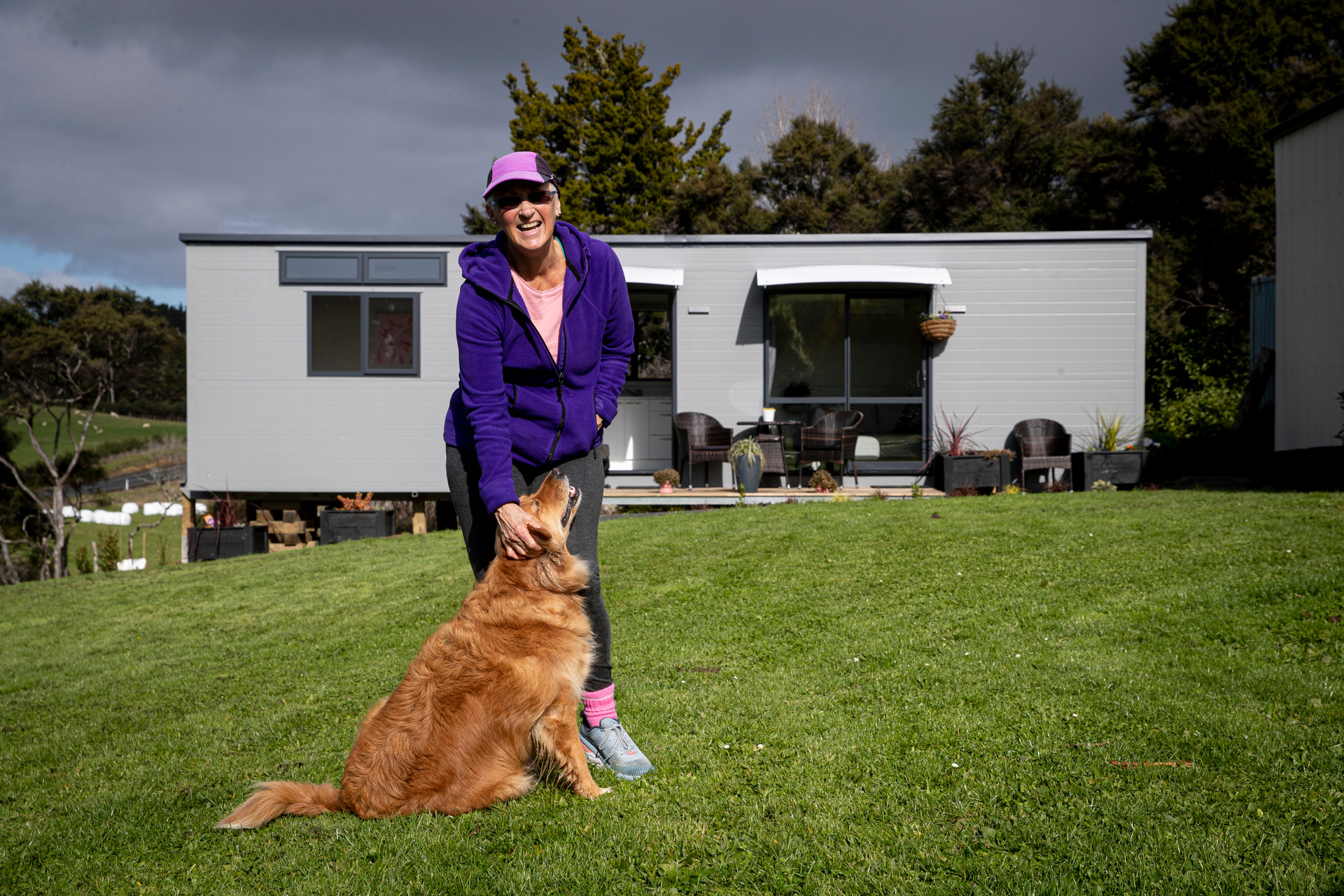
Diane Wood realised she needed a change after her partner died, and maintaining her motor home became too much for her.
Encouraged by her son-in-law, she bought a tiny home from HouseMe for $75,000 and was enjoying living in it on her section north of Auckland.
Glover said demand from families for homes for their parents was evenly spread geographically.
“No one region is standing out and that’s because the ageing population issue is nationwide. It’s not just a housing crisis any more, it’s an aged-care crisis too.”

Older people did not want to be “shipped off to another town just to get a bed in a retirement or lifestyle village. So instead, we deliver the home to them, straight onto the family’s existing property," Glover said.
Retirement Village Residents Association president Brian Peat said he knew people buying transportable homes in Auckland to avoid retirement villages.
“People are uncomfortable about the retirement village law in New Zealand. They worry about financial stress, losing capital, not getting capital gains and waiting months or even years to be paid out once residents die.”
Anne Gibson has been the Herald’s property editor for 25 years, written books and covered property extensively here and overseas.