Milenta denied retrospective consent for Auckland restaurant building at Victoria Park
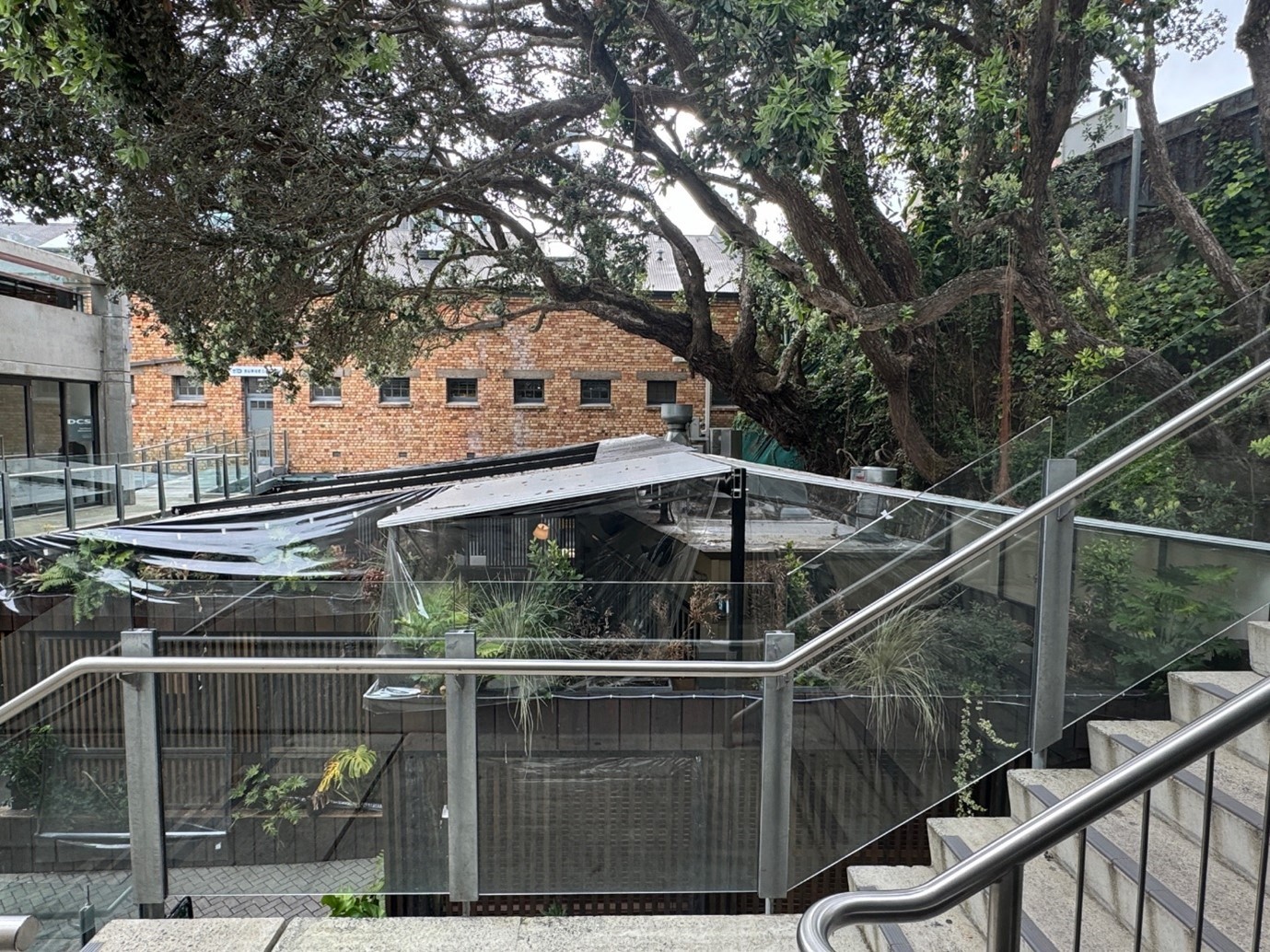
An Auckland restaurant, which hosted a celebrity’s engagement party and scored 19 out of 20 by reviewer Jesse Mulligan, has failed to win retrospective consent, meaning the building is illegal.
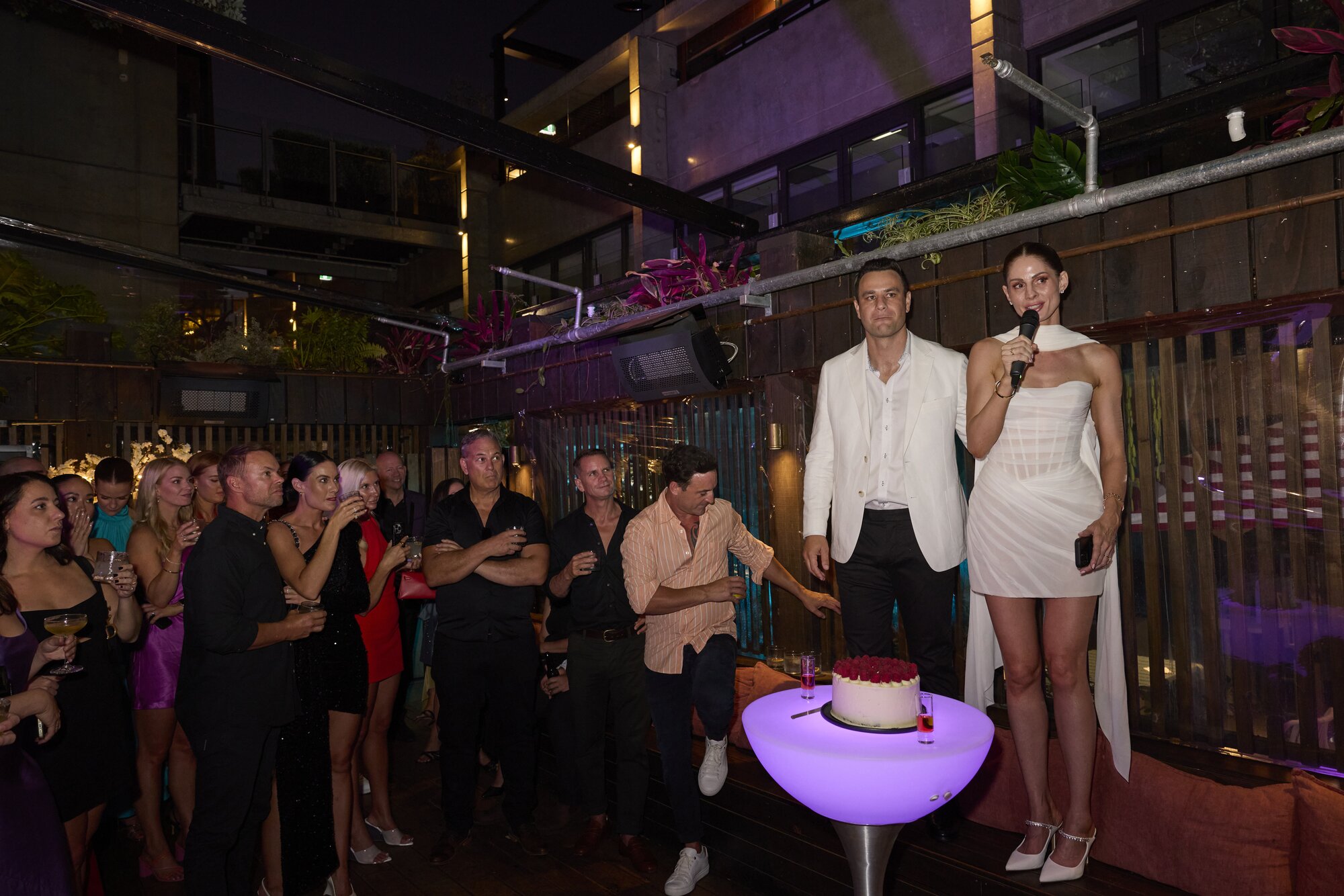
Milenta, operating for the last four years, was the venue last March for the engagement party of broadcaster Wilhelmina Shrimpton and her fiance, rugby referee Ben O’Keeffe.
But its owner has failed in an attempt to have the building declared legal, even though the restaurant in Victoria Park Markets has been trading since early 2022.
Independent hearing commissioner Heike Lutz turned down the application from VPM Investments to have the restaurant at 210-218 Victoria St West declared legal in a decision released this week.
The restaurant is beneath Drake St, below a pōhutukawa which is protected and in a courtyard meant for wider use.
Adverse effects on heritage values, character and amenity were more than minor and had not been adequately avoided, remedied or mitigated, Lutz found.

Jesse Mulligan said Milenta was “ideally placed to catch the summer crowd, and would be my number one place to spend a balmy Auckland evening”.
He scored it 19 out of 20, in the category classed as “outstanding, don’t delay”.
The site is owned by Grigori Koulanov, a New Zealand entrepreneur, investor and business owner, via VPM Investments.

Koulanov told the panel the restaurant was a lightweight, predominantly timber structure within a courtyard.
It was intended to activate an underutilised part of the precinct.
He wanted to support the ongoing commercial viability of Victoria Park Markets and to do so in a manner that was reversible, sensitive to heritage values, and consistent with the character of the precinct.

The restaurant had been operating for some time and had become a popular destination, contributing positively to foot traffic and vibrancy, he told the panel.
Koulanov said that, based on his observations as a landlord within the precinct, the restaurant had improved passive surveillance, perceptions of safety, and visitor dwell time, and had complemented the existing mix of activities.

Yet neighbours complained.
“Having a smelly, noisy, rickety, unconsented eyesore in the middle of a heritage precinct and putting the life of protected trees in jeopardy would be reckless being approved by Auckland Council.
“We request the resource consent be rejected, Milenta shut down and removed, leaving what should be a courtyard being able to be shared by the general public,” a neighbour said in objecting to the operation.

In a statement, VPM Investments acknowledged the declined application.
“We are disappointed by this decision and are currently taking legal advice on our options in response to this decision, including the possibility of an appeal.”
VPM said as the owner of the site on which Milenta sits, it had an established right to erect decks and canopies of a similar scale and visual character to the proposed consent which was declined.
“Independent reports commissioned by VPM confirm the building meets the current building code, that the adjacent pōhutukawa tree is healthy, and that the venting system meets required air quality standards.”
VPM said the resource consent denial related to a small commercial kitchen within the site and without that kitchen the site would look much the same, “however, we believe the ambience enjoyed by patrons of Milenta will be diminished as a result”.
But Joanna Pidgeon, of Pidgeon Judd Law, said construction of the restaurant building was in an area which was supposed to be in a pedestrian walkway and courtyard area for all owners and occupiers.
It was built without body corporate consent, building consent or resource consent and was in a Historic Heritage Overlay area which makes obtaining consent harder, she said.
Victoria Park Market is a Category 1 historic place of national importance, particularly due to its industrial origins.
It was also found that the restaurant obscured views of significant heritage elements, including the Stables and the historic cliff edge, which interrupted important spatial relationships between buildings and reduced the ability to interpret the site’s historic function and layout, Pidgeon said.
“While the restaurant may have had some positive effects, including adaptive reuse, increased activity and vibrancy, and economic and social benefits associated with the restaurant, these benefits were not sufficient to outweigh the adverse effects identified,” she said.
As a body corporate complex, the unit owner should also have got written consent from the body corporate before building which did not happen, she said.
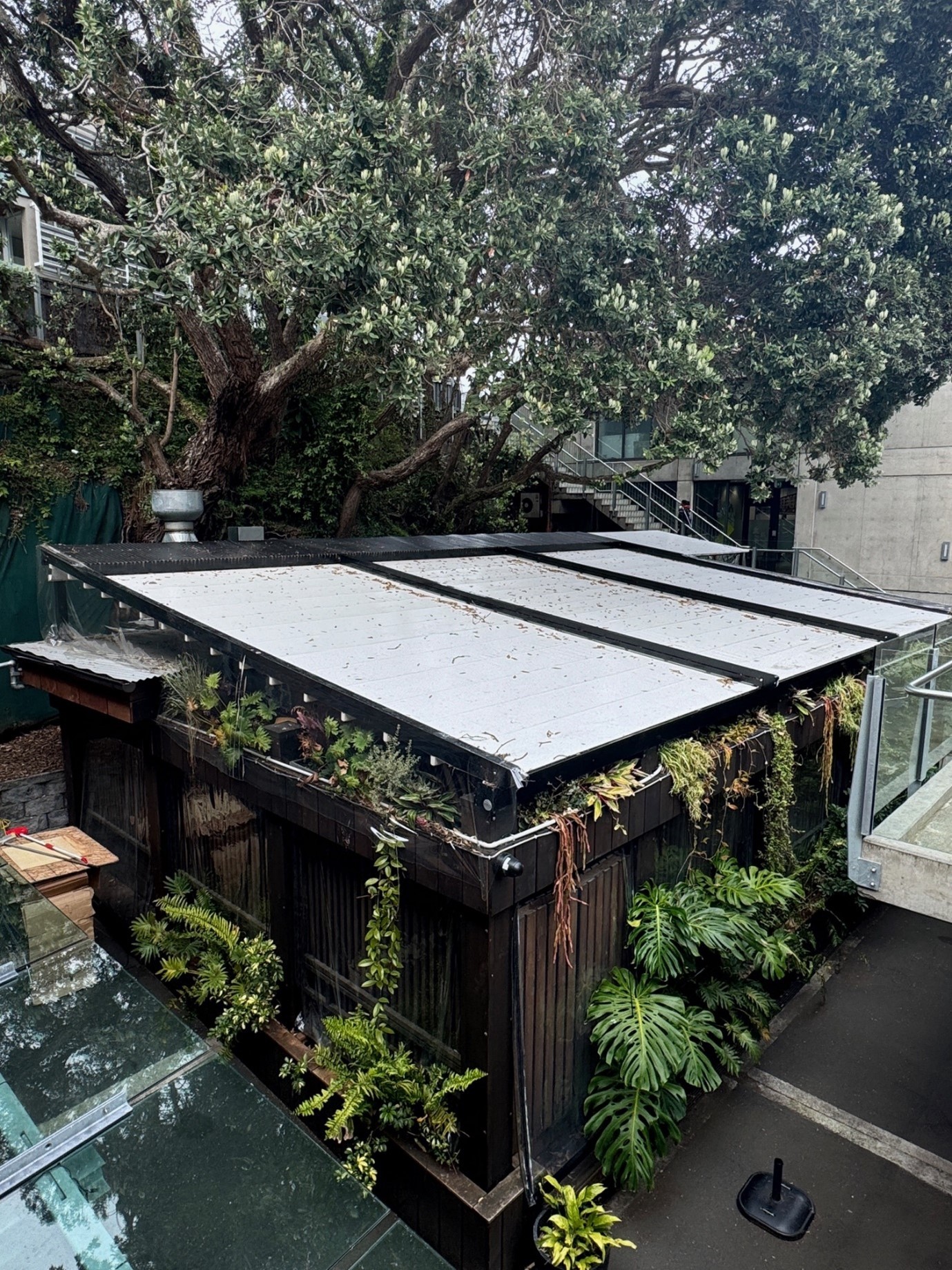
The siting of the restaurant in the courtyard meant some neighbouring unit owners had their shop fronts obscured, making their tenancies difficult to lease.
The decision notes that, as a matter of law, private property rights, including covenants and unit title governance arrangements, are generally not relevant to the determination of a resource consent application, and may be separately enforced.
The focus under the Resource Management Act was on the effects of the proposed activity on the environment, rather than on the nature of an applicant’s legal rights or obligations in relation to the land.

“Regardless of not being able to take those factors into account, no resource consent was granted. The applicants were not punished for building and operating without various consents and applying retrospectively, however it was still assessed as a non-complying activity,” Pidgeon said.
Owners in the complex, opposing the application for resource consent, look forward to the area being opened up again and available for use by owners, tenants and the public, rather than a private structure occupying what is supposed to be an area for everyone, she said.

This will enable all of the occupiers to seek to have a more engaging interaction with the courtyard space.
On the presumption that there is no appeal of the decision by the unit owner, if the outdoor restaurant is not demolished and removed, Auckland Council should take enforcement action, she said.
“This can range from informal communications asking for removal, to fines, court action and a requirement to remove the structure and cease the activity. Lack of consent may impact on the complex’s insurance also, so prompt action would be expected from both the body corporate and the council,” she said.
The Herald has sought comment from Koulanov.
Anne Gibson has been the Herald’s property editor for 26 years, written books and covered property extensively here and overseas.