Tauranga retirement village residents lose pathway fence dispute with Arvida

Residents of Tauranga retirement village Arvida Bethlehem Country Club lost a case they brought against the operator over a footpath closure and a fence being put up to stop them taking a shortcut to their clubhouse.
The issue arose after the operator decided to close a footpath and erect the fence.
That path had been used by residents to get to their clubhouse but now they have to take a longer way around to access communal facilities at the property at 111 Carmichael Rd.
In a rare step, a group living at the village in Tauranga took their case through the formal dispute resolution system and went all the way to a dispute panel hearing.
But privacy and disturbance concerns for adjacent villas were two defences for the path closure and fence construction, according to the decision published on the Retirement Commissioner’s website.
Residents in the Arvida village claimed the closure breached obligations under their occupation rights agreements and the code of residents’ rights.
They complained about inadequate consultation and sought fence removal and pathway reinstatement.
But Arvida argued it had the right to close that path, which was not a designated common area, and that adequate consultation had occurred.
Disputes panellist David Carden heard the case and ruled in Arvida’s favour last August.
Arvida chief executive Jeremy Nicoll did not want to comment on the outcome.

Arvida had the contractual right to remove or restrict amenities in common areas, including the pathway, as long as proper process was followed, the decision said.
The panel reviewed whether Arvida had met its obligations to consult affected residents.
“While not perfect, the consultation process met the required standards. The closure did not breach the applicants’ rights,” the decision said.
Arvida, represented by Lynne Van and general counsel Briar Malpas, applied for costs.
Residents would then have to pay for what the company incurred financially defending itself.
But that application was denied in the decision, issued on August 6 last year.
In the part of the village in this dispute, there are no footpaths but just roads. People had to walk down the roads with vehicles to get around the village on foot, it was noted.
The residents’ case was brought by Ian Davies and others, including Paul Whitehead, against Bethlehem Country Club Village, the decision said.
The disputed pathway was part of a longer path which runs from Bannockburn Lane to Te Anau Ave near the clubhouse.
The fence constructed now prevents direct access from Glenorchy Lane and Gibbstone Lane.
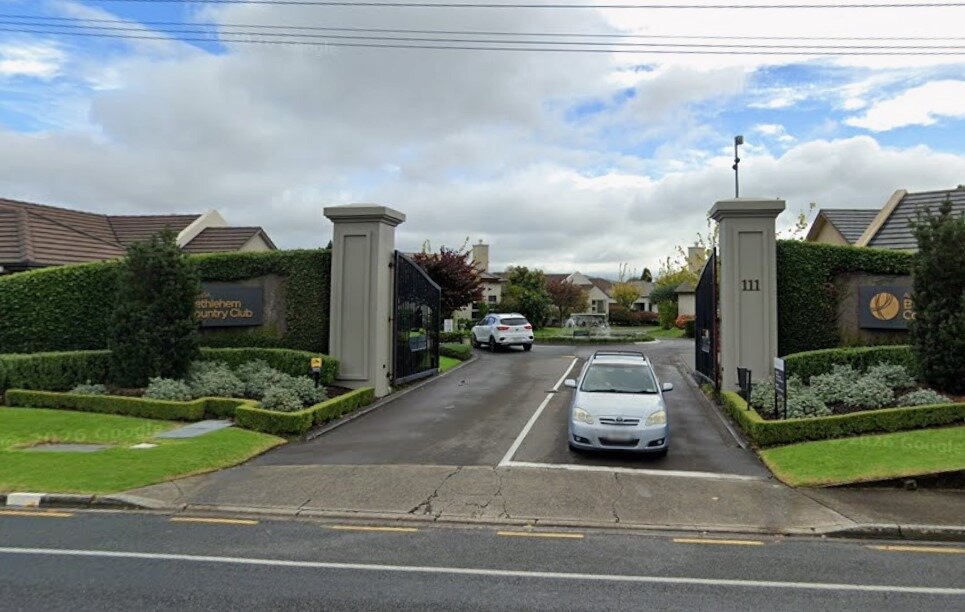
The case indicated the fence had been put up to protect privacy.
In 2023, a new resident moved into a villa at the village and raised concerns about the use of that pathway by other residents, specifically in relation to disruption and privacy.
That resident has since moved out “for reasons including the concerns about disruption and privacy”, the decision said.
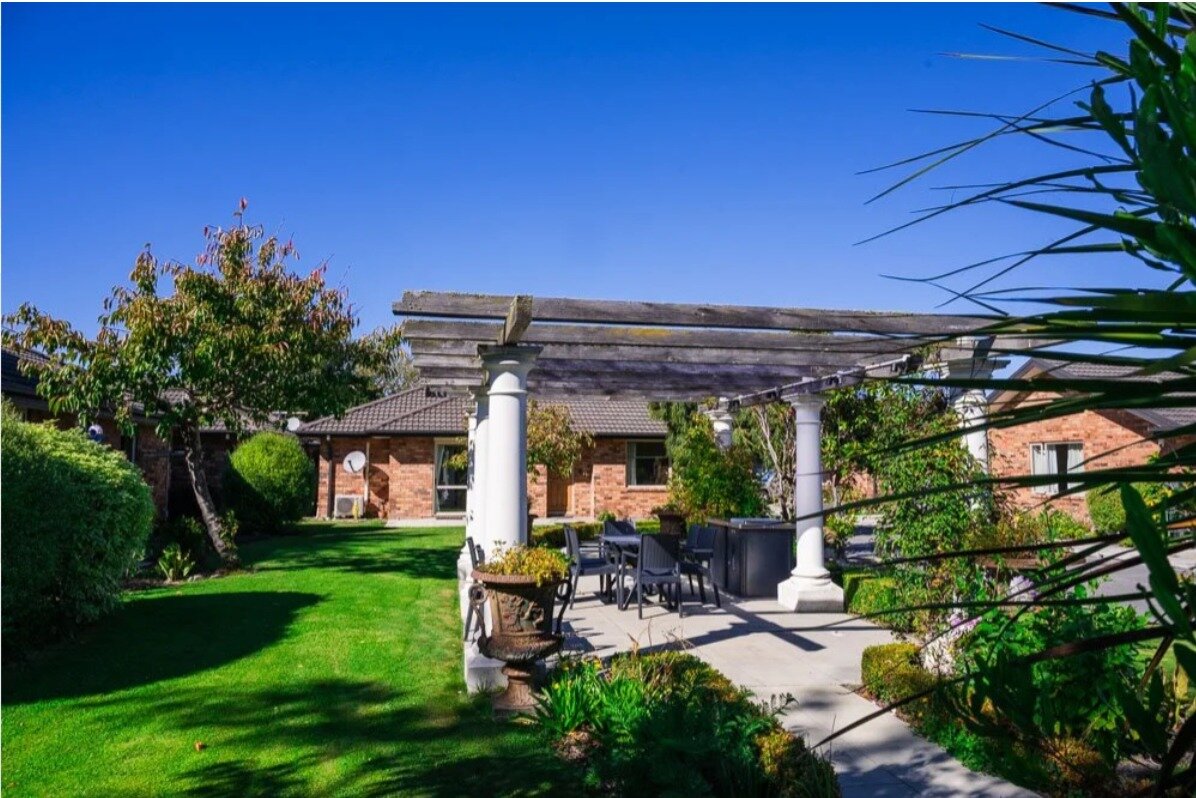
Residents have the right to occupy individual villas, which are surrounded by gardens and landscaping and have grassed areas meandering between them.
Over the years, paving has been laid and footpaths formed in parts of those grassed areas, the work being done either by residents or with the assistance of the village owner.
In 2024, the then village manager indicated the possible closure of the pathway, but emails were exchanged and a petition launched with feedback.
The complainants said the path had been used by residents, friends and staff for 14 years and was an integral connection between an avenue and a lane.
But the manager said the path was not a common area.
Eight residents provided witness statements at the hearing. Most of them were only identified by their villa number.

Witness statements also came from Ian Davies and Merlyn Davies. Concerns were expressed about safety issues and traffic risk in having to use the road to walk on.
Carden decided that Arvida did have the right to shut the path and erect the fence. There was no justification under the Retirement Village Act for a disputes panel to order removal of the fence from the pathway as was sought, he said.
The village operator had the contractual right to remove or restrict amenities in common areas, including the pathway, provided proper process was followed.
In Carden’s separate costs decision, he said he exercised his discretion to decline awarding costs to the operator.
That is because he decided that “on balance, conduct in this dispute favours the applicants rather than the village operator”.
Arvida is owned by America’s Stonepeak, after a takeover two years ago.
The case was one of only two posted on the Retirement Commission’s website for 2025.
The first case last year was a complaint brought by residents of a Christchurch retirement village, which was also rejected.
It concerned alcohol being banned at happy hour in a BBQ area.
Five residents of Condell Retirement Village in Bryndwr, Christchurch brought the case.
Most other disputes are settled without reaching that forum.
Anne Gibson has been the Herald’s property editor for 26 years, written books and covered property extensively here and overseas.