Kane Williamson calls time on legendary Black Caps career before second England test
By Andrew Alderson on the England test cricket tour
Kane Stuart Williamson, arguably New Zealand’s greatest cricketer, has declared his retirement.
The 35-year-old announced his exit from the game, before the second test against England at The Oval starting Wednesday.
“I’ve thought about it for a while, but over the last few days it’s become clear now is the right time,” Williamson said.
“I’ve always felt a strong drive and hunger for international cricket, and I take pride in knowing I’ve given it my all in every match I’ve played for New Zealand.
“Continuing with anything less wouldn’t be right and I feel fortunate to step away on my own terms.
“I leave feeling optimistic about where this group is heading. There’s a huge amount of talent, and a real desire to do something special with this New Zealand team.
“It’s a team I love, and I feel incredibly fortunate to have been part of it for so long. It will continue to be dear to my heart.”
Fans are left to bask in the glory he bestowed upon the sport during a 15-year international career.
Let’s be clear. The numbers, out of respect to Williamson, are of limited importance in this narrative… at least to him.
We can dispatch the likes of most New Zealand test runs (9515), most centuries (33) and astonishing average (54.06) to cow corner.
Of more value to the 110-capped veteran will be one World Test Championship, two 50-over World Cup finals, and a T20 World Cup decider. His captaincy record in the longest format, with 22 victories, 10 losses and eight draws from 40 matches in charge, surpasses the best of any other permanent national skipper.
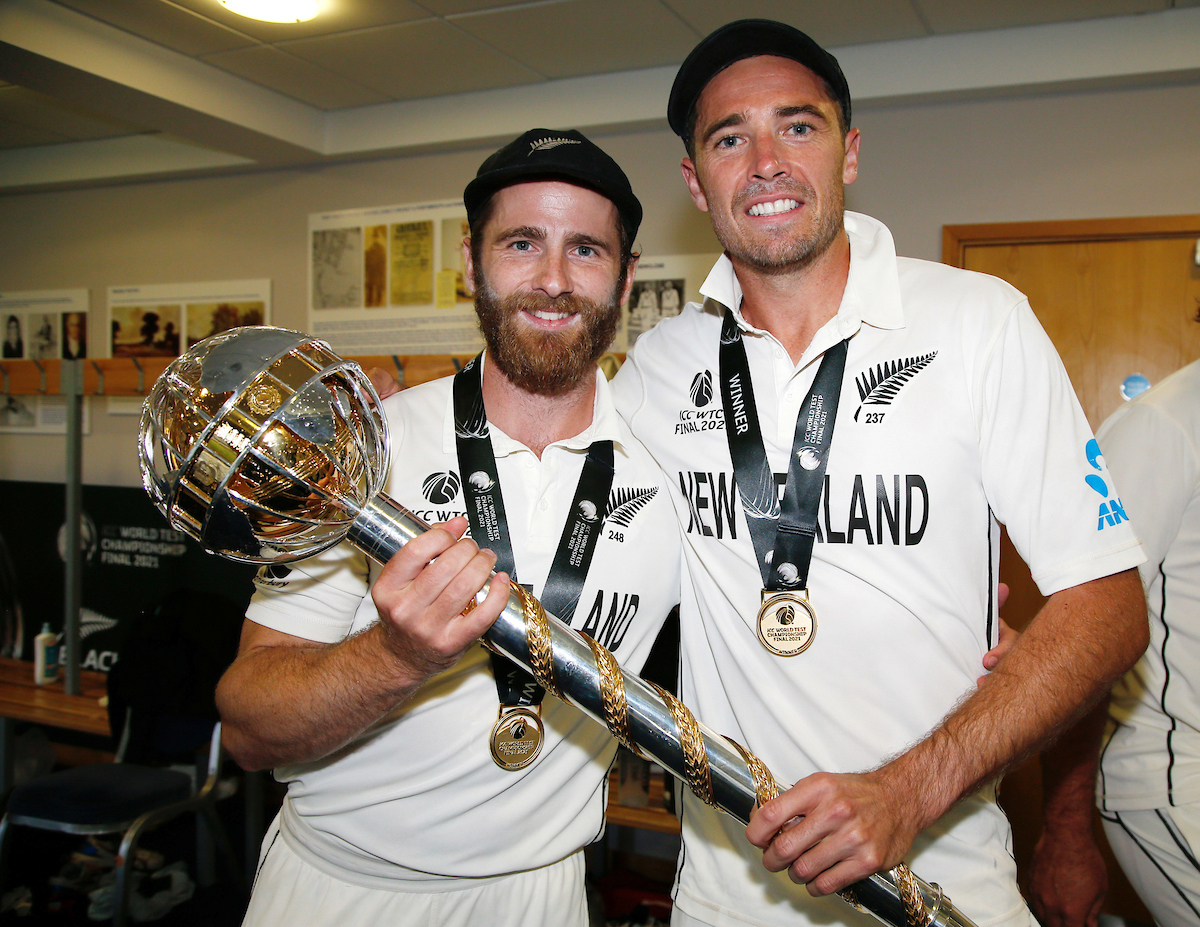
Most significant is the attitude he brought with those achievements and statistics.
Integrity is his finest contribution to the game. Surely few sportspeople have a higher ability and lower ego?
Writing as a parent, when my son goes out to play cricket, or when my daughter goes out to play anything-but-cricket, advice on expected conduct boils down to one solitary question.
“What would Kane Williamson do?”
That’s some reputation to live up to…
As a cricket correspondent for this company across two decades, these eyes have had the privilege of following his progress in detail. This started with an interview after a maiden first-class century for Northern Districts against Auckland at Eden Park outer oval in 2009, to white and red ball debuts against India in 2010 and onwards, to an unimpeachable career mixing talent, application and sportsmanship.
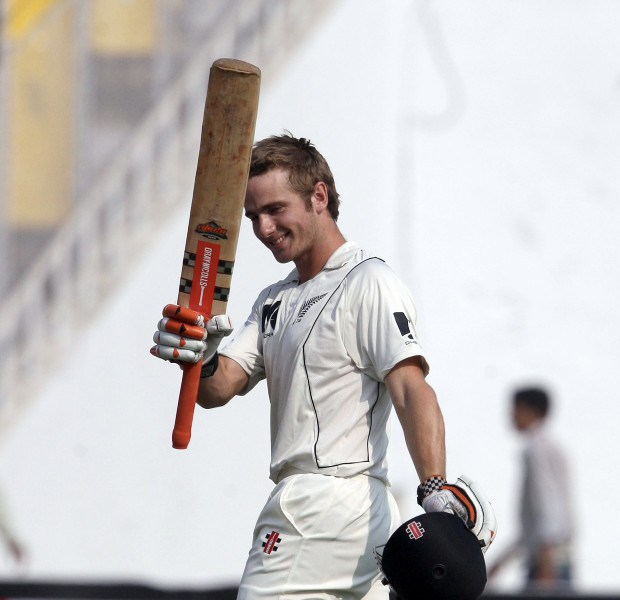
His status was long telegraphed. A prodigious ability had been tethered to Bay of Plenty tales of schoolboy folklore, like at a primary school tournament in Gisborne when the coach, Williamson’s dad Brett, swapped the batting order to give others a chance after they won their first two games.
The innings collapsed before Kane, batting seven, scored a hundred off the penultimate ball of the game with his side nine wickets down. Without prompting, he stood before the boundary rope and clapped his batting partner off.
Often great batters have a story which differentiates them from weekend whackers.
WG practised with a broom handle in Bristol, The Don threw a golf ball against a curved water tank and hit the rebound with a stump in Bowral. What did The Kane do in Tauranga?
“There was a cricket ball in a sock in the carport,” Williamson told the Herald in January 2016.
“I had a bat, a stump and my Grandad’s golf shaft with the head snapped off. I was at primary school, a time when you can play games against yourself, with different variations to keep it interesting. You’re just loving the game.”
Was there commentary?
“No, it was more about playing.”
Therein lies a home truth. Even last century, Williamson was more interested in doing, rather than conjuring up any theatre about his actions.
Like most cricket followers, he had his favourite players. Sachin Tendulkar, Ricky Ponting and Jacques Kallis were in the top order, but he emulated rather than idolised them in the backyard. There’s an important difference. Once you idolise, you dilute the capacity to be yourself.
His Wisden 2015 leading cricketer of the year anointment stated that:
“In a sport prone to narcissism and neuroses, Williamson has provided an antidote. He has been as balanced in life as he has been at the crease. Cricket tragic? Yes. Unbridled egotist? No. His manners showcase a doyen of the game, not a diva.
“Williamson has stroked rather than slogged; is altruistic but not puritanical; and prefers the company of a private circle of family and friends to social media sycophancy.”
Former Black Caps captain Brendon McCullum and coach Mike Hesson deserve plaudits for changing the culture of the New Zealand game with 2013’s beer-in-a-Cape-Town-hotel-room fable, but doubt remains whether this could have been achieved without the luxury of building their methodology around one of the most selfless in the game.
Behind the iridescent sunglasses, zinced lips and coiffed beard lies a cricketing mind driven as much by empathy for teammates as winning at all costs. Williamson has inadvertently forged New Zealand’s current reputation in his own image.
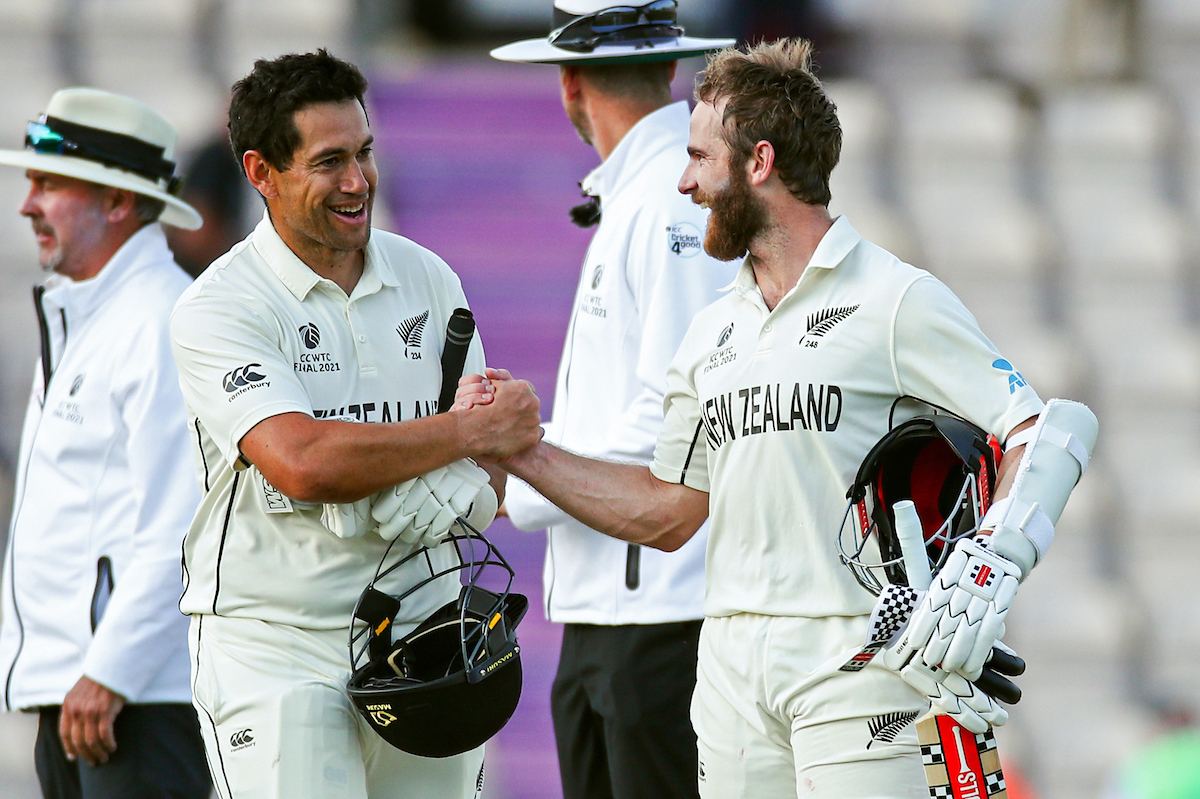
He has always avoided getting too high or too low in his emotions, preferring instead to blend into the heart of the team culture. As a result, Williamson curated teams with an indomitable spirit: All for one, one for all.
There’s the sense of dignity, like after the 2019 World Cup super over denouement when he somehow managed to grin – albeit entangled with the odd grimace – while reflected on losing by zero runs. This marked the first - and so far only - time this journalist has borne witness to a sportsperson given a spontaneous standing ovation by a press pack. Some debate centred on whether the player-of-the-tournament deserved an honorary Ph.D in the assessment of pitch surfaces.
There’s the sense of trust with fans, like partaking in a spot of 29th birthday cake with Sri Lankan devotees in 2019 at a warm-up game north of Colombo as they serenaded him. For he’s a jolly good fellow…
There’s the whimsical sense of humour, like when asked whether T20 was his favourite format: “It’s in my top three,” the purist’s hero deadpanned.
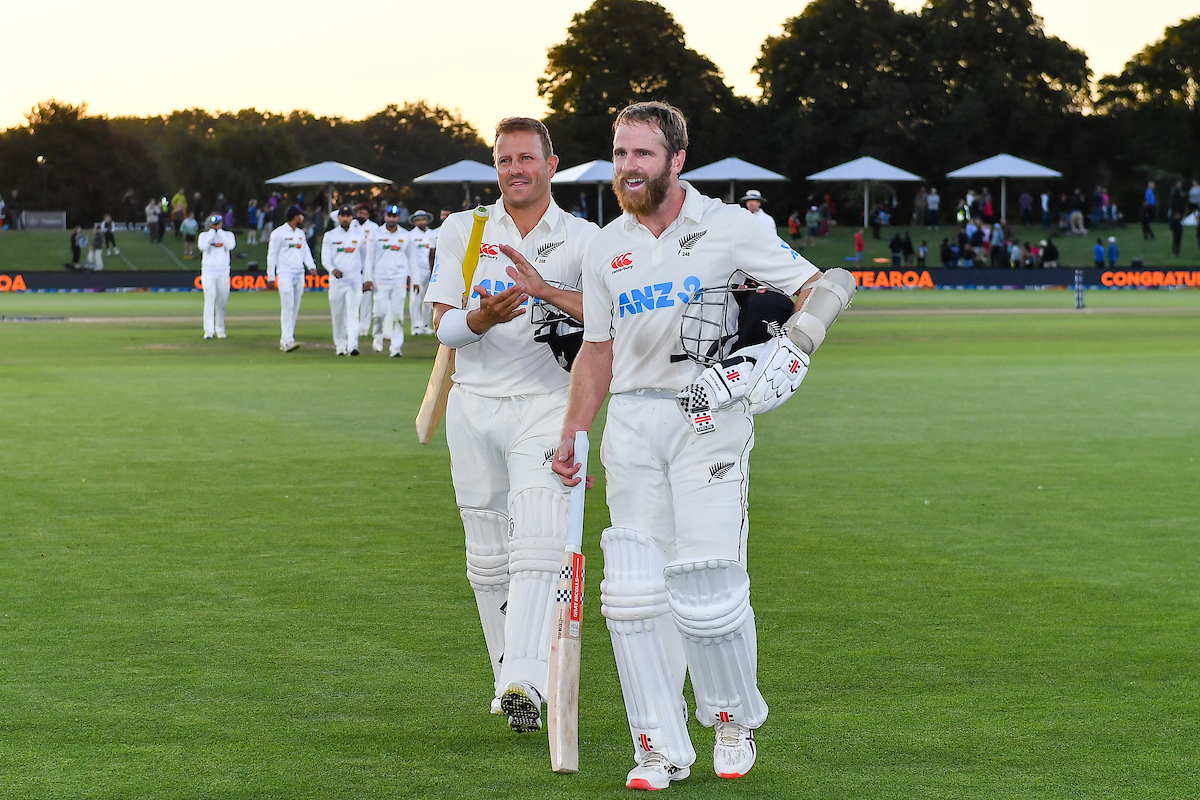
Williamson has made a mockery of American early 20th century columnist Franklin Pierce Adams’ quote that “nothing is more responsible for the good old days than a bad memory”. His time in the side has straddled what must be New Zealand’s greatest era, culminating in leading the Black Caps to the inaugural World Test Championship crown at Southampton in 2021.
The public revere Williamson for more than his batting, his captaincy or being corralled into some form of corporate, marketing or media pawn. They sense authenticity. He’s as much a husband, a father and a son as he is a cricketer.
Williamson’s success has been wedded to a commitment to chart his own course and a refusal to bow to peer pressure, which has been intrinsic in creating that more inclusive team environment: Ten thousand test runs be damned.
In essence, his love of the sport has been reciprocated by peers, opponents, past players, coaches, media and fans. A search to find anyone berating his approach would be futile.
Cricket has been better for his presence.
Kane Williamson - New Zealand men’s records