Auckland stadiums: All you need to know about the four proposals to council
The journey towards a definitive solution to Auckland’s stadium issues has moved a step forward, after a series of presentations to a council working group in December last year.
The panel, set up in September 2023 by Mayor Wayne Brown, is tasked with finding the best long-term option for a main stadium in the city and then making a non-binding recommendation to the wider council. The working group are scheduled to meet in the next month before forwarding its recommendations to the council by the end of March. The governing body are expected to vote on the preferred stadium option around April-May.
Eight interested parties submitted expressions of interest earlier last year but that field has since narrowed. The final quartet of proposals on the table, each the subject of 75-minute presentations in December, are:
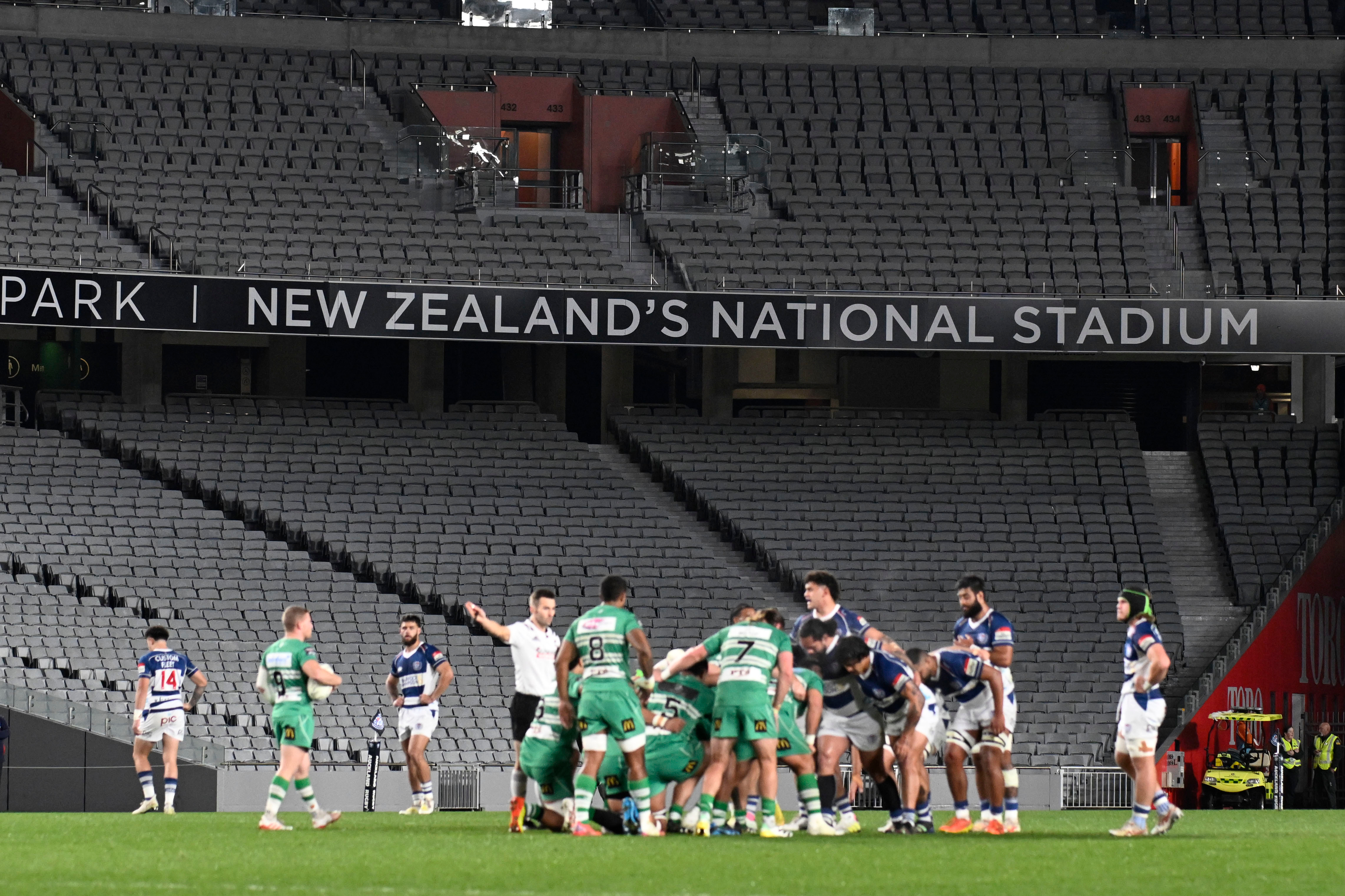
The presentations were made to the working group chaired by councillor Shane Henderson. The other councillors are Julie Fairey, Wayne Walker, Daniel Newman and Chris Darby. The panel also includes Sport New Zealand chief executive Raelene Castle, Tataki Auckland Unlimited boss Nick Hill, Tau Henare (independent Māori Statutory representative) and key mayoral adviser Simon Johnston.
“It went really well,” Henderson told the Herald following the presentation. “We had some really different ideas and outside-the-box thinking and a real dedication to Aotearoa and what makes us unique and special. That’s pretty cool and that’s what you need in any kind of large civic space like that.”
Henderson declined to go into detail on the bids, saying, “That’s all highly confidential at this stage.”
The next step will see an independent assessment of the four pitches by a consulting company – believed to not be one of the “big four” – who will report back to the working group with their findings.
“It’s about kicking the tyres and getting a second opinion,” said Henderson. “We have some really good expertise on that working group and we also have councillors that are experts in the public opinion and the public mood but not necessarily on the day-to-day running of a stadium.
“This is obviously a huge investment, both in terms of finances and the future of the city for decades to come. We want to do this quickly, to provide certainty for Aucklanders, but it has to be balanced with some real strong expertise.”
Henderson said there were “quite different” financial models.
It’s believed that two of the downtown options were priced at just over $1 billion, with a third considerably more. Eden Park’s cost for its ambitious renovation was about $850 million. Mayor Brown has already instructed that minimal ratepayer funds will be available and the central Government has yet to commit.
“It’s a huge investment in terms of capital but it also has to wash its face from our operational perspective,” said Henderson. “So it’s not just stadium construction. The three waterfront options have all pitched proposals that include high levels of private funding.”
It’s understood that both the mayor and the Government have made it clear in private discussions that the final solution can’t be a “white elephant”.
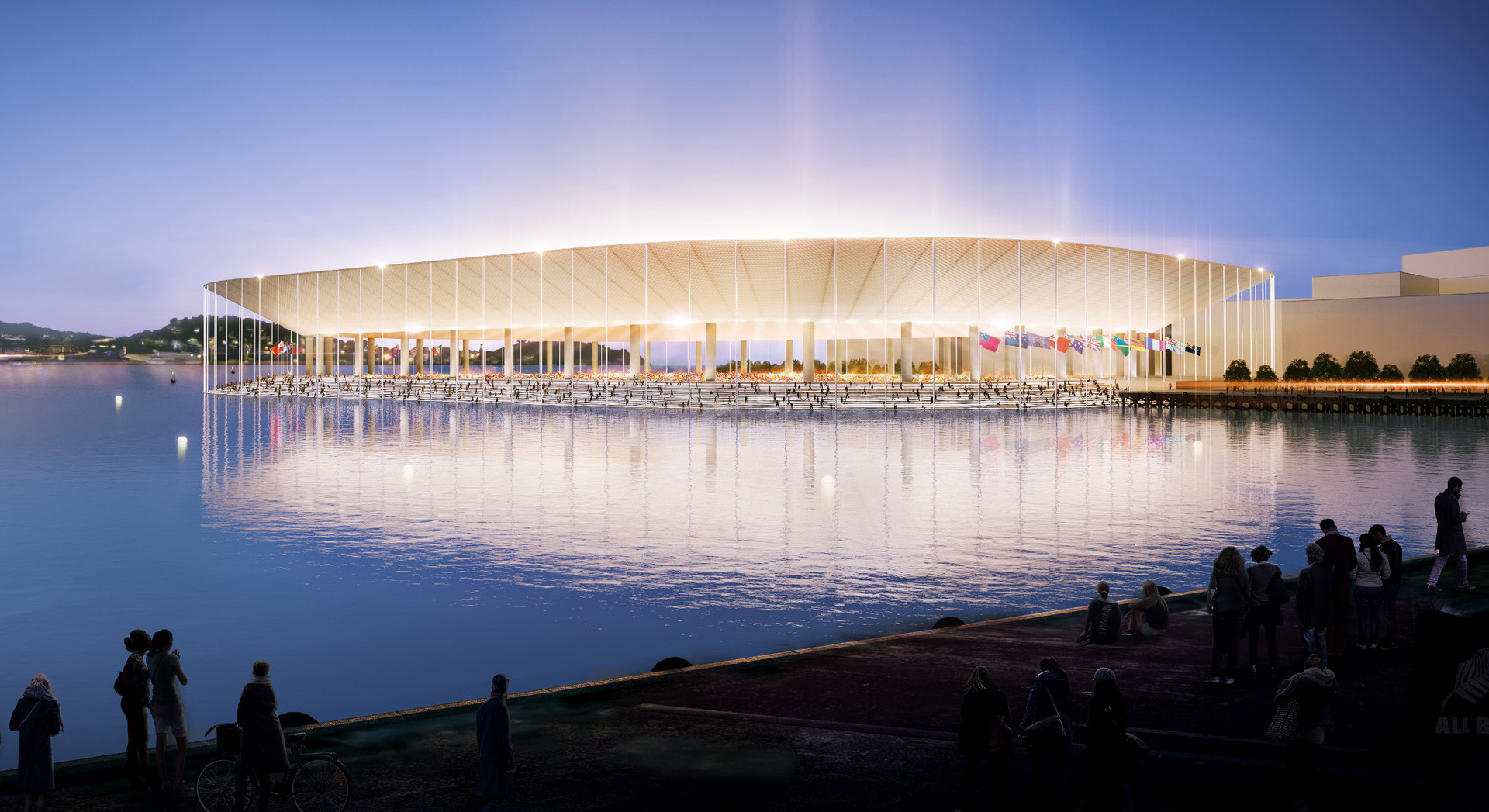
One industry expert told the Herald that the proposed main stadium, wherever it is ultimately placed, will need to have a minimum of 30 major events annually to break even and more than 40 to turn a profit.
That will mean that sporting content with anchor tenants such as the Warriors, Blues and the new Auckland A-League football team will be crucial given the fickle and complicated nature of entertainment events, especially large-scale concerts.
Michael Burgess has been a sports journalist since 2005, winning several national awards and covering Olympics, Fifa World Cups and America’s Cup campaigns. A football aficionado, Burgess will never forget the noise that greeted Rory Fallon’s goal against Bahrain in Wellington in 2009.