All Blacks analysis: Why Scott Robertson still can’t find his ideal test centre
THE FACTS
By Gregor Paul in Cardiff
Two years into the Scott Robertson era and it’s starting to feel like he is now further away from finding the player the All Blacks need at centre than he was when he began this quest.
There is a growing fix-it list for Robertson to confront in 2026, but this need to find a centre who can facilitate the attack and bolster the defence increasingly feels like it’s becoming a higher priority.
The All Blacks have picked four different starters at centre this year – none of whom have delivered the all-round accuracy on either side of the ball that the All Blacks are looking for.
This revolving door selection came about after the All Blacks picked Rieko Ioane in 12 tests last year and never felt he had the necessary quality of distribution or overall game awareness to bring alive the full potential of the backline.
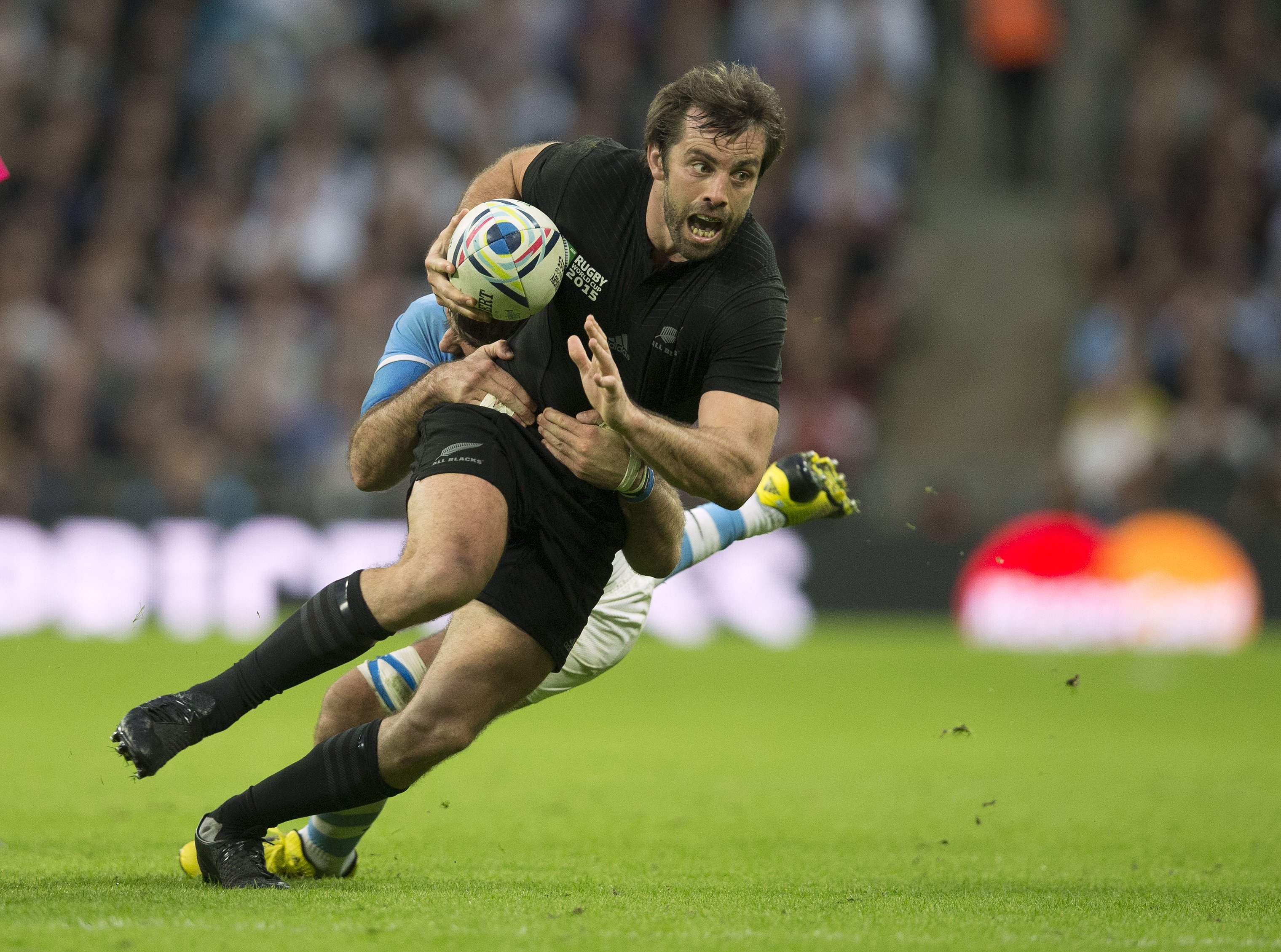
To have played 26 tests and not yet have any clear answer to the question of who is the team’s best option in the No 13 jersey, isn’t by any means a catastrophic situation or even that unusual.
After the long-serving Conrad Smith retired in 2015, the All Blacks went through a similar period of selection roulette where a handful of players including Ryan Crotty, Malakai Fekitoa, George Moala, Jack Goodhue and Anton Lienert-Brown were in and out of the position.
What’s maybe different now, is that of the five options Robertson has tried – Ioane, Lienert-Brown, Billy Proctor, Quinn Tupaea and Leicester Fainga’anuku – none have necessarily fostered enough confidence to suggest they will mature into the right option.
Time is a great developer, and the All Blacks coaching group were clearly hoping that it would work its magic on Proctor this year.
They gave him seven starts, their confidence that he was worthy of that sort of investment coming from his consistently good Super Rugby form.
Proctor, in 2024 and 2025, had a claim to be the best centre in the competition for the way he so effortlessly ensured the Hurricanes could play from touchline to touchline and for his astute defensive reading and relentlessly accurate tackling.
But time hasn’t had the desired impact in growing Proctor’s influence at test level where he’s too often looked to be scrambling on defence, nowhere more patently than at Twickenham last week.
He didn’t read the short line Fraser Dingwall was running, which enabled the Englishman to cruise through the All Blacks midfield and score under the posts.
Maybe more time will unlock more benefits, but there is an equally good argument now to say that maybe it won’t.
Fainga’anuku has had one start in the role – and a half-game off the bench – so nowhere near enough time to be judged. But what’s apparent already is that he has an almost impetuous desire to offload which needs to be tempered.
He’s a brilliant power runner and can make deadly passes out of contact that split defences, but in Edinburgh and London he overdid things, losing the ball too often in collisions that were a low percentage chance of producing a successful connection with a teammate.
Players with a similar instinct to keep the ball alive have battled to resist that impulse and learn the art of when to offload when to hold, and while Fainga’anuku is a genuine prospect to develop, there has to be some caution about how quickly he’ll be able to refine his decision-making.
Tupaea is a more natural 12 and has a first instinct to run direct lines which makes him better suited to competing with preferred second five-eighths Jordie Barrett, not playing alongside him.
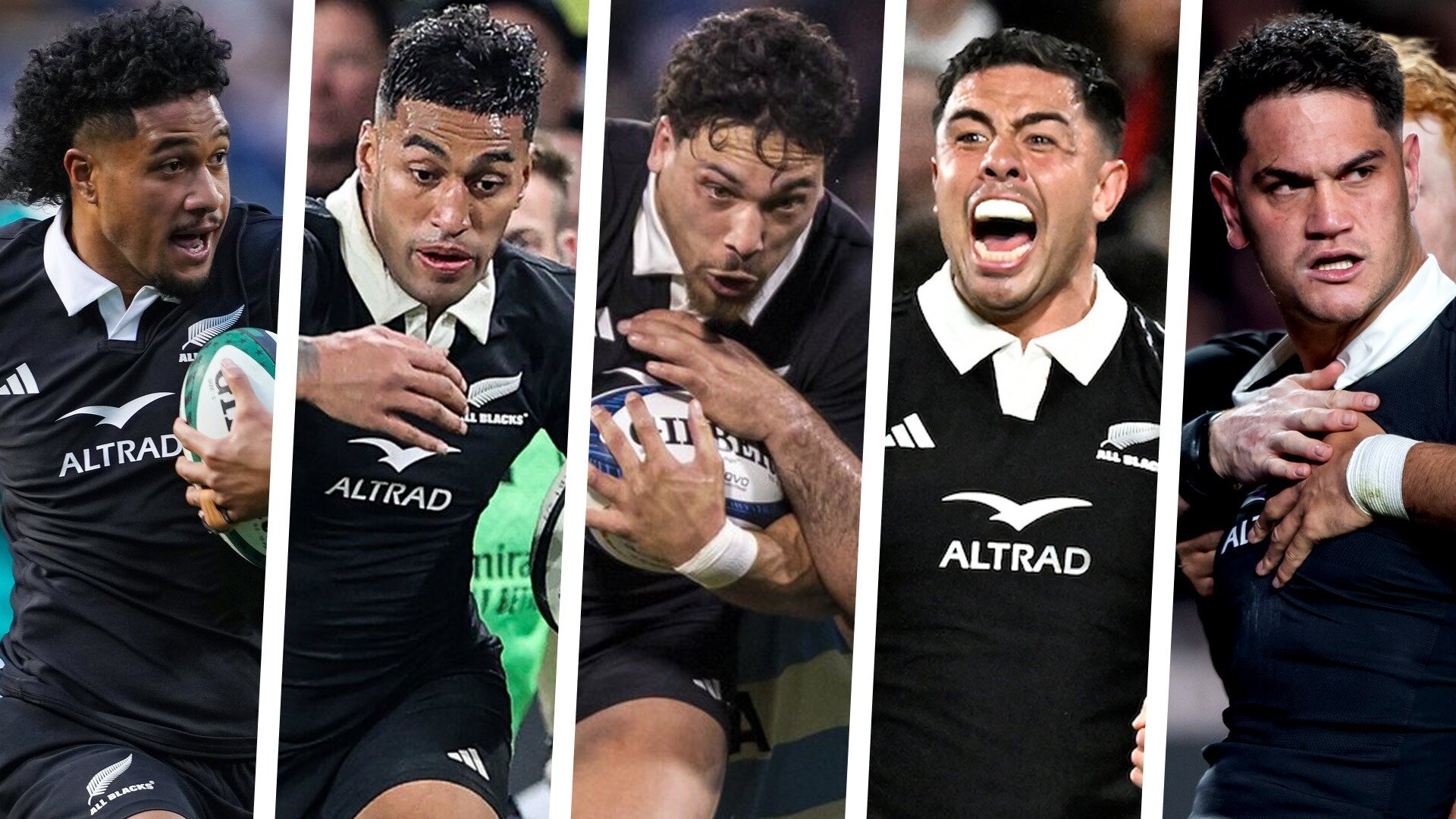
Lienert-Brown and Ioane have established bodies of work – portfolios that failed to convince Robertson either of them were the right player to regularly pick at centre – so to go back to either of them now would appear regressive.
Five men tried and none necessarily have stated their case, and as a result, centre is the All Blacks’ biggest problem position.
There is reason to debate whether the All Blacks stuttering and underwhelming attack is as much a coaching issue as it is a personnel issue, but it would undoubtedly help if the All Blacks could find a natural distributor, decision-maker and defender at No 13.
So much attack play in the modern game gets bogged down in the channel around centre, and having someone that can retain the structural shape, find space for their wings and fullback and ideally pose a running threat themselves could be the key to the All Blacks becoming more potent with their possession.
The possibility that the player they are looking for doesn’t lie in any of the options used to date has to be considered, and the search extended into next year to find the right No 13.
Gregor Paul is one of New Zealand’s most respected rugby writers and columnists. He has won multiple awards for journalism and written several books about sport.