Former All Blacks and Black Ferns coach Sir Wayne Smith is leaving New Zealand Rugby for a new overseas role
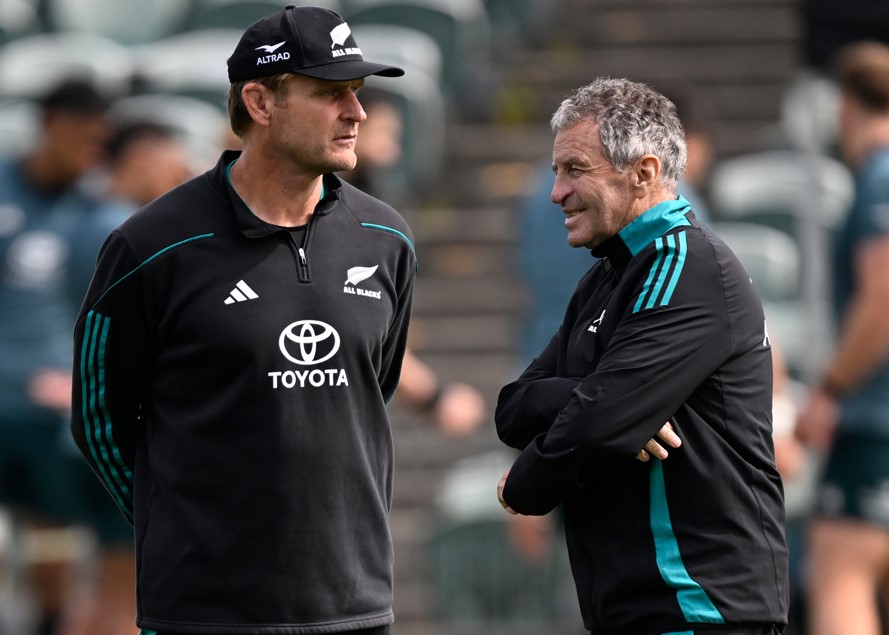
Exclusive: The departure of one of New Zealand’s most astute rugby minds is another twist to coaching and leadership changes.
Coaching legend Sir Wayne Smith is leaving his senior New Zealand Rugby role for a new position overseas, the NZ Herald can reveal.
Smith was appointed New Zealand Rugby (NZR) performance coach in 2023, a part-time role working closely with the Black Ferns, initially, and then also the All Blacks – he has been a big supporter of ousted All Blacks coach Scott Robertson, speaking publicly in support of Robertson in the past week.
In a statement that was provided to media, Smith said he was “sad” for Robertson and the game, and “blindsided a bit by the news” of the All Blacks coach’s sacking.
But the timing of the departures of Smith and Robertson is understood to be purely coincidental – Smith left his NZR role late last year, before the Robertson saga unfolded, on what are believed to be mutual terms with the organisation.
It is understood that the 68-year-old is preparing to head overseas this year, to a senior coaching leadership role at a professional club. The move is still cloaked in confidentiality, with various parties unable to comment.
One source also indicated that Smith had felt he had done as much as possible, within the scope of the NZR job, to advise Robertson over the past two years.
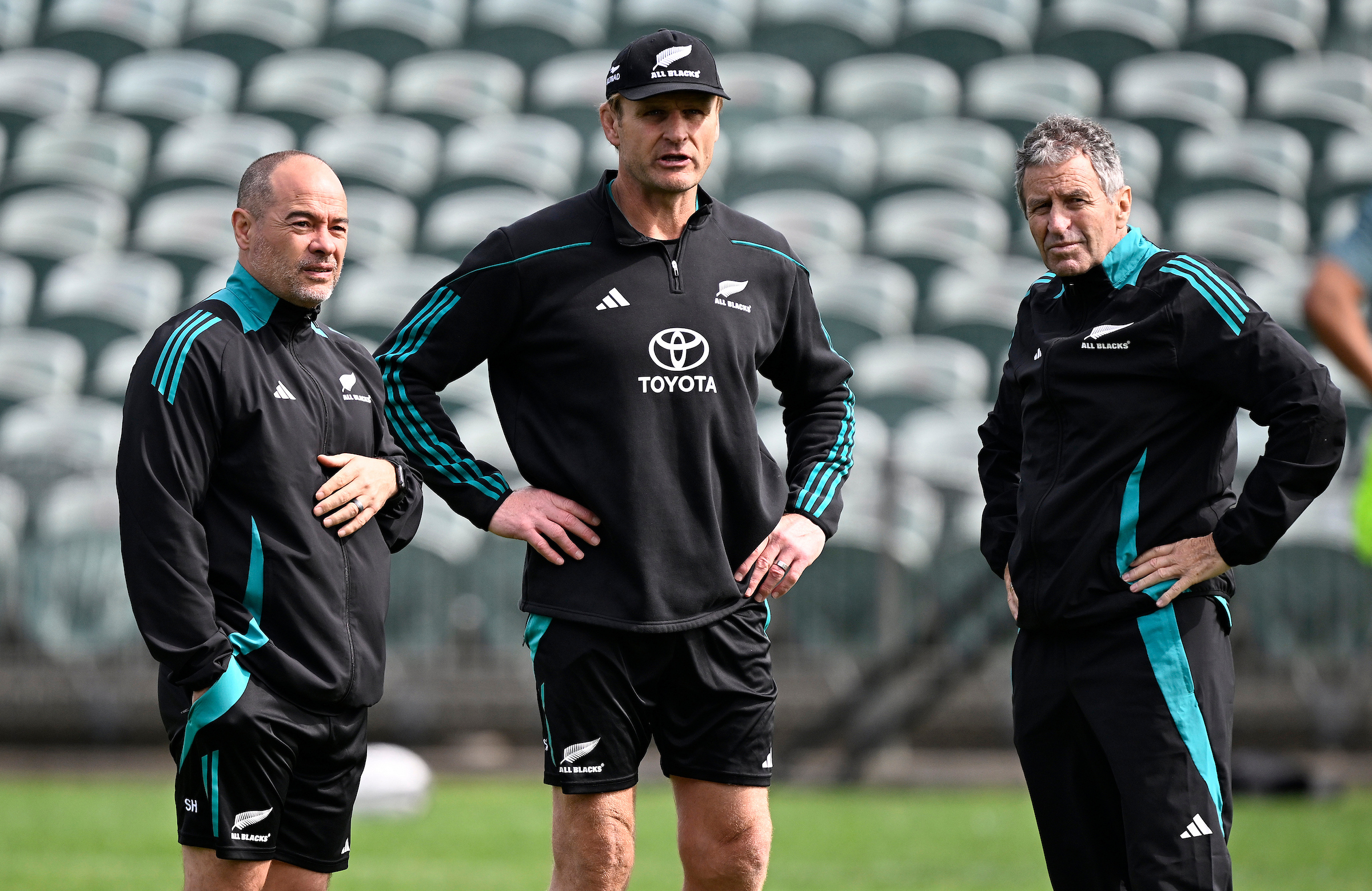
Smith, a former All Black himself, is considered to have one of the most astute rugby minds in the world.
Known as “The Professor”, he helped guide the All Blacks to their 2011 and 2015 World Cup victories as assistant coach and masterminded the Black Ferns’ 2022 World Cup win as head coach.
Smith, who has been holidaying overseas with his family this week, declined to comment.
NZR confirmed Smith had “finished his performance advisory role at the end of 2025”.
“The role involved providing support to coaches and referees at different levels of rugby, including consultancy to the All Blacks and Black Ferns,” NZR professional rugby and performance general manager Chris Lendrum said in a statement in response to Herald questions.
“We’ll continue to work with Smithy across areas like All Blacks Performance Labs where he shares his incredible knowledge and experience with leaders around the world.
“Smithy will always be an integral part of New Zealand rugby and he continues to make a huge contribution to the game.”
NZR has seen the departure of a number of senior leaders and executives over the past several months.
As well as seeking a new All Blacks coach, it is also on the hunt for a chief executive, a chief commercial officer and a chief financial officer.
NZ Herald rugby writer Gregor Paul reported this week that the organisation was set to announce appointments for those latter two roles, but the hunt for a chief executive was ongoing, and set to be widened.
“It’s probable that NZR may be looking at someone older, a figure who has perhaps achieved all they want to in corporate life and who has banked enough money to be comfortable with the estimated $800,000-$1 million salary on offer,” Paul reported.
With a new Black Ferns coaching team in place and a new All Blacks coach being recruited, it is understood NZR will assess whether it replaces Smith’s role in the future.
Smith’s support of Razor
Smith has a storied playing and coaching career – as well as the All Blacks, his coaching credits include the Crusaders and the Northampton Saints, and he has also been the director of coaching for the Kobelco Steelers in Japan.
He has also bounced back from adversity – his initial stint as All Blacks coach in 2000-2001 didn’t end well. A decade later, he helped the team lift the World Cup.
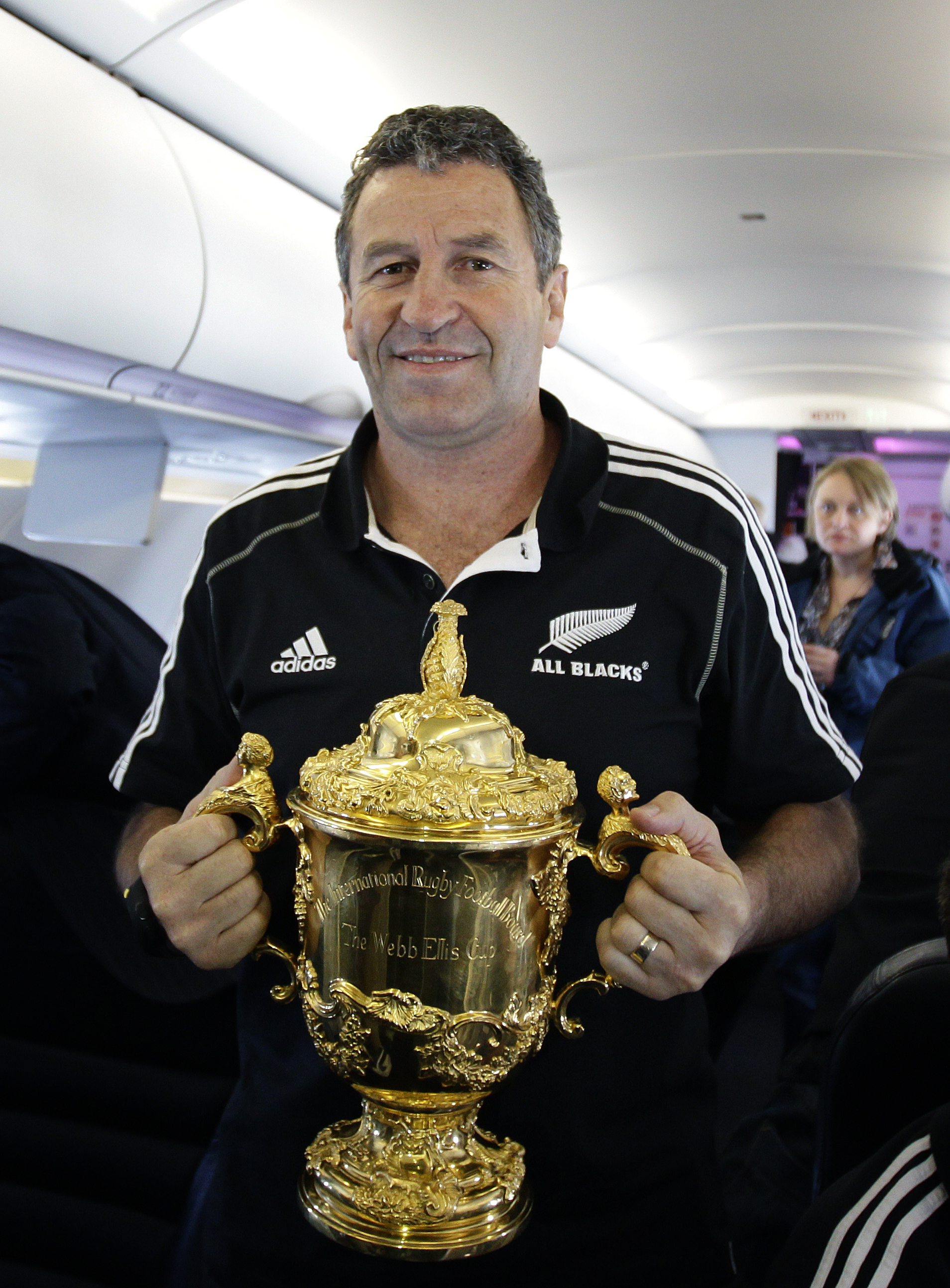
Smith’s appointment as performance coach in 2023 was heralded by NZR in a press release.
“Smithy’s input and insights on the shape of the game and trends in the game internationally will be of enormous benefit to coaches and players, but more than that, his integrity, honesty, passion for the jersey and care for the legacy of the black jersey are invaluable,” then NZR chief executive Mark Robinson said.
In that same statement, Smith said he would continue to challenge norms and encourage coaches and players “to think outside the box”.
“It’s important to consider different perspectives and solutions as coaches. As we head into a new era for the game, I am a great believer in the importance of diversity, of relationships and of people. As a coach, I’ve been very fortunate to have been exposed to that through my career.”
In the past week, Smith has spoken out in support of Scott Robertson, ousted as All Blacks coach following an end-of-year review which canvassed players, management, other coaches and the team’s overall performance and direction.
In comments sent to media organisations, Smith said he was “blindsided a bit by the news re Razor”.
He said it was a “tough old gig” when Robertson’s win rate of 74% was not good enough.
“They obviously feel that the win % wasn’t going to improve, although that is just guesswork.
“In my experience, you now need to run thorough player reviews constantly during the season. You need to give all your players an opportunity, give and receive constant feedback, review your progress as coach/s every month with all the players and staff, be prepared to make changes, avoid surprises at the end of your campaign and cross your fingers!
“Fred ‘The Needle’ Allen would have hated this era. The great Sir Wilson Whineray called rugby a ‘human game’, based on the quantity and quality of its people.
“These factors ebb and flow, but the game carries on. I actually found Razor and his coaches to be extremely competent around their roles.”
Smith commented that progress was often slow when you took over as a new All Blacks coaching group.
“You learn as you go. Nothing truly prepares you for it.
“The public need information and understanding of what you are doing and where you are heading. It takes time to settle on your way, and you just pray that you get the opportunity to prove yourself over time.”
The All Blacks’ success since 1905 had been driven by “public expectation of constant improvements and winning”.
“Coaching in this environment is becoming more and more challenging. Egos abound, 76% win records are no longer enough, disaffected players speak behind your back and get to rubbish you, incognito, during end of campaign reviews.
“Social media, hidden behind nicknames and alter egos, can tear you apart, without remorse.
“Yep, the All Blacks’ history demands high standards, a winning attitude and innovation. Looking into the future to determine where the game is going next is critical.
“Making changes before they are needed is key. Others will copy and force you to keep going ahead. Unfortunately, Razor hasn’t been given more time, greater opportunity to adapt and overcome many of the challenges new All Blacks coaches face. I feel sad about that. For Razor and our game.”
Back in 2023, at the time of his new appointment, Smith said he was grateful to continue his long association with the black jersey.
“I have a deep connection and love for any team that wears the black jersey, and particularly the Black Ferns and the All Blacks. I also have strong relationships with the respective head coaches and many of the players, so it feels like this role across the two teams is a natural fit, and one where I can hopefully add and contribute to both environments.”
Editor-at-Large Shayne Currie is one of New Zealand’s most experienced senior journalists and media leaders. He has held executive and senior editorial roles at NZME, including Managing Editor, NZ Herald Editor and Herald on Sunday Editor.