Ineos v NZ Rugby: Why legal battle signals a sponsorship shift – Paul Lewis
THREE KEY FACTS
So that’s what happens when a billionaire tightens his belt – it costs too much to go green, so cut costs at the red (Manchester United and pro-cycling’s Ineos Grenadiers team, with their red shirts) and renege on the black (the All Blacks).
Sir Jim Ratcliffe’s petrochemicals company Ineos must be one of the world’s leading sponsors of sport, with an estimated $5 billion-plus sunk into popular sports around the world over the last 2-3 years.
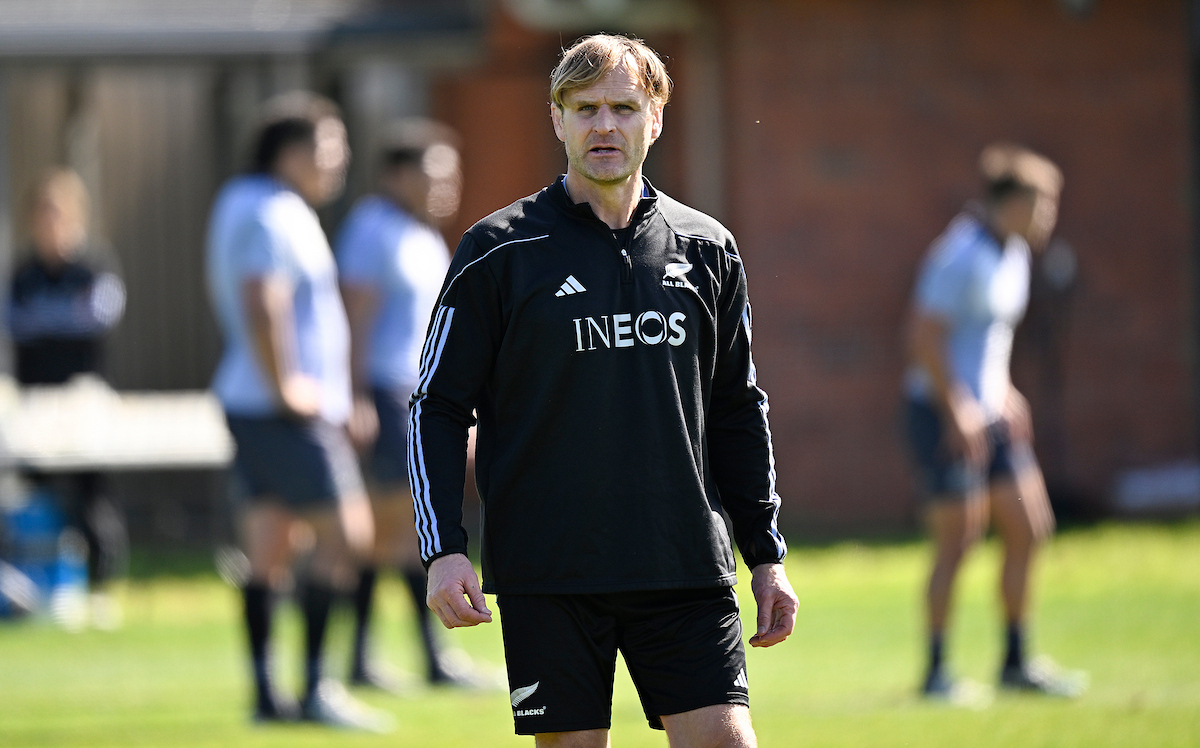
He recently began a battle for control of the Ineos Britannia America’s Cup team after sacking skipper Sir Ben Ainslie, likely sparking lengthy legal action – and has now pulled his sponsorship of the All Blacks, amounting to what is thought to be a total of $24 million over the next three years (Ineos says it has poured $53 million into New Zealand Rugby teams in recent years). New Zealand Rugby is suing.
This is, Ineos has explained, because of high energy costs and “extreme carbon taxes” in an already struggling chemicals industry.
“We are witnessing the deindustrialisation of Europe,” Ineos said in a statement. “As a result, we have had to implement cost-saving measures across the business.” Ineos said it wanted to find a solution, but New Zealand Rugby (NZR) chose to take legal action.
Last month, this column raised an eyebrow at Ineos jettisoning Ainslie – and listed the company’s sporting sponsorships, among them the Ineos Grenadiers (formerly Team Sky): $460m; Switzerland’s Lausanne football club: $96m; France’s OGC Nice football club: $400m; Mercedes F1 team: $640m; Ineos Britannia America’s Cup team: $430m; All Blacks and Black Ferns: $17m; Manchester United: $2.72b.
Those figures, gathered from a Guardian probe into Ineos as well as other sources, totalled just under $5b; revised estimates since put the likely figure well over that mark. It’s a lot of money for one company in what is traditionally not a source of large profits unless an owner can build up a team and sell it on. That is very much not happening at Manchester United, stuck in a downwards spiral on the field and where ticket prices have been hiked and 250 people made redundant.
So why does Ineos put such store in professional sport? It’s all about the brand. The portfolio includes many of the world’s most popular sports. Sport is a good vehicle for loyalty building and image cleansing – hence “sportswashing”. On Ineos’s website, it lists its products, not always popular in environmental terms, in interesting ways. Click on its “Product Finder” and this appears: “Our products support our society in many ways. For example, we make:
It’s all rather positively pitched, as if Ineos is here to keep us healthy, while critics point to highly negative impacts on the environment. There seems little doubt the company’s involvement in sport is heavily geared towards supporting its brand – now Ineos, though it was originally called INspec Ethylene Oxide and Specialities. Doesn’t quite have the same sophisticated ring, does it? Ineos has also learned some sponsorship lessons – its move to change Lausanne’s logo to incorporate features of its own, for example, brought howls of protest from fans.
You now wonder what damage the America’s Cup and All Blacks business is doing to the brand they have sunk $5b-plus into. Just as cigarettes were banned from sports sponsorship here, many support the same fate for alcohol and the rumblings against companies with an environmental impact are growing.
It’s a big issue for NZR and other sports bodies – good money is hard to find and it is hard to balance that with the knowledge that those being sponsored can also be affected, positively or negatively, by the brands they align with.
There seems, however, a growing tide against sponsorships that some or many perceive to have questionable morality. At the 2012 London Olympics, there was a protest backlash against sponsors BP (involved in the 2010 Gulf of Mexico oil spill) and Dow Chemicals (linked to the 1984 Bhopal gas disaster).
New, environmentally conscious athletes are also speaking out more about such issues, along with players like Sonny Bill Williams (excused from wearing logos relating to finance, alcohol and gambling) and Australian cricketer Usman Khawaja (permitted not to wear a beer logo) because of Muslim beliefs. Netball Australia, also not a body awash in profits, suffered a $17m setback in 2022 when a mining company sponsor pulled its funds because of player disquiet over sportswashing.
It’s understood at least one senior All Black raised concerns about wearing the Ineos brand on their kit and, as this tide rises, sports getting into bed with a company seeking image-building exposure carries a greater risk.
Yes, the money is vital for the health of the sport, but look at NZR now – suing a billionaire who can draw this out for aeons in hideously expensive legal manoeuvres. Better, surely, to find companies (easier said than done, admittedly) who have less contentious reasons for sponsorship.