Editorial: Super Rugby shines as new edicts open up the game
EDITORIAL
Over the years, it’s become fashionable among New Zealand sports fans to criticise Super Rugby.
To be fair, there has been plenty to dislike: late kickoff times mean families are less likely to attend matches; the resulting empty stadiums look terrible on television – particularly in comparison with packed, roaring, crowds at Mt Smart for Auckland FC and the Warriors.
The competition structure of Super Rugby – even the fundamentals of who plays in it – have been garbled and over the past decade have seemed to be in a state of near constant flux. At its most ambitious, its sprawl displayed admirable ambition; what other regular sporting event would breezily attempt to encompass three continents?
Just as fans were coming to terms with the argument that matches in Cape Town, Buenos Aires and Tokyo were fundamental to our national game, the competition contracted to a transtasman tussle featuring occasional diversions to Fiji.
It’s rugby’s phenomenally complex rulebook that remains the sport’s biggest challenge. Even those who have grown up with the sport cannot explain many of the penalty calls and rule interpretations.
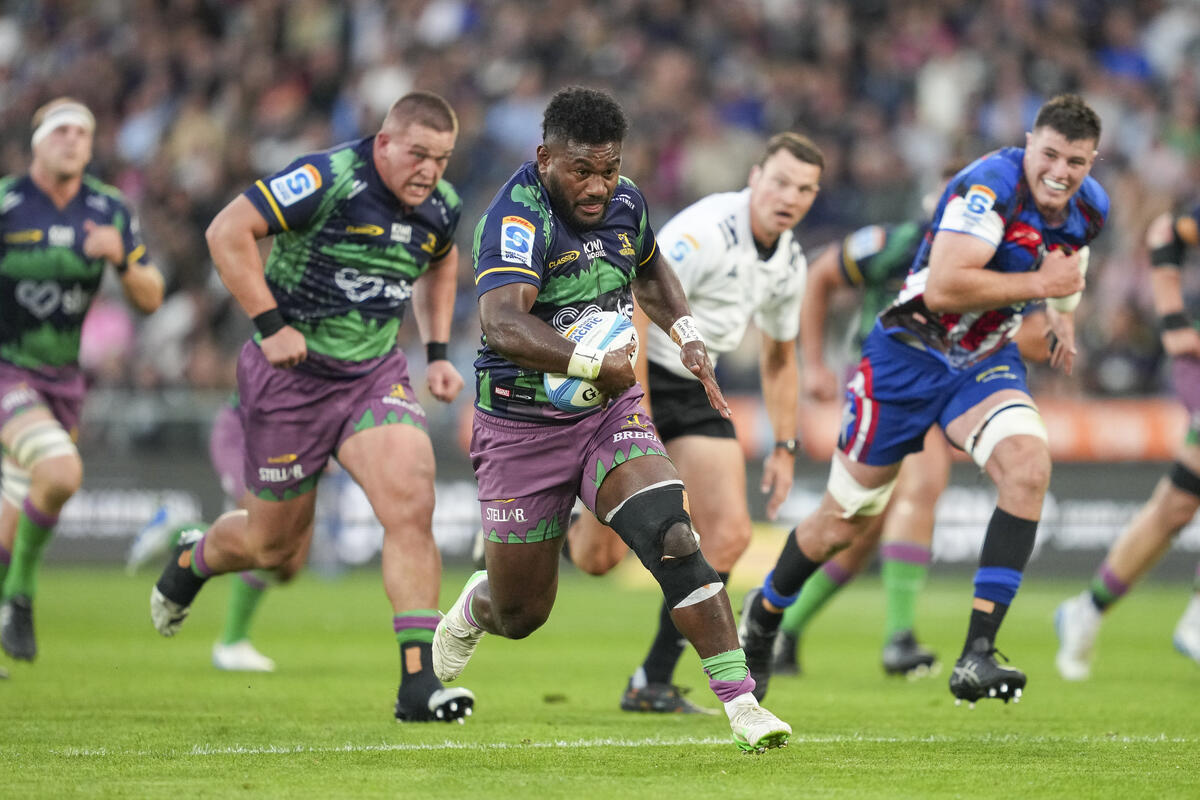
But this year, on the most basic level, Super Rugby Pacific is delivering the thing all fans want from their chosen code: highly competitive matches that are entertaining to watch.
This season, the tournament’s bosses have introduced shot clocks to cut the amount of time lost to penalty kicks, there are fewer scrum resets, and the ball is fed more quickly into what scrums there are.
TV match officials have been used less, new rules protect the halfback, and play continues if a not-straight lineout throw is uncontested.
Referees are encouraged to call “play on” when there are minor injuries and the constant flow of coaching assistants running on with bottles of water has been largely turned off.
These are small, smart changes, many of which fans have called for over the years. Individually, the adaptations are minor, but in their totality they have significantly sped up the game. They send a clear signal to referees.
As Mike Thorpe noted in the Weekend Herald, match officials are being encouraged “to referee as though they have a plane to catch”.
Super Rugby Pacific’s chief executive Jack Mesley can take some credit for the quality of rugby being played, and the Australian is likely pleased that his countrymen have improved their performances this season, rattling the Kiwi sides from their presumptive places in the top spots on the points table.
Similarly, the Fijian Drua and Moana Pasifika have raised their games.
The teams and coaches can also take credit for delivering fast-paced footy.
Fans are noticing. Sky has reported a 12% increase on the audience from last year.
The weekend’s matches typified 2025’s improved quality of play. Rugby can win, when players are given licence to run.