Moana Pasifika’s Super Rugby future in doubt with owner’s funding at risk after 2026
Moana Pasifika’s future is in doubt after its owner reportedly told the players and management it won’t fund the team after this Super Rugby campaign ends.
The Herald understands Moana Pasifika chief executive Debbie Sorensen, who is also chief executive of Pasifika Medical Association (PMA), which owns the Super Rugby side, informed all staff this afternoon that the owner will meet its financial obligations for the remainder of the 2026 season but will not be running the club next year.
The decision by PMA to cut ties with the club means Moana Pasifika will not be part of Super Rugby Pacific in 2027 unless they can find a new owner willing to meet the annual running costs of between $10 million and $12m.
Well-placed sources have said they believe it would be challenging for the club to find a new owner, as PMA circulated a sales document at the end of last year but did not find any party willing to take on the licence.
The Herald has been told former All Black Ali Williams and his wife Anna Mowbray had discussions with Moana representatives about buying the licence, but those talks never developed.
It is believed, however, there may be a prospective buyer – a consortium led by former Moana Pasifika chief executive Pelenato Sakalia – willing to try to save the club from extinction.
But any new owner will have to satisfy New Zealand Rugby (NZR), which will take possession of the licence from PMA, that they have the money and business plan to run the club viably for the long-term future.
And they will have to do so quickly as it is understood NZR is under pressure from the other Super Rugby sides – in New Zealand and Australia – to provide certainty about how many teams will be in next year’s competition.
If a new owner can’t be found, then it is probable that Moana will play their last game against the Brumbies on May 30 in Canberra.
PMA is believed to be withdrawing because it lacks the financial resources to continue to fund the club beyond this season.
Estimates suggest the cost of running Moana Pasifika is $10m-$12m a year and there is no viable means by which PMA believes it could meet its financial obligations next year.
The Herald revealed last year that PMA suffered a financial blow when it lost a government contract worth $44m.
With its own finances compromised, PMA would be taking an enormous risk continuing to own the Super Rugby side.
Moana, which joined Super Rugby Pacific in 2022, has struggled for financial stability.
In their first year, about $7.4m of their $9.3m of revenue came from grants and subsidies.
The club received about $2m per year from NZR (a nominal share of broadcast rights), about $1.9m from World Rugby, and other loans and grants from government entities.
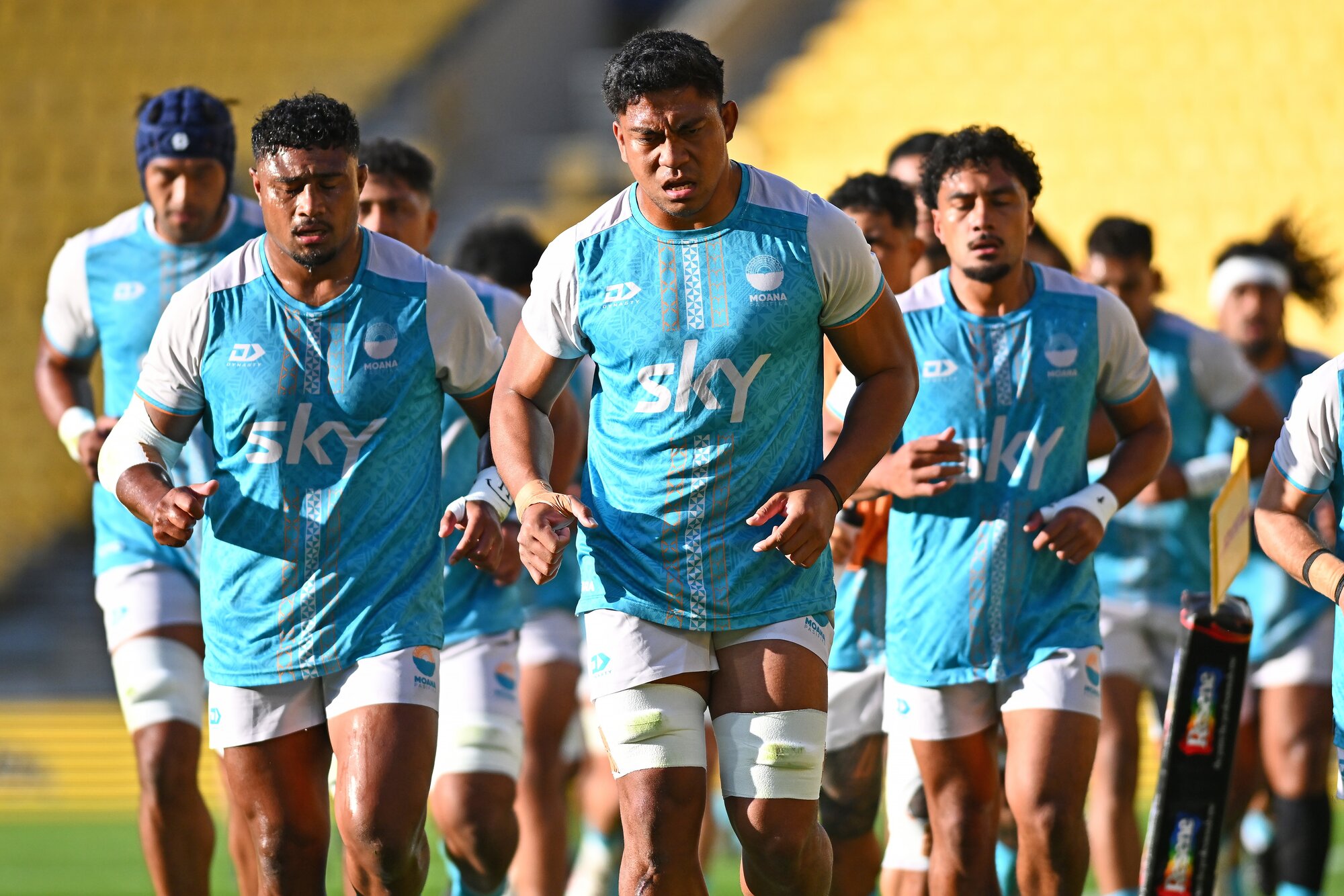
But as the Herald revealed, Moana has exhausted its government money, World Rugby is no longer contributing, and it is also believed that Sky, which pays an estimated $300,000 a year to have front-of-jersey naming rights, is not looking to extend its sponsorship beyond 2026.
The club effectively needs to generate about $8m of commercial income to break even, but it is believed that through gate income and sponsorships it made about $1.5m last year.
Moana was granted a licence to enter Super Rugby Pacific in 2022 and was set up with a mandate to identify and develop elite talent in Samoa and Tonga.
The initial presentations envisioned the side eventually being based in the Pacific Islands and playing most of its games in Samoa and Tonga.
The plan was to create a professional team that would provide a pipeline so talent could flow from Super Rugby through to the national teams of Samoa and Tonga.
But while the vision made sense and was widely supported by New Zealand’s five foundation Super Rugby sides, the financial costs and difficult logistics of setting up in the Pacific Islands proved insurmountable.
The club effectively morphed into a sixth New Zealand team, but without a permanent home and without the same financial structure as the other five.
As a result, it has struggled to consistently attract the quality of players it imagined or build the sort of fan base it needs to generate a sustainable level of commercial income.
The Herald has asked Moana for comment.
Gregor Paul is one of New Zealand’s most respected rugby writers and columnists. He has won multiple awards for journalism and written several books about sport.