Orcas: facts about killer whales and the best places to see them
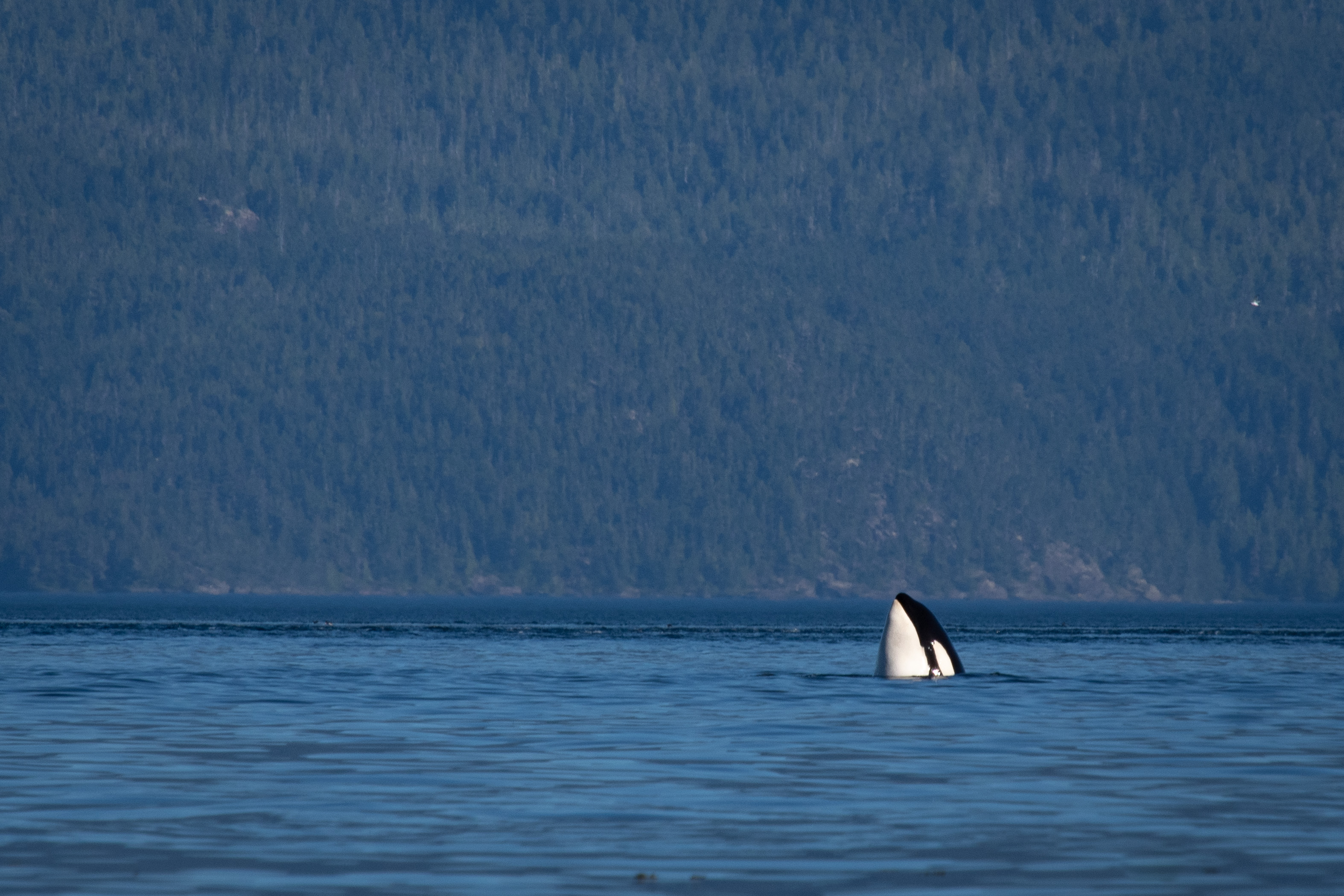
On World Orca Day, Catherine Roberts reveals how responsible whale watching tours can help us better understand the complex, wonderful world of killer whales
It might be World Orca Day, but killer whales have been stealing headlines (and memes) for months, thanks to a spate of close encounters with boats in Southern Europe.
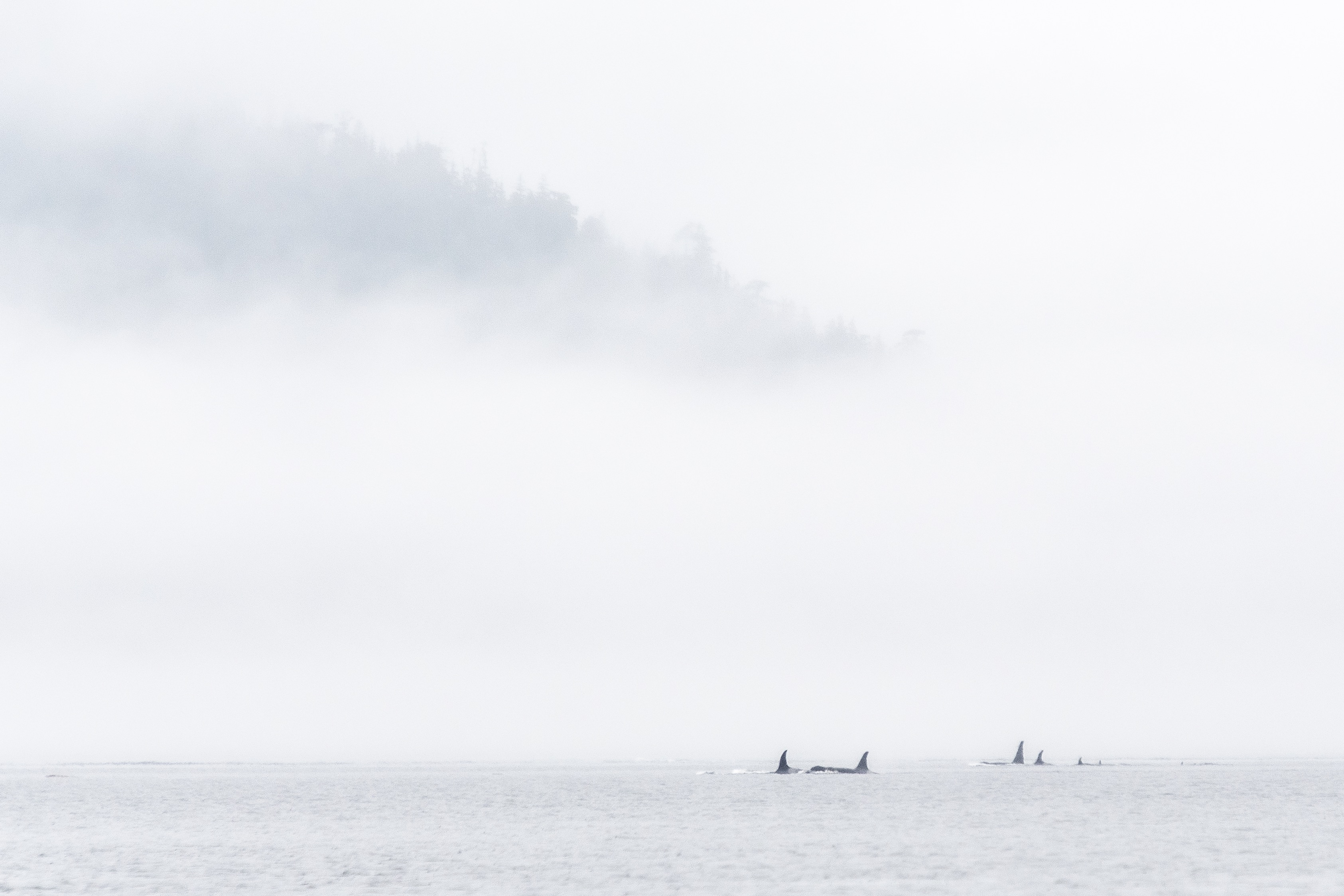
There have been more than 500 reports of orca interactions off the Iberian coast since 2020. Most have been harmless – a nudge to a hull here, a chew on a rudder there. However, some incidents have been more alarming, with three vessels sunk.
But framing this behaviour as “attacks” or “revenge” can be dangerous and misleading, with the potential to bring about a ‘Jaws effect’, where lethal methods of prevention – such as Western Australia’s shark culling policies – are deemed necessary.
And while orcas might be apex predators, they remain incredibly vulnerable.
Changing times and changing climes
It’s been 10 years since the damning Blackfish documentary told the story of Tilikum, a performing orca that killed three people while in captivity. And yet more than 50 orcas are still held in marine parks globally.
These days, live capture is one of the rarer dangers killer whales face. Overfishing, climate change and habitat degradation all reduce and change the movement of prey they rely on. Pollution – rubbish, fishing lines, microplastics, chemicals and underwater noise from vessels – also threaten their wellbeing.
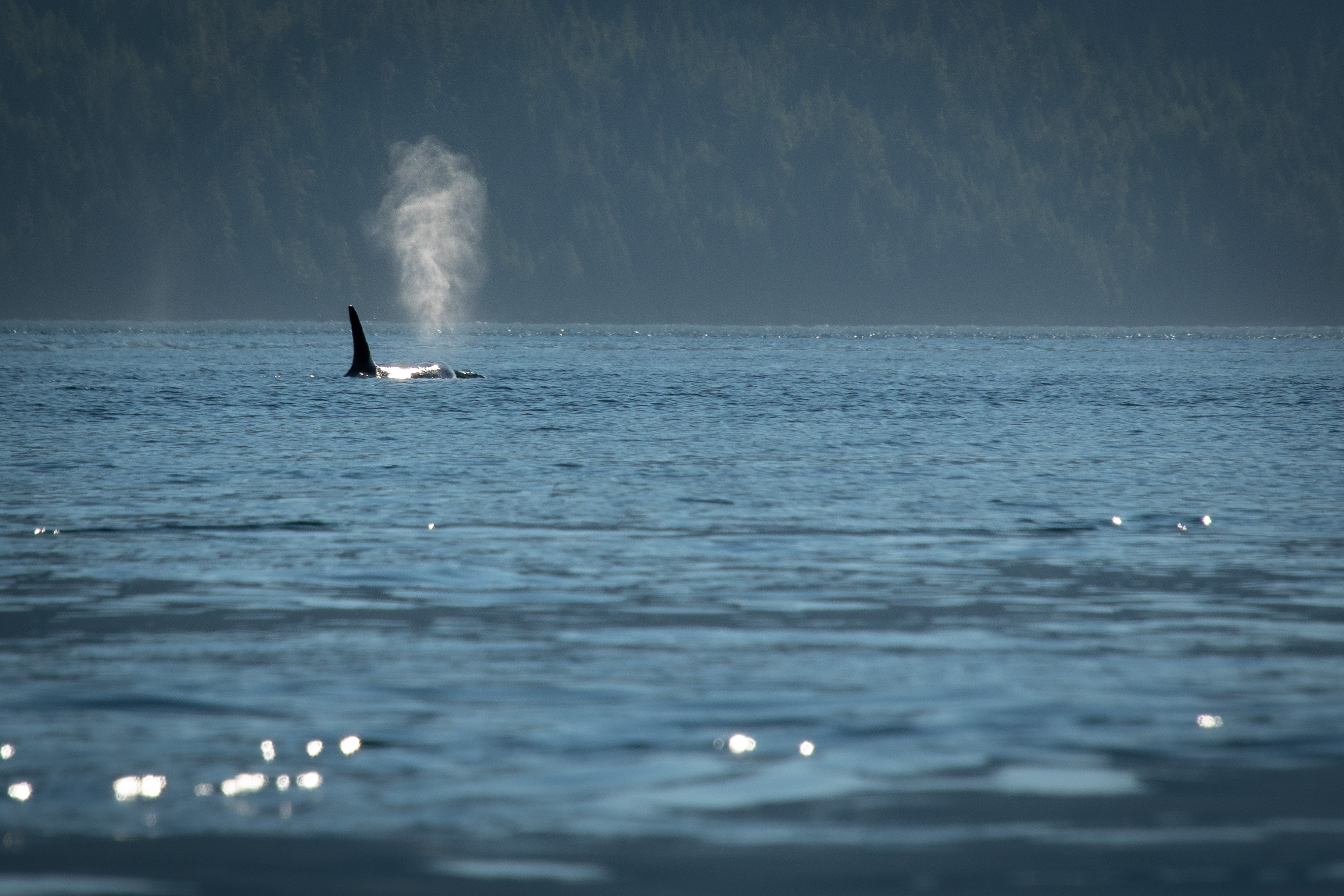
World Orca Day reminds us that these astonishingly clever creatures are still under threat – and that the behaviours observed in Europe might not be what they seem.
But what is happening? Responsible whale watching tours can help provide some context.
Seeing orcas in the wild, where they belong
Orcas are truly extraordinary – and spending time in their presence is exciting, humbling and, for many, a life-changing experience.
While whale watching in Canada, I was lucky enough to encounter an orca and her calf. The skipper lingered at a respectful (and legally required) distance while the orca swam on, scything through the water with calf in tow.
All the while, the on-board marine biologist narrated what we were witnessing, laying out a nautical chart and a killer whale family tree for a breezy lesson at sea. This orca was from the endangered “southern resident” population, likely on her way to rejoin her pod for the start of the salmon run. There, her calf would pick up all the hunting skills needed to survive.
The best whale watching guides have many strings to their bows. They’re researchers, scientists, educators and campaigners who can teach you about the behaviours you’re observing – and how, often, these habits are completely unique to the area. The top predator of the sea, orcas have incredibly intricate social structures. They also pass on much of their knowledge to their pod, including hunting techniques and vocal dialects.
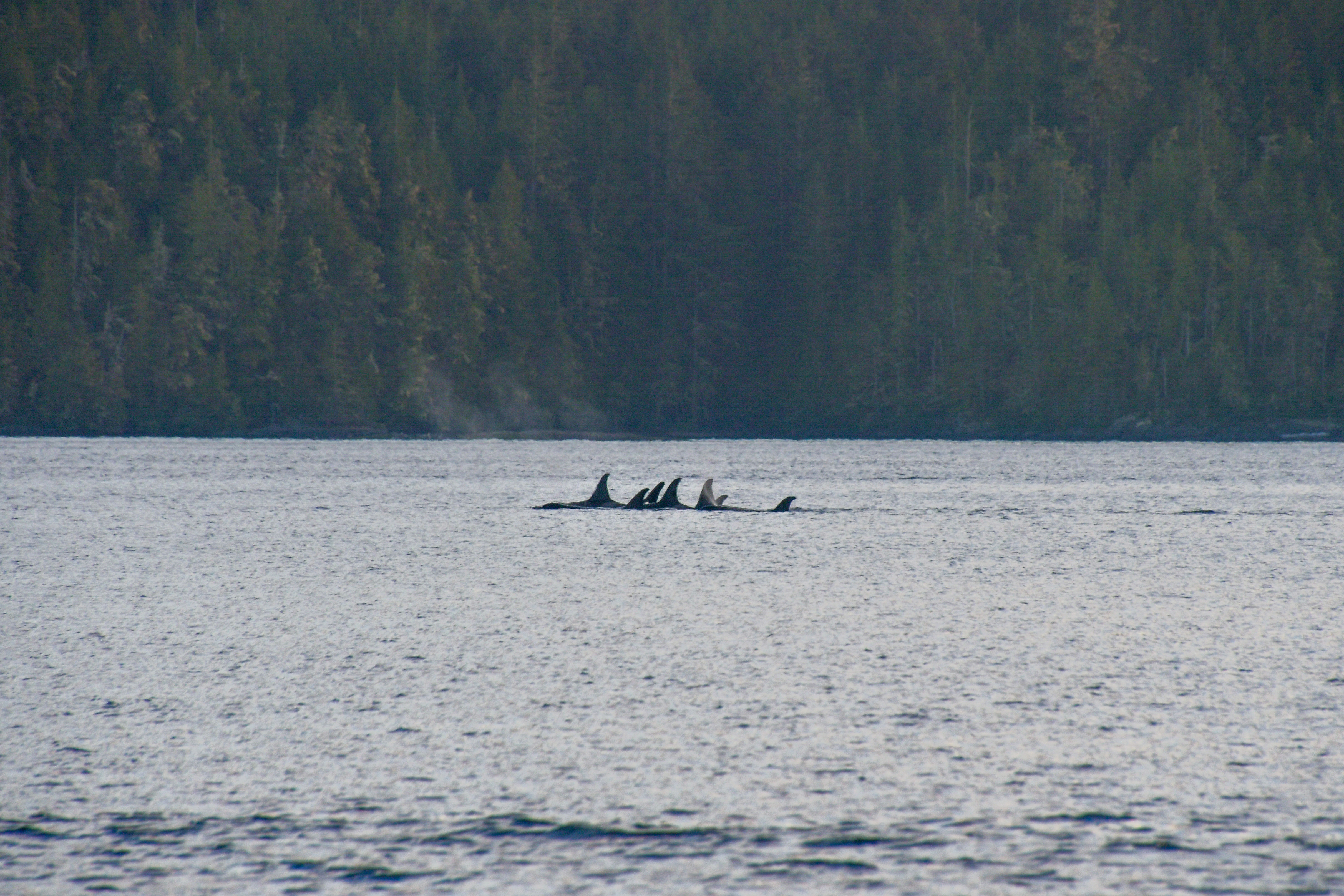
In Canada, I watched orcas that have perfected the art of hunting massive Pacific salmon. In Antarctica, killer whales have learned to work together to create waves that sweep seals off ice floes (watch them in action in Frozen Planet II on TVNZ). In Wellington, you might see orcas enjoying their seasonal feast of stingrays, which they dig out of the sand in spring and summer.
And along the Iberian Peninsula, orcas have developed an interest in boat hulls.
Some researchers theorise it could be a defensive action that started in one orca that others are mimicking. Other researchers insist that it’s simply curiosity – play behaviour passed between orcas.
The best whale watching experiences help you understand behaviours like this while keeping the animals’ best interests at the heart of the trip. That includes sticking to whale watching guidelines set by local governments. In New Zealand, vessels must keep at least 50m away from a killer whale; in other countries such as Canada, that increases to 400m.
Some tour operators go many steps further. Sea kayaking specialists Spirit of the West Adventures run orca watching tours from Vancouver Island that get you paddling from campsite to campsite. (Hydrophone for listening to orca song included.)
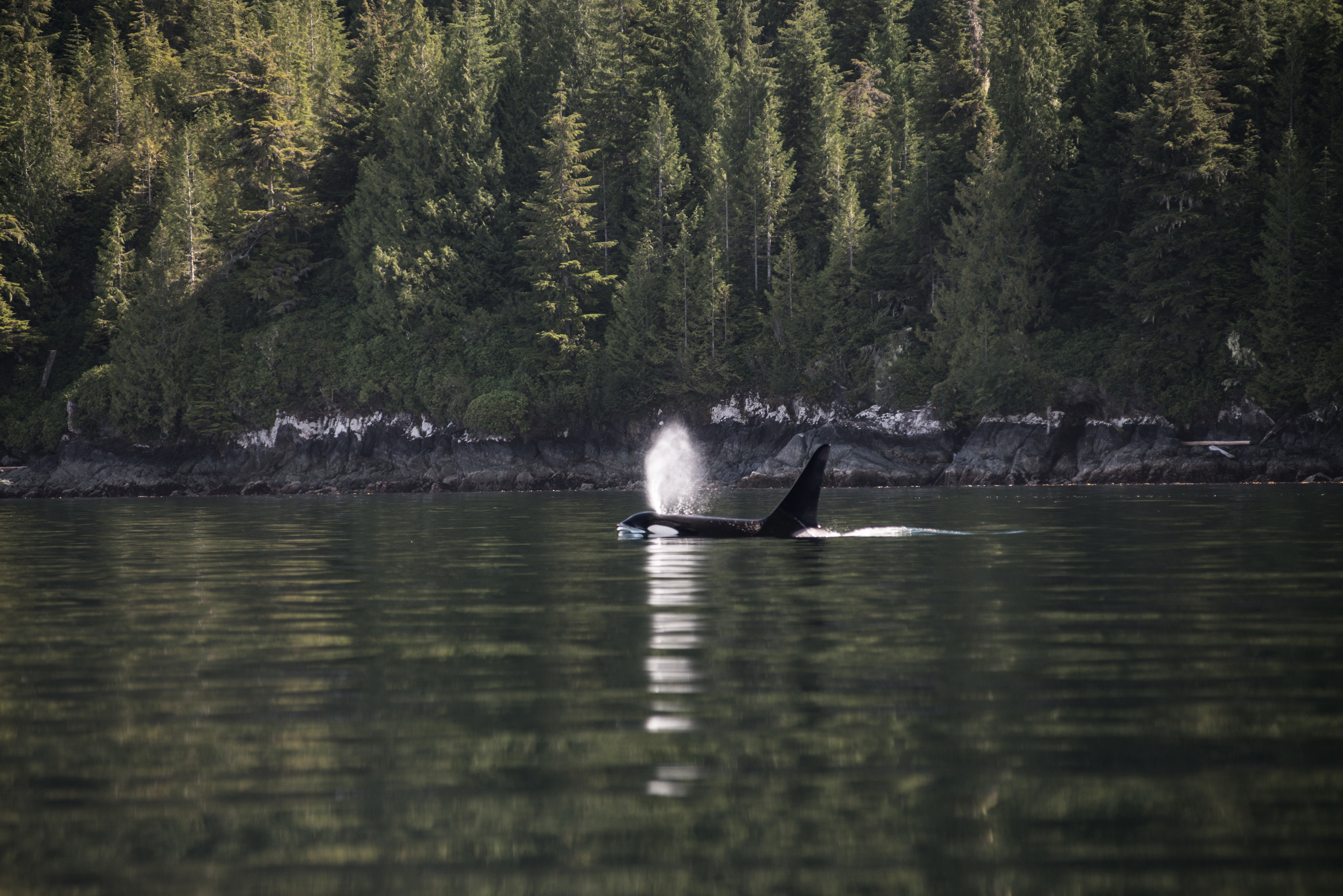
Their work doesn’t stop when the tours wrap up, either. Staff are continually working to establish and uphold wildlife viewing guidelines for the tourism industry and the company donates a percentage of tour sales to marine research, environmental law campaigns and community conservation projects.
They also hire highly knowledgeable local staff passionate about sharing their stories and love of killer whales – a real gift for guests.
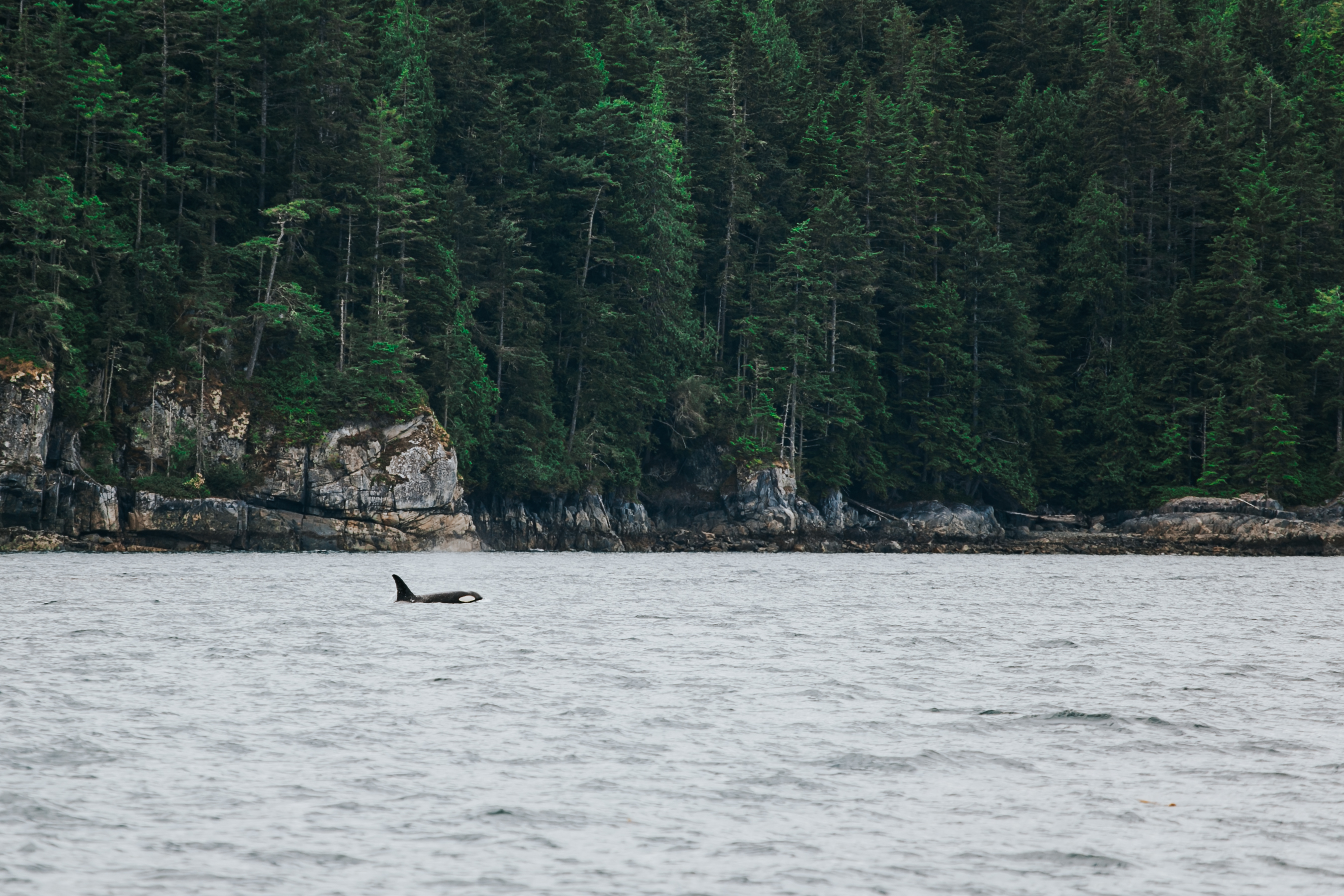
When travelling with these experts, you’ll leave with a stronger understanding of the lives of killer whales and how everything on our planet is connected – and how we can give orcas a helping hand, from investigating the provenance of our seafood to supporting political parties with environmentally progressive policies.
And in a world where many of us have the power to publish at our fingertips, changing our language is a good place to start. Let’s swap the word “attack” for “encounter” and “revenge” for “interaction” before the Jaws effect takes hold.
Killer whales: quick facts
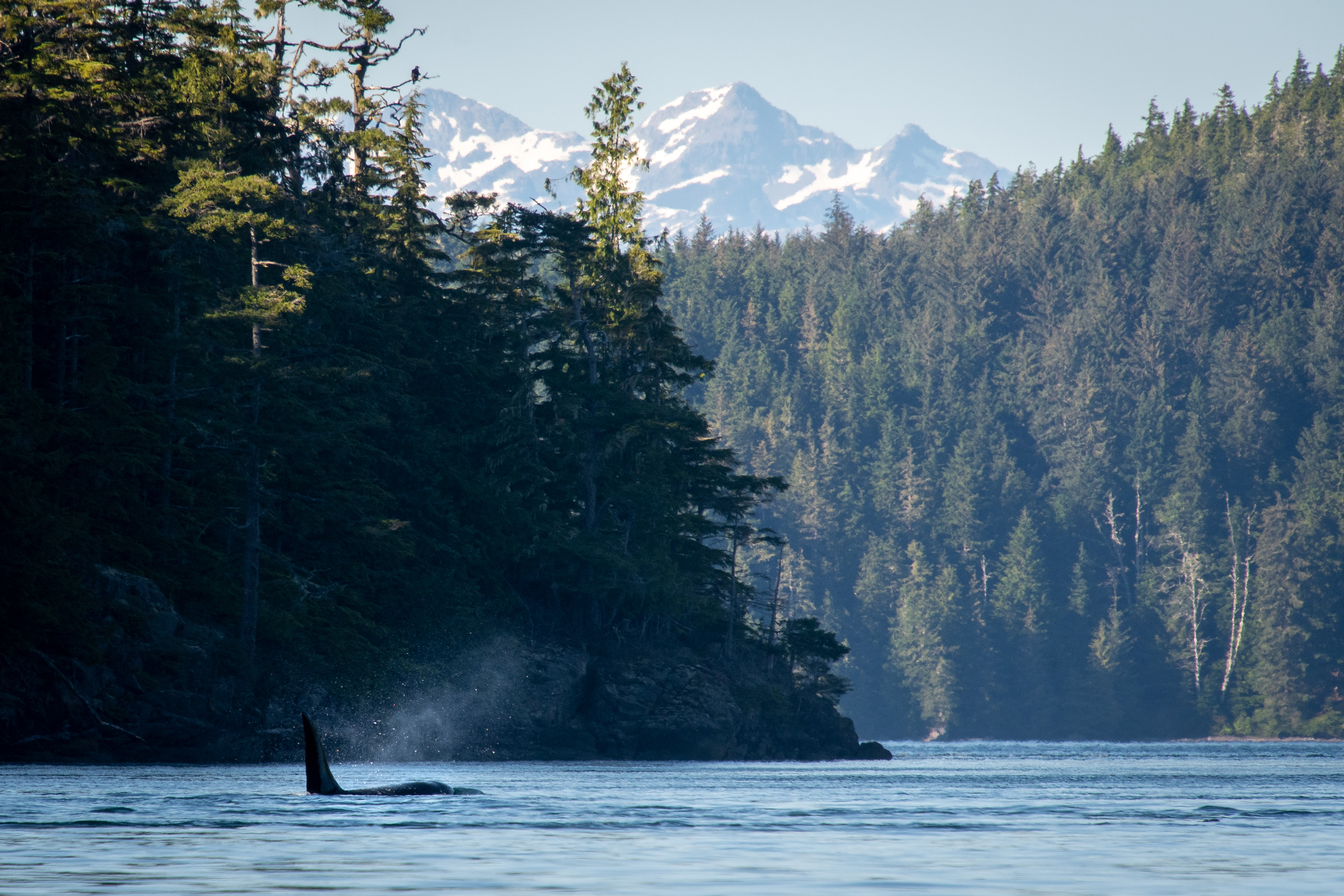
Where else to see orcas in the wild…
Catherine Roberts is a writer for Responsible Travel