How To Build The Perfect Skincare Routine For Winter, According To Two Skin Experts
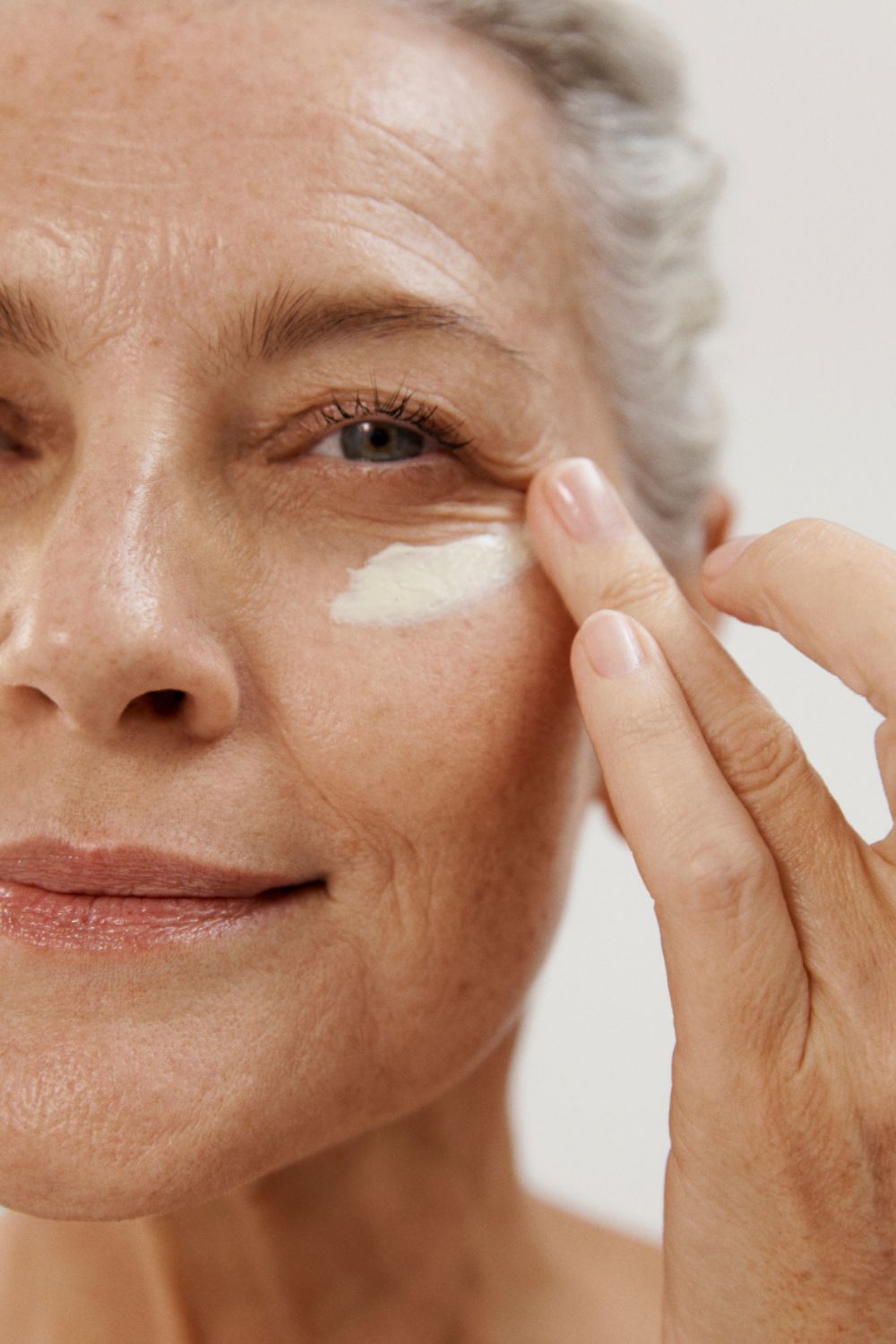
These winter skincare swaps help maintain dewy, hydrated skin all year round.
Do you really need to switch up your skincare routine with the seasons? Is it better to apply a thicker moisturiser in winter and a lighter one in summer? You don’t have to search very hard to find the answer is a resounding yes.
But don’t wait for the signs of seasonal dryness to start showing up on your face to make the switch.
With winter fast approaching, shifting gears from a reactive to a proactive mindset is key when it comes to caring for skin in the cooler months, says Gemma Rogers, a senior education manager at Estee Lauder.
“Many people wait until their skin is visibly struggling before adjusting their routine, but the skin barrier takes time to repair,” Rogers says.
“Start layering hydration and protection before you feel like you need to, and your skin will thank you for it. Less stripping, more nourishing.”
The best winter skin game plan combines topical skincare with targeted treatments that work beyond surface hydration.
We asked two skin experts to share their tips on how to nurture delicate skin throughout the cooler months, plus the best in-clinic treatments to give skin an extra hydration hit.
How winter affects skin
“Winter is certainly a challenging season for skin,” says Rogers. The contrast between environments (cold, dry air outdoors and heated air indoors) is the biggest culprit for stripping moisture from skin.
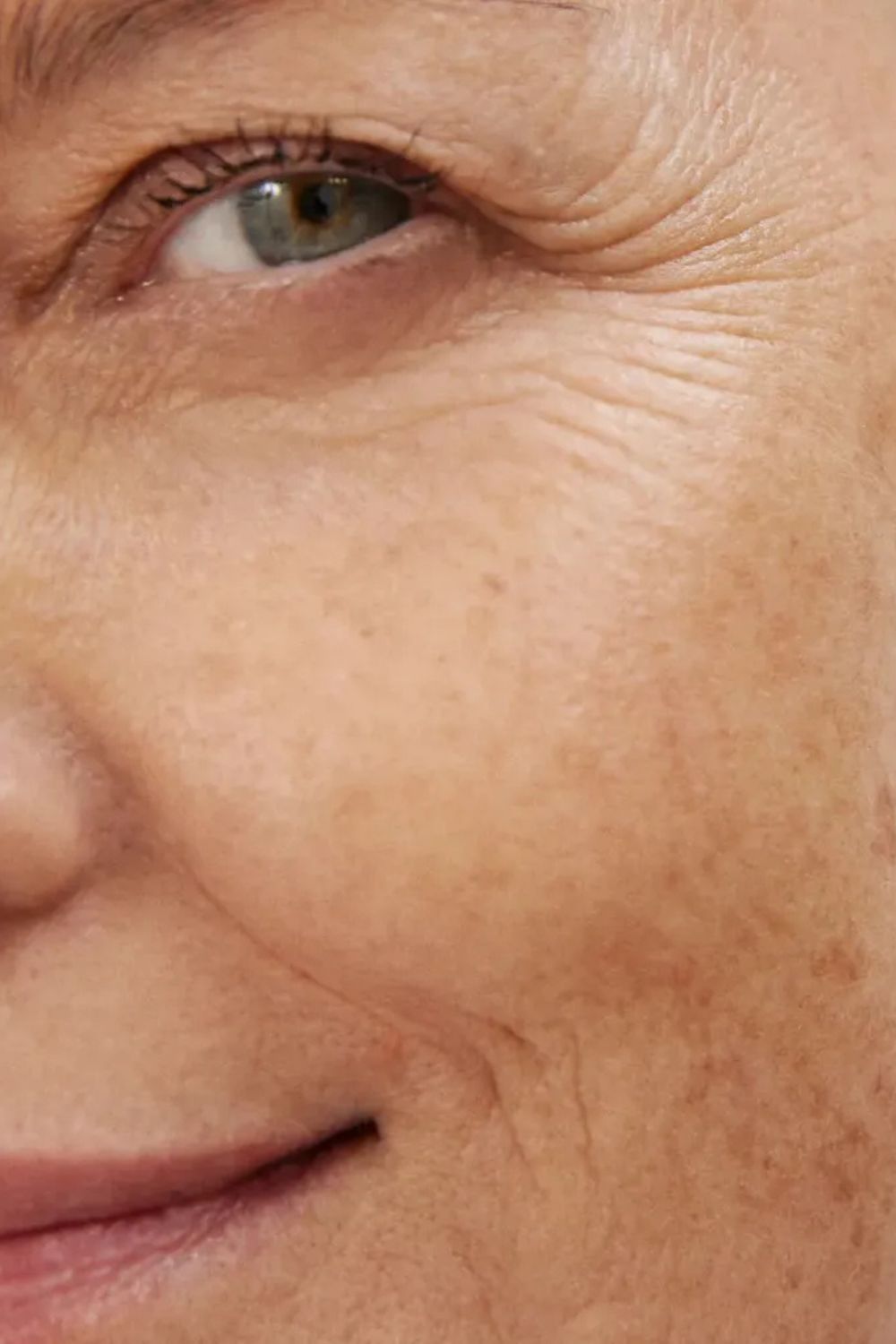
Together, they can disrupt the skin barrier (the skin’s first line of defence), which can show up on your face as increased dryness or tightness, heightened sensitivity, dullness and more pronounced fine lines due to dehydration.
Rachel McAdam, head of medical relations at La Roche-Posay, says the skin’s moisture barrier balancing act is challenged further in the cooler months.
“Thanks to the laws of physics, in dryer atmospheres the moisture tends to be drawn out of the skin,” she says. Cue the downhill spiral of tightness, irritation, itch, flaking and redness.
Ingredients to look out for
Several skincare ingredients are well-known for their hydrating properties - think ceramides, hyaluronic acid and peptides - which support a healthy barrier and boost the skin’s ability to retain water.
But the best formulations go a step further by twinning these hardworking hydrators with other ingredients equally worthy of a spot on the bathroom shelf.
Rogers notes niacinamide - also known as vitamin B3 - as one of her winter go-tos to reinforce the skin’s barrier and help brighten uneven skin tone. It boasts the added benefit of regulating sebum and minimising enlarged pores on acneic skin types.
Bifida ferment lysate is a probiotic-derived ingredient recommended by Rogers. It improves barrier function and reduces sensitivity - exactly what compromised winter skin needs.
Mature skin types could try formulations that hero biotech collagen, designed to plump and hydrate skin while counteracting moisture loss caused by cold and heated air.
For McAdam, the best winter skincare contains a balance of ingredients that have humectant, lipid and occlusive properties, which she calls “The trifecta for hydration”.
Humectant ingredients include hyaluronic acid and glycerin, which hold moisture within the epidermis. Lipids like ceramides or fatty acids create a seal between the top layer of skin cells, to prevent excessive water loss.
Occlusive ingredients (paraffin, dimethicone and squalene) create a layer that sits on top of the skin to lock in moisture that’s already there, and block any from evaporating.
If your skin is prone to eczema, McAdam says formulations with minimal ingredients are a must to avoid triggering a reaction, but the same hydration trifecta (humectants, lipids and occlusives) is still beneficial. Pre and post-bionics are excellent to support a healthy skin microbiome on compromised skin.
Rosacea is a different thing entirely, and McAdam advises seeking dermatological support during serious flare-ups.
Her skincare wishlist for rosacea-prone skin includes extremely gentle products that offer lightweight hydration (non-occlusive), contain 4% niacinamide concentration or less, and support the microbiome. She suggests side-stepping acid, retinoids and steroids.
In-clinic treatments to try
For a quick hydration boost in-clinic, Rogers recommends hydrating facials that infuse hyaluronic acid into the skin, calling them her winter must-do for how they “deliver moisture directly into the layers of the skin, rather than sitting on the surface”.
Microneedling is another; the micro-channels the dermal needles create are like a fast-track highway, deploying hydrating ingredients like serums into the deeper layers of the skin (or where it’s needed most) for skin that’s plump and dewy. Microneedling is also said to boost epidermal function, which McAdam says will promote a better barrier function.
To address winter dullness, consider medical-grade peels, which are usually composed of hydroxy acids. McAdam says peels offer a medium-term solution to winter skin ailments, by sloughing away dead skin cells and restoring hydration at the same time.
The beauty industry is awash with new skin booster injectables to try, and McAdam says winter is a great time to try any hyaluronic acid-based injectables like Profhilo and Sunekos. These injectables deliver micro droplets of hyaluronic acid into the epidermis for a hydrated glow.
A less invasive option is LED, which counteracts the drying effects of indoor heating, soothes weather-induced inflammation, and boosts collagen production when skin is most prone to dullness.
Tips for hands and lips
Hands and lips can take a hammering throughout winter, a time when conditions like chapped lips or dermatitis become rife.
“Hands and lips are the first places to show winter dehydration because the skin is thinner and more exposed,” Rogers says. “Hands are washed or sanitised regularly, which also strips the barrier.”
To compensate, moisturise your hands frequently with rich creams or lotions that contain a higher dose of occlusives like silicone-based dimethicone, McAdam says. “This ingredient creates a glove-like layer and may remain after washing. Look for it high up on the ingredients list.”
For lips, use products that actually repair delicate lip skin rather than just coat, Rogers says.
“A dedicated lip treatment overnight makes a real difference, too,” she says.
Gentle, hydrating formulations with special ingredients like beeswax will lock in hydration and feel nicer on the lips than products with higher concentrations of silicones or paraffin waxes, McAdams adds.
Your winter skincare routine
Ready to winter-proof your skincare routine? Our experts share the best way to build a beauty routine in winter, assuming no other skin conditions are present.
Daytime
Nighttime
Add To Cart
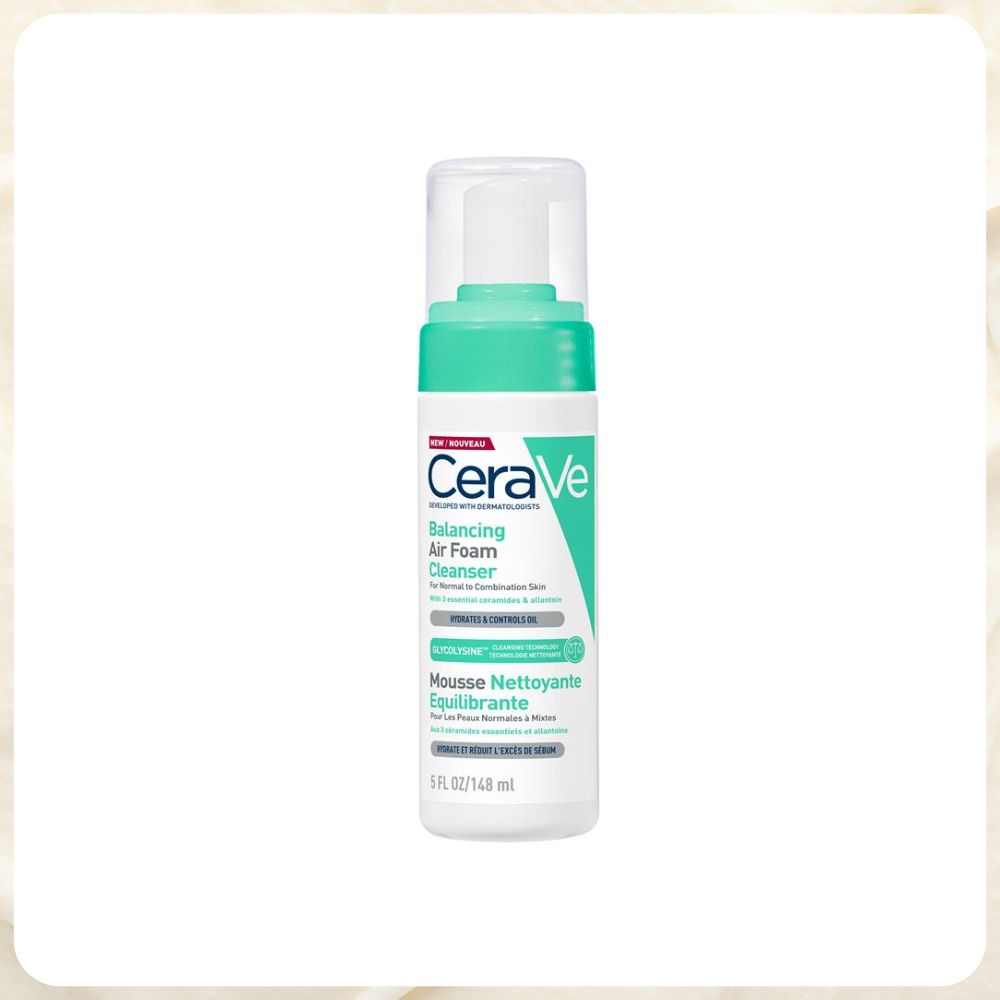
CeraVe Balancing Air Foam Cleanser, $20, is a lightweight, gentle foaming cleanser suitable for both sensitive and acne-prone skin types. “This is very respectful of the skin barrier,” McAdams says.
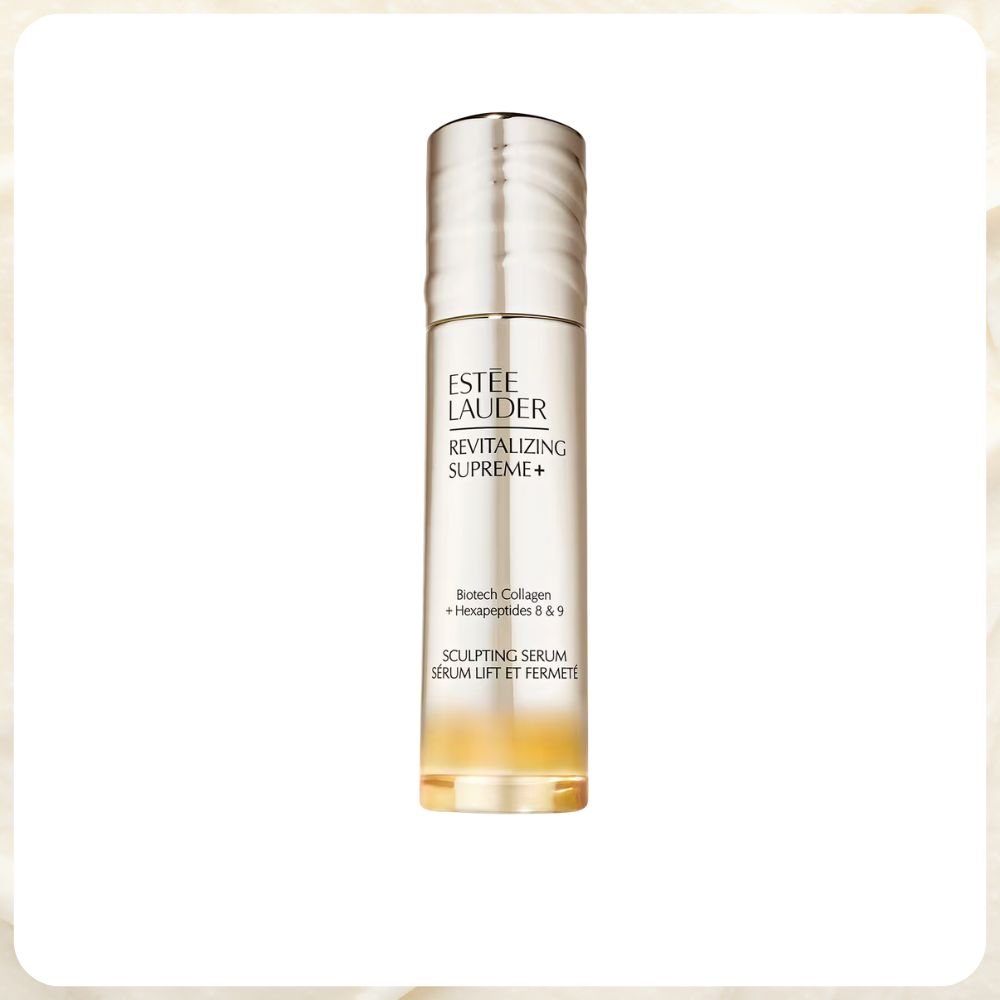
Estee Lauder Supreme+ Sculpting Serum, $299, is a firming serum that activates the skin’s own production of collagen in the face and neck. “The difference it makes to skin’s cushion and bounce in winter is really noticeable,” Rogers says.
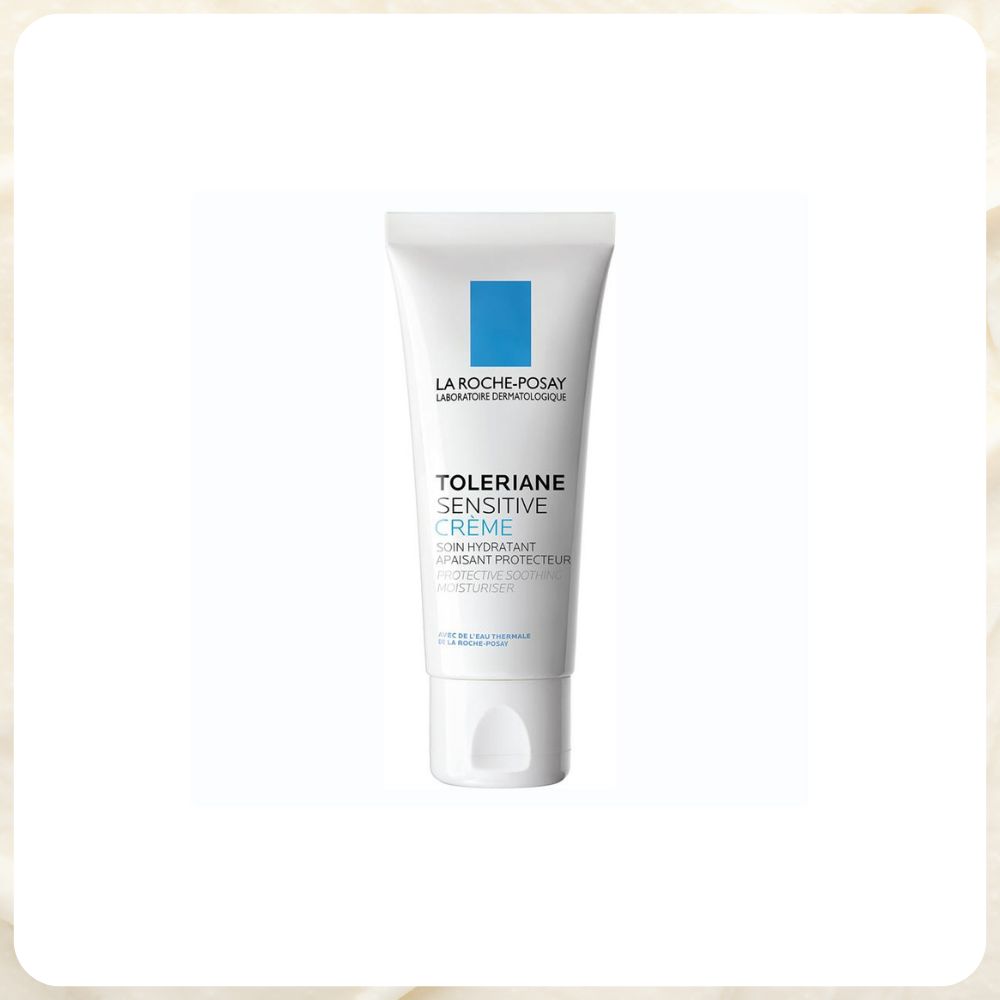
La Roche-Posay Toleriane Sensitive Moisturiser, $41, is one of McAdams’ go-tos for rosacea-prone skin. It contains a blend of glycerin, ceramide and vitamin B3 to soothe and protect sensitive skin.
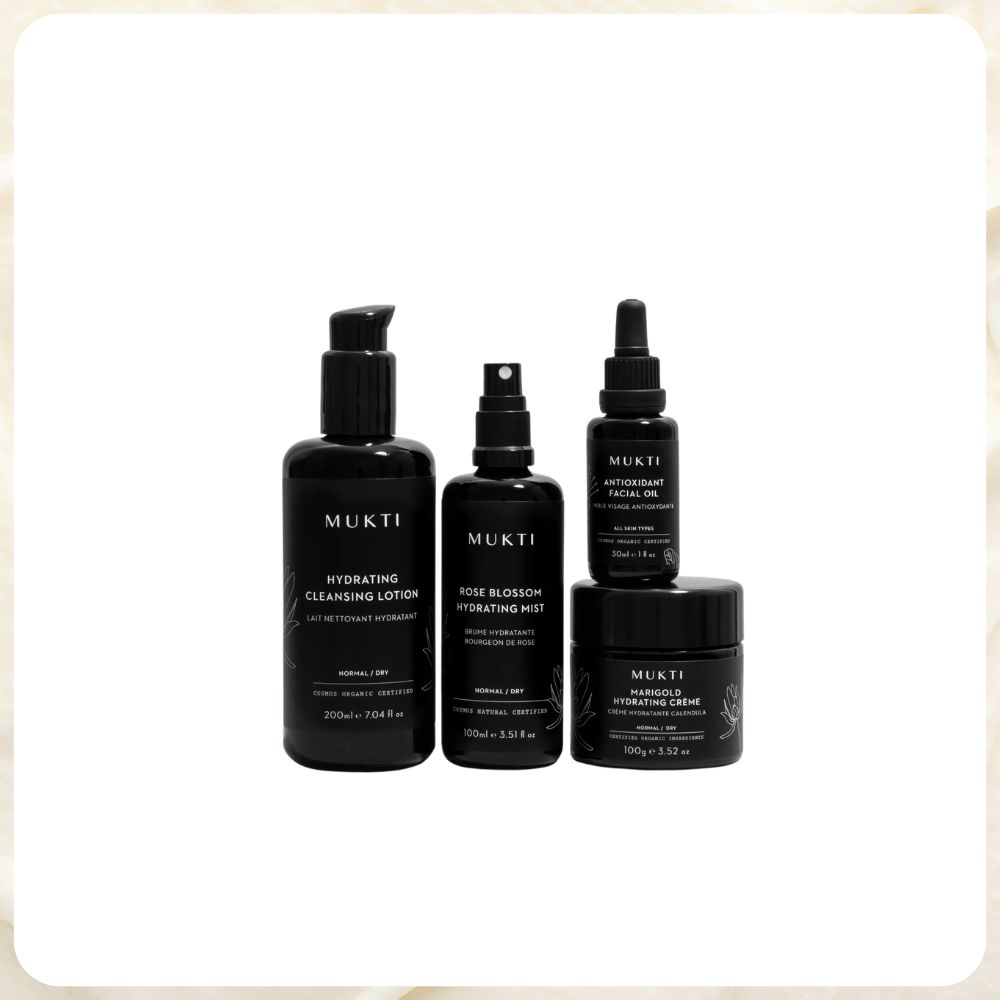
Mukti Organics Winter Essentials Kit, $345, offers a complete four-step routine designed to boost hydration, fortify the skin barrier and protect skin during the cooler months. The kit includes the Hydrating Cleansing Lotion, Rose Blossom Hydrating Mist, Marigold Hydrating Creme and Antioxidant Facial Oil.
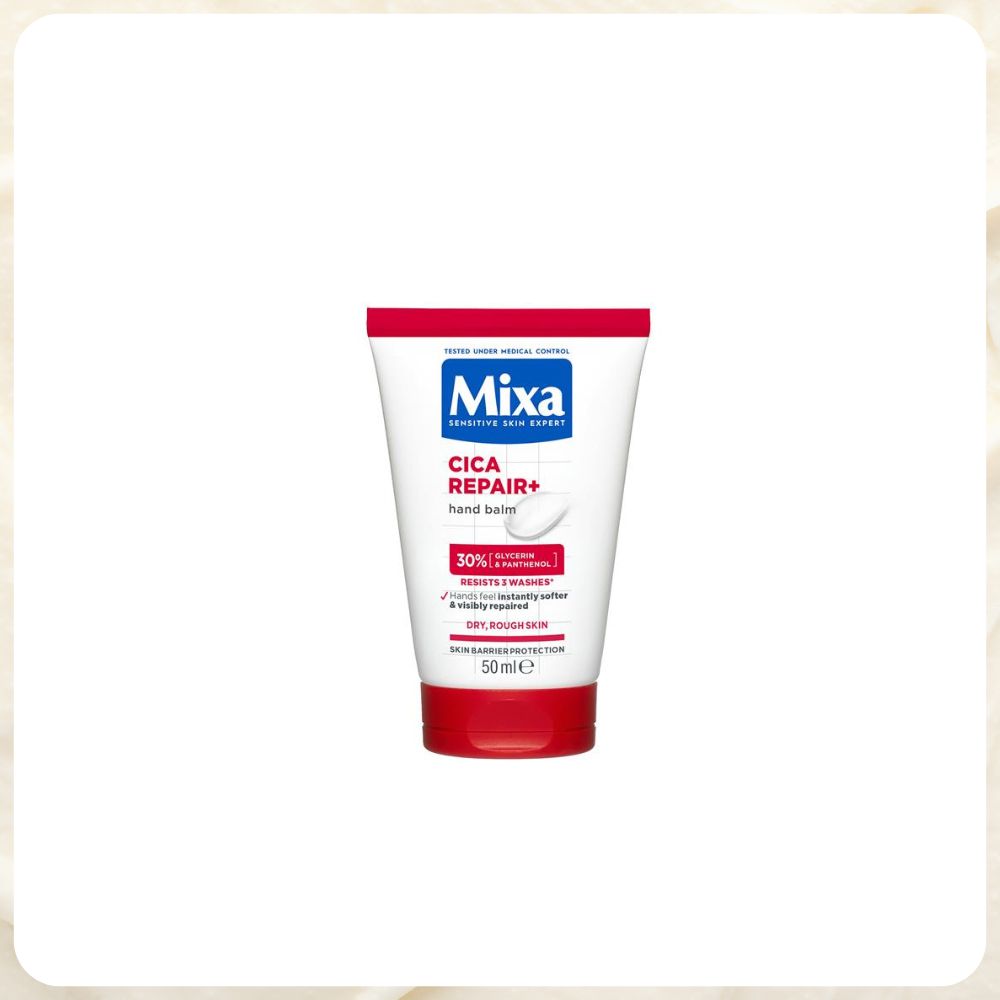
Mixa Hand Balm Cica Repair+, $10, uses a 30% concentration of glycerin and panthenol to hydrate and repair bumpy, rough or calloused hands.
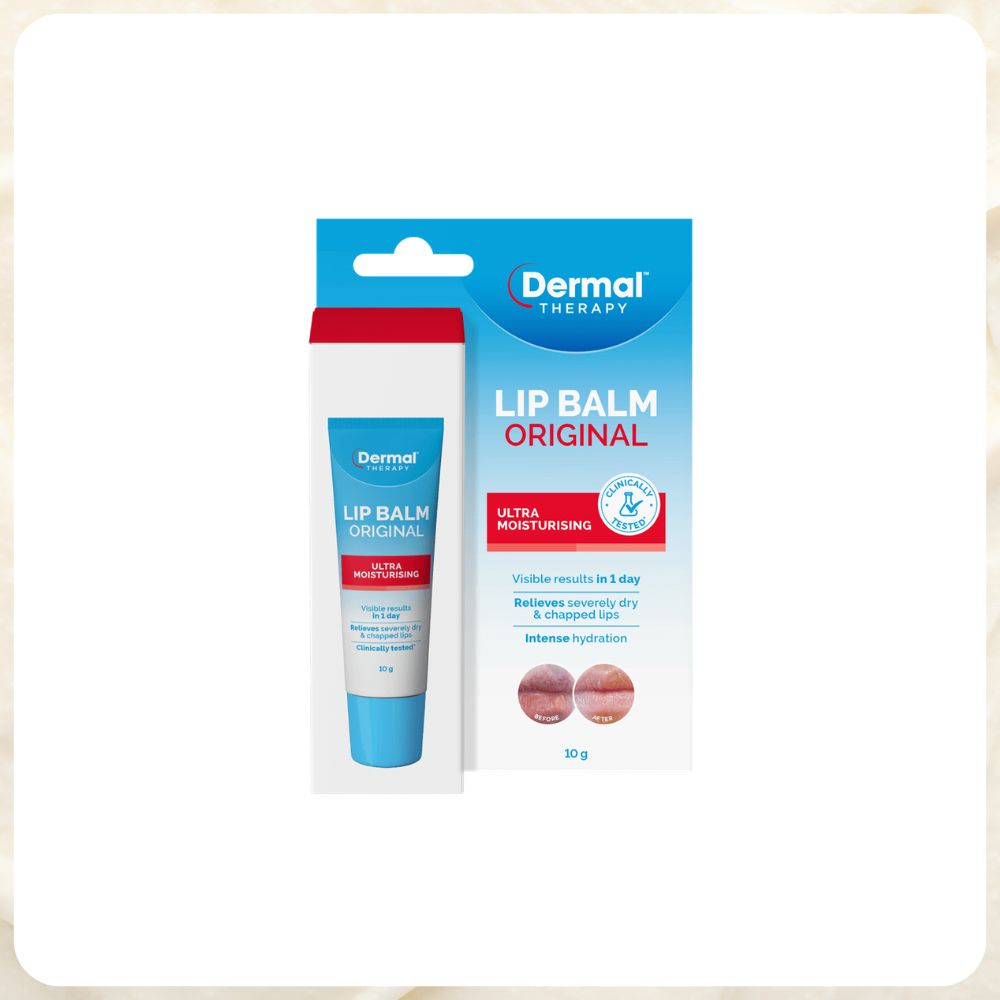
Dermal Therapy Lip Balm, $7, offers instant relief for severely dry or chapped lips, thanks to its blend of 2.5% urea, lanolin and cocoa seed butter.
More beauty
The Viva Beauty Awards make their return for 2026, trending haircuts, colours and styles to try this autumn, plus the best cleansers that do the trick without breaking the bank.
Viva Beauty Awards 2026: Meet The Finalists & Vote For Your Favourites Now. Our judging panel has decided the finalists across all 35 categories, now it’s over to you to crown the winners.
Autumn Hair Inspiration: 8 Trending Cuts, Colours & Styles To Refresh Your Look For The Season. From romantic, undone waves to ultra-glossy curls set with precision, this year’s runways and red carpets provided plenty of inspiration to switch up your hairstyle.
The Next Generation Skincare Products And Treatments To Help Heal Your Scars. Scars can be a mark of bravery, but if you want to fade yours, there are some revolutionary new formulas worth a try.
Beauty On A Budget: 15 Of The Best Facial Cleansers Under $30 To Buy Now. These top supermarket and drugstore face washes gently cleanse without leaving skin feeling stripped or dry. And all without breaking the bank.