How Stephanie Marsters Built New Zealand Plus-Size Fashion Empire Isla-Maree
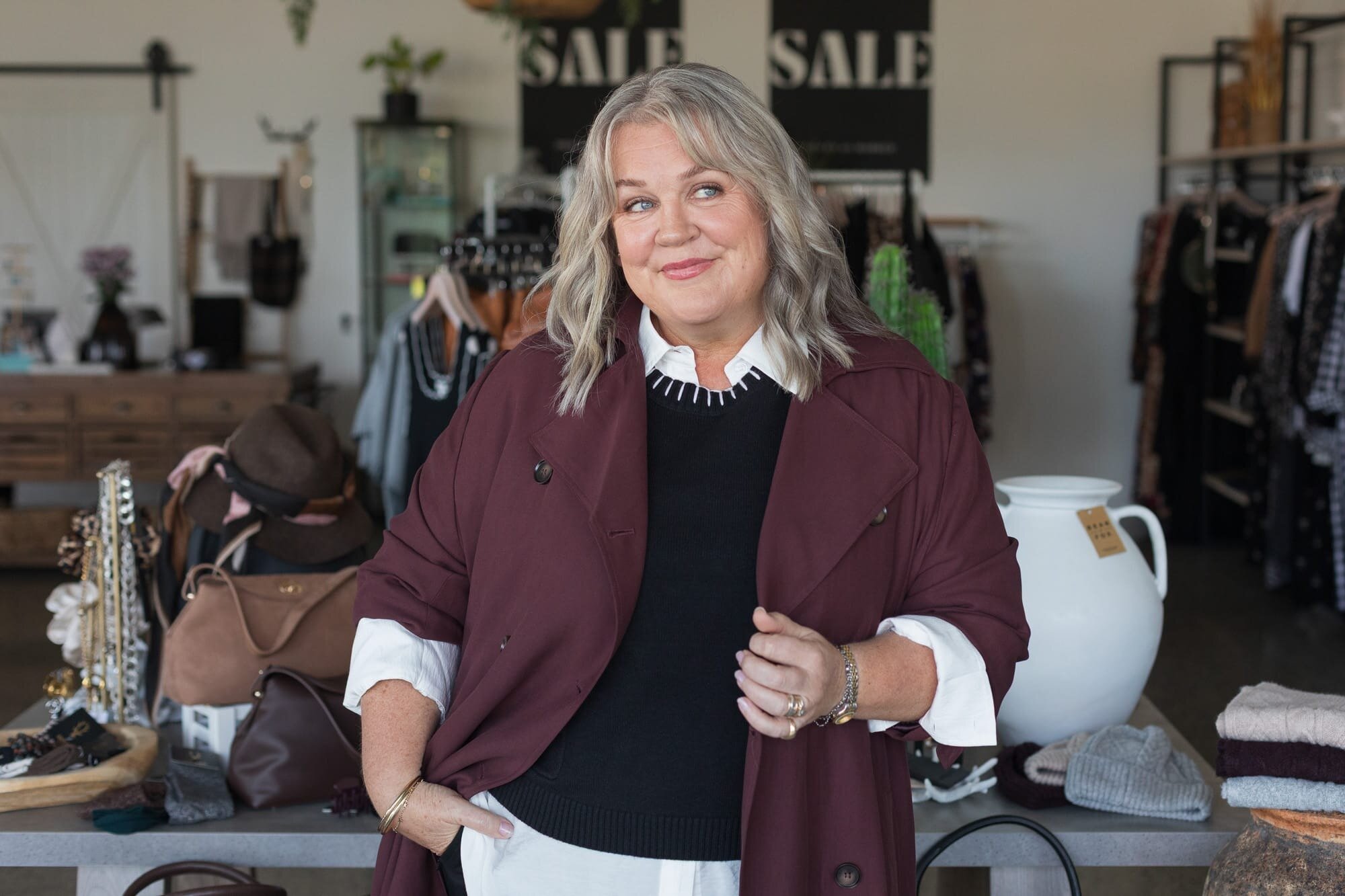
Before size inclusivity became a corporate marketing strategy, this curve label was creating clothes for women who refused to blend in.
In 2016, Stephanie Marsters wasn’t trying to disrupt the local fashion landscape, she was just trying to survive. Back then, success wasn’t measured in millions, but by whether she still had a couple of dollars left in her account.
“If we had $2.30 left in the account by payday, that was a good week,” she recalls, sitting in the West Auckland headquarters that now houses her design studio, warehouse and flagship retail space.
Today, her brand, Isla-Maree, is one of Aotearoa’s most recognisable and accessible plus-size fashion labels. The business reached $3 million in revenue within three years of launching its website and has shipped more than 140,000 orders across Australasia.
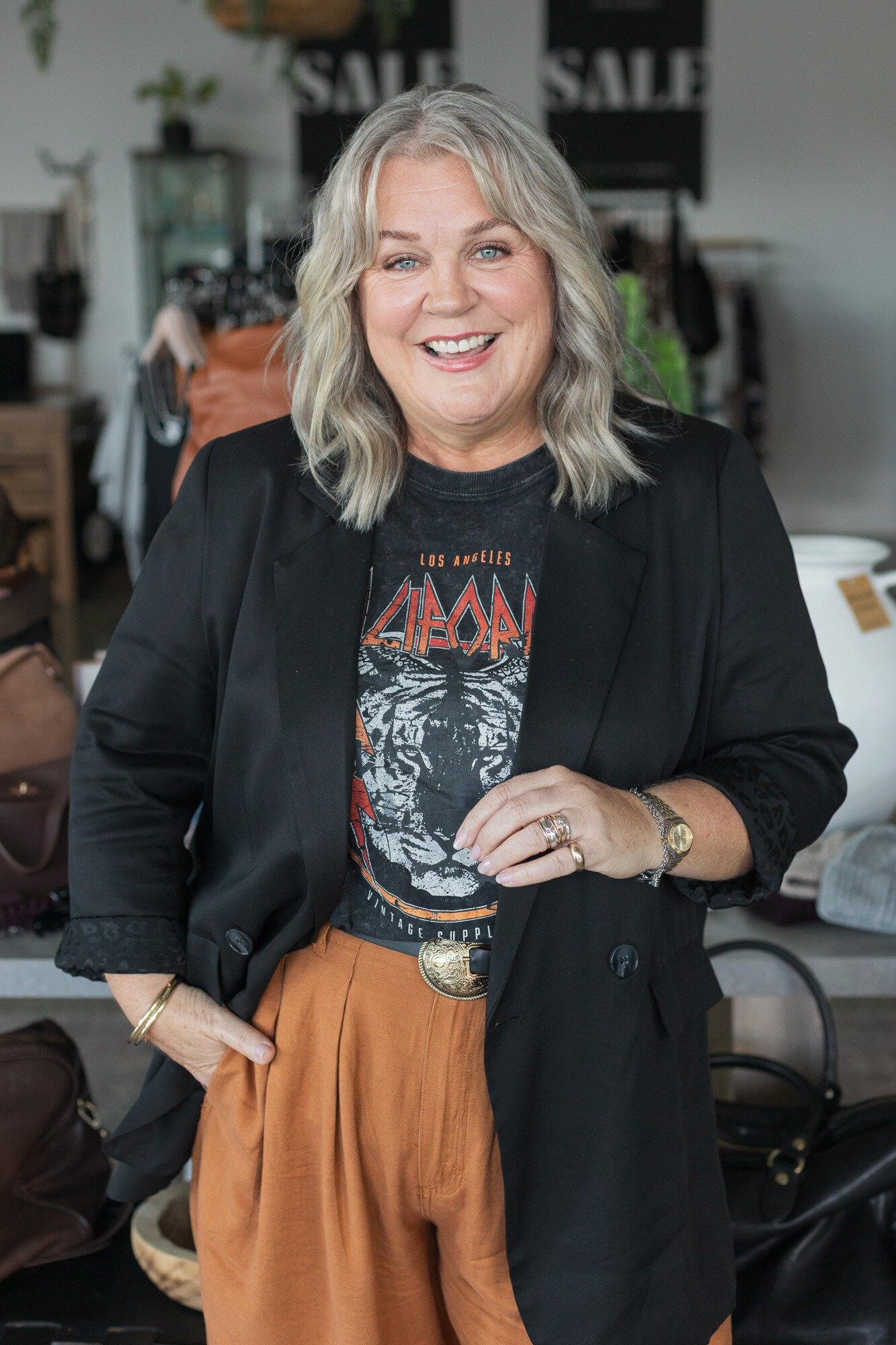
A self-labelled proud “Westie”, Marsters was born and raised in West Auckland, where she left school at 16, diving headfirst into retail.
Her education came from the shop floor, starting work at a consignment store owned by a friend. From there, she cut her teeth in visual merchandising and store management for fashion retailers like Max.
“I spent decades helping build other people’s brands, quietly imagining something of my own,” Marsters says.
“Eventually, I just thought, ‘You know what? I back myself. It’s time to do it.’”
Following the birth of her second child, the crushing mathematics of modern parenting set in.
“We had no money,” Marsters says.
“I had to create myself a job because we needed the income, but I couldn’t go back to work fulltime because we couldn’t afford fulltime daycare.”
The turning point arrived in the form of a $1000 performance bonus from her part-time employer. It could have easily been swallowed up by bills. Instead, Marsters saw an opportunity.
She began emailing clothing wholesalers, relying entirely on her industry vocabulary to convince a couple of labels to take a chance on her. She bought 40 garments, borrowed $300 from her parents to buy a gazebo and set up a stall at Coatesville Market.
For the next two years, Marsters lived a double life. She had a fulltime job in a baby boutique and spent nights learning how to build a business, running the market stall on weekends.
She admits she was fuelled by adrenaline.
“I loved the hustle,” she says.
“I thrive on being busy. The busier I am, the more productive I am. I was tired, but I was passionate because I could see it happening.”
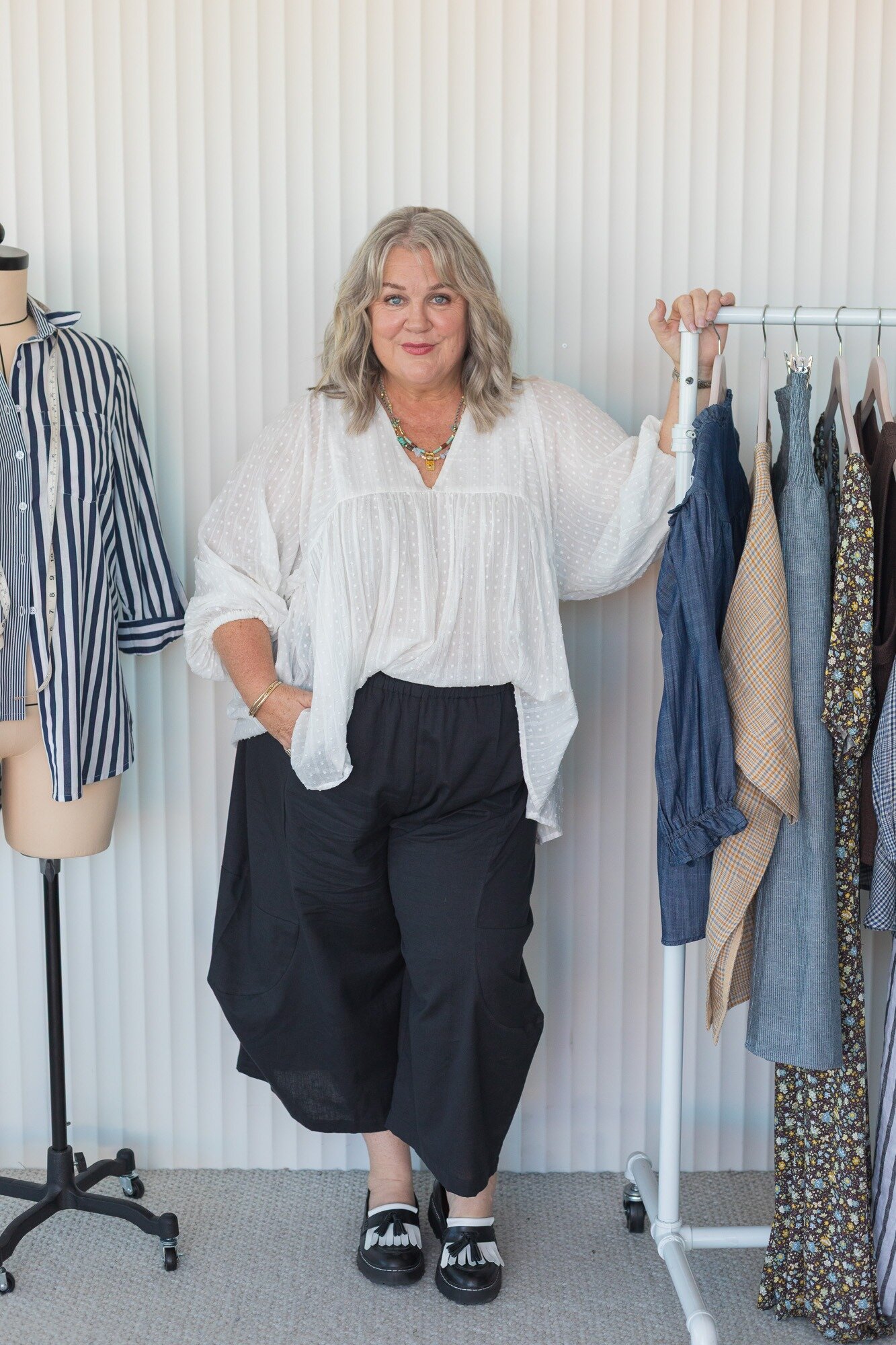
Isla-Maree wasn’t conceived as a curve label; it launched with straight-size garments as that’s what was available. But Marsters, who lives in a bigger body herself, noticed a pattern almost immediately.
“The clothes I was supplying were straight-sizes, but I was only selling out of the larges,” she explains.
“Women were coming to the market stall and they wanted to wear what I was wearing. I could only sell the larger sizes and I was being left with the smaller stock.”
It was a lightbulb moment that exposed a systemic void in the fashion landscape.
A decade ago, mainstream retail treated plus-size fashion as an afterthought. The prevailing design philosophy for curvier bodies was simple: hide them. The market was dominated by shapeless, oversized basics in synthetic fabrics.
“The industry was telling women to minimise themselves,” Marsters says.
“It was telling them to shrink and blend into the background. I wanted women to feel stylish and confident.”
Frustrated by the lack of options available from wholesale suppliers, she approached her existing manufacturers and asked if they would extend their size grading specifically for her.
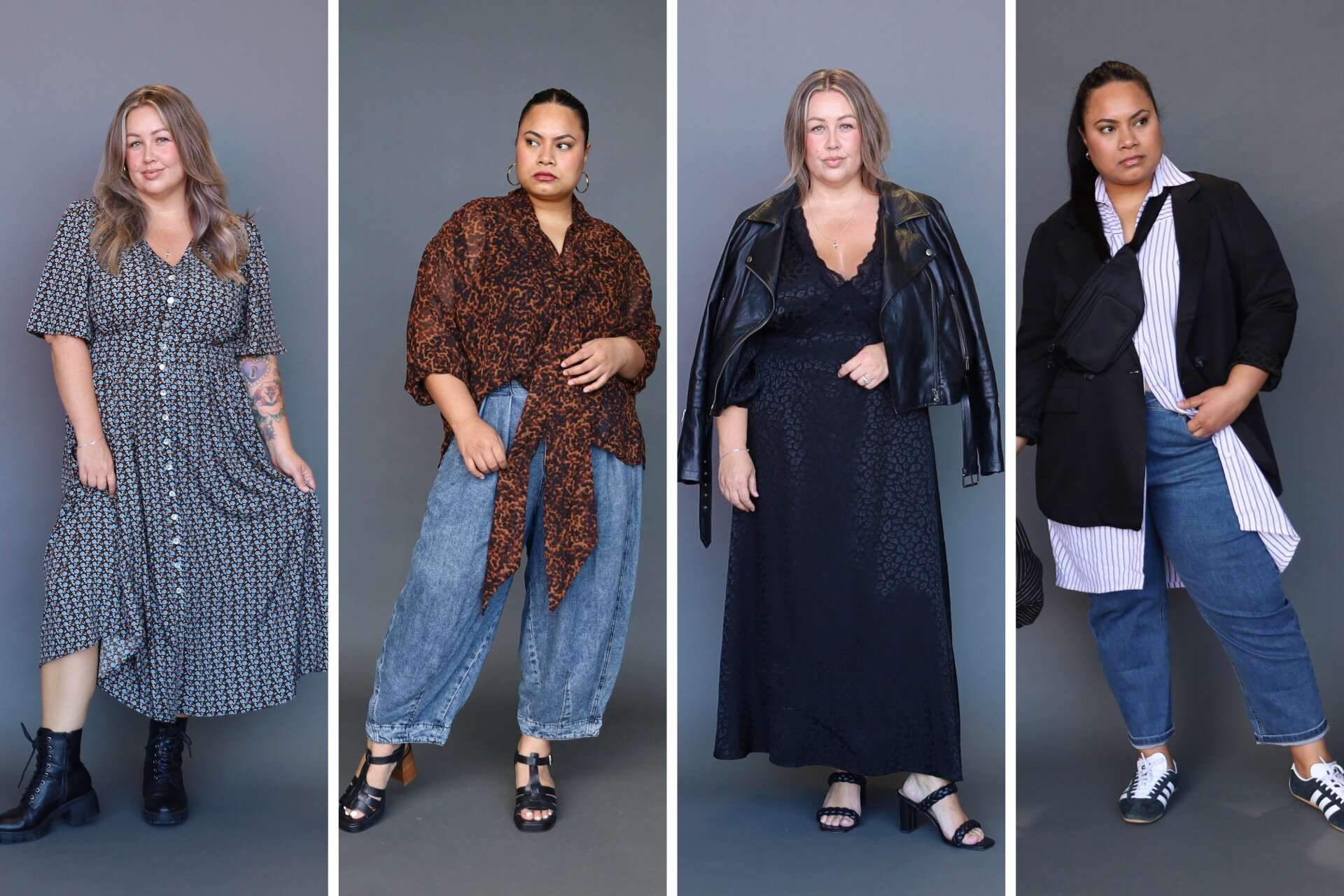
The first collection consisted of just four pieces, influenced by her own personal style with a slightly bohemian aesthetic. The enthusiastic response to her designs proved that Marsters was on to a good thing but selling at a market stall came with challenges. If it rained and the market was cancelled, she refused to be idle. Instead, Marsters jumped on Facebook Live and started talking.
“I was live selling on the internet back in 2016,” she says.
“Someone would comment, ‘Hey Steph, can I see that dress on?’ and I’d whip off-camera, change into it, and jump right back on screen. It was raw and unfiltered, but it worked. I’d go on the internet with no filter, and quite often with no makeup. Women would look at me and say, ‘She’s just like me.’ Showing up authentically takes the pressure off everyone else.”
This direct-to-consumer intimacy transformed Isla-Maree from a market business into a tight-knit digital ecosystem. Customers didn’t just log on to look at clothes; they logged on to find community.
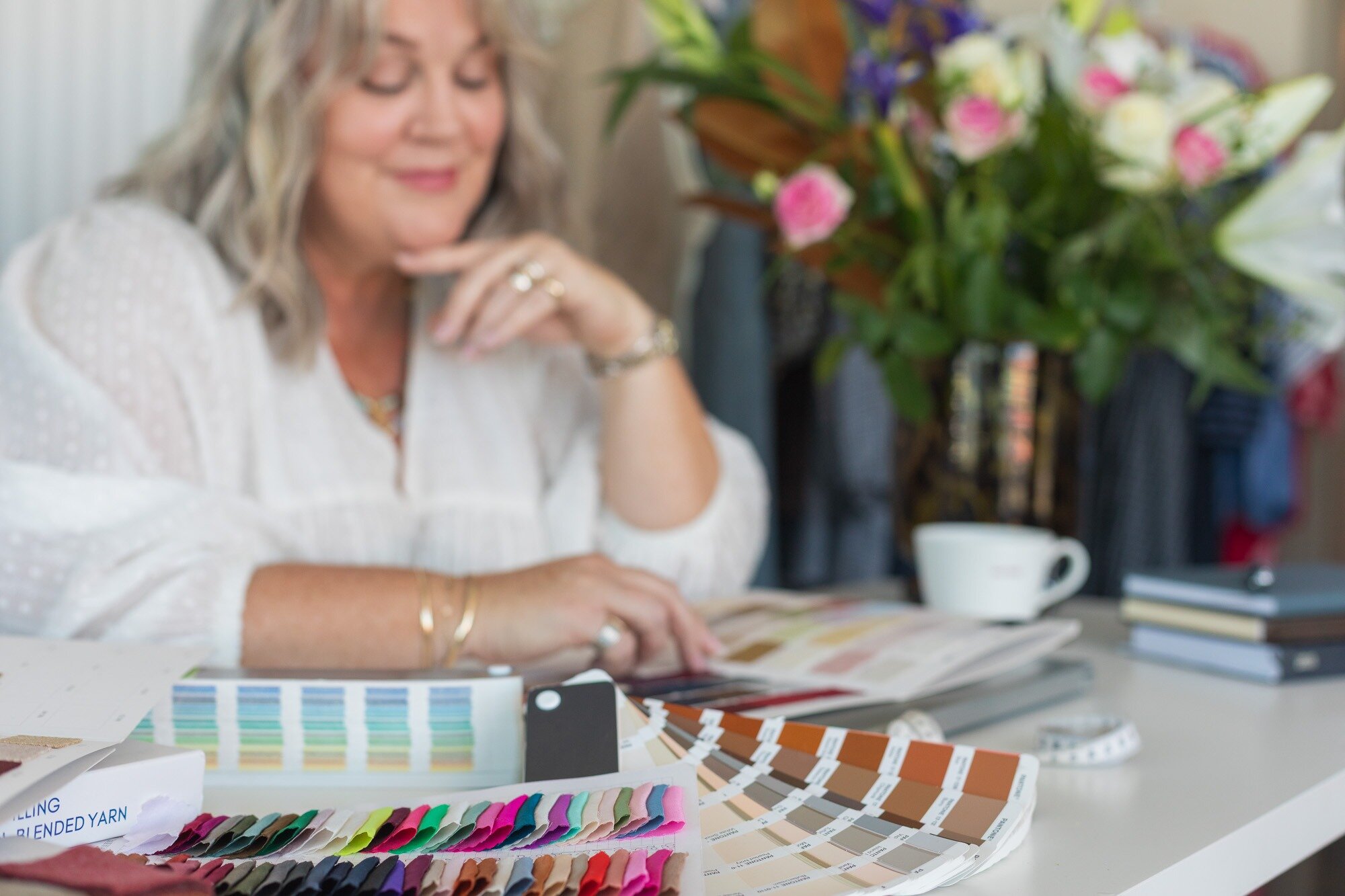
This loyalty became the brand’s life jacket when the world turned upside down in 2020. Marsters admits she was fearful, crying as she packed up her stock, but the Isla-Maree community rallied.
Turning her home into a studio, Marsters used her 14-year-old son as her photographer. She went live every day, not to pitch clothes, but to check in on her community’s mental health.
“I’d get online and ask, ‘How are we feeling today? What TikTok dance are we trying?’” she says.
“And they supported us the whole way through. Because of that loyalty, 2022 and 2023 became our biggest years of economic growth.”
The emotional resonance of Isla-Maree is deeply tied to Marsters’ own internal journey toward self-acceptance. The conversation around size inclusivity is not just a commercial sector for her; it is a personal battleground.
“I spent most of my adult life dieting,” she says.
“It wasn’t until about 10 years ago, right around the time I started this brand, that I finally reached peace with myself. When you turn that corner and drop that societal baggage, the pressure vanishes. I want to help other women turn that corner, too.”
That empathy filters through to the physical retail experience at the Isla-Maree store where the design layout prioritises the emotional vulnerability of her clientele. The fitting rooms are spacious and equipped with comfortable seating.
“As a woman in a larger body, the worst feeling is being in a cramped changing room where you bend over and your bum bursts through a curtain.
“We train our staff to be thoughtful. Many women walk into our shop fiercely guarded, so we gently work with them, and often they walk out of the changing room wearing something they never dreamed of, saying it’s the best shopping experience they’ve ever had.”
It means the brand’s ultimate reward isn’t found in its balance sheet, but in the messages that flood Marsters’ inbox.
While maintaining an accessible price point, the label has attracted high-profile customers, including iconic UK comedian Dawn French and New Zealand music legend Anika Moa, but the messages that stick with Marsters are the ones from everyday women.
“A customer’s daughter messaged me recently,” Marsters says, her voice softening.
“Her mother had just passed away, and as they were cleaning out her wardrobe, they realised it was almost entirely filled with Isla-Maree. The daughter wrote to thank me because finding our clothes had given her mother her confidence back in the final years of her life. Her mum used to message me every second day to tell me what compliments she received.
“Those connections are irreplaceable.”
More on inclusive fashion & beauty
I’m in my 60s and have never felt more stylish. Here’s why. Four stylish NZ women reveal how age has sharpened, not softened, their sense of style.
How to dress well as a plus-size man in NZ: Expert tips from designers and customers. Style has never belonged to one body type. Here’s how to shop for bigger or taller frames.
Where to shop for plus-size tailored clothes, with tips from the people who tailor them. For size-inclusive tailoring, these experts offer sage advice.
‘If it makes you feel hot, do it’: NZ influencer on the mindset shift that changed her life. Entrepreneur and influencer Riley Hemson shares her secrets to looking and feeling good.