Five Eyes warns China is targeting military personnel to leak secrets
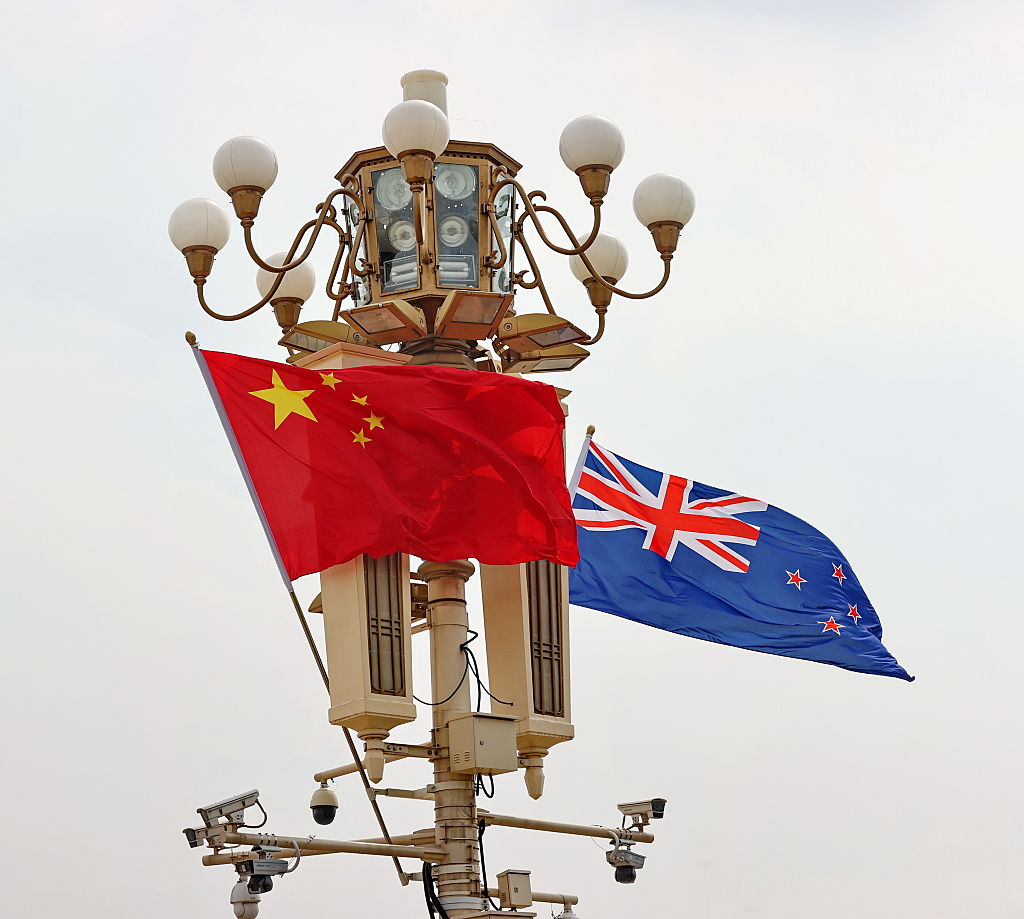
China is offering thousands of dollars to spies and soldiers to leak the West’s secrets, according to the Five Eyes intelligence-sharing alliance that includes New Zealand.
In the first alert of its kind, the alliance said Beijing’s military intelligence services were targeting people with access to classified information to “acquire privileged military, political and economic intelligence” to hand China “a strategic and tactical advantage over the Five Eyes”.
The Five Eyes alliance comprises Britain, the United States, Canada, Australia and New Zealand.
It warned that some of the data being sought by the Chinese state could put lives of soldiers on the front line “at risk”, as well as weakening the West’s economic prosperity and democratic processes.
It is believed to be the first time all five domestic security agencies in the alliance have issued a public joint alert warning of the espionage threat from Beijing.
Intelligence officials described the alert as “unprecedented”, underscoring the scale of the threat posed by China and the alarming level of resources it deploys in its operations.
The targets – individuals who hold security clearances and have specialised knowledge of defence, military, or security issues – are often targeted through professional networking sites such as LinkedIn, Indeed and Upwork.
The “aggressive” recruitment strategy involves Chinese intelligence officers or affiliates posing as private consultancies or HR firms, with no obvious links to China, advertising foreign policy or defence analyst roles.
“Successful candidates” are then recruited and cultivated, beginning with requests for innocuous reports on defence issues before being pressured to provide “non-public” information to “unspecified clients” linked to the Chinese Government, according to the bulletin.
Recruits receive anywhere from a few hundred to several thousand dollars per report, with the reward increasing in accordance with the sensitivity of the information. The intelligence agencies gave the example of military members being asked for details of their roles and unit activities, or their home base or naval vessel.
The advisory bulletin, entitled Safeguarding Our Secrets, lists China’s efforts to gain insights into the Indo-Pacific region in particular, amid continued speculation that President Xi Jinping could move to seize Taiwan militarily in the near future.
The timing of the alert is understood to have been carefully co-ordinated and follows high-profile visits to Beijing by the leaders of the US, the United Kingdom and Canada in the past few months.
It also comes after a Hong Kong trade official and a UK Border Force Officer were found guilty of assisting a foreign intelligence service at the Old Bailey in London last month.
While the UK security services do not believe the advisory, issued on Wednesday night local time, will deter Beijing, it is hoped that by publicising its modus operandi they will alert more potential victims to the threat and limit its success.
The warning was posted to the National Protective Security Authority’s website in Britain, an arm of MI5 and its sister agencies as part of a concerted effort to more frequently warn of the threat posed by Beijing.
Similar alerts have been issued by MI5 to focus the public’s attention on activity around the UK Parliament, academia and private industry. But this is the first time such a warning has been made to the military, and the advisory includes more tailored advice on how to identify Chinese espionage tactics.
It is understood the warning will also be circulated by the British Government to relevant spaces, for instance military barracks.
Those who pass on sensitive or classified information will face “consequences” including prosecution, the bulletin warned.
It said: “Five Eyes agencies have identified individuals who have undertaken these activities, leading to criminal prosecutions, job losses, and security-clearance revocation”.
Sign up to Herald Premium Editor’s Picks, delivered straight to your inbox every Friday. Editor-in-Chief Murray Kirkness picks the week’s best features, interviews and investigations. Sign up for Herald Premium here.