‘Unacceptable’ delays to improve child protection system - government
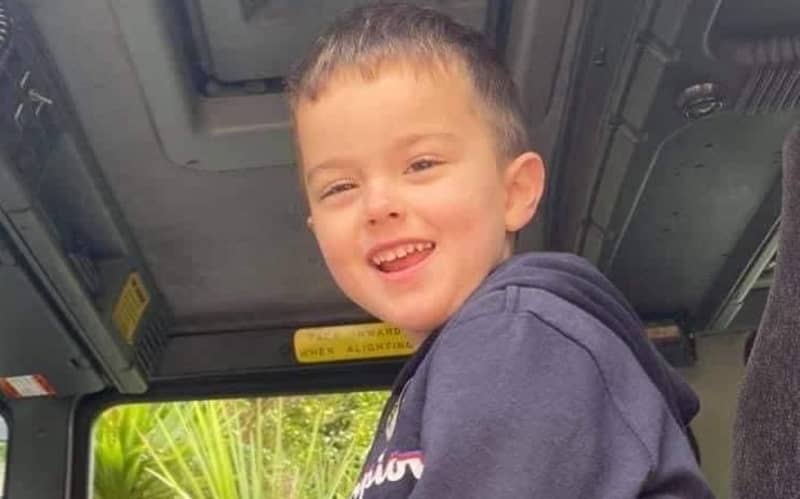
The government has acknowledged there were “unacceptable delays” to improving the child protection system after Malachi Subecz’s death.
The Coroner has released a damning report into the five-year-old’s death, saying opportunities to identify his abuse and torture were not picked up.
His death sparked national outrage and a series of reviews into the child protection system - including a system-wide review from the late Dame Karen Poutasi.
Minister for Child Poverty Reduction Louise Upston, who has been working on the Poutasi recommendations, has now released a statement on the coroner’s report.

“I acknowledge the thorough reporting of the Coroner on this deeply sad and concerning case, and the grief which continues to be felt by Malachi’s family and those who loved him.
“There have certainly been unacceptable delays in driving meaningful change following Malachi’s death.
“The first report from the Independent Child Monitor came to me six months into our term and Malachi had died two and a half years before that.
“That lack of action was unacceptable to me and we have taken it very seriously, including adopting all the recommendations from Dame Karen Poutasi’s review.”
Upston said ministers had made it “very clear” to agency chief executives that they expected them to be taking urgent action to deliver for children at risk.
“No public service CEO should be wondering what is expected of them,” she said.
The first phase of mandatory training for core children’s workers was now underway while online modules were being rolled out, Upston said.
“While developing a full package of mandatory training will take time, swift action has already been taken to fill known gaps. Immediate gains will be made by rapidly rolling out an online module covering foundational child protection information.
“The foundation module is initially being rolled out to a subset of core children’s workers from Health NZ, New Zealand Police, Ministry of Social Development (MSD), Ministry of Education, Department of Corrections and Oranga Tamariki.
“We know this type of training will not be new for many children’s workers but by standardising and enhancing existing training, we can ensure more consistent, quality training.”
Upston said mandatory reporting was one of the 14 recommendations of the Dame Karen Poutasi Review, adopted in full by the government last year.
“Mandatory training is our first step and we will then move to introduce mandatory reporting, including working through a careful and thorough consideration of what has happened in other jurisdictions.
“There must be a very clear line that child safety comes first because every child in New Zealand deserves to feel safe and secure.”
Minister for Children Karen Chhour, who can speak to Oranga Tamariki’s role, has not made herself available for an interview.
Malachi ‘failed by systems that continue to fail children’
Meanwhile, a charity that has trained thousands of people who work with children in recognising signs of abuse says the work they do is just the tip of the iceberg.
Safeguarding Children chief executive Willow Duffy said the non-profit had trained 90,000 people working with children, many of whom worked for government agencies.
But she said many remained untrained and that was putting children at risk.
“We started 15 years ago with the intention of stopping as soon as the government put something in place and 15 years on there’s still nothing in place that is available and free and fit for purpose,” Duffy said.
“The government need to fund it but need to call on the experts to guide them.”
She said the coroner’s findings into the death of Malachi were devastating and tragically familiar.
“Malachi was known to services, warning signs were missed, and he should still be alive,” Duffy said.
“Not only was Malachi the victim of suffered ‘deliberate evil,’ he was also failed by systems that continue to fail children - where work happens in silos and adults are not equipped to recognise or act on harm early.”
She said children are seen every day by teachers, early learning staff, health professionals, emergency departments, and community groups.
“These people aren’t on the peripheral to keeping kids safe - they are central. They are often the first to see signs of harm and if they’re not trained, supported and empowered to act early, abuse continues.”
Duffy said it was important the Ministry of Health and the Ministry of Education took on responsibility for child safeguarding, not just Oranga Tamariki and Police.
“I have concerns about the commitments government has made recently, without a substantiative plan,” she said.
“Mandatory reporting without meaningful training will overwhelm the system. The training must be substantial, not a tick-box exercise for some quick online training - it’s critical that training includes an overhaul of how individuals and organisations, in every sector, handle concerns.”
Sign up for Ngā Pitopito Kōrero, a daily newsletter curated by our editors and delivered straight to your inbox every weekday.