Cuba hit with nationwide blackout as US pressure continues
By Michael Rios, Patrick Oppmann, CNN
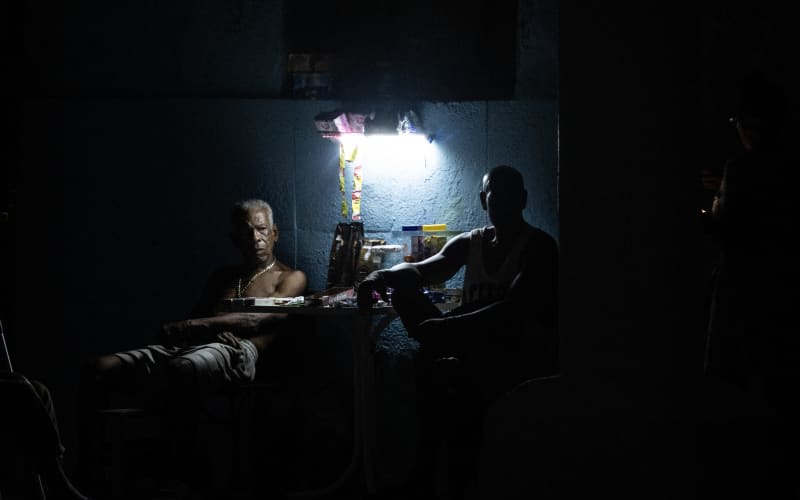
Cuba suffered a nationwide blackout on Monday as it faces an ongoing energy crisis, worsened by an effective US blockade on fuel shipments.
Cuba’s energy ministry said the national electrical grid had suffered a total collapse on Monday. Energy Minister Vicente de la O Levy said officials were working to restore energy and that they’ve already activated emergency “microsystems” that power vital services.
By Tuesday, power was gradually restored on the island and authorities were still investigating the cause of the blackout. About a third of Havana’s electricity being restored, according to the capital’s utility company.
Cuba has experienced several nationwide blackouts over the past few years, as the country’s ageing electricity infrastructure struggles to meet demand.
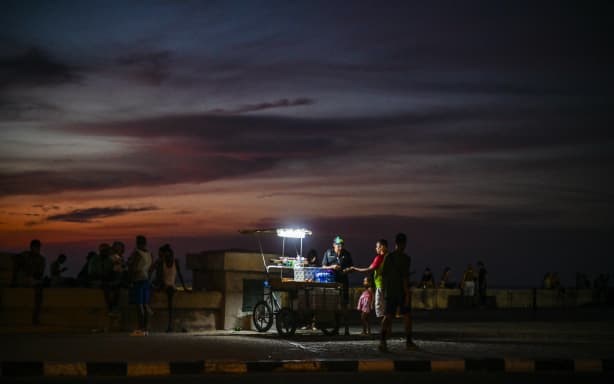
The country’s power crisis worsened this year after the US forced Cuba’s main suppliers to stop oil shipments. In March, it had at least two total blackouts within a week.
On Monday, Cuba’s President Miguel Díaz-Canel criticized the US for blocking fuel imports on X, claiming Washington is trying to induce “a social explosion through asphyxiation.”
The island’s energy crunch has strained essential services, including education, transportation and medicine. Fresh sanctions by the US have also further deteriorated the Cuban economy and prevented many tourists from visiting the island.
The US says the economic stranglehold is meant to force the Cuban government to pry open the island’s hermetic political system and allow direct foreign investment.
Last month, Cuba’s National Assembly approved a broad set of reforms aimed at opening its economy. The foreign trade minister told CNN that the measures were not passed in response to external pressure.
A spokesperson for the US State Department described the reforms as “modest, long overdue and ultimately superficial smoke signals” from the government.
US and Cuban officials have held multiple talks over the past few weeks. In May, CIA Director John Ratcliffe met Cuba’s spy chiefs in Havana, and the commander of US Southern Command met with senior Cuban military officials on the perimeter of Naval Station Guantanamo Bay.
The US has accused Cuban officials of hosting Russian and Chinese listening posts on the island and thwarting US interests in the region. Cuba denies the claims and has pushed back against the US.
When CNN asked Cuba’s Minister of Foreign Trade and Investment Oscar Pérez-Oliva Fraga about the island’s humanitarian crisis, he accused the US of collective punishment, saying: “What is happening today against our people is a genocide.”
- CNN