Case of H5 bird flu confirmed in New Zealand
A case of the H5 bird flu has been confirmed in New Zealand this afternoon.
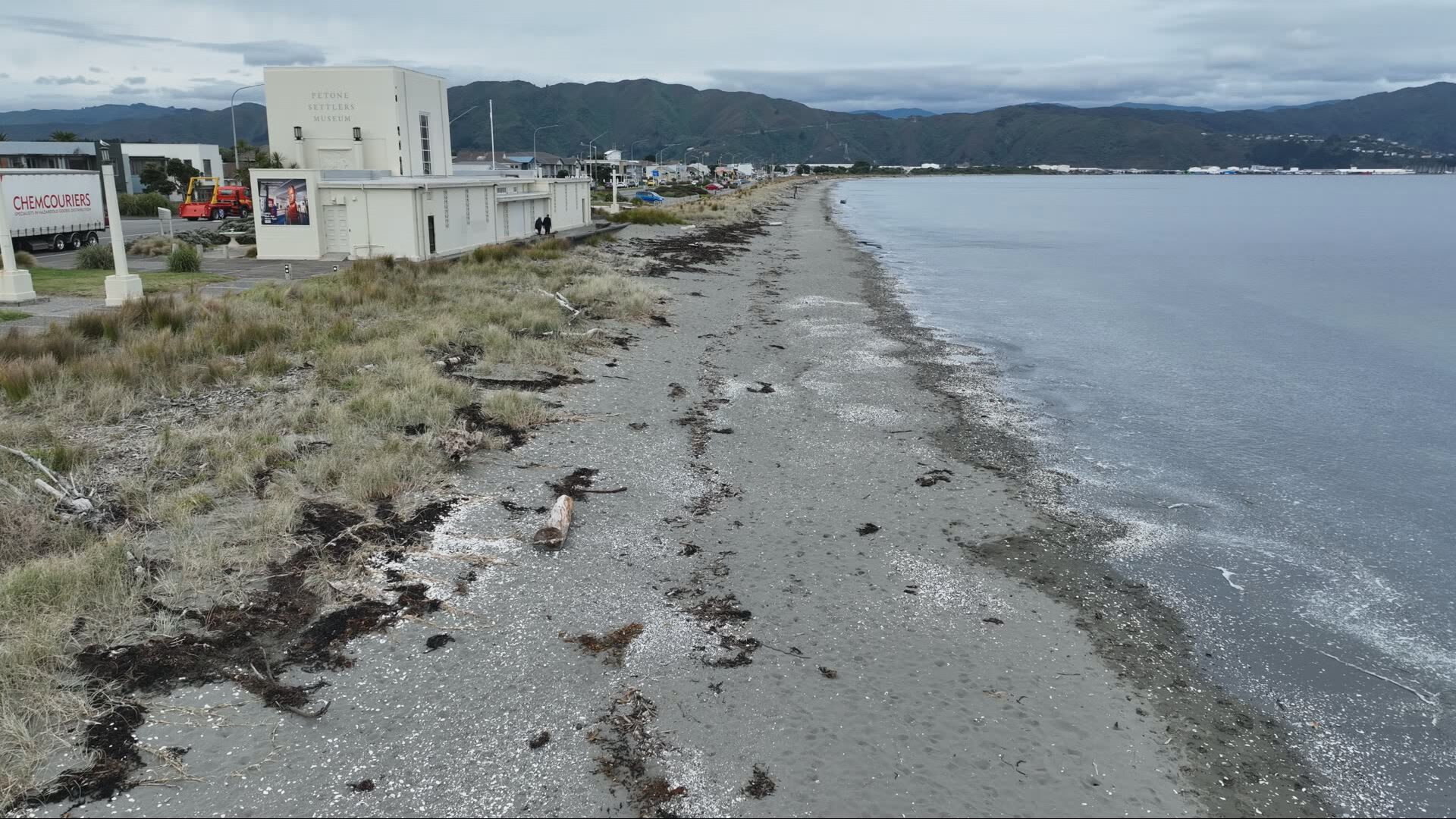
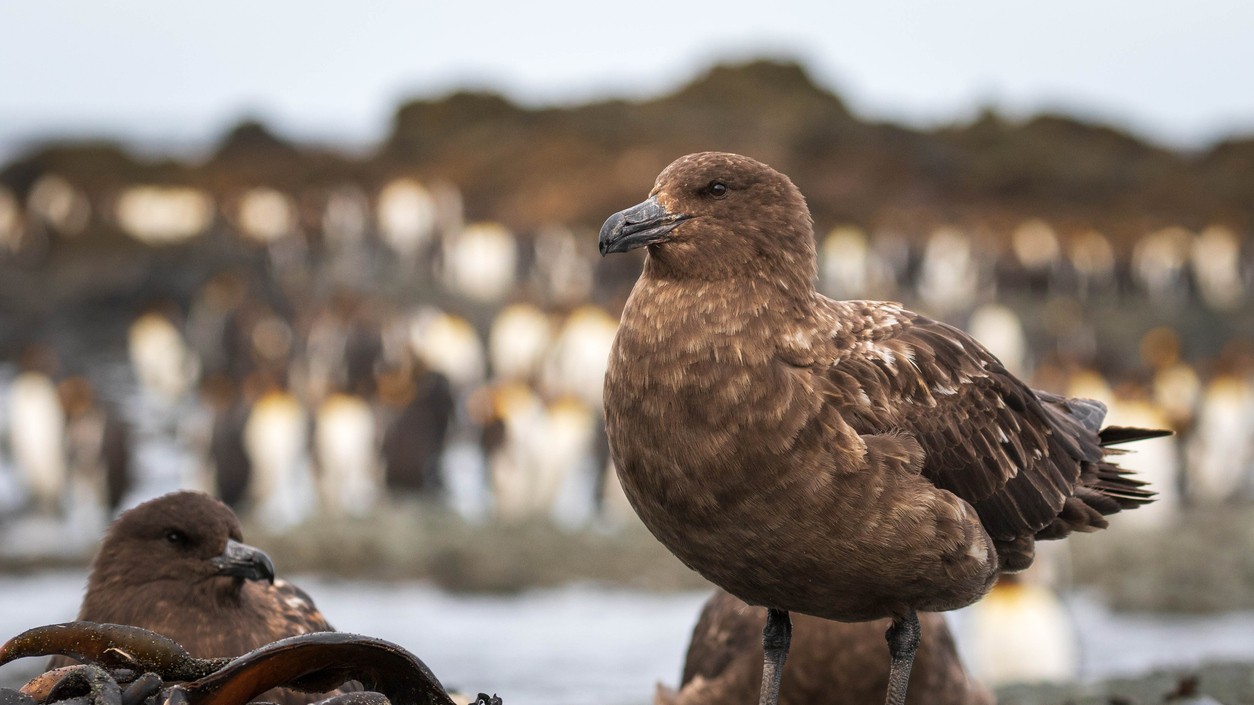
Biosecurity Minister Andrew Hoggard said an infected brown skua was found by a member of the public on Petone Beach in Wellington on July 10.
The single ocean-going seabird returned a positive test for the virus three days later after it was taken to Wellington Zoo.
Hoggard said H5 bird flu is a low health risk to the public as it rarely affects humans unless there is direct, close, and prolonged contact with large numbers of sick birds.
"I don’t want to get anyone alarmed that this is suddenly a human health issue – it is not a human health issue," Hoggard told reporters this evening.
"Whilst the disease has spread occasionally to humans overseas, there has been no human-to-human transmission and risk are as long as you do not touch them and have lots of contact with birds, the risk is very low."
He continued: "I feel like we are very well-prepared for this disease arriving here.
"We are effectively one of the last places in the world to get it so we’ve been able to see how it’s impacted other countries in the world, we’ve gone there… take lessons away from that.
"We’re as prepared as we possibly can be."
A case of H5 bird flu has been confirmed in New Zealand - Watch on TVNZ+
Eggs and poultry remained safe to eat, he said.
Hoggard said the World Organisation for Animal Health had been notified about the discovery in New Zealand. The intergovernmental organisation transparently disseminates information about animal diseases around the globe.
The case is H5 bird flu strain, H5N1 avian influenza clade 2.3.4.4b, which has been circulating globally and is the first detection in New Zealand.
Hoggard said it was a “coastal detection in an individual ocean-going seabird and there is no evidence of any mass mortality in wildlife or transmission between wild birds in New Zealand”.
“There has been no detection in poultry.”
The situation was being closely monitored, the minister said.
“At this stage there is no evidence of any illness beyond this seabird. We’ve had people out on Petone Beach checking and found no other issues. We will continue to monitor the beach and surrounding areas.”
Warning issued
Hoggard asked the community to remain alert and follow advice about reporting sick or dead birds.
"It is vital that people do not touch or handle unwell birds.
"The Ministry for Primary Industries will continue its wider surveillance and work closely with industry, veterinarians, and wildlife carers."
Hoggard said preparations had already been made to respond to the virus' arrival.
"Our response is designed to manage the risks of H5 bird flu, to protect poultry production, and reduce impacts on wildlife and communities."
MPI was testing birds every few days through reports and targeted wildlife surveillance.
“Australia has recently experienced finds of single birds with H5 bird flu in coastal areas with no reports of mass mortalities. We may see a similar pattern here and we will remain vigilant."
Australia has 14 cases after a "presumed positive" was detected in a petrel in Western Australia, authorities confirmed on Wednesday.
"We are continuing to act early and prepare carefully," Hoggard added, while asking the community to remain watchful and report three or more sick or dead birds in a group to the MPI pest and disease hotline.
Egg producers say poultry and egg products remain safe to eat
The Egg Producers Federation of New Zealand said in a statement the public could be assured it is safe to eat properly cooked poultry, eggs, and egg products.
“The poultry and egg industries have been preparing for a bird flu outbreak for some time. We would like to reassure the public that all the necessary steps are in place to manage this outbreak and protect our birds, people and the food supply.
“Our egg and poultry farmers are working hard to look after the welfare of our animals and protect our national food supply of eggs and chicken.”
The federation said it was “actively supporting all efforts to limit the spread of the virus”.
“Please follow MPI guidance on the safe handling and cooking of chicken and eggs, as you usually would.”
Yesterday, 1News reported the Department of Conservation had started a vaccination programme aimed at protecting five of New Zealand's most endangered birds.
What to do
According to the Ministry for Primary Industries, people who spot three or more sick or dead birds should report the sighting to the exotic and pest disease hotline on 0800 80 99 66.
The following details would be helpful when making a report:
- Common name or species of sick or dead bird if known
- How many are sick or freshly dead, and the total number of birds present
- A GPS reading or other precise location information
- Photographs and videos of sick and dead birds
- How many are sick or freshly dead, and the total number of birds present.