'Fill up now': Fuel to climb again amid renewed US-Iran conflict
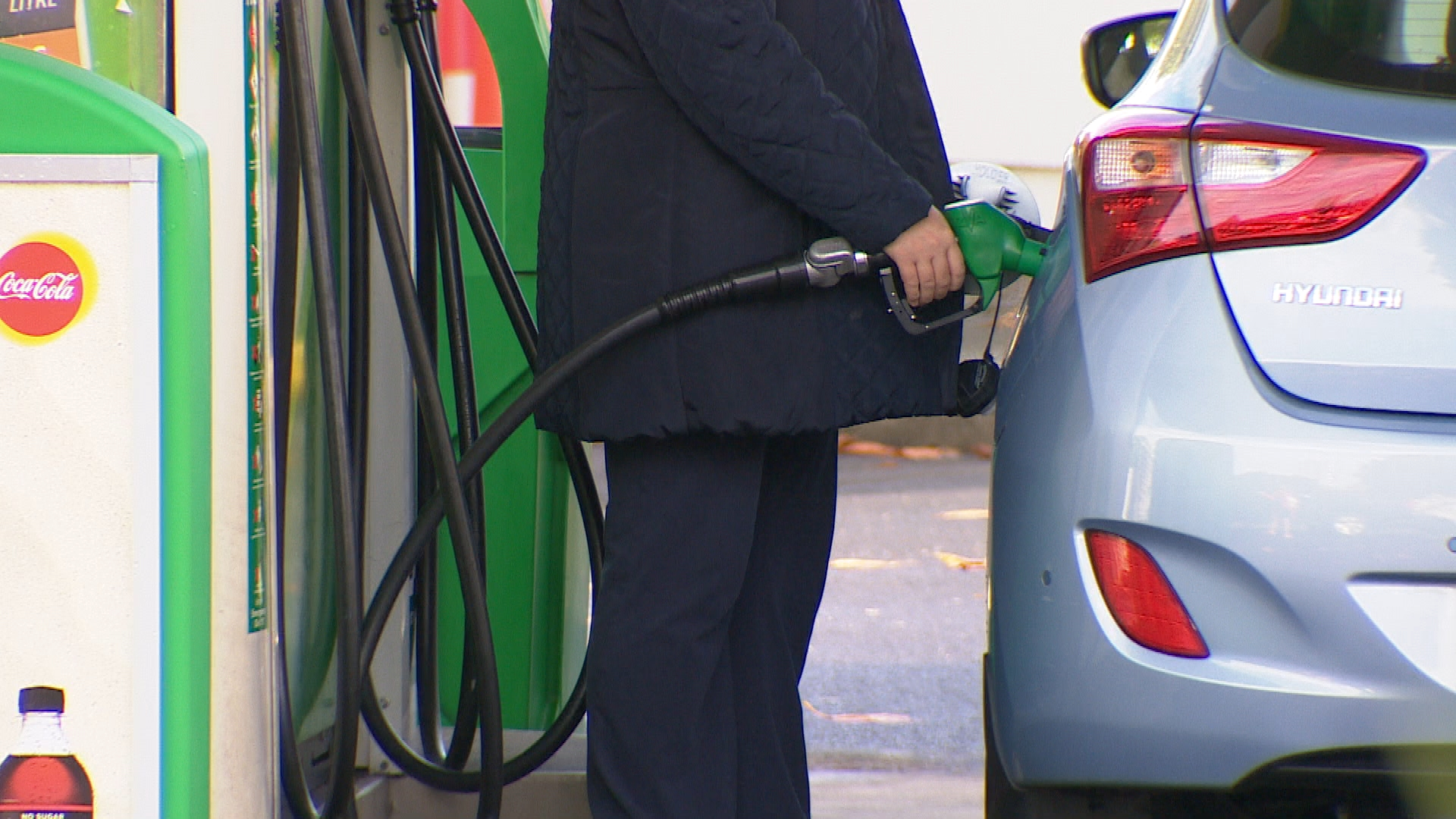
Kiwi motorists should fill their tanks now, with fuel prices to climb in the weeks to come as renewed conflict between the US and Iran in the Middle East disrupts global oil transportation, an industry expert says.
AA principal policy adviser Terry Collins told 1News the recent run of lower prices was "as good as it got".
"We're at the bottom of that trough and we're going to be climbing back up."
His advice for drivers was to act sooner rather than later.
"Last week and the week before were really good. This week's going to be a little bit dearer. Next week's going to be dearer still," he said.
"If you can afford it and you want to save money, probably now is a good time to get it. Particularly if any of the companies offer a good price, I would tend to fill my tank and not half fill it."
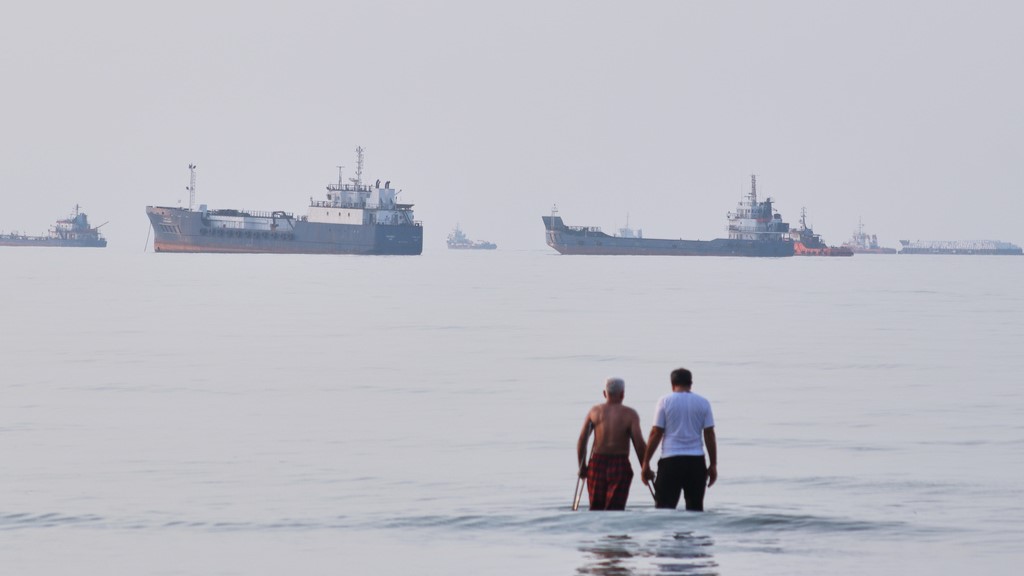
The US resumed strikes on Iran this week and reimposed a naval blockade on Iranian ports, following the collapse of an interim ceasefire. Iran retaliated by attacking tankers in the Strait of Hormuz - the narrow waterway through which a fifth of the world's traded oil and gas normally passes. Brent crude has climbed back above US$85 a barrel as a result.
Collins said this round of disruption was different than earlier in the year, when hundreds of tankers were caught off guard and became trapped in the Gulf.
"Now they're going to have trouble getting back inside because the insurance costs are going to be really high. Is it worth the risk of being attacked?"

Tankers could still reach New Zealand via longer routes avoiding the Strait of Hormuz, but that meant sailing further and paying higher costs for shipping.
"It is going to cause a little bit of a problem with it going up, but not as major as when the conflict first started, because it's never been an oil production problem. It's been an oil transportation problem," he said.
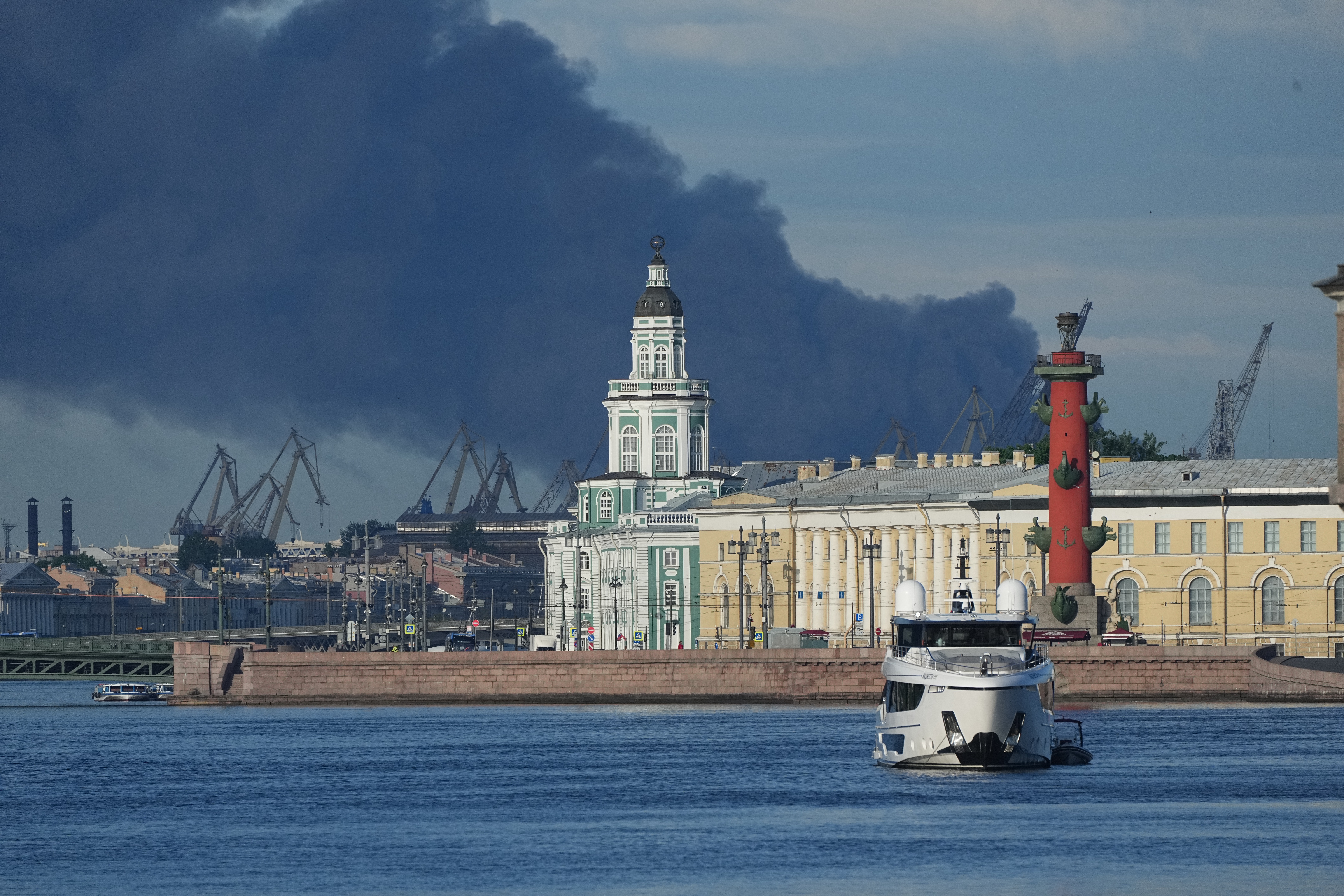
Adding to the pressure was a Russian ban on diesel exports, introduced after Ukrainian strikes on Russian energy infrastructure.
"They've been very effective – so effective that they've introduced rationing in parts of Russia, and the latest is the banned exports of refined diesel," Collins said.
Russia had been the world's second-largest diesel exporter, and with that supply cut off, buyers such as China are now competing for diesel from the same Asian refineries that supply New Zealand.
"We've got more people competing for the same product. And the laws of supply and demand say that when you've got a demand that's greater than supply, prices go up."
Collins expects diesel and aviation fuel to again rise faster than petrol due to stronger global demand.
"Diesel runs everything, and that's what the Russians have taken out of the market. That gives me the indicator that diesel will be more susceptible to price rises than what petrol will be," he said.
A hot European summer, driving up air conditioning and gas use for electricity, was adding further strain on energy markets generally, with some of that demand spilling over into oil.
Asked to put a number on where pump prices were headed, Collins was cautious but offered a rough estimate.
"A few weeks ago I said consider around the $2.80 mark on a good day, it could be closer to $2.50 than $3, on those super specials. I think it's going to go up though — it'll be closer to $3 than $2.50," he said.
He stressed this was a price problem rather than a supply problem, saying New Zealand's fuel resilience plan and new storage capacity at Marsden Point mean the country won't run short.
"We've always managed, even when we got to those very high prices, to have product, and we will not be running out of product. Also, we're a wealthy country and we could afford to pay for it, unlike some other countries."
How long prices stay elevated depended largely on how long the fighting continued, as well as the political machinations of leaders in Washington and Tehran, he added.
He said only a sustained ceasefire, not necessarily a full peace deal, would ease insurance costs enough to bring shipping companies back through the Strait.
"Realistically, it's not America and it's not Iran who are closing the Strait of Hormuz – it's the likes of Lloyd's of London and the insurers. It's got so perilous up there that the insurers have massive insurance premiums, and the owners don't want to risk their vessels."