Media Insider: Air NZ sends flight safety video into holding pattern; RNZ faces shake-up at highest level; NBR v IRD stand-off heats up; The spicy battle for KFC account
Air NZ will next week launch a bold brand ad, but a new flight safety video is grounded; RNZ set for more change at highest levels; Another name for Morning Report mix; Seagull v reporter - the viral aftermath; IRD and NBR battle heats up; Simon Wilson is leaving the Herald; A spicy KFC creative pitch.
Air New Zealand’s latest flight safety video – one of the anticipated events on the creative advertising industry’s calendar – has been grounded after falling victim to cost-saving.
But while that’s on hold, the airline is releasing a new brand ad next week, a campaign led by another creative agency and featuring musician Marlon Williams. The ad is a return to some old-school creative values, with epic, sweeping landscape shots and an emotional soundtrack.
The airline regularly releases new flight safety videos – there have been 23 in the past 16 years. But the gap between the existing video featuring Kiwi NBA star Steven Adams and a new one – hopefully sometime later in 2026, says the airline – will be one of the biggest.
Over the coming months, the airline will instead roll through some of the flight safety videos from its archives to keep passengers – including frequent flyers – engaged.
As Media Insider reported in August, creative agency Bastion Shine had been working with the airline on the latest safety video, potentially with AI elements.
At that time, Air New Zealand global brand general manager Grace Blewitt said: “We’re excited to have the Bastion Shine team on board to develop the creative concept. Right now, we’re in the creative ideation phase, exploring a range of approaches and possibilities.
“The heart of our safety videos remains the same – they are proudly human-led, from ideation to execution, with our world-class cabin crew and talented supporting cast front and centre."
But the airline is now plotting a new flight path.
“We’re not doing a safety video this year, but we are doing a brand campaign,” corporate affairs communication lead Elle Holdich told Media Insider.
She confirmed cost was a factor.
In an NZX announcement in October, Air NZ said an expected 2-3% uplift in revenue across domestic and United States-bound bookings for the first half of 2026 had not materialised, “and is not yet evident in the current forward booking profile, the impact of which is approximately $50 million for the half”.
“The local economy remains subdued, with ongoing softness across business, government and leisure segments.”
Holdich said: “I’m sure you saw our market announcement, so we’re just making some decisions based around what we need at the moment ... we feel like we’ve got some great safety videos in the arsenal.”
Some Air NZ travellers reported seeing the treehouse flight safety video – produced in 2019 and released in 2020 – on domestic flights this week.
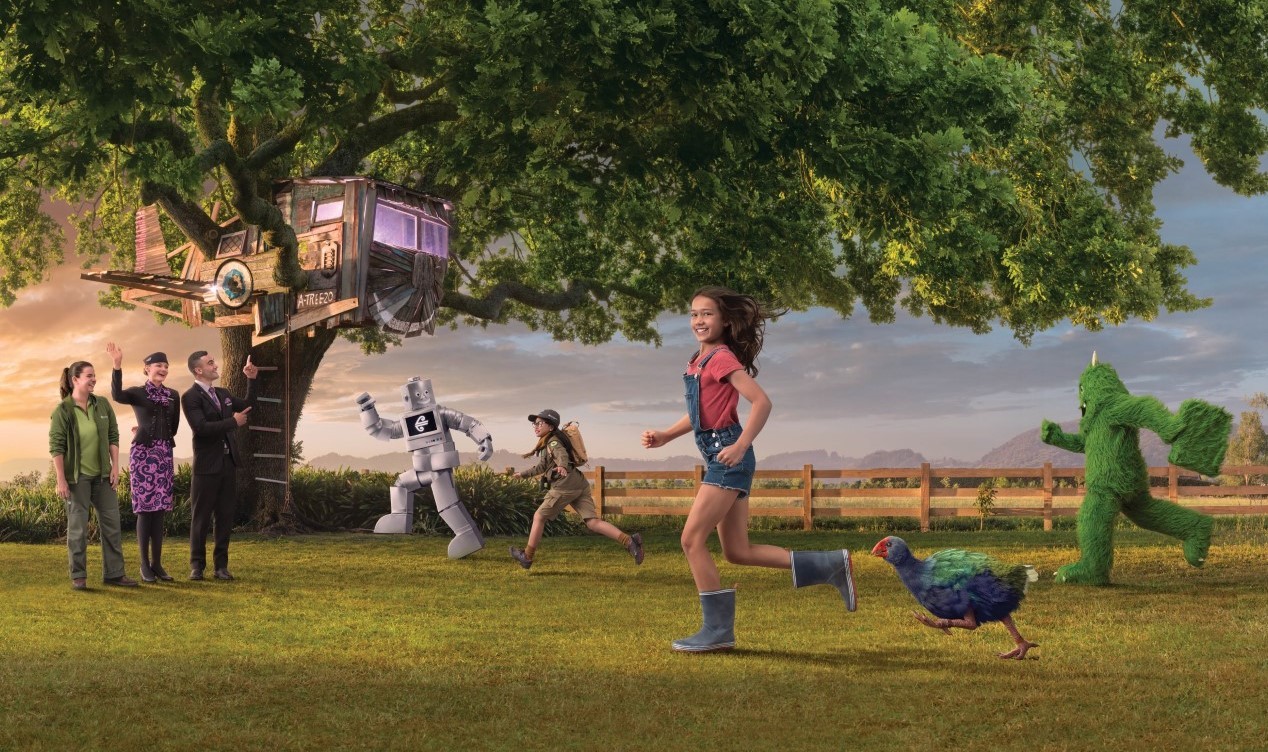
“We swap them out because we know people, especially our frequent flyers, get sick of seeing the same one over and over again,” said Holdich.
Air NZ released its 23rd special flight safety video last November, a production featuring Adams, with guest appearances from his sister Dame Valerie Adams, broadcaster Andrew Mulligan and comedian Tom Sainsbury.
“We don’t always do them every year ... the safety video will be looked at again next year,” said Holdich.
A Bastion Shine spokeswoman said they could not comment, referring queries back to the airline.
Air NZ said final touches and edits were being put on the new brand campaign ad featuring musician Williams.
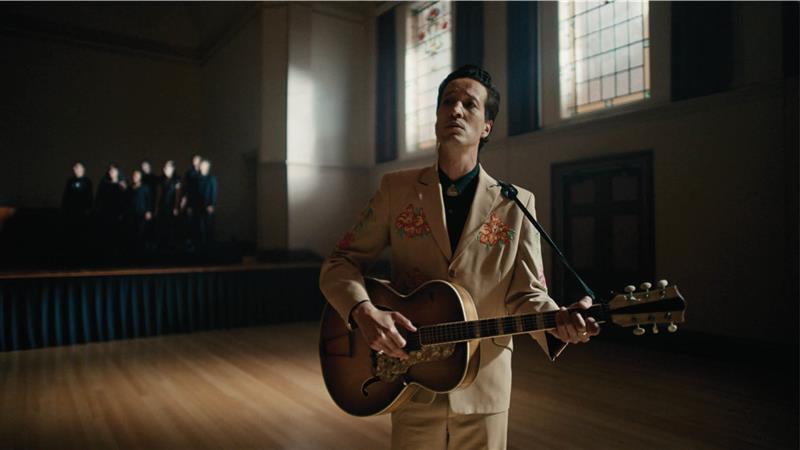
“We’re hoping to have it out next week at some point. I think it’s beautiful ... but I’m biased,” said Holdich. “The only clue I’ll give you is there’s a bit of nostalgia in there.”
She confirmed FCB was behind the new brand campaign.
“FCB are just doing this one on a project basis, and then we have had Bastion on a retainer. In the new year, I think the team will be looking at what that looks like going forward, but it’s not uncommon for companies of our size to have a few different agencies that we use for different projects.”
She hoped the airline would have a new safety video later next year.
“We love doing our safety videos, so I really hope so, but I think at the moment it’s just a case of wait and see how we go in the first half of the financial year and then make a call later.
“We generally do them towards the middle to the end of the year, so there’s a bit of time before we need to commit to anything.”
One Good Poll
RNZ board shake-up
RNZ’s board faces an overhaul at the highest level in 2026, with three board directors, including the chairman, unlikely to have their terms renewed.
The trio are all serving their second or third terms – it would be rare for tenures of that duration to extend. They may also bear the brunt of government irritation.
Documents released this week have highlighted concerns from Treasury officials about RNZ’s financial performance and frustration over the way the broadcaster interacted with shareholding ministers over the release of a scathing review of its radio performance.
RNZ’s annual report also reveals a $1.3m deficit in the 12 months to June 30 – against a budgeted surplus of $4.96m. RNZ is pointing to the late finalisation of the sale of Wellington land as a principal reason for the gap.
But Treasury says RNZ needs to “deliver its operations more efficiently, including right-sizing, so it does not rely on cash reserves and the sale of land to fund operations”.
Treasury pointedly says that ministers, at regular meetings, need to seek “an assessment from the RNZ chair on how RNZ is responding to your expectations, and assurance that management is being held to account”.
A separate Treasury aide memoire to Media and Communications Minister Paul Goldsmith and Associate Finance Minister David Seymour reveals there were questions from Seymour about why he was not fully briefed about an independent review, conducted by former news executive Richard Sutherland, into RNZ’s radio performance.
The review, originally released to the NZ Herald under the Official Information Act, did not pull punches, including highlighting internal cultural and talent concerns.
“RNZ updated you on potential public comment resulting from the release of the review to its staff and to a media outlet on request,” says the aide memoire, dated September 3.
“However, RNZ did not share the review with you. The Associate Minister of Finance requested an explanation, to which RNZ responded that, based on previous ‘no surprises’ updates and guidance, it expected its update would suffice.”
All of this friction is building towards change in 2026.
The fallout is likely to be felt, firstly, at the board level.
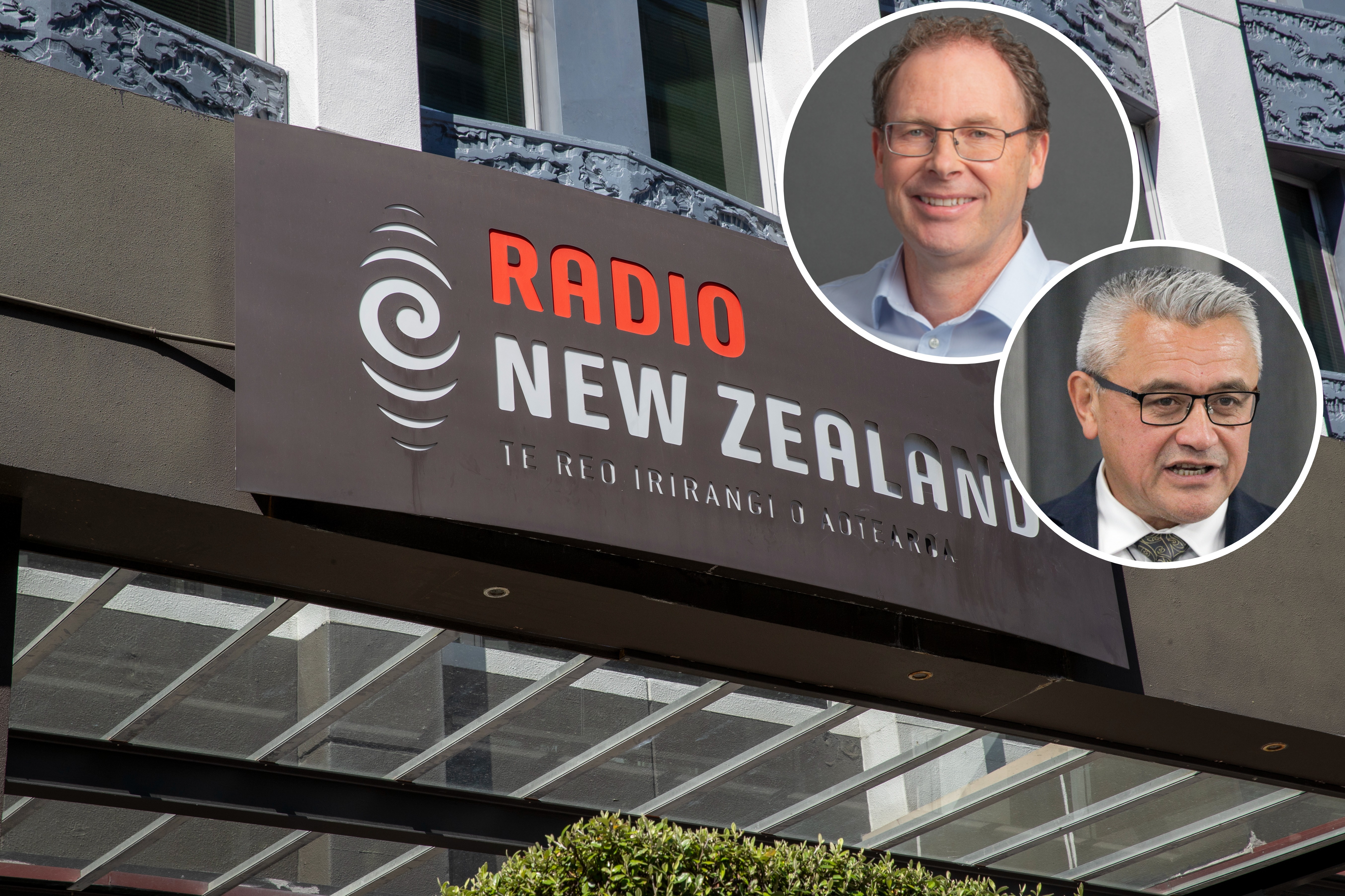
RNZ chair Jim Mather, and directors Jane Wrightson and Irene Gardiner – all appointed under previous Labour administrations – are unlikely to have their positions renewed after June 30 next year.
“The terms of the chair and two other governors end in June 2026, all of whom are in their third term,” says the aide memoire.
The four lines that follow have been redacted on the basis of the “effective conduct of public affairs through the free and frank expression of opinions”.
Media Insider understands the Beehive’s appetite to renew the three directors’ tenures is low.
They are all highly capable, respected identities in their respective fields. Wrightson is the Retirement Commissioner (she is stepping down from that role in 2026), Gardiner is the head of Spada (Screen Production and Development Association), and Mather is a former chief executive of Māori Television and Te Wānanga o Aotearoa.
Mather declined to comment on what might happen next year. Gardiner said in a text message response: “With Gov boards, you only get two three-year terms. And my second one ends at the end of June, so that will be me done. Might be the occasional exception to the rule, but that’s the standard procedure.” Wrightson has yet to respond to a message.
Who could be chair?
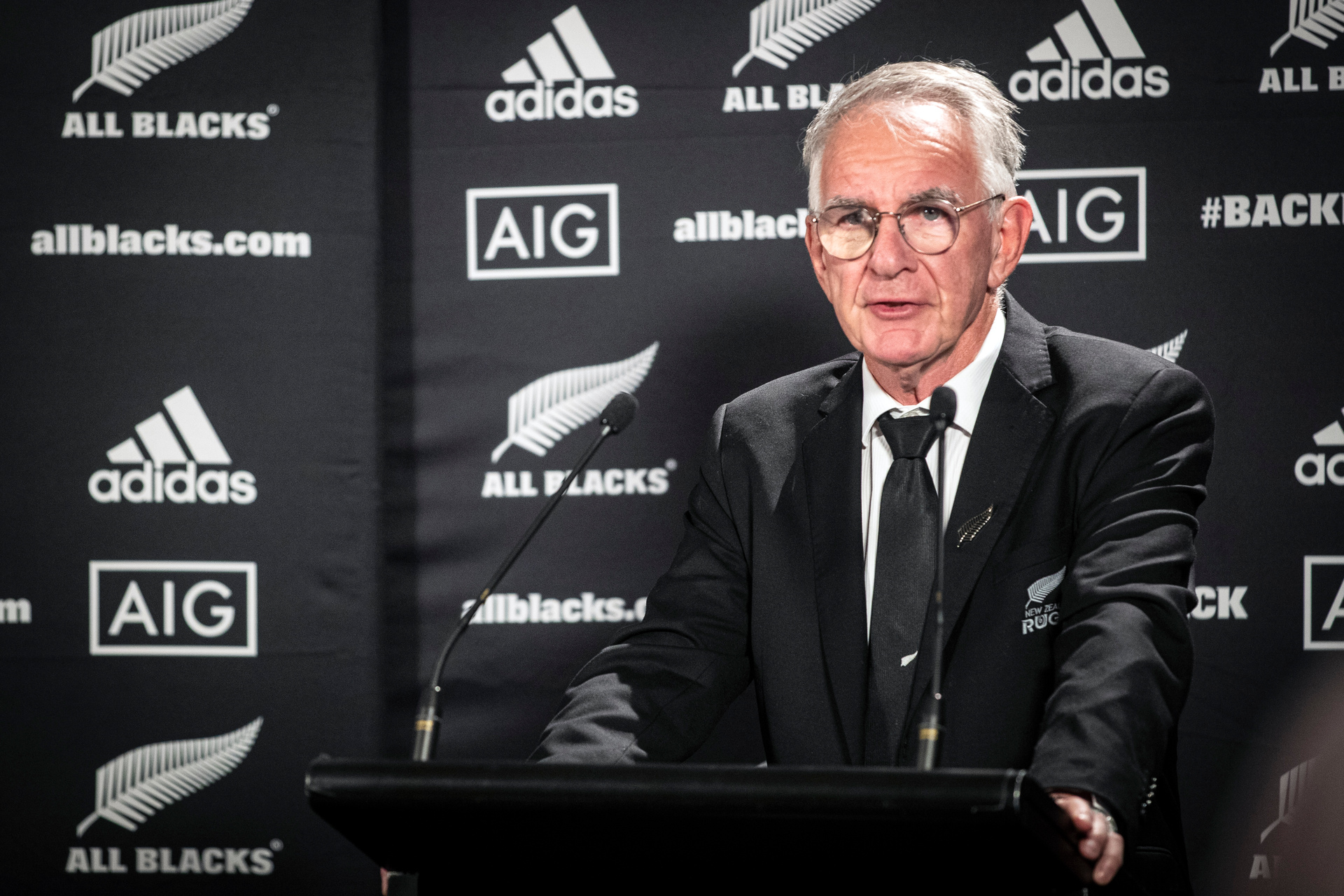
With Mather’s likely departure, the most obvious candidate to take the chair’s seat is another RNZ director, Brent Impey.
The highly experienced radio and media executive and former NZ Rugby chair was appointed by Goldsmith to the RNZ board with two other directors, Mads Moller and Gracie MacKinlay, in September last year. A fourth Goldsmith appointee, South Pacific Pictures managing director Andrew Szusterman, joined in October this year.
Impey’s no-nonsense style could result in several changes at executive level.
Treasury, in the same aide memoire to Goldsmith and Seymour, refers to RNZ appointing a new chief audio officer – the role that will be responsible for overhauling the radio performance.
Experienced and respected executive producer and media leader Pip Keane has been subsequently recruited into the role.
“This role would be an addition to RNZ’s existing executive team of nine members. For comparison, Television New Zealand Limited (TVNZ), a much larger media organisation, has an executive team of six members,” says the aide memoire.
However, with the recent departures of head of content Megan Whelan and chief performance officer Glen Scanlon, the total number of RNZ executives is now eight.
The 2024 RNZ annual report contained a page and images of the leadership team – nine in total at that time, led by longtime chief executive Paul Thompson.
The 2025 annual report does not have that page or any details of the leadership team.
RNZ funding
RNZ enjoyed a funding boost under the previous Labour Government, and the latest annual report also reveals its salary costs have increased in two years – from $32m in 2023 to $42m in 2025. In the same period, the number of staff earning more than $100,000 has increased from 107 to 178.
It now faces a challenging year ahead, with the Government slashing its budget by almost $5m a year for the next four years.
RNZ has 349 staff as of November 30, following a voluntary redundancy period (during which 10 staff left) and other changes.
RNZ confirmed to Media Insider this week that it was also saving money through reduced discretionary spend ($2.5m), marketing ($0.4m) and commissioning spend ($1.5m). It has also reduced capital expenditure, with new initiatives to be funded through internal change ($2m), and it has removed a proposed healthcare benefit and performance-based payments ($1m).
It said it had advised the Government “that we will need to make a further $3m to $4m in annual savings” in 2026/27.
What does all this mean for listeners?
The biggest change coming out of the speakers or digital devices will unfold in early 2026, with the appointment of a new Morning Report host.
It is a critical move for RNZ – as Mike Hosking does for Newstalk ZB and music hosts do for their stations, breakfast shows set the day up for radio. A poor-performing Morning Report would be a disaster.
Former AM TV host Lloyd Burr has been considered a frontrunner to replace Corin Dann – who is moving into the business editor role and is this week celebrating a major award win, the Bill Toft Media Award.
But Burr is by no means confirmed. Other speculation points to someone currently overseas. Sources say two obvious names – Anna Burns-Francis and Tom McRae – are not interested.
Could former Newshub correspondent Mitch McCann - himself a previous winner of the Bill Toft Media Award and now plying his trade in the US - be in the mix?
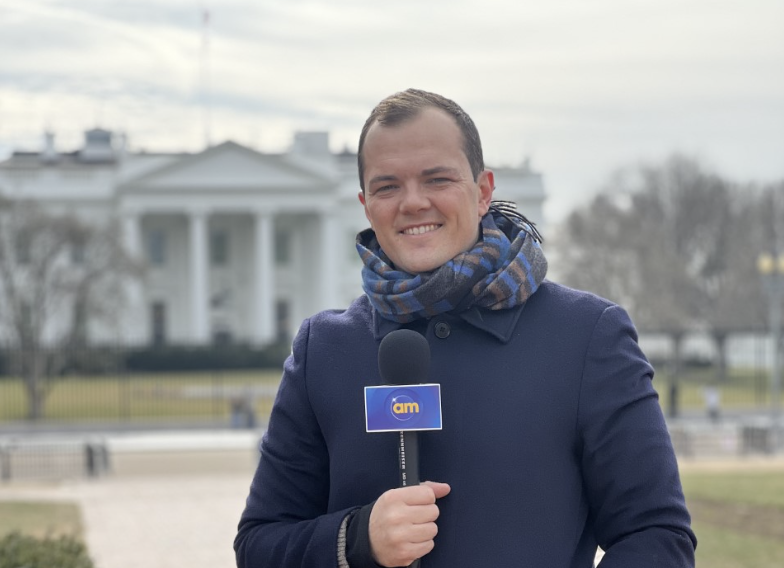
The scene is set for a refreshed battleground in 2026 – both behind the microphone and around the board table.
Seagull v journo - the viral aftermath
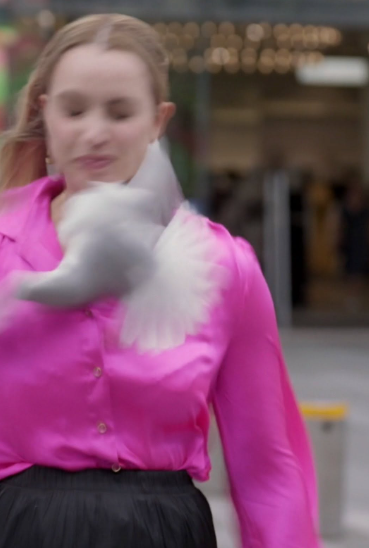
A Māori Television reporter’s wild encounter with a wayward seagull in central Auckland has gone viral over the past week - the bird’s crash-landing into Jessica Tyson’s face has been viewed by millions of people across the world.
“So far on Instagram, there’s about 30 different videos made with about five million views all up,” Tyson told me last night. “On TikTok there’s about three million. The biggest ones have been ABC America, and others in Germany, Korea.”
Her own Reel has had about 300,000 views; she’s had to re-edit her TikTok post a couple of times because the social media platform’s algorithm took exception to the bloody aftermath of the encounter - Tyson was left bleeding above her eye.
Tyson had been recording a story about sustainable fashion for Te Ao with Moana. In particularly windy conditions, the seagull smacked straight into her face as the camera rolled.
Ever the professional, she wanted to be sure her story was produced and broadcast first, before she posted the video on social media a couple of weeks later.
She’s had various interviews this week, including in Australia.
Most people have been checking in on her - she is fine, and the small scar is now barely visible. The bird also survived.
“I’m just happy I wasn’t hit in the eyeball. It could have been worse. I’m just happy to bring a lot of laughs, a lot of humour to millions of people around the world.”
Simon Wilson leaving the Herald
One of the NZ Herald’s most recognised and respected writers, Simon Wilson, is departing.
Wilson - journalist, columnist and editor (he’s led Metro, Cuisine, and Consumer) - is retiring from his full-time role, with his penultimate newsletter today, a column next week and a final newsletter and feature story at the end of next week.
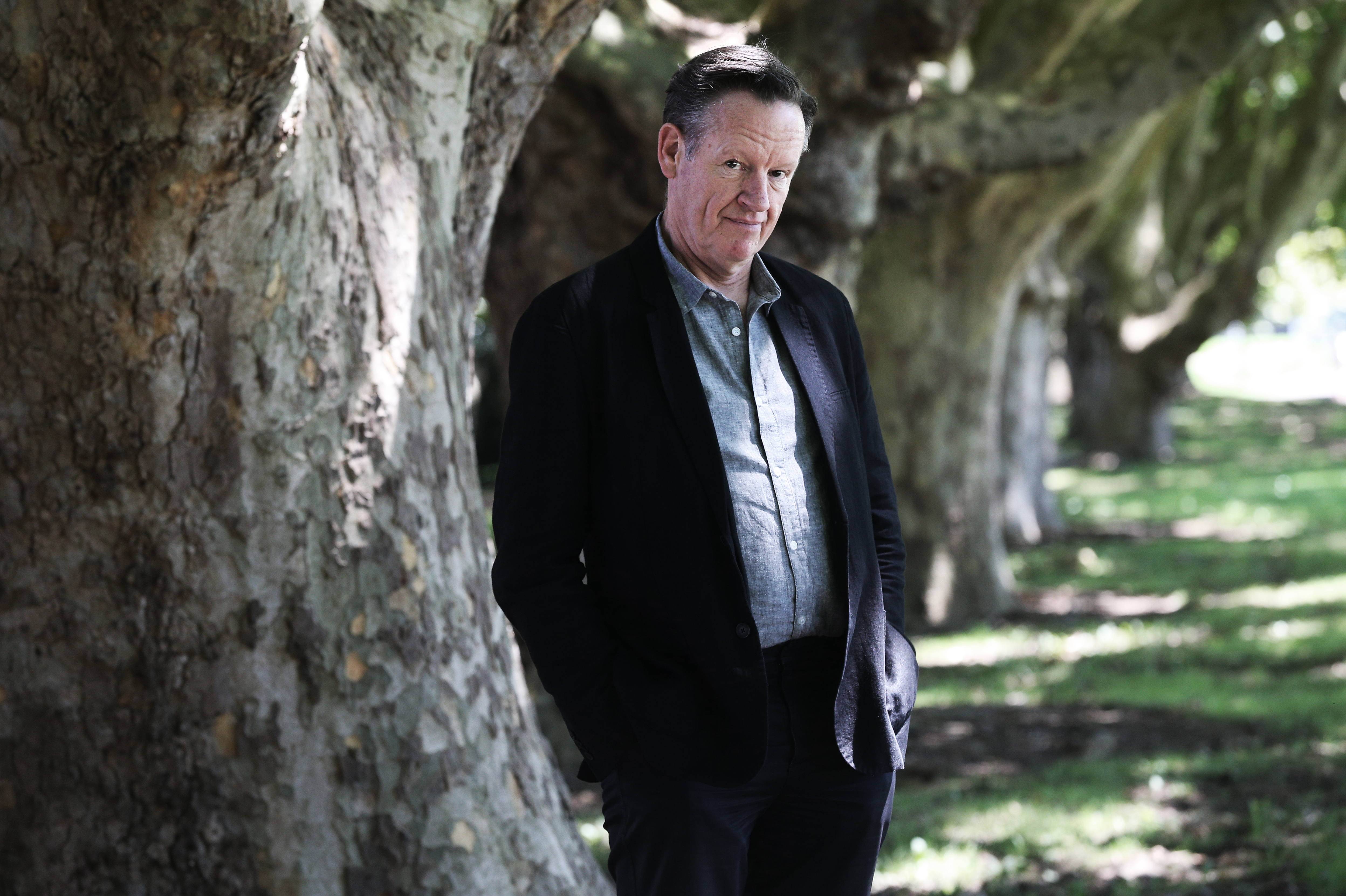
Wilson – described by his editors yesterday as “tenacious, thoughtful and passionate” – joined the Herald eight years ago.
His first assignment was an unlikely and scary one – a diary of his own personal health battle after being diagnosed with prostate cancer.
He survived that and has reaffirmed his role as one of New Zealand’s foremost local body political commentators. He’s also had some memorable exchanges with Auckland Mayor Wayne Brown.
“His reporting has shone a light on social issues, the environment, transport and housing, keeping readers informed and keeping the council honest,” said his editors.
Wilson’s byline is expected to continue to feature around these parts - predominantly as a fortnightly* columnist for the Listener on the subscriber-only website listener.co.nz. The Listener’s journalism is published under a commercial arrangement between nzherald.co.nz publisher NZME and Listener owner Are Media.
NBR v IRD heats up
The IRD has admitted it copied and pasted a selection of paywalled National Business Review business articles into Word documents and distributed them to 600 staff.
The NBR has been demanding $36,000 in damages for what it believes is an open-and-shut case of a breach of copyright law - the IRD says it has apologised and offered $12,500 in what it believes is a fair settlement sum.
But those discussions have collapsed, with NBR withdrawing its offer and now cancelling the tax department’s sole subscription to the business website.
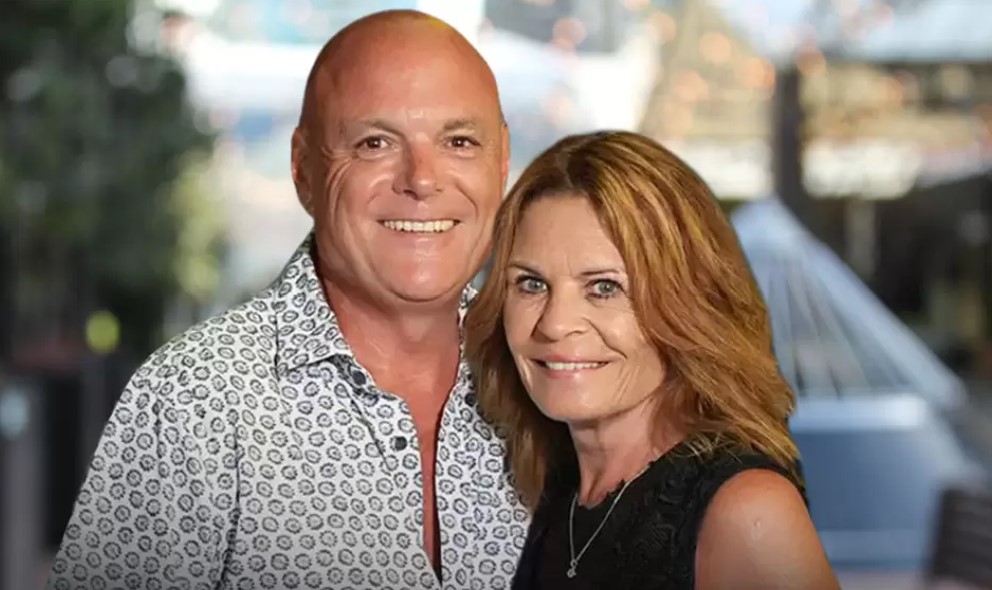
NBR co-owner and publisher Todd Scott has also banned the IRD from future subscriptions.
In October, NBR secured settlements from three leading businesses after the online business publication found them to be sharing small numbers of subscriptions widely among their staff. NBR said they were breaching its copyright and subscription terms and conditions.
The firms have not been named, but one of them was a legal practice.
NBR announced last month it was taking legal advice in relation to the IRD’s own actions.
The tax department previously had a group subscription of 220 users, but in March last year, it cancelled that and took out a single subscription for an IRD media principal.
NBR says the IRD has admitted that between March 28, 2024 and November 17, 2025, it shared 22 different NBR articles with staff members. Those articles were distributed as stand-alone Microsoft Word documents to staff, with seven of the articles in question shared with 600 staff.
NBR has calculated that a group subscription covering 600 staff for four months would ordinarily have cost IRD about $36,000 plus GST.
IRD says when it “became aware that a potential infringement of copyright had occurred, we looked into it as a matter of importance”.
“Inland Revenue seeks to be diligent in its compliance with all of its intellectual property obligations,” said a spokeswoman.
She said the department had “accepted that an error had occurred and apologised for the error in our understanding of the extent of the licence”.
“We wanted to put right what had happened. We also sought legal advice. We made what we consider a reasonable offer in redress, keeping in mind what had actually occurred and what is a reasonable use of taxpayer funds in the circumstances.
“That was not accepted by Mr Scott. A counteroffer was subsequently made to IR that we did not accept.”
Of the seven articles distributed to 600 people over 18 months, the number of people viewing each article ranged from 18 to, in one instance, 130, she said.
NBR confirmed the IRD offered to settle the matter at a much lower cost, arguing that not all 600 staff had accessed those shared articles.
NBR, however, argued copyright remedies did not turn on actual use by the end user and that damages should be paid on a user principle basis, which essentially determines the amount the infringer would have had to pay for a licence if they had sought permission in advance.
On Wednesday, however, NBR’s settlement offer to IRD expired, and NBR says it will not be offered again.
“It is shocking that the government department tasked with making sure New Zealand businesses and individuals pay their fair share has admitted they were not properly paying for their use of a privately owned business’s product,” Scott said.
“It is, however, worse that they have then refused to pay the appropriate damages in recognition of the seriousness of the breach.
“The irony of the IRD’s refusal to pay for its breach will not be lost on the thousands of New Zealand businesses who have been struggling to make ends meet for several years.
“Following a couple of years in which several high-profile media businesses have folded in this country, New Zealand business and Government departments need to ensure they are backing the industry appropriately.”
The IRD spokeswoman said: “We were genuinely engaging with NBR to increase the number of subscriptions to 22 as well as put right our error. However, it was during the discussion to increase our subscription that Mr Scott cancelled the one subscription we had.
“We have now decided not to take up any NBR subscription in the foreseeable future. We are not concerned about not having any subscriptions.”
The creative fight for KFC
KFC’s Colonel Hacker advertising campaign this week topped the list of this year’s most complained-about commercials.
As Media Insider revealed last month, the campaign was pulled early after it left a sour taste in many consumers’ mouths.

The Advertising Standards Authority had earlier accepted 65 complaints, based around various concerns that the ads:
Coincidentally, all the trouble and strife around Colonel Hacker has come at the same time as KFC has opened a pitch for its creative work.
At least four top creative agencies are understood to have been pitching – Special (an incumbent agency and the team behind Colonel Hacker), as well as Together, Motion Sickness and Bastion Shine.
KFC didn’t want to engage with Media Insider, sending back a short and spicy response. “We don’t comment on highly confidential commercial processes.”
Not so highly confidential that people have not been leaking.
One insider said: “Hopefully the Colonel Hack hasn’t hurt Special?”
None of the agencies involved in the pitch was keen to chat.
“Unfortunately, we won’t be providing comment on this,” said a Special PR spokeswoman.
A Bastion spokeswoman said: “We’re not in a position to comment on any pitches that might be underway.”
Neither Motion Sickness nor Stanley St returned messages.
The media week
Netflix to acquire Warner Bros Discovery in massive deal – what might that mean for Sky TV and NZ viewers? READ THE FULL STORY HERE
TVNZ planning new morning business show, seeks presenter – job ad. READ THE FULL STORY HERE
The secrets behind the best chief executive in the country. READ THE FULL STORY HERE
RNZ’s latest annual report reveals a rising salary budget and a bottom-line deficit - the broadcaster has responded with an outline of its latest budget and cost-saving plans. READ THE FULL STORY HERE
RNZ’s $11m move into TVNZ delayed by up to eight months, broadcaster outlines details of new-look studios. READ THE FULL STORY HERE
Jacinda book update
An unauthorised biography of former Prime Minister Dame Jacinda Ardern has been selling well, says its publisher, despite a very small handful of bookstores being gunshy.
“A complete order was cancelled after staff debated whether the title should be carried, despite another branch of the same chain having already sold 100 copies,” said publisher Tameem Barakat of Centrist Publishing.
He said the first print run of 4000 copies of Jacinda: The Untold Stories had sold out; the second was “almost gone” and the third “has just been delivered”.
In total, 10,000 books have been printed.
“Fortunately, many of the best independent stores that originally said no have since read the book and realised it isn’t the hit job they perceived, but the first fair and fearless analysis of Jacinda’s legacy.
“These stores missed out on those early sales but have since sold out multiple times in recent weeks.”
The book, by David Cohen and Rebecca Keillor, debuted at No 4 on the NielsenIQ BookScan best-selling non-fiction books of the week, and was at No 8 last week.
Bank goes independent
Another New Zealand bank has turned to an independent advertising agency.
TSB has appointed YoungShand (YS) as its new creative agency following a competitive pitch. It maintains a strong relationship with its media agency, MBM.
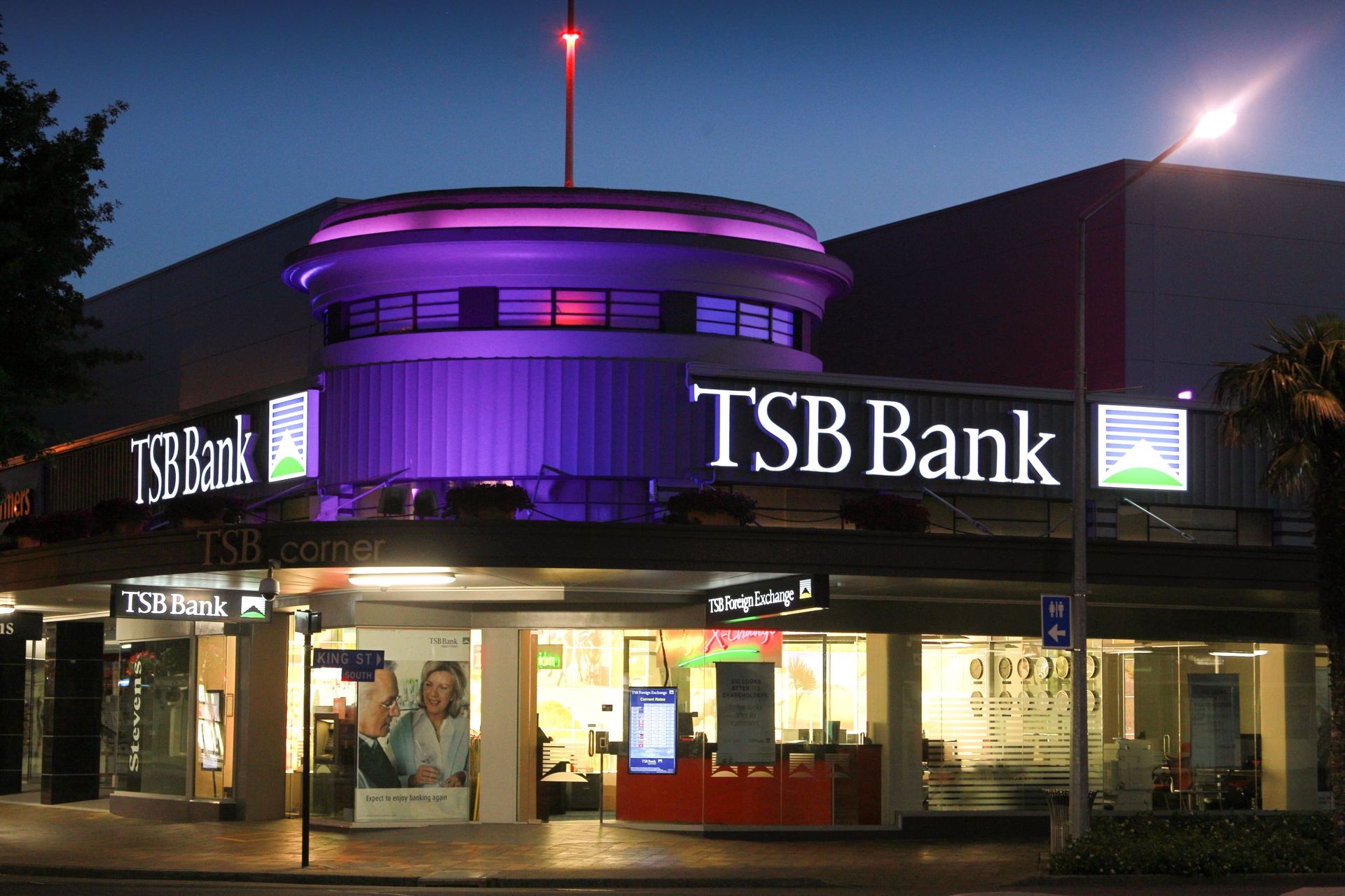
YS says it will be driving a brand transformation of the 100% Kiwi-owned bank.
TSB product and marketing general manager Nick Herbert said: “TSB is a brand with a remarkable 175-year heritage, and our goal is to transform that into an equally strong future.
“We’re a bank with strong community values that proudly puts profits back into Aotearoa – but we’re not resting on 175-year-old laurels. We’re committed to an evolution that will make banking simpler, faster, and more intuitive for New Zealanders.
“In our search for a partner to bring that to life, YS stood out because of their integrated strategic and creative firepower, combined with strong digital capabilities.”
TSB brand and marketing head Vesna Nixon said: “We were looking for an agency partner who would not only bring our future direction to life, but who also truly understood us and our challenges.
“[YS brings] the experience of a big global agency but with the agility and cultural understanding that only a local independent can truly offer.”
YS chief executive and founder Duncan Shand emphasised the opportunity to work with New Zealand’s original challenger bank.
“We make no secret of the fact that we live to create great work for challenger brands,” said Shand.
“Our ambition for TSB matches their own. We look forward to leveraging our expertise to amplify their unique story and support TSB’s exciting growth plans.”
“TSB is arguably the bank best positioned to deliver a truly human, customer-centric offering, something the research shows New Zealand wants now, more than ever,” said YS chief creative officer Corey Chalmers.
Editor-at-large Shayne Currie is one of New Zealand’s most experienced senior journalists and media leaders. He has held executive and senior editorial roles at NZME including managing editor, NZ Herald editor and Herald on Sunday editor and has a small shareholding in NZME.