Media Insider: TVNZ political editor role; Hunt for All Blacks jersey sponsor; MediaWorks boss leaves after inquiry; High price of advertising down low in CRL

The hunt for a new TVNZ political editor; MediaWorks manager leaves after inquiry; Are Sky subscribers about to feel the sting of sports rights battle?; All Blacks jersey sponsor talks; ‘Obscene money’: Advertisers paying huge sums for digital billboards in new CRL stations; Beacons winners.
TVNZ is understood to have put on hold a decision on who should be its new political editor - meaning the state broadcaster will likely head into the general election with the position vacant.
There are multiple reasons why political editor Maiki Sherman has not been replaced since her abrupt resignation two months ago, and why the job is not being advertised, sources say.
Chief among them is that the state broadcaster has yet to appoint a new executive editor of news - that person will most definitely want a say in who fills the critical political role.
And while there are plenty of potential names – including Stuff’s Jenna Lynch and RNZ’s Jo Moir – some of the possible contenders will be working on contracts with lengthy restraints of trade, in some cases up to three months. Add that to normal notice periods, and we’re talking a post-election start date anyway.
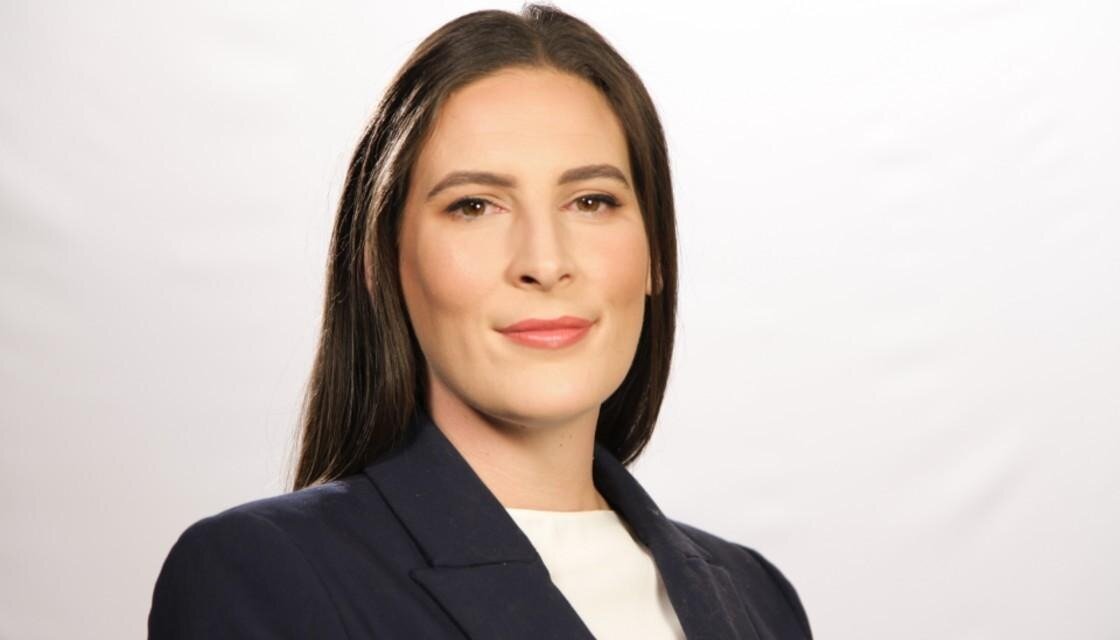
As TVNZ keeps a close eye on costs, saving a potential annual salary of $200,000-plus for a further six months will be an attractive option.
And another reason for the delay is that TVNZ is confident in what it calls a deep bench of journalists and broadcasters whom it can call upon to support those left in the parliamentary press gallery since Sherman’s departure.
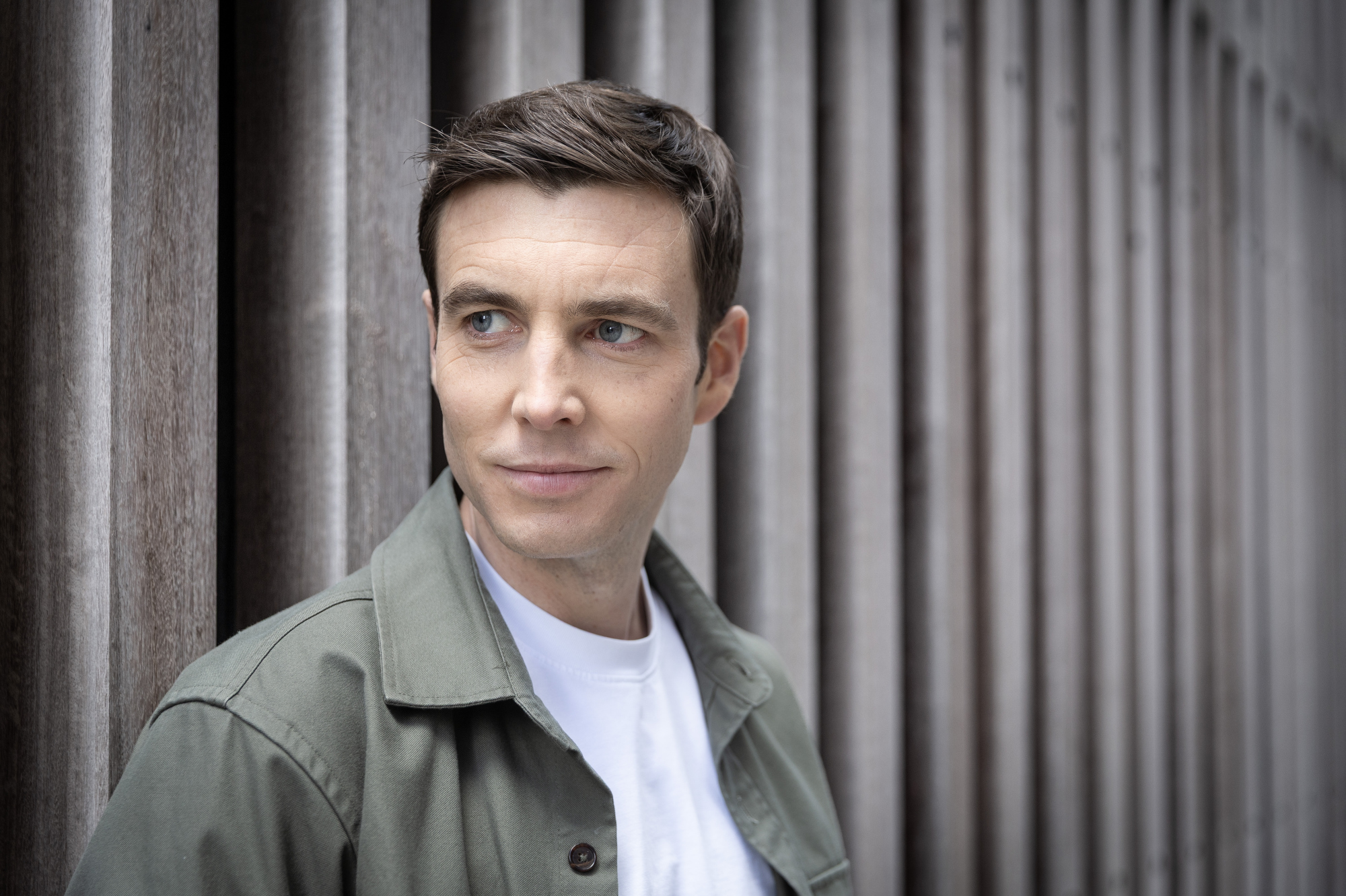
That includes newsreader and Q+A host Jack Tame, Breakfast host Tova O’Brien, Business Breakfast host Mei Heron and business editor Jason Walls.
Both Tame and Walls have been fronting political stories in recent weeks.
“We don’t have an update to share on the political editor role at this stage,” a TVNZ spokeswoman said in a statement after Media Insider put it to the company that the appointment was now on hold until after the election.
“We’re fortunate to have a strong team of journalists and presenters with deep political expertise, and we’ll draw on that experience in the lead-up to the general election, as Jack Tame’s presentation of our latest Verian Poll [last week] demonstrated.”
Recruitment for TVNZ’s news executive editor was underway, “and we expect to announce an appointment soon”.
MediaWorks leader steps down following workplace inquiry
One of MediaWorks’ senior leaders has stepped down from his role and almost 40 years in the business to - according to a statement from the company’s chief executive - “pursue other opportunities”.
Media Insider reported earlier this year that the senior leader was working from home while an inquiry was underway into a workplace exchange involving another staff member.
The manager was understood to be defending his position, but he said at the time he could not comment.
“I am employed by MediaWorks – I am working remotely at the moment. I am at home, on the tools and working. I would be happy to leave it there at this stage.”
News tip? Feedback? Email in confidence - shayne.currie@nzme.co.nz
An advertising sales worker is understood to have made a complaint about the exchange.
That staff member earlier told Media Insider: “I am working through things internally at the moment. I’m really impressed with how everyone is working through this at the moment. I don’t want to say anything until the process is followed through.
“I’ve known [the leader] for a long time, and I respect [them]. I would rather work through the process from a professional standpoint. I can’t say anything, and I don’t want to jeopardise anything.”
As Media Insider reported at the time, there were hopes that the matter would be resolved amicably.
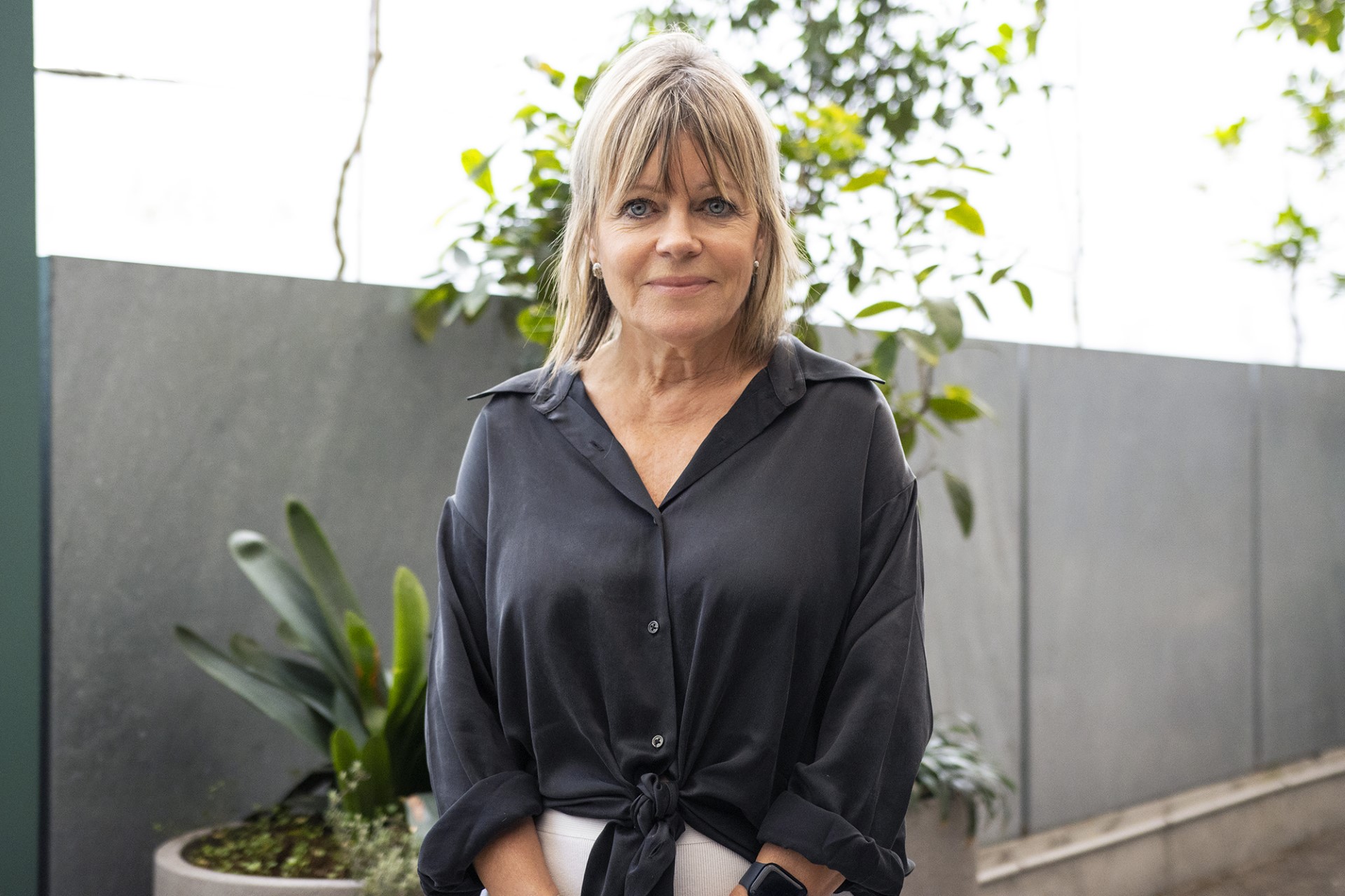
In a statement to MediaWorks clients on Thursday, chief executive Wendy Palmer said the manager had decided to step down. She thanked him “for his immense dedication and leadership over the past three decades and more”.
He had played “a pivotal role in shaping our regional strategy and supporting the development of our local brands such as More FM and The Breeze.”
The manager thanked clients in the same message. “It has been an absolute privilege to work alongside so many valued clients, and I have truly appreciated the trust and collaboration we’ve shared throughout my time ...
“Thank you for being such an integral part of my journey; I wish you and your businesses every success for the future.”
Both Palmer and the manager have been approached for further comment.
Sky’s sport/entertainment battles
Sky Sport customers will likely face higher prices as the broadcaster battles for rights against a re-energised TVNZ, a leading analyst says.
Forsyth Barr analyst Ben Crozier believes Sky is in the box seat to fend off TVNZ, with a considerably bigger war chest for the likes of NRL rights, while also having most other season-long sports tied up for multiple years.
And while the battle for sports rights is heating up, Crozier believes Sky’s bigger challenge is in entertainment, with the loss of HBO Max content from Sky’s Neon streaming channel.
He is predicting Sky’s Neon revenue in the 2028 financial year will be about 40% lower than in 2026.
Offsetting that will be the big savings that Sky has made in paying for HBO Max content. Media Insider understands this could be anywhere between $20m-$30m a year, although Sky has not previously commented on those numbers.
With Sky confronting these myriad challenges – not to mention a deflated free-to-air television advertising market – Crozier still rates Sky as an “outperform” share.
Sports rights
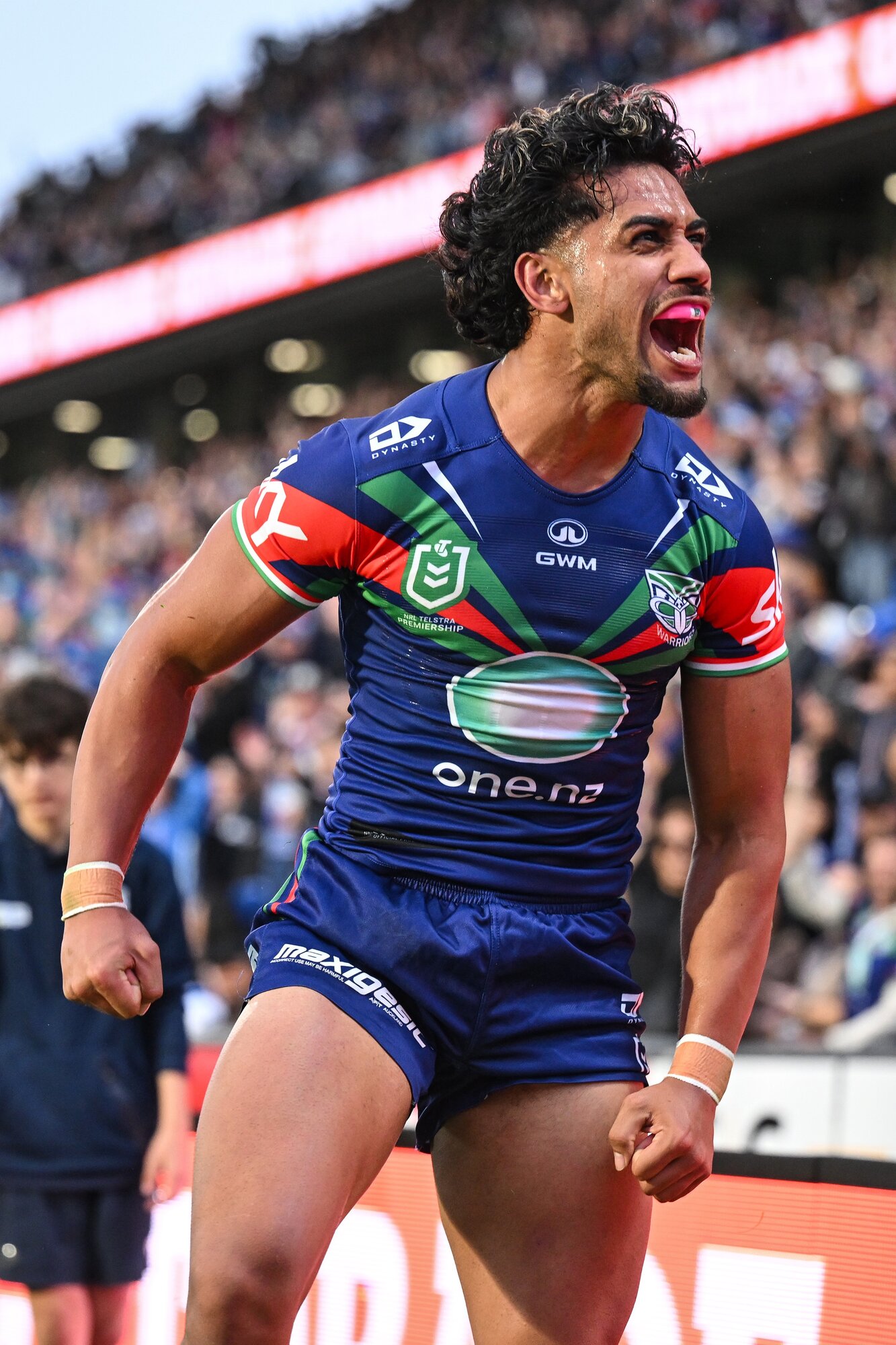
Sky TV is expected to announce to the market very soon - perhaps as early as today - that it has secured NRL and Warriors rights for another seven years, from the end of next year.
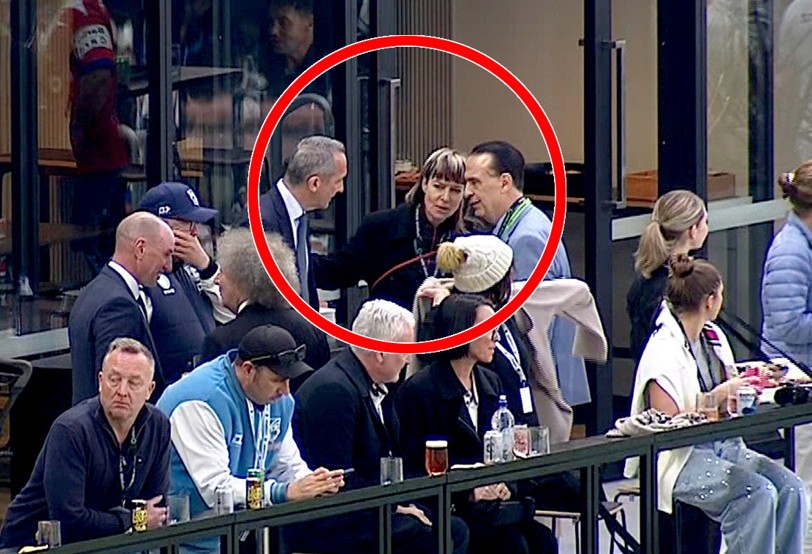
That contract will be part of a record new $A5.3 billion ($NZ6.4b) rights deal across Australia and New Zealand, with Foxtel and Nine sharing the rights across the Tasman.
As part of its share of the deal - and to snare exclusive rights in New Zealand - Sky TV is expected to be paying A$50m ($60m) a year between 2028 and 2034, a big increase on the current price.
“SKT [Sky TV] has a meaningfully larger content budget and has nearly all key sports rights locked up for multi-year periods, giving it a dominant market position and strong pricing power to pass on content cost inflation,” Crozier said in a research report released to Media Insider on Thursday.
Sky could increase customer prices “well ahead of CPI to recoup higher rights costs (ie, NRL renewal) and/or offset the negative mix shift away from Sky Box”.
Sky charges anywhere between $29.99 (for a day pass) to $549.99 (for an annual pass) for its Sky Sport Now streaming service, while Sky Sport TV packages are now $52 a month, around 10% more than customers were paying last year and up from $37.99 in February 2024.
Crozier said Sky had increased sports prices materially over recent years, “and we expect it can do the same over the next few years, considering its suite of sports rights is comfortably the largest in NZ”.
He questioned whether TVNZ could move from one-off events, such as the current Fifa World Cup, into season-long sports, “but its ambitions have increased the competitive tension in NZ sports rights”.
Entertainment
According to Sky TV’s latest annual report, Neon subscription numbers sat at 259,409 in 2025 – up slightly on its 2024 numbers but down on the 318,000 subscribers in 2023.
Latest numbers will be reported in August, when Sky announces its annual results.
Crozier believes the real impact of losing HBO Max will come in the next two years.
“We believe subscribers and pricing for Neon will be under pressure over the next year, offsetting the content cost savings from no HBO content.
“We believe the loss of HBO content from SKT’s Neon platform ... will be more impactful than SKT is expecting.
“We revise our Neon revenue forecasts ~-15% lower, with FY28 Neon revenue now ~-40% lower than the 12 months to 1H26.
“SKT has signed rights deals with Paramount, BBC and Sony, and refreshed its Neon marketing to support the platform with no HBO content. We don’t believe this will be enough to stabilise Neon’s subscriber falls.”
Crozier says Sky can largely weather these storms, estimating ebitda to be back just 1 or 2% in the next two financial years. He reduced the target share price from $4 to $3.95 based on the lower earnings.
Sky TV shares were sitting at $3.29 at the close of trading on Thursday.
‘Delighted’; ‘Obscene money’: The high cost of down-low advertising in CRL
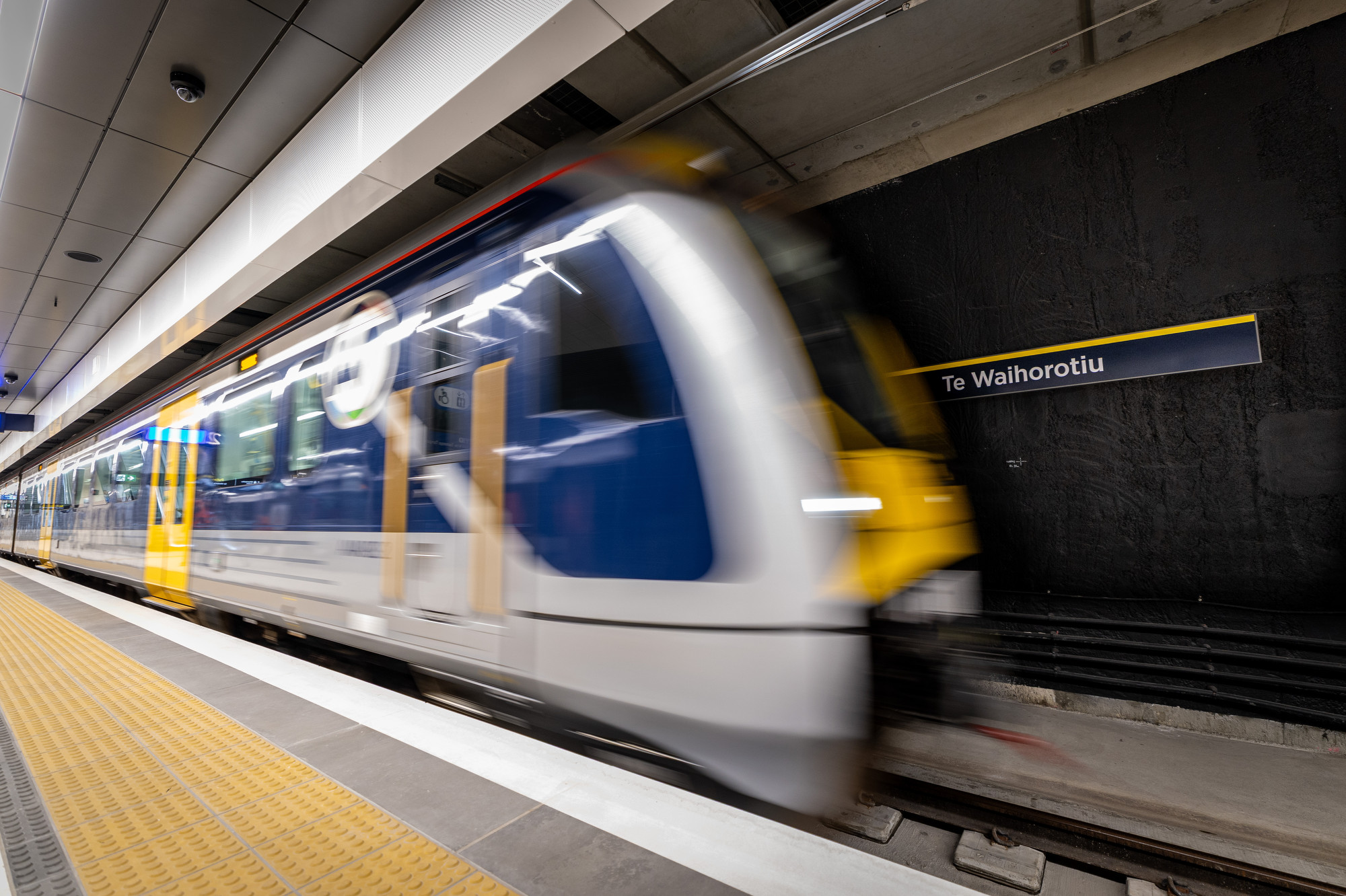
Auckland’s new City Rail Link won’t just host the sound of busy commuters and trains whooshing through tunnels.
That other noise is the deep intake of breath from advertisers and agencies as they fork out hundreds of thousands of dollars for the pleasure of having their brands on premium digital billboards in the new stations deep underground.
Auckland Transport’s contracted advertising agency, QMS, is understood to have sold digital billboard packages for six foundation advertisers for around $650,000 each for six months.
And while neither AT nor QMS will confirm prices, they have confirmed the packages have been “fully subscribed” - ie, sold out - for the first six months.
No one is yet saying who the six foundation advertisers are, but it wouldn’t be a surprise to see at least one bank and a telco in there.
The prices have certainly raised eyebrows in the media industry, but there are two ways of looking at this.
One media industry source said that the pricing was “obscene money” and that it had not gone down well with some agencies. In a similar vein, another source said clients would be demanding to know that those prices are supported by audience delivery.
The other, broader view is that this is great news for city ratepayers who are already on the hook for the CRL. This is another way that the project can drive money back into the public coffers.
That’s certainly Auckland Transport’s position.
In a joint statement to Media Insider, AT and QMS said they were “delighted” by the response and uptake from the market.
“This demonstrates the strong level of interest and confidence advertisers have in the long-term value of the CRL and reflects the quality of the media spaces within the new stations and the significant opportunities to connect with Aucklanders as they move through the network and benefit from faster, more convenient journeys when it opens to the public in the next few months,” said the joint statement, released by an AT spokesman.
The income would support public transport.
“Revenue generated through the CRL advertising network helps fund the ongoing operation and maintenance of Auckland’s public transport infrastructure, reducing pressure on other funding sources while helping ensure stations and public spaces remain safe, attractive and well-maintained,” said the statement.
“This delivers tangible value for Aucklanders by supporting a high-quality transport network that benefits residents, businesses and visitors alike.”
The statement said AT and QMS had been focused on creating a “premium, digitally-led media environment” that reflected the quality and significance of the CRL.
The new digital screens were being installed and would roll out across all three new stations: Maungawhau, Karanga-a-hape and Te Waihorotiu.
“These include a range of large- and small-format opportunities that have been carefully integrated into the station design and customer journey, ensuring advertising complements the overall commuter experience.”
The CRL’s opening date has not yet been confirmed. Some commentators expect it will be in September.
A new jersey sponsor? A Netflix series? Inside the All Blacks’ commercial machine
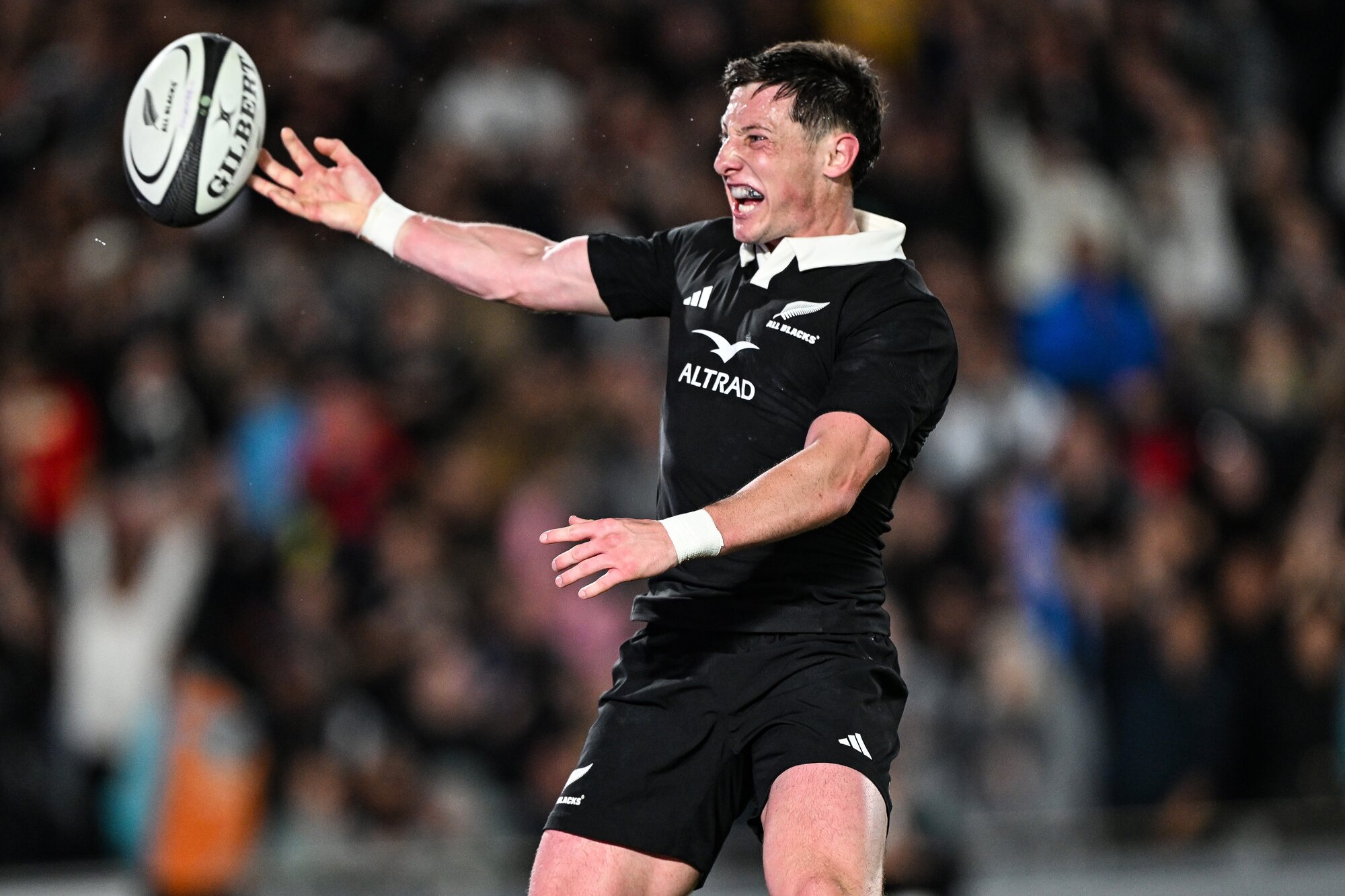
The All Blacks kick off their 2026 season this weekend, in what has been a relatively quieter public build-up in the sense that much of the sports media’s focus has been on the Fifa World Cup and the performance of the All Whites.
But a revolution is underway at NZ Rugby (NZR), beyond the obvious headline double-act of a new All Blacks coach and captain, and how they will fare in their first outing against France in Christchurch on Saturday.
Now in the C-suite of NZR are a confirmed new chief executive in Steve Lancaster, a new chief financial officer in Chris Kinraid and a new chief commercial officer in Chris Brown.
Brown is just three months into the role, but comes to NZR with a stellar marketing and commercial CV, most notably his five years at McDonald’s in Australia and, before that, a significant advertising agency career, including as head of DDB in New York.
Brown isn’t really coming from burgers though; he’s coming from one of the world’s most sophisticated customer-data and loyalty businesses – but more about that and how he wants to build the “connected fan” shortly.

There are several major NZR commercial projects and deals already on his plate, not least a behind-the-scenes All Blacks documentary, possibly with Netflix, and negotiations already underway for the lucrative front-of-jersey All Blacks sponsorship from 2028 onwards.
French firm Altrad enters its penultimate year on Saturday night as the jersey sponsor, but there’s no doubt Brown and the NZR team see considerably more value than the current six-year deal, reportedly worth $120m.
For starters, NZR will be bringing much more valuable and detailed data to the table about the All Blacks’ fans, compared with the less-than-optimal statistics from four years ago.
“NZR’s knowledge about the All Blacks fanbase was poor, to the extent that it is understood that, when it was looking for front-of-jersey sponsors in 2021, a significant number of potential buyers pulled out when the national body couldn’t provide even basic details about who supporters were and where they lived,” senior NZ Herald rugby journalist Gregor Paul wrote last month.
Brown confirms that Altrad is just one of the companies NZR is speaking to about the jersey sponsorship. There are other “world-class brands” in the mix.
“It’s a really exciting process,” he told Media Insider. “It’s one of the most valuable assets, I think, in the world of sport, and we’re having some really interesting and exciting conversations on the global stage around that.”
He notes there are still 18 months left on the current sponsorship deal and that Altrad continues to be an important partner for NZR, from the chair down. Chairman David Kirk visited Altrad chairman Mohed Altrad in Montpellier last year.
“We’re very focused on [Altrad and other key partners] and certainly having really good discussions with all of them. But we are also looking at the other partners that we potentially don’t have currently. It’s a very compelling proposition from a global brand perspective.”
Just how much more that real estate on the front of the black jersey might fetch is up for debate. Brown himself won’t say.
But given Brown’s background, what chance that we might see the Golden Arches somewhere in the mix?
READ THE FULL INTERVIEW WITH CHRIS BROWN HERE
RNZ’s new chair open to working with TVNZ
New RNZ chairman Brent Impey believes RNZ and TVNZ can figure out ways to work together in back-office functions, but he’s reiterated that a full merger, in his view, would not work.
He believes the previous Labour Government’s planned move – eventually abandoned – to merge the public broadcasters was “unwise”.
“I’m now the only person, I think, in New Zealand who’s managed a television and radio business together,” says Impey, who spent a decade (2000-09) as chief executive of MediaWorks when it owned TV3 alongside a suite of music radio stations.
“They are completely different. Even the merging of newsrooms, in my experience, doesn’t produce great savings, primarily because radio’s focus is in the morning and then 24 hours, whereas television’s more at night.”
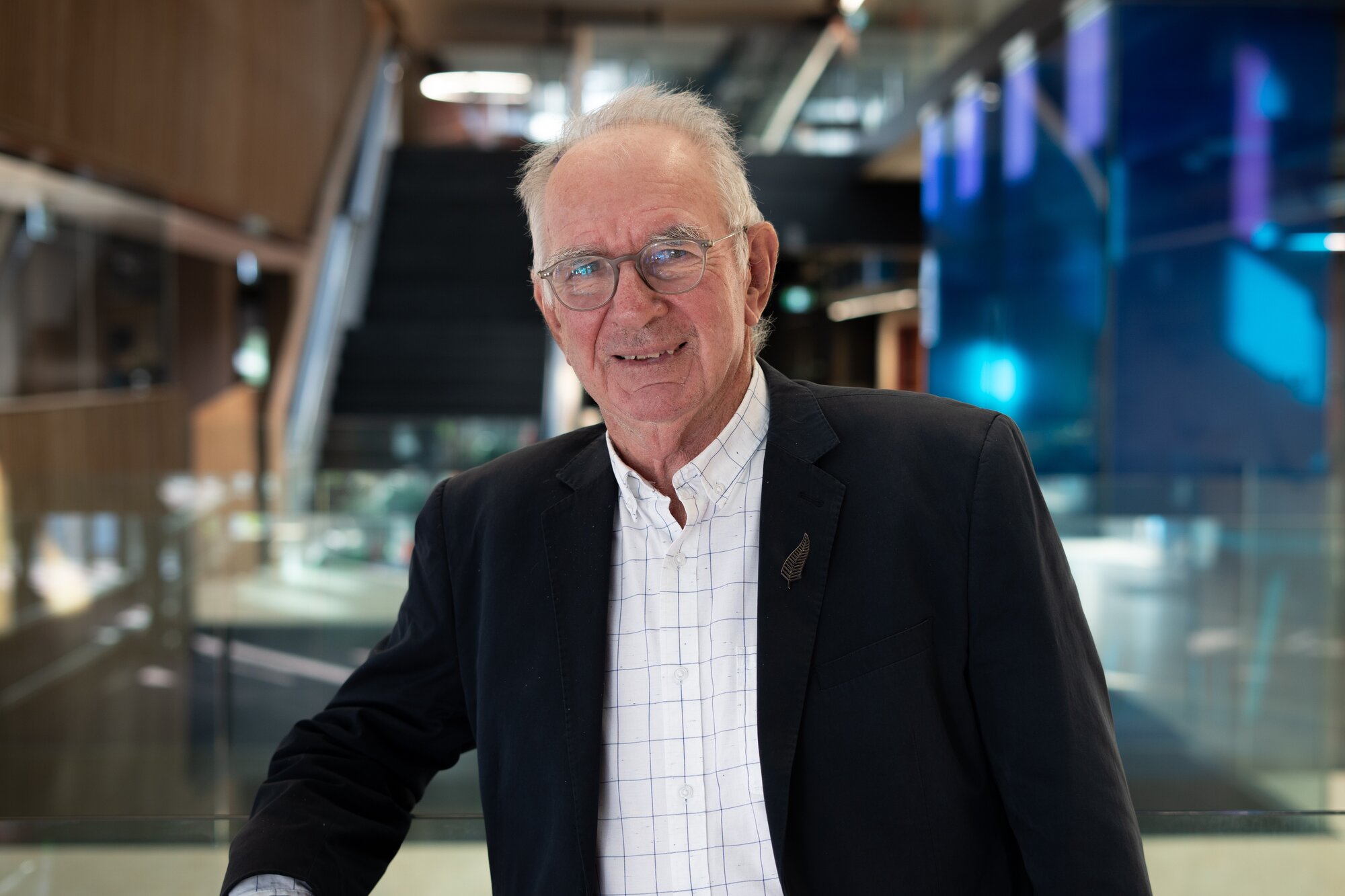
More importantly, though, when it came to TVNZ and RNZ, “one organisation relies 100% on commercials and therefore has a different culture from an organisation that’s 100% funded by the state”.
“I think it’s a lose-lose [if they were to come together] ... I didn’t think it was a good idea.”
But sitting this week for an interview in the radio broadcaster’s new premises, on the sixth and seventh floors of the TVNZ building in central Auckland, he recognises there could be ways the two companies could work together.
He runs through areas where there might perhaps be opportunities: legal, accounting, HR. “It’s not a priority, but let’s look at them.”
I raise with him the prospect of a flagship current affairs show such as TVNZ’s Q+A being simulcast on RNZ National. “Except that Jack Tame says we’re back in two minutes after the ad break,” he counters.
He adds that these types of discussions are moving beyond his governance responsibilities. “[It’s] something you can ask the new CEO.”
Impey sat down for a full interview with Media Insider this week, in which he opened up on the search for a new CEO, radio ratings (“not good enough”), trust levels, talent and the opportunity to change perceptions of the public broadcaster through a focus on impartial journalism.
READ THE FULL INTERVIEW WITH BRENT IMPEY HERE
All Together now...
Independent agency Together has been sweeping up a suite of high-profile and lucrative new contracts in recent months, including Kiwibank, Contact Energy, and The Warehouse. It also announced this week that it’s snared Summerset.
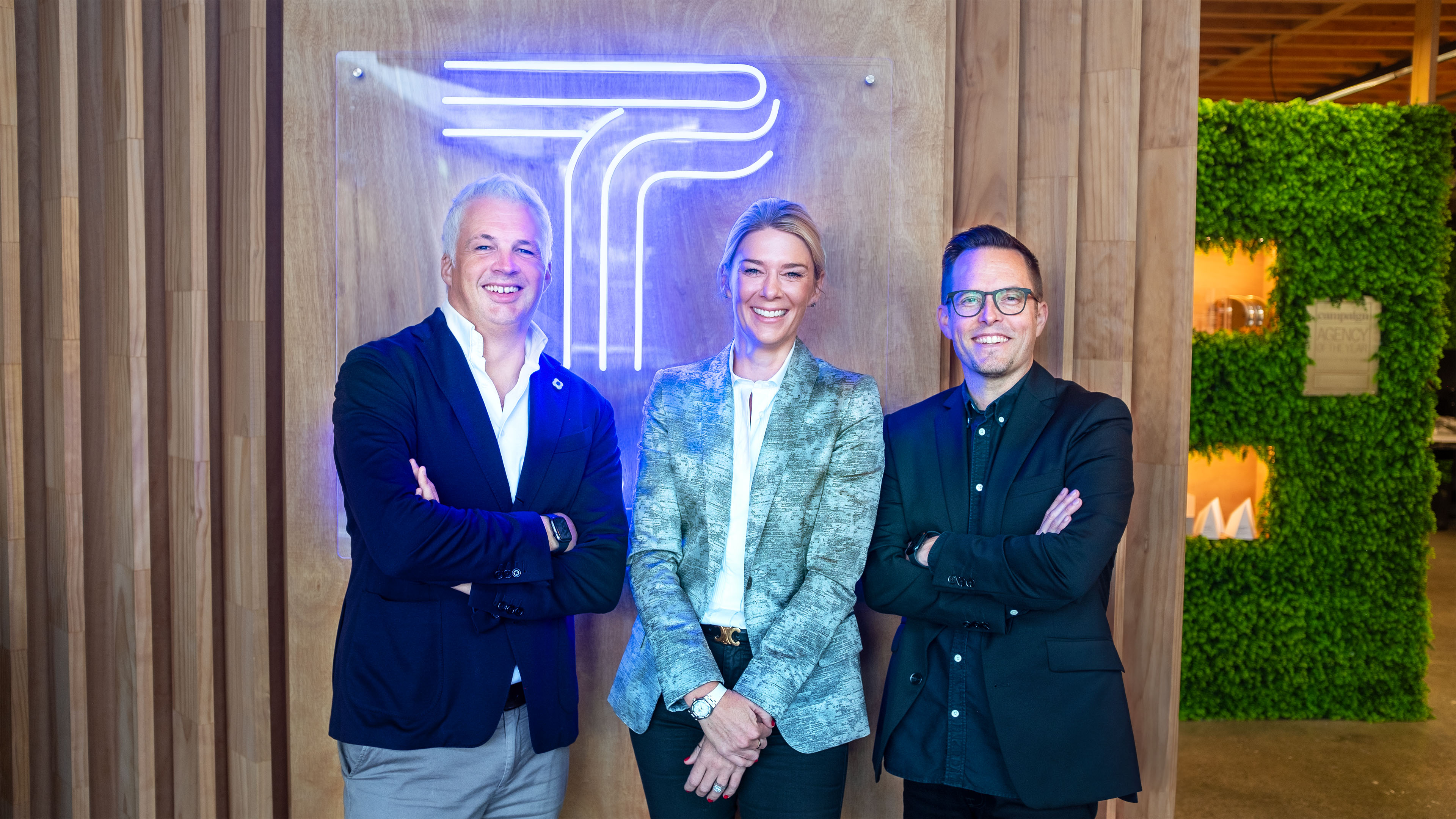
And at last night’s Beacon Awards, Together also claimed the highly coveted media agency of the year prize.
Also honoured were TVNZ, as media business of the year, and Vast Billboards as sales team of the year.
The emerging talent awards were won by NZME’s David Stock and PHD Aotearoa’s Henry Sneddon. Mediastone’s Barb Stone won the inspiring individual award.
There were 16 gold medal awards:
FMCG: In It For The Long Run (Made Group/Calibre + Candor)
Financial services: The Sound of the Chopper (Westpac/Spark Foundry)
Utility and Telco services: Cheat Codes (Mercury/McCann)
Other consumer services: Closer to Home (NZ Post/PHD Aotearoa)
Content: Make It Click (McDonald’s/OMD); Love Creep (Ministry of Social Development/OMD)
Technology: AIvantage: Reclaiming the Trade Me Marketplace Crown (Trade Me/MBM)
Data: Precision under Pressure for Air New Zealand (Air New Zealand/Dentsu)
Creative Media Ideas: Cheat Codes (Mercury/McCann)
Most effective: The Māori Roll Call (Whānau Ora/Motion Sickness); Super Streamers (Contact Energy/Together
Best collaboration: Cheat Codes (Mercury/McCann, TVNZ, NZME, MediaWorks, Sky City, Shout! and Eden Park); Warning you can’t miss (NEMA/Lumo, MetService, VML, Latch, Go Media, Market Media, Vast, Hyper & Perion)
DEI positive change: Bus Driver Appreciation Day 2025 (Auckland Transport and MBM)
Sustained success: The Story of How Pak’nSave Reclaimed the Low-Price Throne (Pak’nSave/PHD Aotearoa).
Best in Show was also won by Pak’nSave and PHD Aotearoa for their campaign Anything Can Be a Gift at Wrap’nSave.
There were also 21 silver and 19 bronze awards.
Congratulations to all the winners.
Editor-at-Large Shayne Currie is one of New Zealand’s most experienced senior journalists and media leaders. He has held executive and senior editorial roles at NZME, including Managing Editor, NZ Herald Editor and Herald on Sunday Editor, and has a small shareholding in NZME.