Mimi Gilmour: Rebuilding after Burger Burger receivership
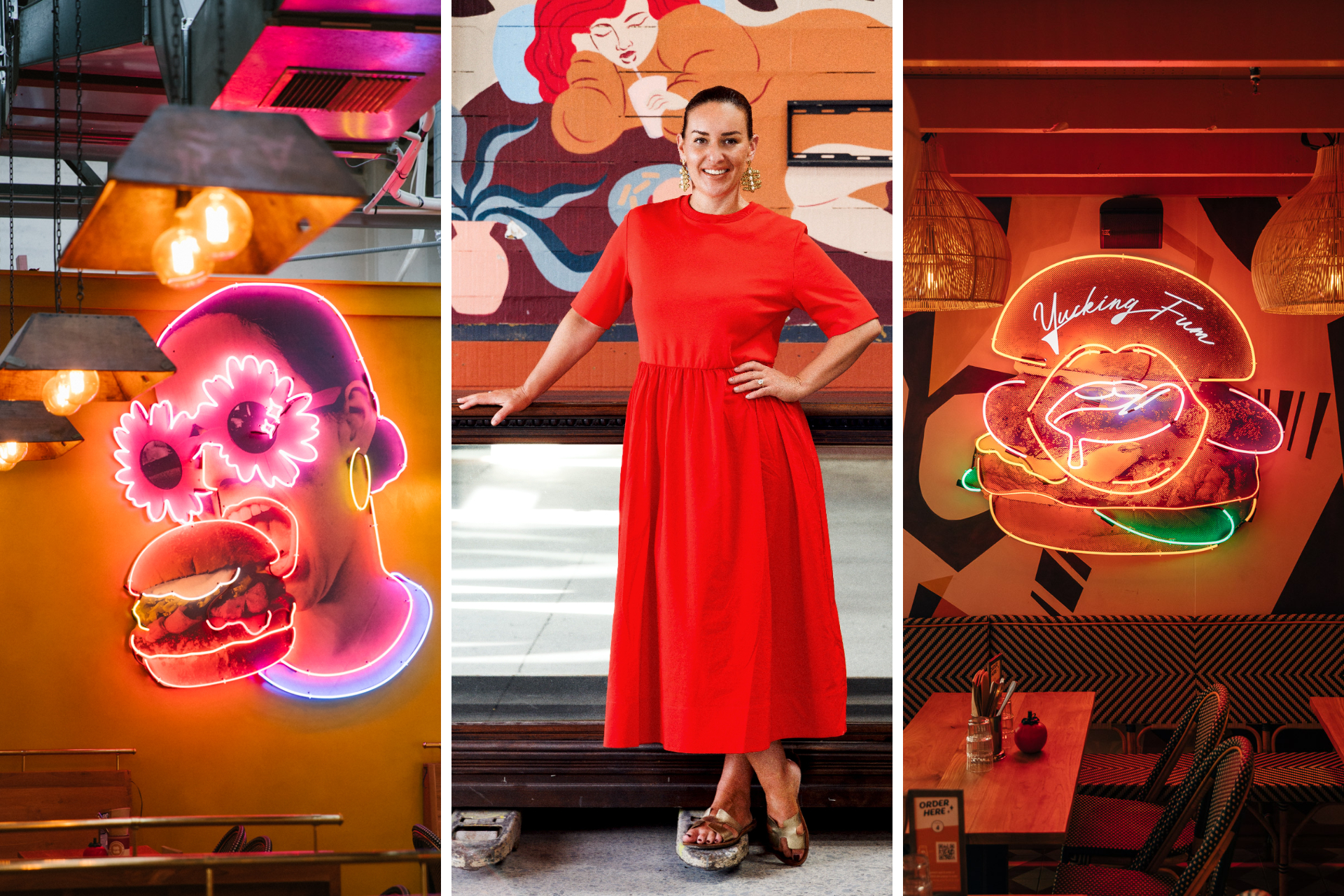
The ending arrived by email. Subject line: “Burger Burger Holdings Limited moved into receivership.”
Mimi Gilmour was never going to go quietly.
The spiral started last week, last month, last year. A Covid hangover, beef prices, the war in Iran. Ultimately, a landlord and creditor out of patience.
Gilmour opened the email from the Companies Office and started fielding calls from journalists.
The basics: she is the head of the company that operates Burger Burger restaurant sites employing almost 90 staff. Total debt is about $1.8 million. There is an Inland Revenue payment schedule in place and she has met with major suppliers, but an out-of-pocket landlord has triggered this receivership.
Of course she has a plan. If wealth was measured in sheer force of will, Gilmour would be a billionaire.
“Entrepreneurs are optimistic,” she says. “We have to be. You’d never f***ing do it otherwise.”
In a quiet room in the bowels of NZME, Gilmour scrunches herself into a couch, knees pulled close to her chest. “You don’t even understand this process until you’re in it,” she says. “Which is wild.”
It’s eight days after the receivership news broke and Burger Burger is in voluntary administration. Independent experts are considering the future options. Five stores continue to trade (a sixth, in Takapuna, is closed for a refit).
Can the business be saved? That’s always the plan.
“If only hospitality was a straight line,” Gilmour says. “It’s like being in a washing machine, where you’re just constantly thrown around and you just can never quite see the next turn.”
Still – you don’t rack up that much debt in a weekend.
“It’s made millions and millions of dollars and given hundreds and hundreds of jobs,” Gilmour says of the gourmet burger chain that opened in 2014 with a single store in Ponsonby, Auckland.
“It’s paid millions of dollars of GST and PAYE. It is a successful business. The reality is that where we’re at right now ... the last 18 months have been absolutely brutal to hospitality.”
June figures put hospitality company liquidations up 47% year on year. Running costs are up and customer spend is down.
At the individual consumer level, credit reporting agency Centrix says nearly 15,000 accounts are reported to be in financial hardship – an increase of 300 from the previous month and 14.4% higher than a year ago.
“Have I made perfect decisions?” Gilmour asks.
“Maybe not, because I’ve gone through the hardest year of my life, but also we’ve just dealt with blow after blow after blow. It feels short-sighted to judge Burger Burger on what’s happened in the last 18 months, when it had 10 years. And we have a really good plan.”
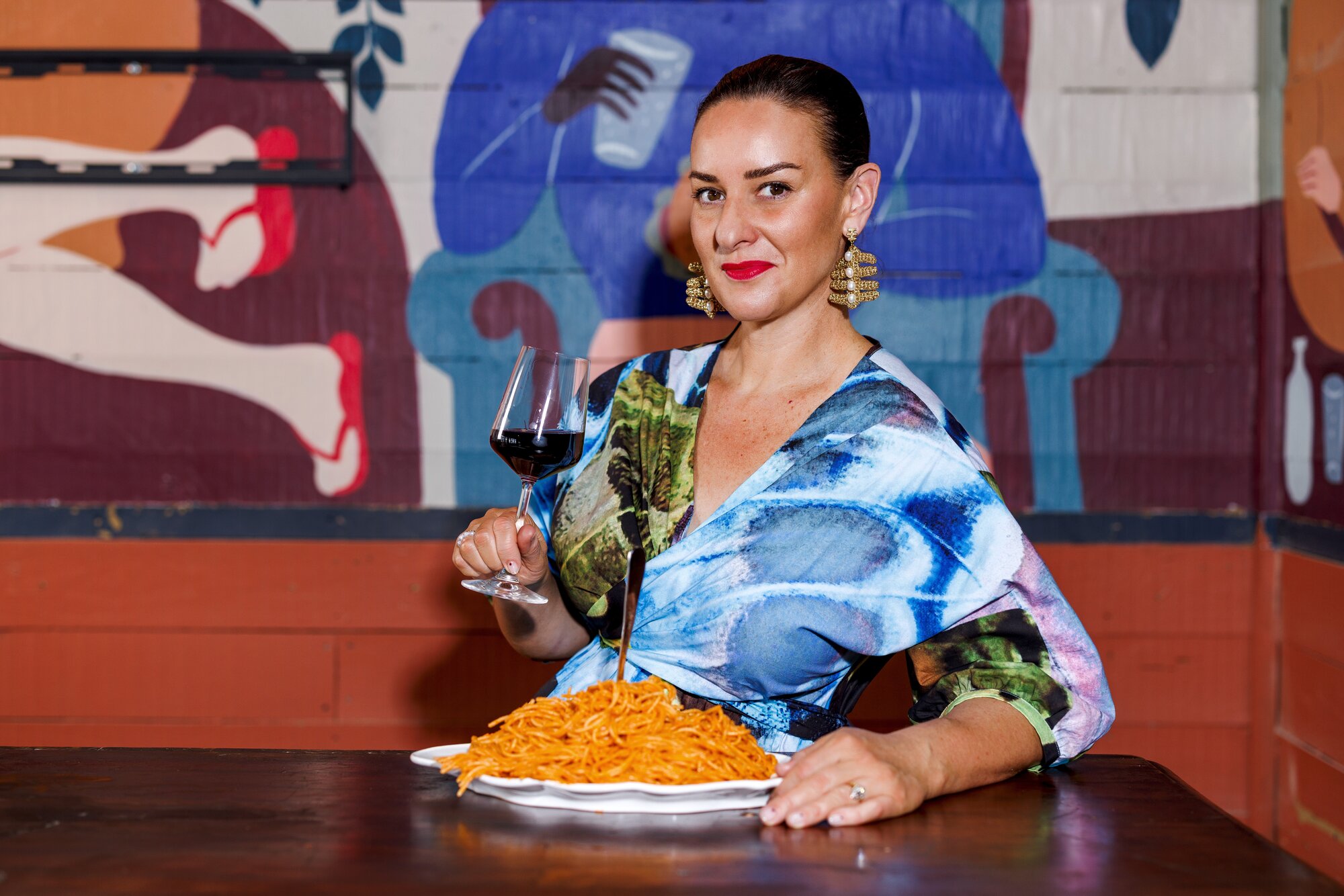
I first met Gilmour last September for a Viva profile before Burger Burger Newmarket’s transformation into Mama, the new Italian restaurant she was creating with friends (she still works in that business, and there are still plans for a Greek counterpart on the North Shore, but her financial stake is minimal).
Back then, Gilmour spoke about the death of her father, post-natal depression after the birth of her third child, and what it was like to care for a daughter with complex needs – Olympia, her eldest, born with a brain injury and diagnosed with quadriplegic spastic cerebral epilepsy. She acknowledged Burger Burger was in a tough space but she was looking at franchise options and, with her husband Stephen, had downsized and moved house.
The couple, who had been married for 12 years, have since separated.
The upturn the business experienced over summer was short-lived.
The weight of responsibility was, she says, like walking around with someone’s foot on your chest; it literally knocked the air out of her lungs.
“It’s so easy for people to look at things from the outside, isn’t it? To watch Instagram or presume you know things ...
“I’ve had a very privileged life. But I’ve also worked my f***ing a*** off. I don’t get handouts, I haven’t inherited a huge chunk of money. I’ve got some great support around me, but I’ve got nothing to show for it.
“I’m going to have to start again, and I’m going to have to rebuild my life and figure out how I can support my children. And that’s ... I’m not afraid of that, you know.”
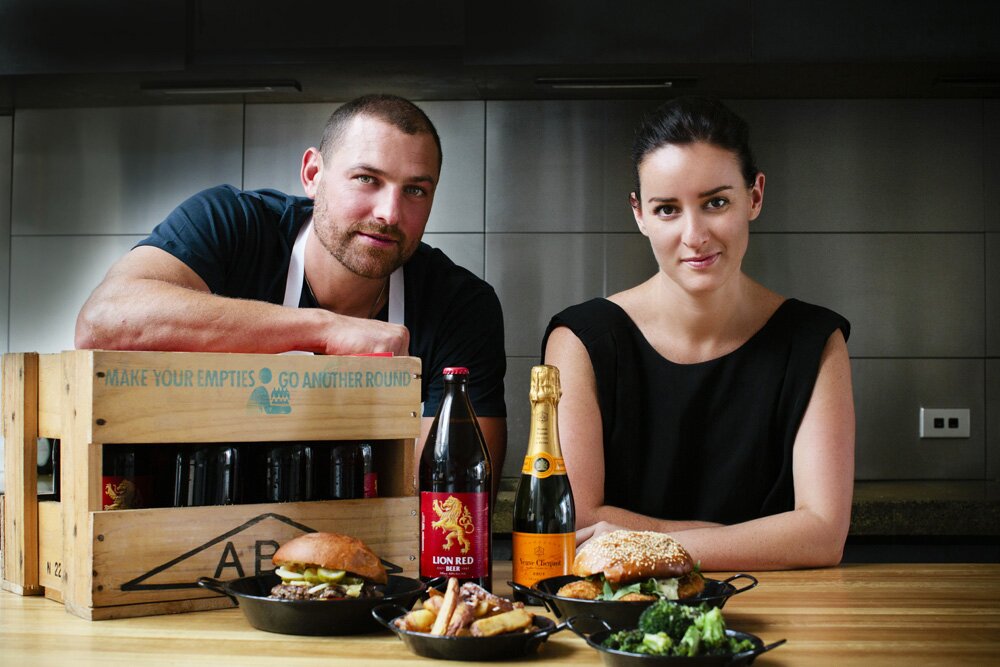
It took a few days to pin Gilmour down to this interview. Her life was moving fast and she had a lot of people to talk to. She kept in touch by phone, email and text.
“I promise this is the last one,” she messages, late one night.
“I’ve been thinking about our conversation on failure. Strangely, music has explained it better than I ever could. Last night I listened to Everybody Hurts through tears. Tonight it was Both Sides, Now. Two songs written decades apart, yet both arriving at the same place. They reminded me that none of us are the first to carry something heavy. We all just carry different things.”
Another night, another message: “I don’t think my biggest mistakes were strategic. I think my biggest mistake was believing that caring more, working harder and carrying more responsibility would somehow solve every problem.”
When Olympia was born, she says, “I spent so long wondering what I’d done wrong. I searched for an answer because I wanted there to be one. Eventually, I realised there wasn’t.”
Life, biology and people aren’t perfect, Gilmour says.
“Most people see Olympia’s disabilities. I see my daughter, the greatest teacher I’ve ever had ... love has nothing to do with perfection. She taught me humility, patience and perspective. When life doesn’t turn out the way you imagined, you don’t stop living it – you learn to see it differently. I think that’s why this chapter doesn’t feel like failure to me. It’s changed what success looks like.”
Years ago, she says, she met grief and resilience expert Lucy Hone, whose daughter died, aged 12, in a road accident.
“One of the most important lessons I’ve taken from her work is the understanding that capacity matters ... sometimes the weight accumulates; circumstances simply exceed a person’s capacity to carry them. I think many people interpret that as failure. I don’t anymore. I think it’s part of being human – and perhaps that’s the conversation we need to be having more often.”
She describes the day Burger Burger Holdings went into receivership as one of the biggest of her life. That afternoon, “I signed a document appointing administrators to a business I have spent 12 years building. It was one of the hardest things I’ve ever done”.
What happened next “completely floored me”.
Gilmour says former team members, customers, suppliers, friends, other business owners and people she hadn’t spoken to in years made contact, reminding her of first dates, family dinners, celebrations, friendships and memories – all the things that had happened inside a place that also happened to sell burgers, cocktails and fries.
“People ask why anyone would choose hospitality? On paper, you probably wouldn’t.”
She makes a list – brutal hours, razor-thin margins, enormous risks, relentless emotional investment – and suggests there are easier ways to make money.
“Despite all of that, there are thousands of us who continue to do it. Why? Because hospitality was never really about food. Food is the excuse. What we’re really creating is human connection.”
That doesn’t always show up on a balance sheet, she writes in an email.
“[But] we raised a white flag and said we needed help and an incredible number of people stepped forward and offered it. That gives me hope ... Tomorrow the real work begins.”
In truth, Gilmour wrote considerably more than that. A second message, moments later: “Also, in hindsight, this sounds like a crazy person – but best to get all the thoughts down whilst they are in your head.”
The three weeks that follow are huge for hospitality. At New Zealand’s inaugural Michelin Guide ceremony, Gilmour watches a chef who once worked the fryer at Burger Burger take the stage to accept a Bib Gourmand distinction for his own restaurant. In other headlines, it is revealed chef Nic Watt is enduring his third liquidation.
Gilmour cries most days – especially when she helps craft Burger Burger’s “for sale” notice:
“This is not simply the sale of a hospitality business. It’s the opportunity to acquire an established Auckland institution.”
This week, she confirms about 20 expressions of interest have been received.
“I’m hopeful one of the very interested parties will come forward with a solution early next week. There has been a lot of interest from experienced operators who are working through the due diligence process.”
The prospect of a sale is “very exciting, but also very overwhelming. I feel like I’m stuck in limbo”.
In the background, the repercussions of one of the measures Gilmour took last year to keep everything afloat. On the day it all came crumbling down, her personal finances were frozen.
“I couldn’t even see any of my bank accounts ... I’ve got three children at home, by myself ... I am currently still in personal receivership, yes, but I do hope [a sale] will resolve that.”
Gilmour and her sister Sophie grew up in this precarious business.
“I was raised to believe that it is a privilege to host,” Gilmour says.
She also knows customers don’t remember their meals nearly as much as they remember how they felt sitting across from someone they love, sharing birthdays, proposals, first dates and special occasions.
“Hospitality sits quietly in the background of those moments. That’s why so many of us fight so hard for it. Not because we’re obsessed with restaurants – because we’re obsessed with people.”
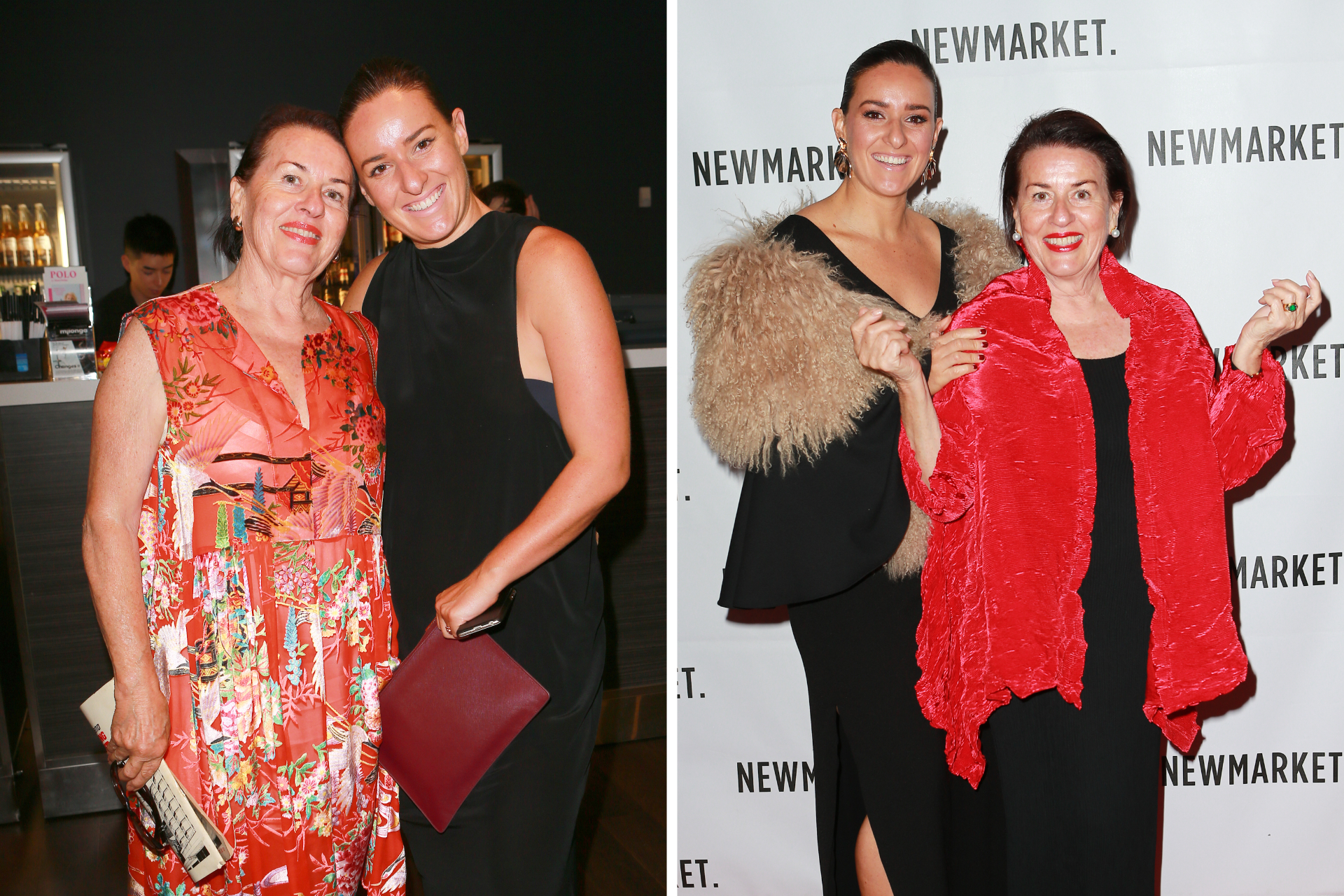
Her mother Emerald was synonymous with Auckland’s Clichy, Tatler and Club Mirage. Her sister co-founded (and sold) Bird On A Wire. Gilmour’s own earliest ventures included District Dining and the Mexico chain.
Does her hospitality lineage make what has happened harder?
“My mum was the first to say, ‘you’re not the first darling, and you won’t be the last’ ... if the extraordinary women who have shaped my life have taught me anything, it’s that time is precious. Don’t spend it looking over your shoulder to see who’s waiting for you to fall – spend it looking into the eyes of the people right in front of you.”
She came into this story hoping to put a “sold” sticker on the final paragraphs.
Watch this space?
“I don’t know whether we will be able to pay back every dollar ... but I think it’s a better result than liquidating. We could have done that, and we haven’t. Our administrators have been amazing, they are really gunning for a successful outcome, and it’s been, in a weird way, nice having the guidance and support and that impartiality.”
On reflection: “The problem, when you’re financially drowning, is you need help. But you can’t really pay anybody to help. I’ve said I should have pivoted sooner – in hindsight, I was so in this fog of stress and responsibility and weight that I couldn’t see the wood for the trees.
“Businesses rely on this person who starts something because they love it and they’re passionate about it and good at it. Then you get drowned in this responsibility ... losing sleep over what is the next thing that is going to break? We can’t control the economy, the weather, the export prices of beef.”
She imagines a future where there is a Government-led business recovery fund for small to medium operators; free access to pre-approved advisers and someone to speak to before it all goes belly up.
“To start a company, someone has to be the director. Is everybody who is starting a hospitality company doing a director’s course? No. Are they working their a*** off and doing 50 jobs at once? Yes.”
In our last conversation before this story hit its deadline, Gilmour asks whether she’s told me about the piece of paper her mother put by her bed when she was a kid. It contained two words: “discipline” and “persistence”.
Suggest that, aged 42, she embodies “indefatigable” and Gilmour counters with “emotional and scared but doing my best to look forward”.
Her hope is a sale will keep the Burger Burger sites open – and close to 90 staff in jobs. Nothing is guaranteed. And optimism and sheer force of will only go so far.
What she does know is that every time she walks into Mama, she thinks, “my God, this restaurant’s beautiful and it’s busy and people love it. We still need this”.
Whatever happens: “This will not be the death of Mimi Gilmour’s love for hospitality.”
Kim Knight joined the New Zealand Herald in 2016 and is a senior reporter on its lifestyle desk.