Auckland Mayor Wayne Brown expresses mixed feelings about City Rail Link opening, questions future-proofing
Auckland Mayor Wayne Brown says he has mixed feelings about the imminent opening of the City Rail Link, claiming the attempt to future-proof the project was a flawed concept.
Speaking to Newstalk ZB’s The Weekend Collective host Andrew Dickens this afternoon, Brown said that while he fundamentally supported the $5.5 billion rail line as a piece of infrastructure, the stations were unnecessarily ornate.
“I have very mixed feelings about it,” Brown said.
“On the one hand it’s a good idea to have that looped railroad to go through there. On the other hand the railway stations didn’t need to be cathedrals. We didn’t need to spend so much.”
Rehearsals are underway ahead of the line’s opening in the coming months, though an exact date has not been announced.
The underground Karanga-a-hape and Te Waihorotiu stations are the only brand-new additions to the network and are expected to drive significant foot traffic into Auckland’s uptown and midtown CBD.
But Brown dismissed the concept of future-proofing major infrastructure projects.
“Future-proofing is a stupid word. I hate hearing that. Future-proofing is an excuse for wasting money now.”
He pointed to the Auckland Harbour Bridge as an example of staged construction, noting it was initially built with four lanes before four “Nippon clip-on” lanes were added a decade later.
“They [initially] built four lanes because that’s all they could afford but they allowed for foundations so that, when they could afford it, they put another four lanes on. That’s sensible. Build it stage by stage.”
The clip-ons have since required extensive maintenance and are approaching the end of their design life.
Design elements throughout both stations draw on the area’s cultural and natural history, with mana whenua helping shape the stations’ cultural narrative and Māori artists contributing key artworks.
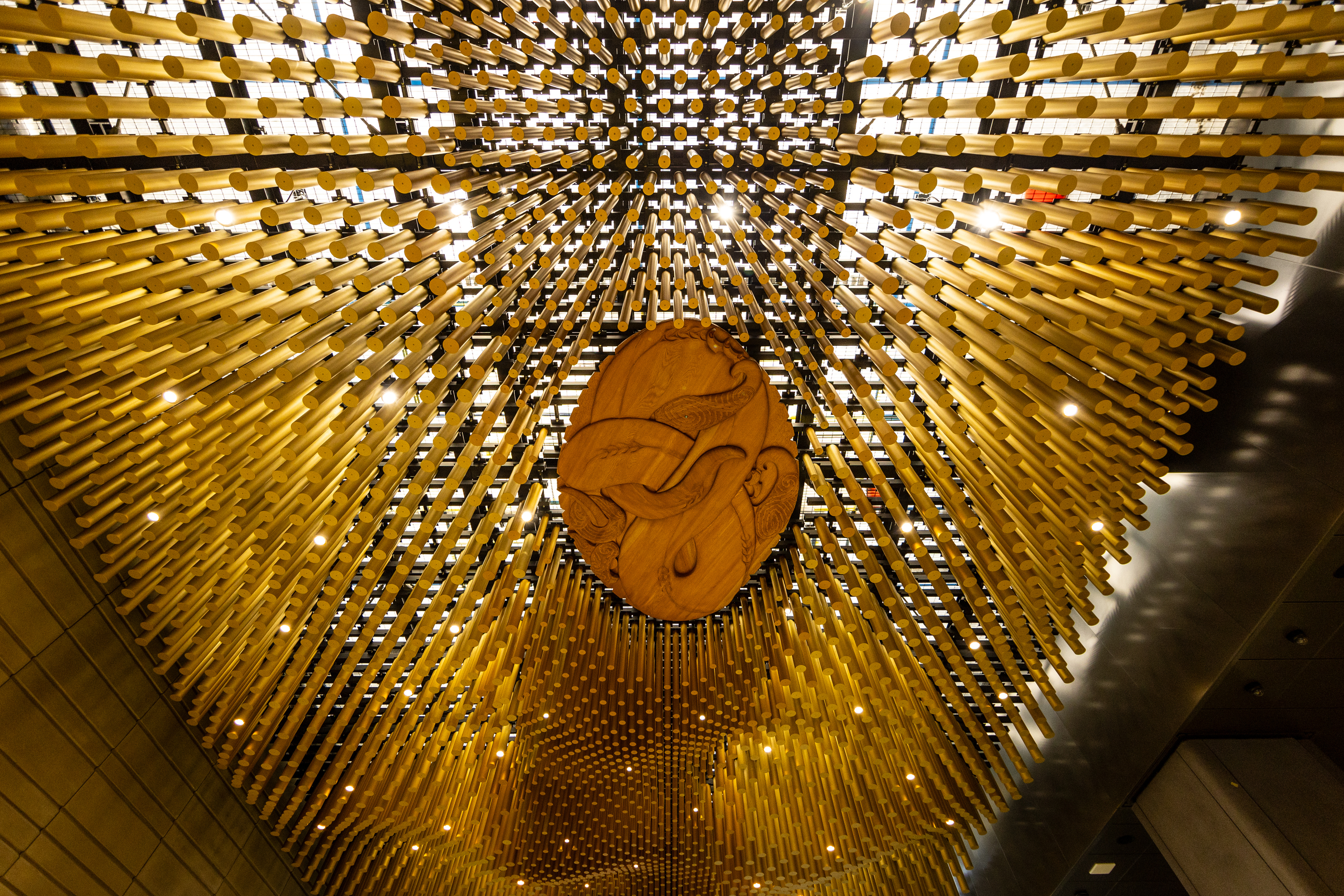
The ceiling of Te Waihorotiu Station’s Wellesley St entrance features more than 4000 suspended golden aluminium rods inspired by the reeds of the former Te Waihorotiu Stream, surrounding a central kauri carving representing the taniwha Horotiu.
Karanga-a-Hape Station features large sculptural kauri snails suspended from the ceiling, with the design drawing on the area’s history as a kauri forest.
Brown described the fittings and artworks as “very excessive”.
“There are ceilings in those. Nobody puts a ceiling in a supermarket. We don’t put curved walls inside supermarkets, just paint them black like anybody else does.
“It’s way too expensive and it took too long, if they hadn’t done that the rates would have not gone up so much.”
His criticisms echoed comments made earlier this year by former CRL chief executive Sean Sweeney who told the Herald the stations had been over-designed.
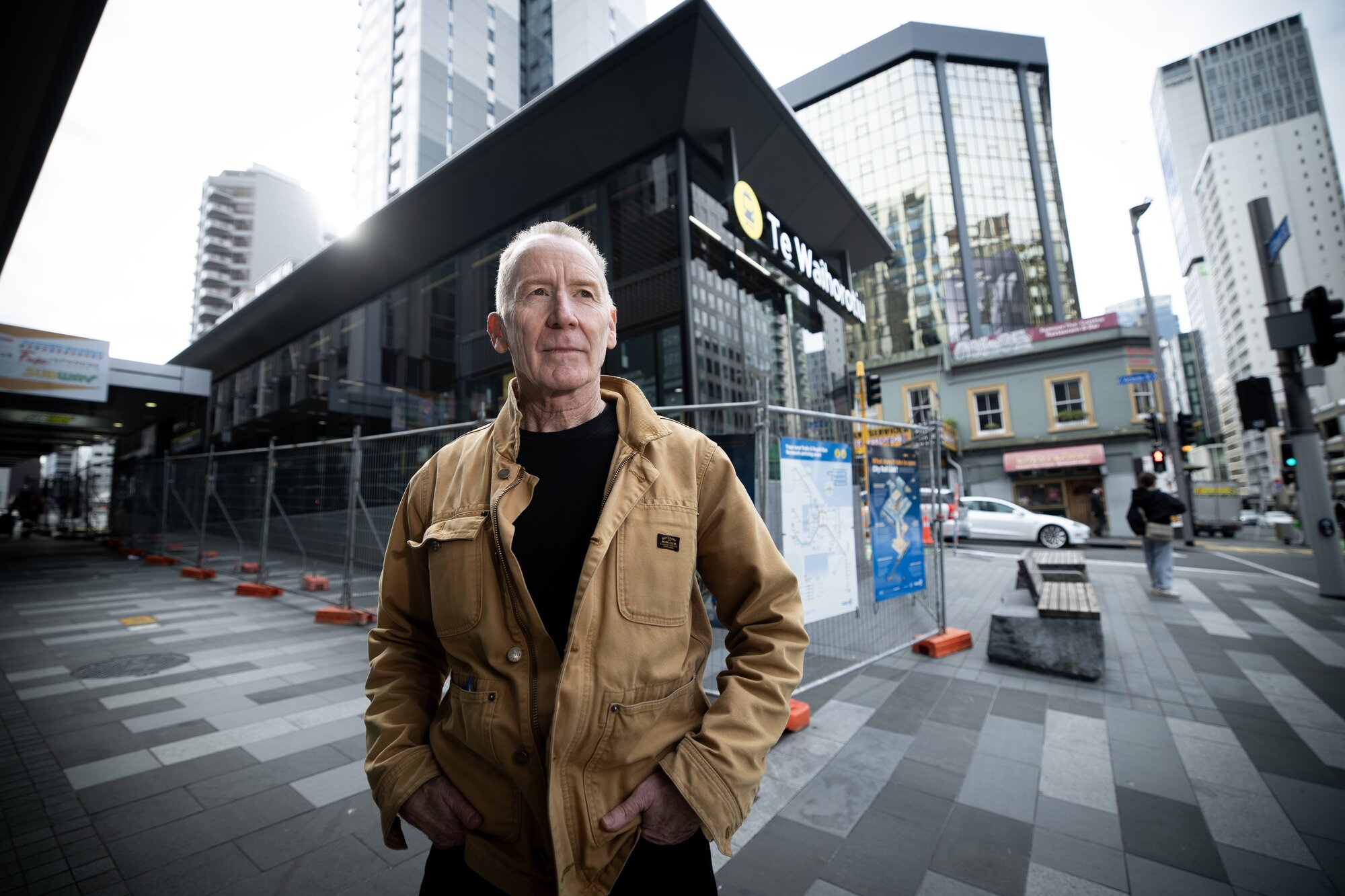
“I think we could have delivered this for half the cost, but it would have looked different,” Sweeney said.
“The stations would have looked quite industrial, and they would have been smaller, they wouldn’t have had anywhere near the extra facilities in them.”
‘Nothing but good’ from India deal
Brown also touched on Indian Prime Minister Narendra Modi’s whirlwind visit to Auckland this weekend, describing him as “a superstar”.
Although he said he missed meeting Modi because arrangements were “done so secretly”, he said stronger ties with India could only benefit Auckland.
“Nothing but good can come from that so I totally support what the Government are trying to do there,” he told Newstalk ZB.
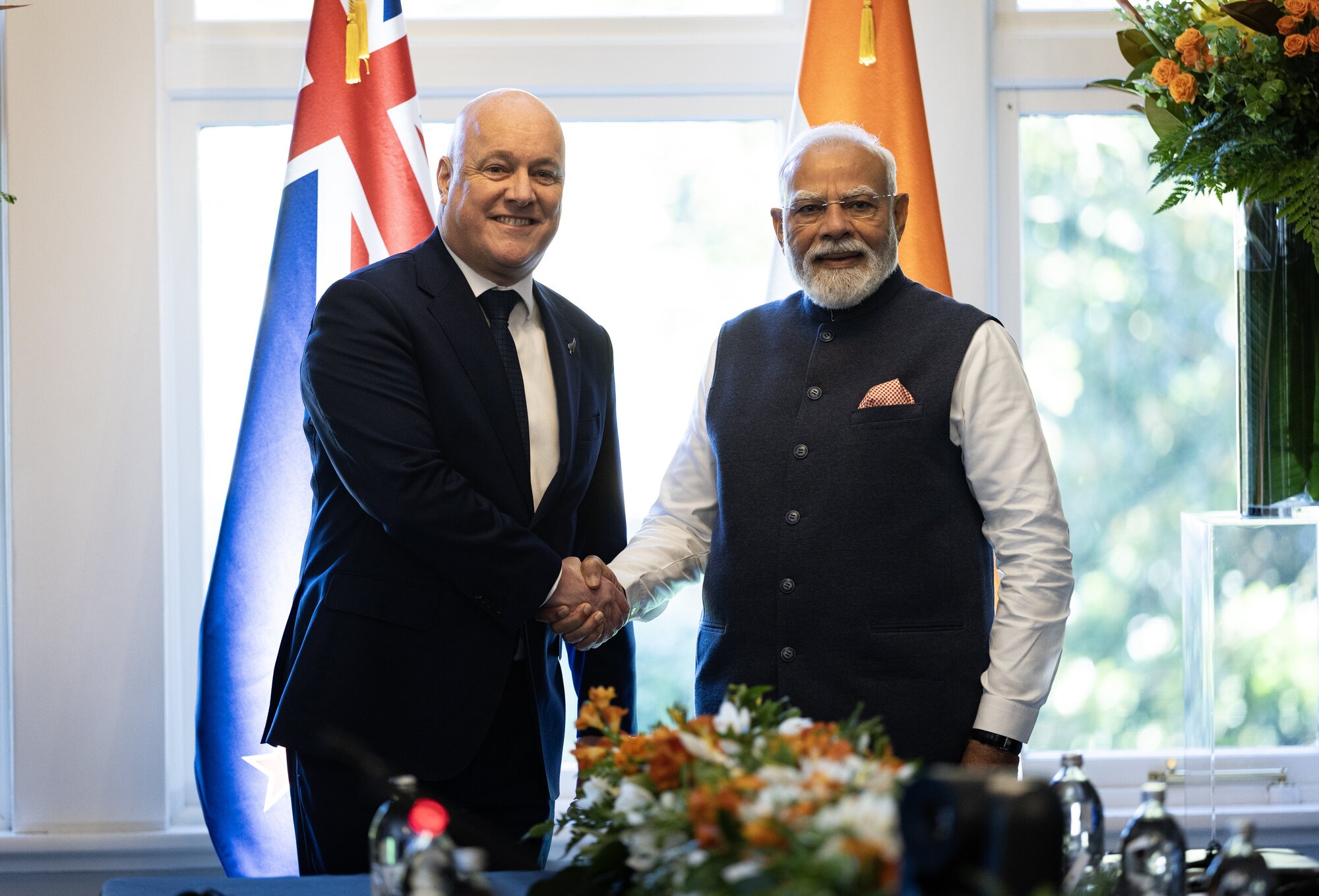
Brown said trade was increasingly driven by city-to-city relationships rather than national governments, pointing to Auckland’s links with Ahmedabad and Bengaluru.
“The Indians are the third biggest population in Auckland, good citizens,” he said.