Earthquake-prone review will consider scrapping New Building Standard ratings
A review will consider scrapping New Building Standard (NBS) ratings which engineers use to determine whether a property is earthquake-prone.
The ratings can be controversial because they are not an exact science. Engineers can have changing opinions on a building’s rating which can be the difference between financial disaster for property owners and carrying on with life as usual.
Anything less than 34% of the NBS is considered earthquake-prone. The building’s overall status is determined by its weakest part so even if just one small component is problematic, the entire building is considered earthquake-prone.
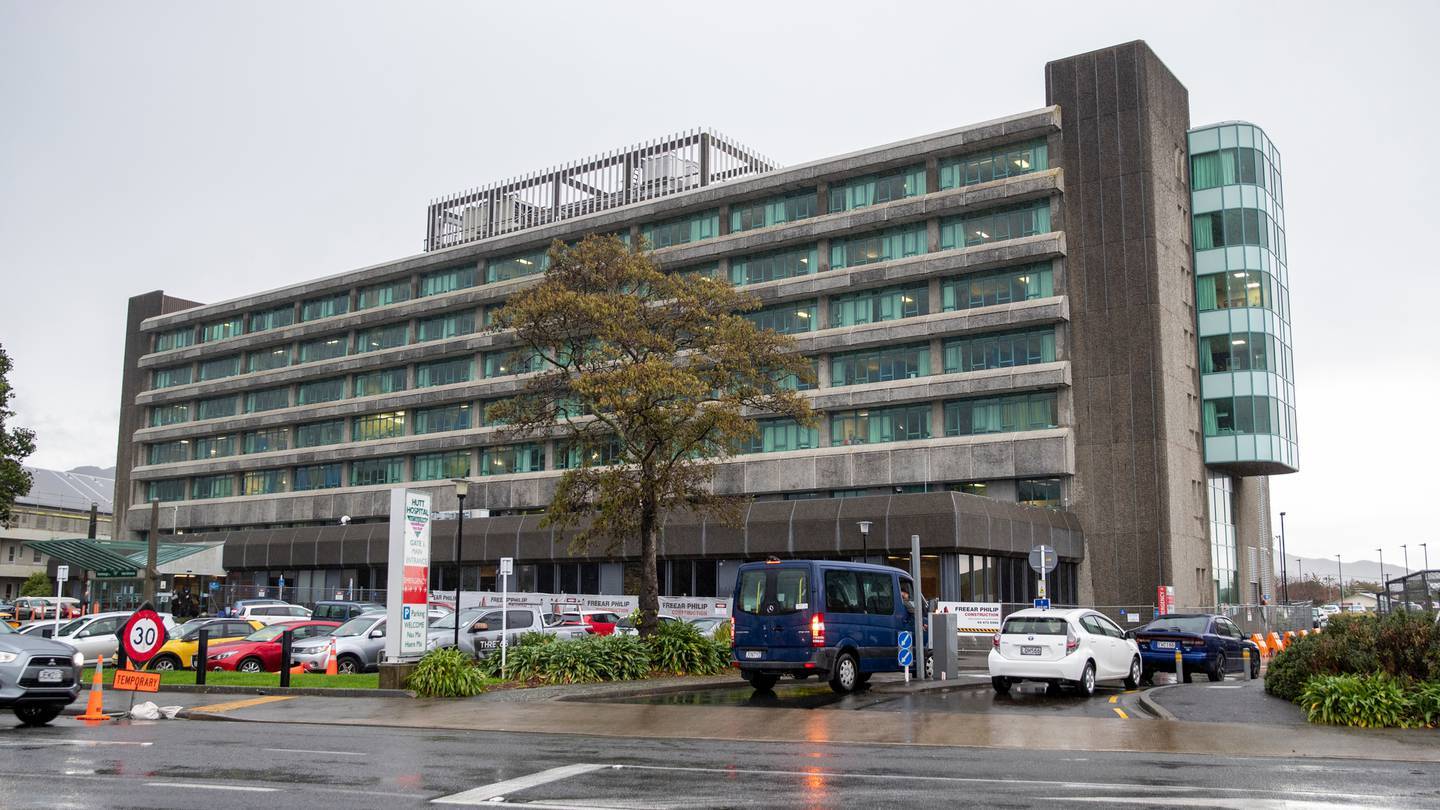
For example, in 2022, it was announced that the Heretaunga block at Hutt Hospital was earthquake-prone, with several structural and non-structural elements of concern, and patients and services would have to be moved out.
However, a peer review found only the external concrete cladding panels were earthquake-prone. Another assessment then suggested the panels could actually rate above the earthquake-prone threshold.
It was eventually decided the building was no longer earthquake-prone and hospital services and patients could remain.
Building and Construction Minister Chris Penk has released the terms of reference for a review of the earthquake-prone building system and announced it is under way as of today.
The review will look at questions including how seismic risk should be assessed and measured.
“What are possible alternatives to the percentage new building standard measure (%NBS), for example, a risk-based grading system accounting for consequence of building damage?”, the terms of reference said.
It will consider whether the current system is consistent in the way it identifies and assesses buildings.
“For example, % NBS assessments, territorial authority processes and practices. Where inconsistencies or unintended consequences are identified, what contributing factors may have influenced these outcomes?”
Penk said the system was not working as well as it could and many buildings were not being remediated.
“Many building owners are unable to meet deadlines due to high remediation costs and an excessive layering of regulations.
“The current system lacks clarity, and some owners are stuck in impossible situations, where they can’t move forward with the remediation but equally struggle to sell and move on with their lives.”
Earthquake-prone building strengthening deadlines have been extended by four years to provide some breathing space for owners while the review is undertaken.
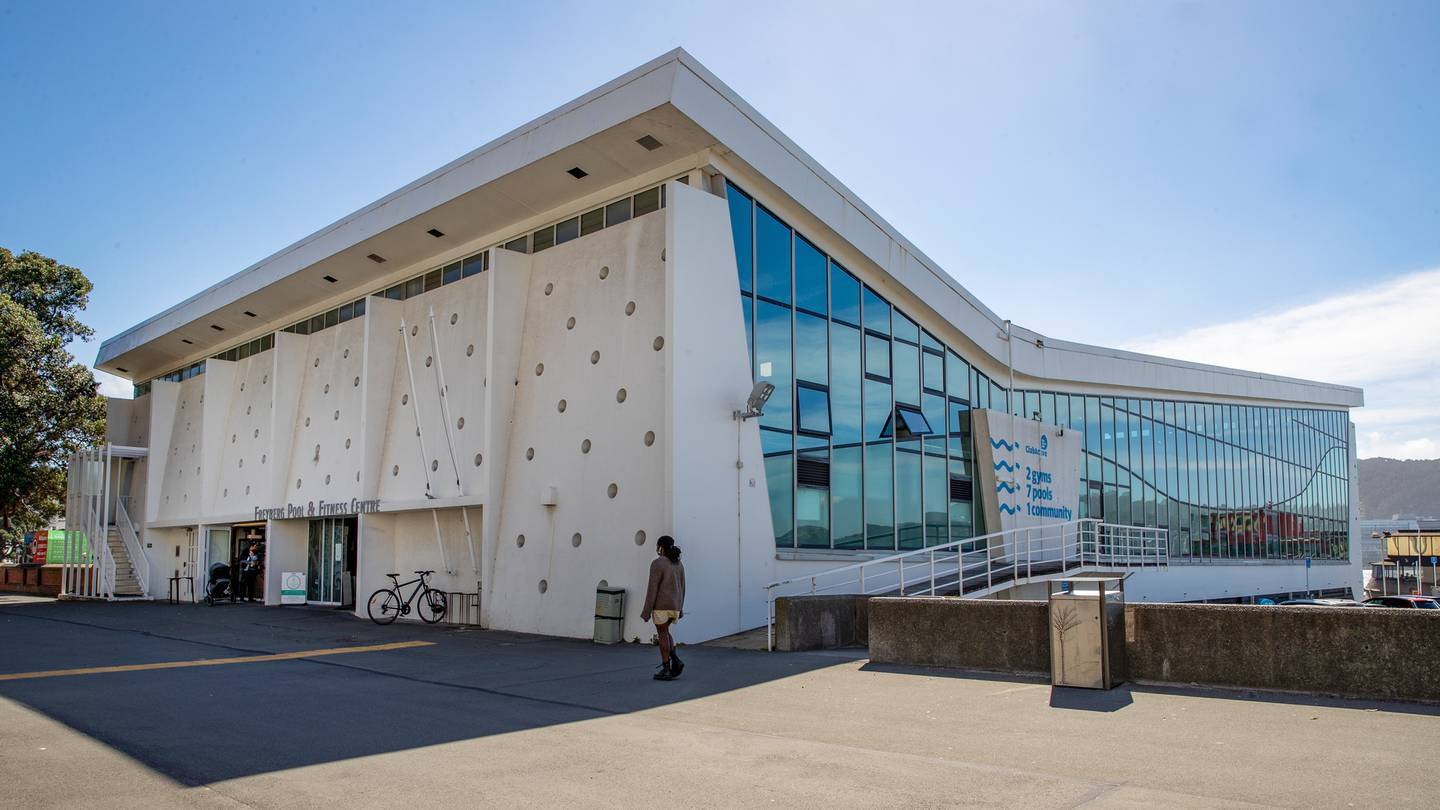
Another example of differing opinions when it comes to NBS ratings is Wellington’s Freyberg Pool.
When the earthquake status of the pool was on a knife edge, an engineer told the city council he would see if they could “eke” a bit more out to put the building in the clear. It turns out they could.
Despite an initial assessment finding the building was earthquake-prone, the pool was rated at 40% of the NBS after engineering consultancy firm Beca was brought in for a second opinion.
It’s not unusual for an NBS rating to change between an initial assessment and a final assessment.
Beca’s chief structural engineer Rob Jury has previously told the Herald that just because there were initially different opinions on the pool, it didn’t mean any of them were entirely wrong.
“It just means you’ve got to objectively take the results and put them together.”
Jury said it was easy for engineers to be very conservative because they had nothing to gain from being more liberal.
“The reality of it is we’ve got to be more realistic in the way we rate these buildings. We can’t be conservative, it just sends all the wrong mixed messages out there. If society really was worried about going into low-rating buildings, they wouldn’t be able to move.”
There was still a lot of uncertainty and NBS ratings were not an absolute thing, Jury said.
Earthquake-prone buildings can still survive earthquakes, while others don’t. For example, Statistics House, a relatively new building on Wellington’s waterfront, partially collapsed in the 2016 Kaikōura earthquake.
Jury said the focus was on prioritising buildings and getting the “bad ones” out of the way.
NBS ratings have become problematic for owners and tenants even when a building isn’t earthquake-prone.
The Ministry of Business Innovation and Employment’s initial evaluation of the earthquake-prone building system, published in 2021, revealed the market had come to expect higher NBS ratings than the minimum life safety standard required.
“Following the Kaikōura earthquake in 2016, there has been a significant shift in the public’s risk awareness and safety expectations, and standards set out by banks and insurers,” the report said.
Engineers have voiced concerns that some corporates were chasing ratings of 80% and 67%, which were well above the legal requirement of 34%.
Meanwhile, insurers have been saying for several years that the NBS is a life safety measure and not a measure of structural resilience.
“There may be additional structural resilience in a renovation to 80% of NBS, but it does not automatically translate into a lower risk from an insurer’s perspective”, the Insurance Council has said.
“The extensive review or earthquake-prone building rules will report back in the first half of 2025.”
Georgina Campbell is a Wellington-based reporter who has a particular interest in local government, transport, and seismic issues. She joined the Herald in 2019 after working as a broadcast journalist.