Female soldier feared she would be killed, Army grants accused colleague name suppression
A New Zealand soldier told her commanders she believed she would be killed after a colleague allegedly pursued her despite explicit orders to stay away.
The male soldier – called “XX” in New Zealand Defence Force (NZDF) documents – was the focus of a rapid armed police response in Palmerston North in January after a female soldier alleged a colleague was pursuing her and had armed himself with knives and petrol bombs.
Despite the manhunt, which ended when XX eventually surrendered, the soldier avoided police arrest and criminal charges.
Instead, he was released into the custody of the Army and was sent to what NZDF described as a “secure” military base. The Herald understands the soldier is in the care of NZDF, albeit not in custody.
The case against him is currently in the military justice system under which the soldier’s own commanding officer granted name suppression. The military order suppresses the man’s name, address, rank, trade, corps and Army unit. It also suppresses the woman’s equivalent identifying details.
The soldier’s commanding officer’s name was also suppressed.
NZDF’s documents show XX faces two military charges of disobeying a lawful command. The first order alleged to have been disobeyed was given on December 23 last year when he was told to stay away from the female soldier, called YY in Army documents. Then on Christmas Day the soldier was ordered to stay away from Palmerston North.
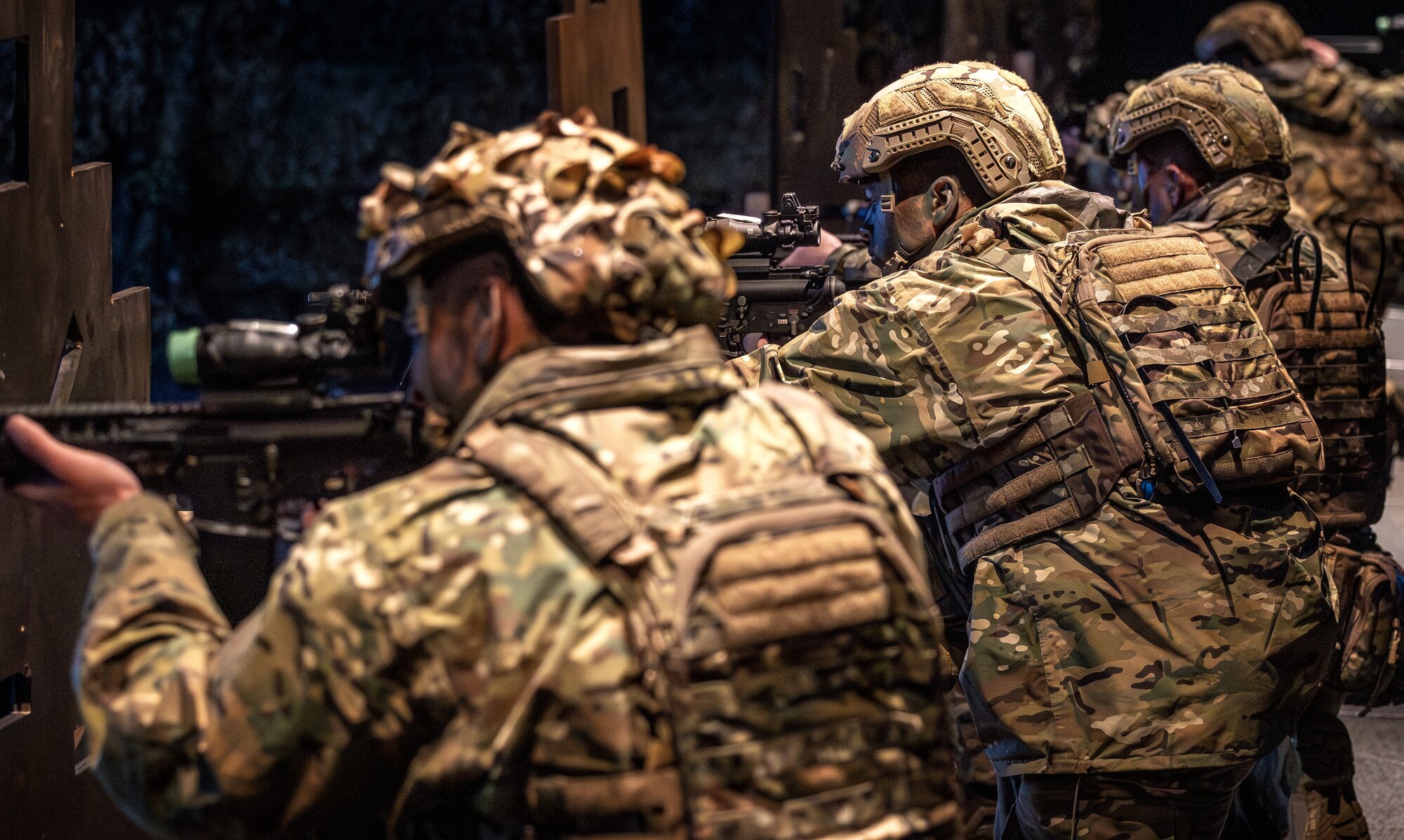
The Herald reported in January that armed police were called in response to the soldier’s arrival in Palmerston North and threats he had allegedly made about YY.
The five-hour police hunt was resolved after the Army connected XX with someone in service that he trusted and convinced him to hand himself into police. XX stayed in Palmerston North station overnight and was collected by the Army the next day.
NZDF takes Herald to court
Initial Herald efforts to report on the incident prompted the NZDF to seek a High Court injunction to stop any publication that would identify the man or his role in the Army.
In seeking an injunction, NZDF told the High Court that XX had previously “made a number of serious threats”, including about the female soldier, during a session with his NZDF psychologist.
The Herald’s publisher, NZME, challenged the suppression order cloaking XX’s identity, telling the court it did not seek to challenge YY’s suppression and would not publish her identity.
The case was set for a full hearing in late January but moved into the military justice system on January 16 when XX was charged under the Armed Forces Discipline Act.
The shift to the military justice process meant the soldier’s commanding officer had judicial authority and had imposed suppression orders, supplanting the High Court injunction.
In an interim suppression order in January, the commander said publication of the soldier’s identity could cause extreme hardship and endanger his safety. He said XX requested name suppression but had not yet received legal advice or had a medical assessment in relation to the charges.
XX’s commanding officer said it was also possible the case could lead to a court martial.
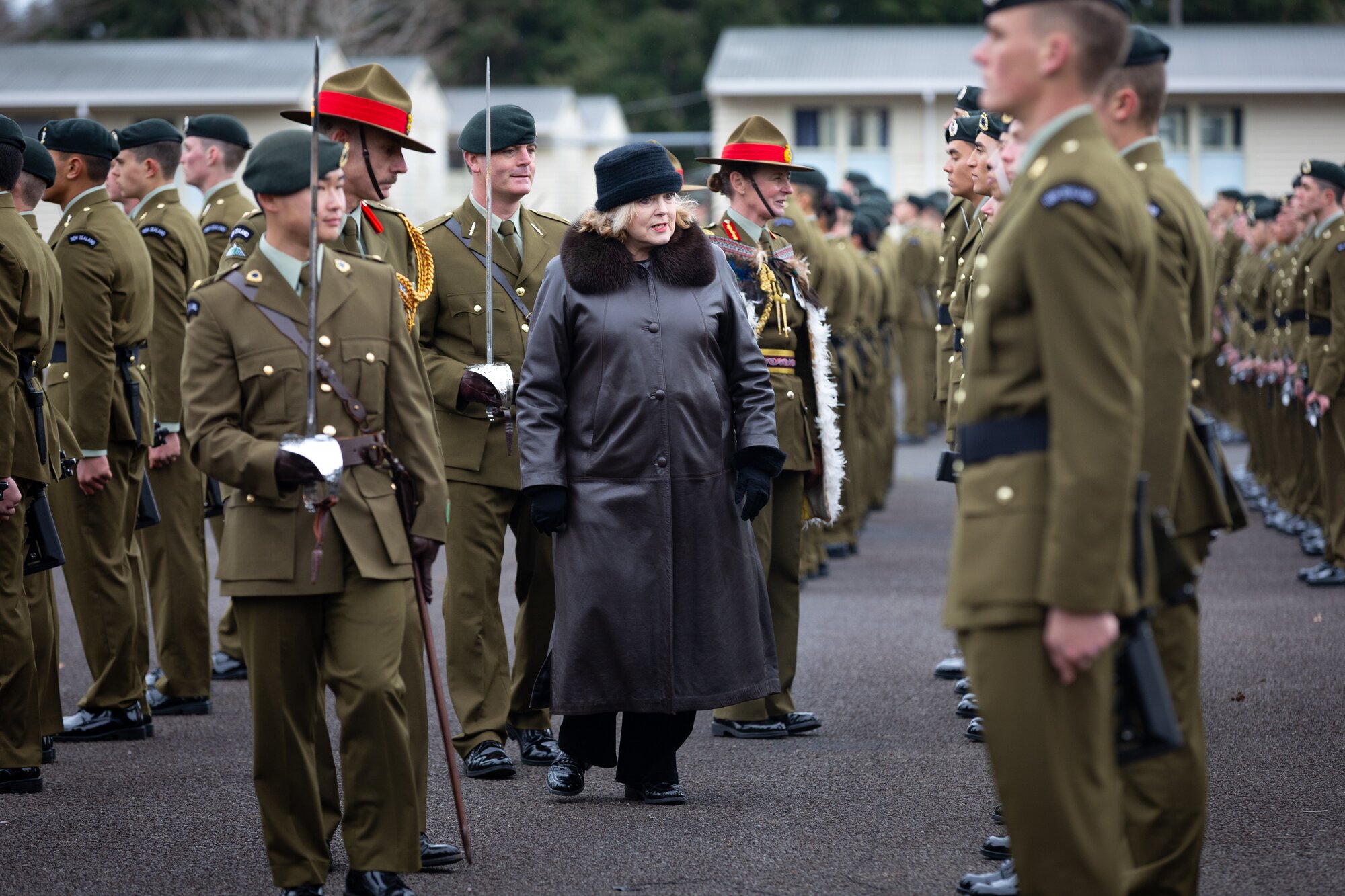
In the military justice system, alleged offending can be dealt with through a summary trial system, remanded to a court martial which operates like a court, or referred to civilian authorities such as police.
The summary trial system – where the case currently sits – has faced criticism from the Ministry of Defence – NZDF’s civilian oversight body – over whether commanders are sufficiently independent or equipped to handle serious, complex or sensitive cases.
Over the following months, XX’s case moved towards a full suppression hearing, where the Herald fought to publish further details about the accused.
New suppression order
In a decision on June 19, the soldier’s commanding officer said the identities of XX and YY would remain secret. That suppression would continue until XX’s charges were dealt with or until a court-martial varied or discharged the secrecy order.
The commanding officer’s ruling said the investigation into the soldier’s breach of orders had not been completed.
It also revealed the female soldier was still experiencing profound stress and anxiety beyond that normally experienced by people involved in such proceedings.
It said she was in a troubled psychological state because she believed there was an ongoing threat to her physical safety.
The documents showed the woman considered her life and the lives of others were at risk at the time of the alleged incident – and that she still considers herself to be at risk.
She believed XX’s name and rank should be suppressed but that his Army unit should be named.
It recorded her position as saying “mental health issues within the [suppressed Army unit] could have resulted in the death of her and others if the police had not intervened”.
NZME, in opposing the ongoing suppression, asked whether XX’s commanding officer was too close to the case to be impartial.
The commander, when releasing his decision, said “true independence” was not possible in the military justice system.
The Armed Forces Discipline Act made him both the soldier’s commander – requiring he be aware of wellbeing – while also being the officer responsible for decisions in the disciplinary process.
He said the law did not require the independence expected of a civilian judge, or even of military members sitting on a court-martial. Requiring that level of independence, he said, would undermine the military justice system’s need to be portable, quick and run by non-lawyers.
“True independence is not possible” in that military process, he said. “If it did, the armed forces disciplinary process could not function.”
A flawed system?
A 2019 review of the military justice system by the Ministry of Defence warned the summary trial process was not well suited to serious, complex or sensitive cases.
The review found the system worked best for mid-level disciplinary offences, such as disobeying a lawful command, drunkenness or avoiding duty.
But it said it was ill-suited for serious problems including violence, sexual offending or other sensitive conduct.
In those cases, the review said the process was not sufficiently fair to either the victim or the accused. It said the reasons for that were that summary trial processes are run by military personnel inside the command system, not by independent judges.
While those involved might be well-intentioned and professional, it said they were not necessarily independent or legally specialised.
The review said serious matters required safeguards beyond those available in ordinary command-led discipline.
The review identified impartiality as a recurring concern because the disciplinary officer was in the accused’s chain of command.
It said the command structure can create risks of bias or perceived unfairness, even where officers act in good faith.
The review also highlighted a major limitation in legal representation because lawyers were not allowed at a summary trial. The accused is instead assigned a “defending officer”, usually another military member, which had an impact in serious cases.
Area’s top cop takes control
The Herald has learned the January operation to find the soldier was overseen by the Manawatū district’s most senior officer on duty at the time.
Detective Inspector Craig Sheridan said the area district commander – Superintendent Dion Bennett – “took control of this incident”.
“However, this was purely a matter of timing. Given the time of day, other senior officers of appropriate rank had finished their shift for the day and gone home, and the district commander was still at work.”
Documents released through the Official Information Act show that the police and NZDF media teams shared statements and offered suggestions to each other during Herald inquiries.
The Herald had put detailed questions to police and NZDF after being told the Army member was highly agitated and that police had been warned of threats to kill and to burn a house or houses. The Herald also asked whether weapons or incendiary devices had been recovered, whether anyone had been hurt, whether charges would be laid, and whether NZDF had made representations to police about possible charges.
Police said no weapons or homemade bombs had been recovered but refused to release most other information relating to the incident, citing grounds including prejudice to the prevention, investigation and detection of offences, and fair trial rights.
The case also brought in Judith Collins as Minister of Defence, with an email sent the evening after the incident telling her that YY was in hiding and feared for her life.
The email to Collins alleged a pattern of unwanted attention and escalating conduct. It alleged NZDF had failed to take adequate steps to protect YY’s welfare and safety.
NZDF has said it does not accept that all of the claims in that email are accurate. At an early High Court hearing, a lawyer for NZDF said some information was not accurate, some may have been overstated, and some of the more serious matters were being looked into.
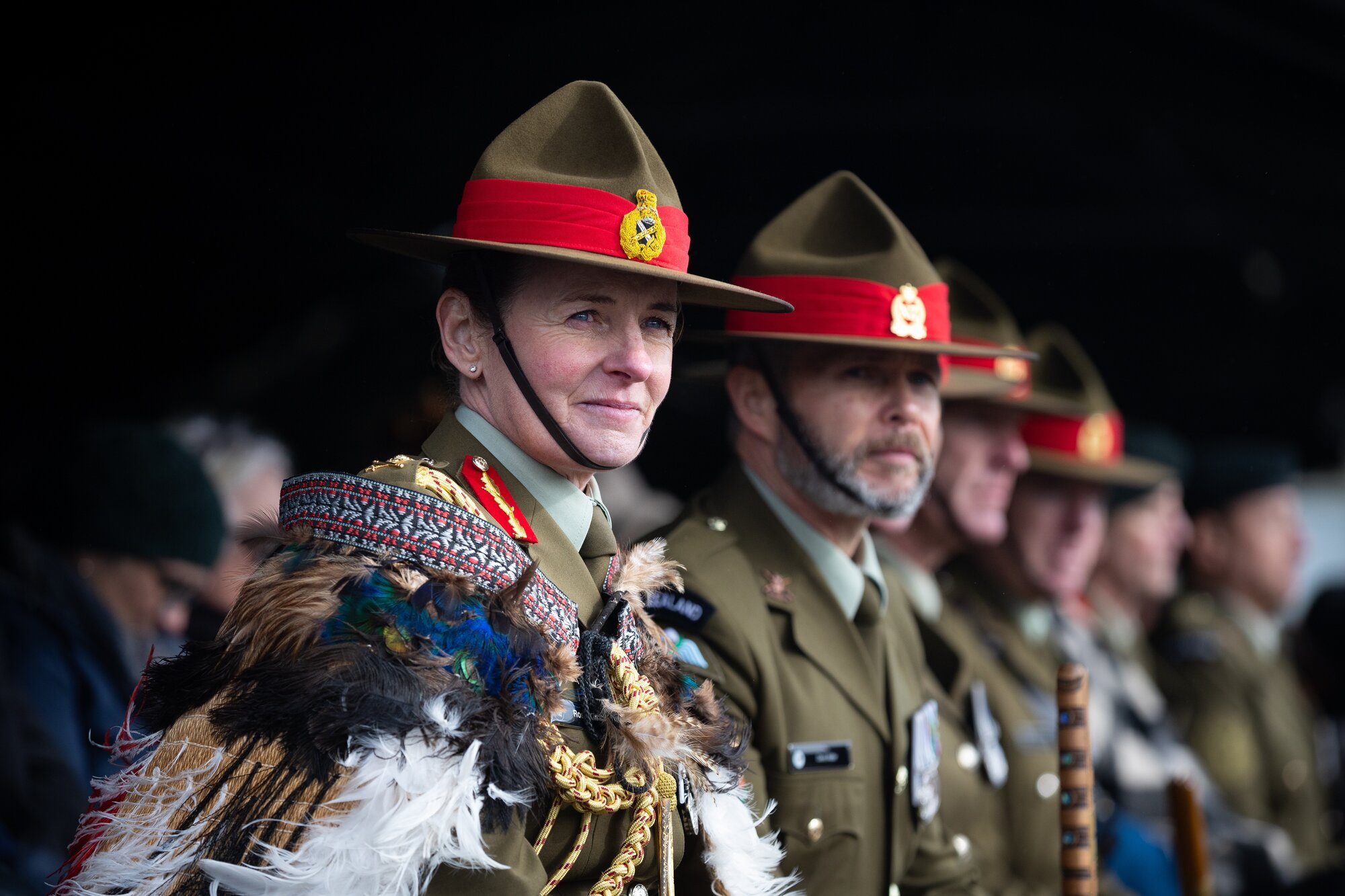
Herald inquiries also prompted Chief of Army Major General Rose King to disclose that the Army had already decided before the Palmerston North incident that a “command investigation” was warranted, to be carried out by a senior lawyer.
In January, she told the Herald it had yet to begin but would proceed and include the Palmerston North incident in its scope.
David Fisher is based in Northland and has worked as a journalist for more than 30 years, winning multiple journalism awards including being twice named Reporter of the Year and being selected as one of a small number of Wolfson Press Fellows to Wolfson College, Cambridge. He joined the Herald in 2004.
Sign up to The Daily H, a free newsletter curated by our editors and delivered straight to your inbox every weekday.