Gift of life: Mother and sister donate kidneys to save son and brother
Elliott Goldfinch’s kidneys gave up before he did.
He was 11 when his mother, Charmayne, gave him one of hers. Twelve years later, when that kidney had reached the end of its working life, his sister, Sapphire, gave him one of hers.
Between them, they’ve given Elliott, now 24, two chances at an ordinary life — a gift that, as it turns out, is the most extraordinary of all.
Mention the word heroic, and the pair shrug it off.
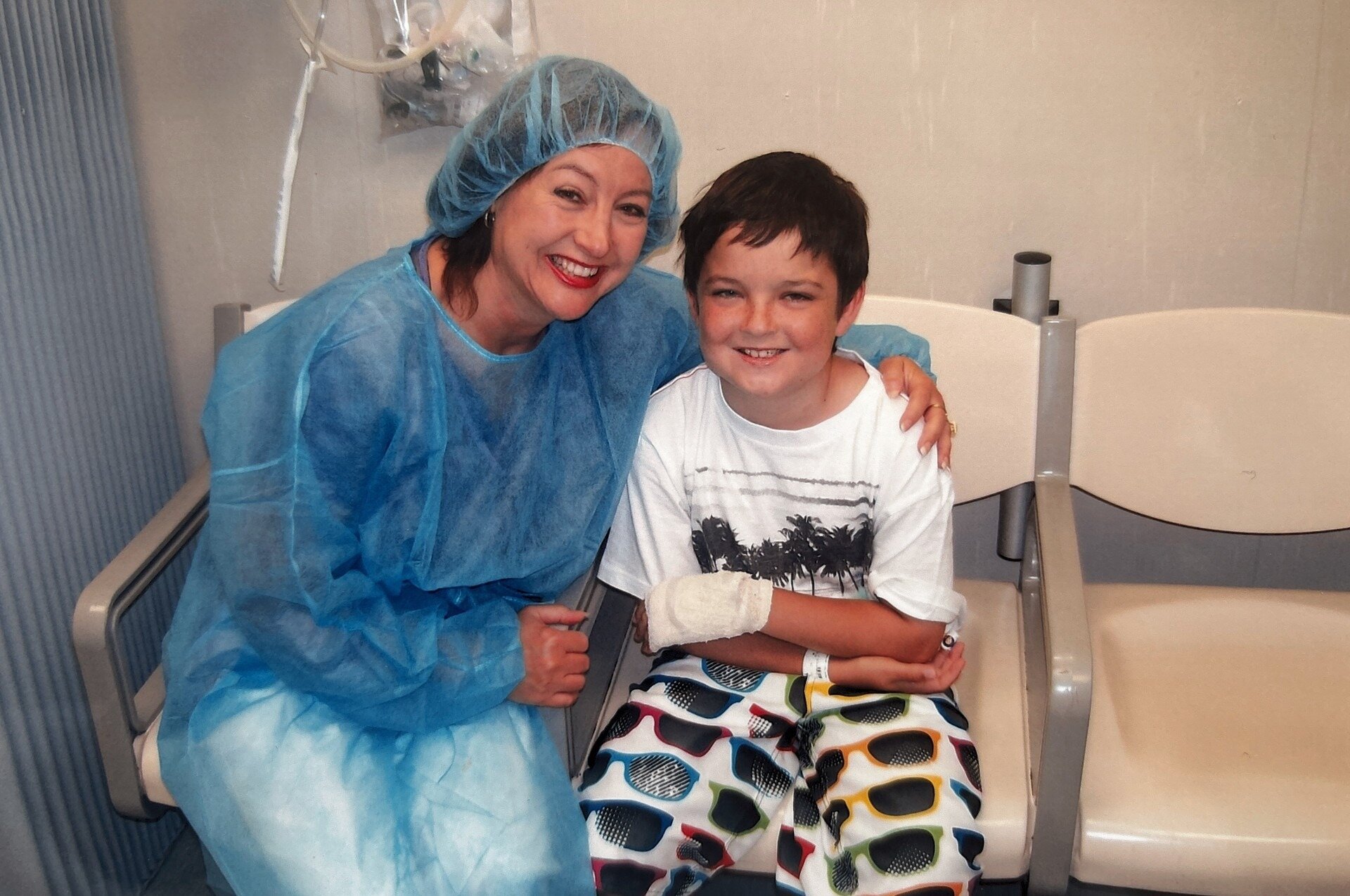
But ask the women who each gave away a kidney why they did it, the answers are practical.
“What else were we going to do? We were blessed to be able to do this for him. It was the only option,” they said.
Then there were the years in between. Waiting. Worrying. Hospitals. Blood tests. Dialysis.
Elliott, the youngest of four, was a bubbly, boisterous boy who loved skateboarding, hockey and hanging out with his mates.
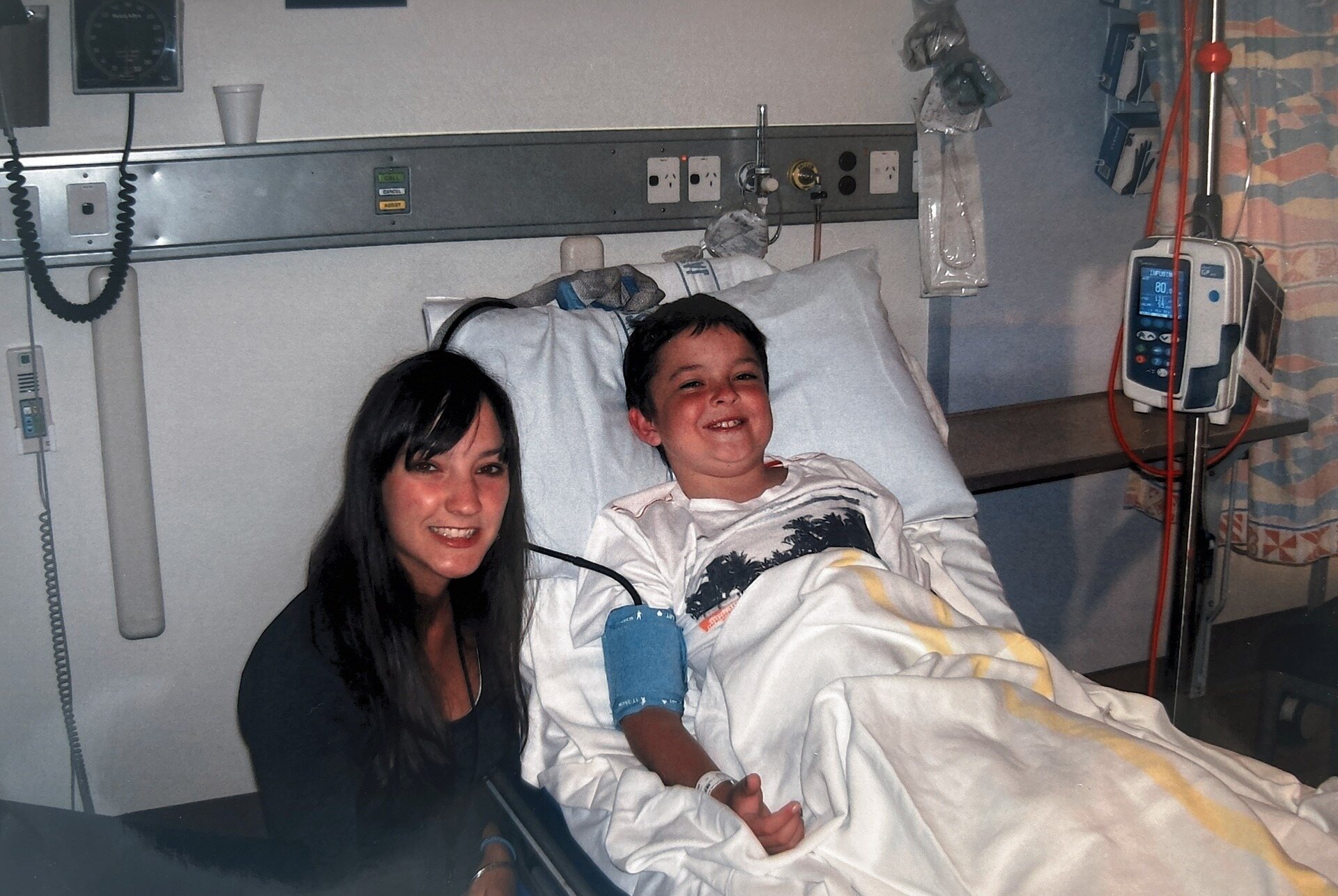
Then an aunt remarked on how pale and yellow he looked. Charmayne thought her son might be low in iron and took him to the doctor for blood tests.
“The doctor said the results were pretty impressive — and not in a good way. He was in complete renal failure. We had to go to hospital straight away," Charmayne said.
Tests showed Elliott had Nephronophthisis. The diagnosis came as a surprise. There was no family history of the disease that they knew of.
Elliott changed his diet and started on medication, but his health deteriorated rapidly.

His nephrologist suggested a kidney transplant.
“The higher the creatinine level in your blood, the sicker you are because your kidneys aren’t filtering waste properly. I thought, ‘This is my son - I’ll volunteer mine’. Luckily, I was compatible; I didn’t think about it needing to be done. There is nothing my husband Brian and I wouldn’t do for our son.”
Charmayne says she spent months undergoing blood tests, CT scans and ECGs to establish which kidney would be the best match for transplant.
The pair relocated from Palmerston North to Auckland, where Elliott spent about four months in Starship Hospital. His mother recovered from her own surgery just minutes away at Ronald McDonald House.
“I won’t sugarcoat it, I felt lousy after the operation. But I didn’t feel any different; you only need one kidney,” Charmayne said.
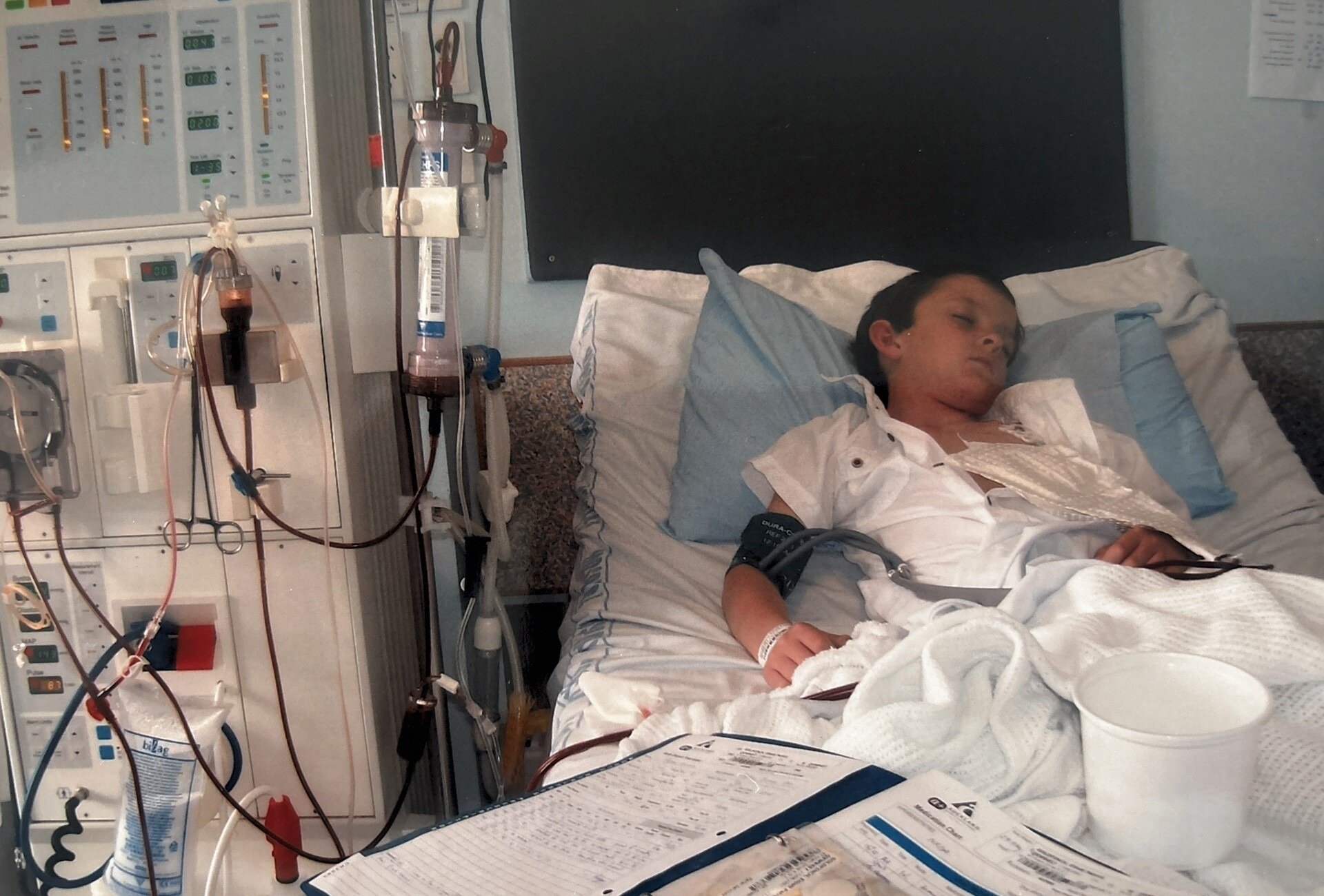
Before Elliott received his first kidney, his world revolved around exhaustion, blood tests and painful haemodialysis sessions.
That was August 2012. Within three months, Elliott had a new kidney.
His first kidney transplant itself was life-changing, but the road back wasn’t easy.
He said recovery was “rough”, yet he never faced it alone.
Family and friends rallied around him, while classmates at Tiritea Primary School filled his days with cards and letters of support.
“It was amazing mum gave me her kidney; there was never any hesitation. I am so thankful,” Elliott said.
With his health restored, Elliott started intermediate school and was able to be “a normal kid” again.
Charmayne says it took almost two years of check-ups at Auckland’s Starship Hospital, tweaking medications and waiting for his body—and the rest of him—to adjust to the new organ.
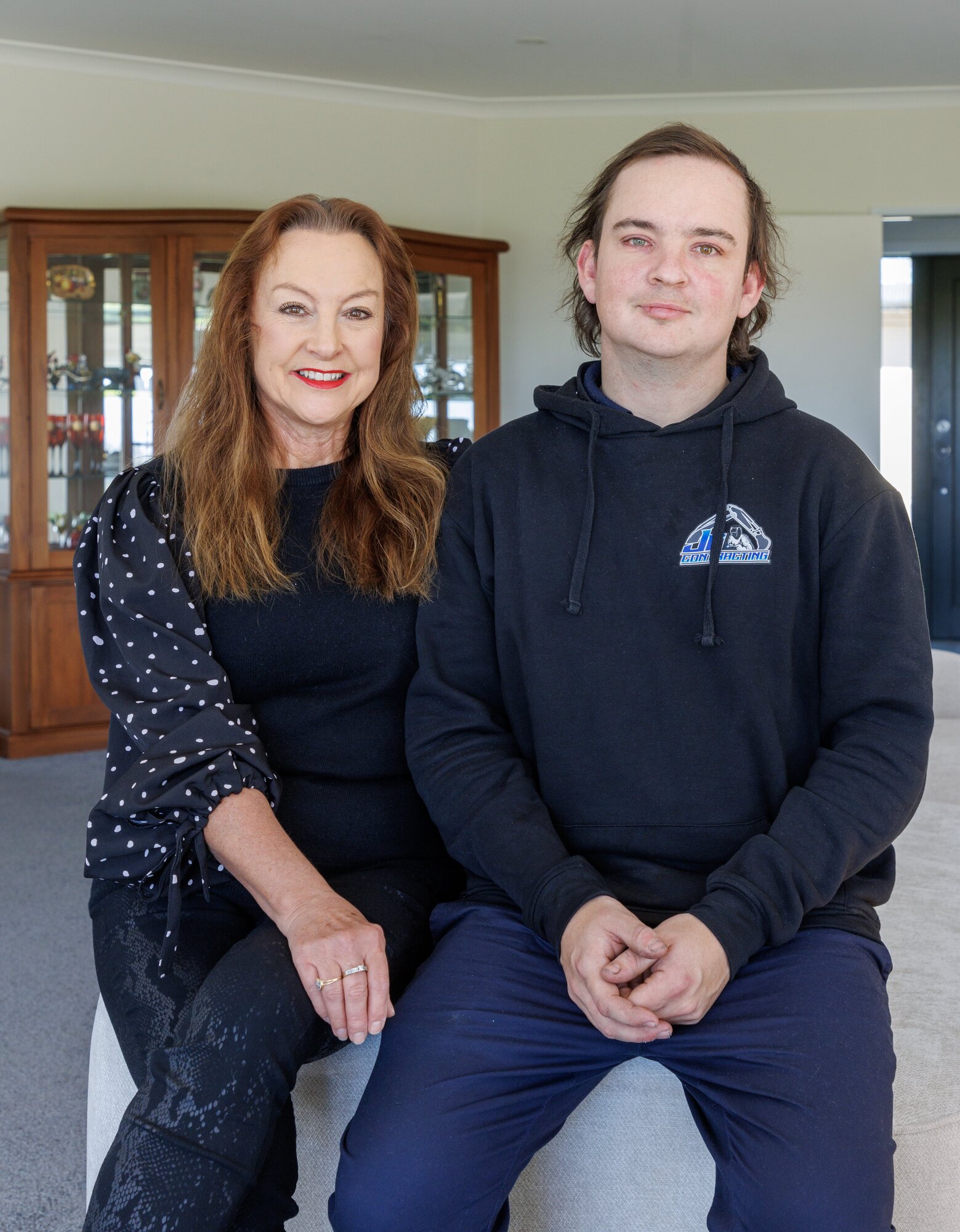
It lasted just over a decade before it began to fail.
Elliott was working as a welder-fabricator and living at home in Palmerston North when he began peritoneal dialysis, a treatment he had to learn to manage himself.
“It wasn’t easy,” he said.
“I’d go to work, come home and sleep. Mum would wake me up for dinner. Then it was a shower, nine hours hooked up to the dialysis machine, a few hours’ sleep, and back to work. Eat. Sleep. Repeat.”
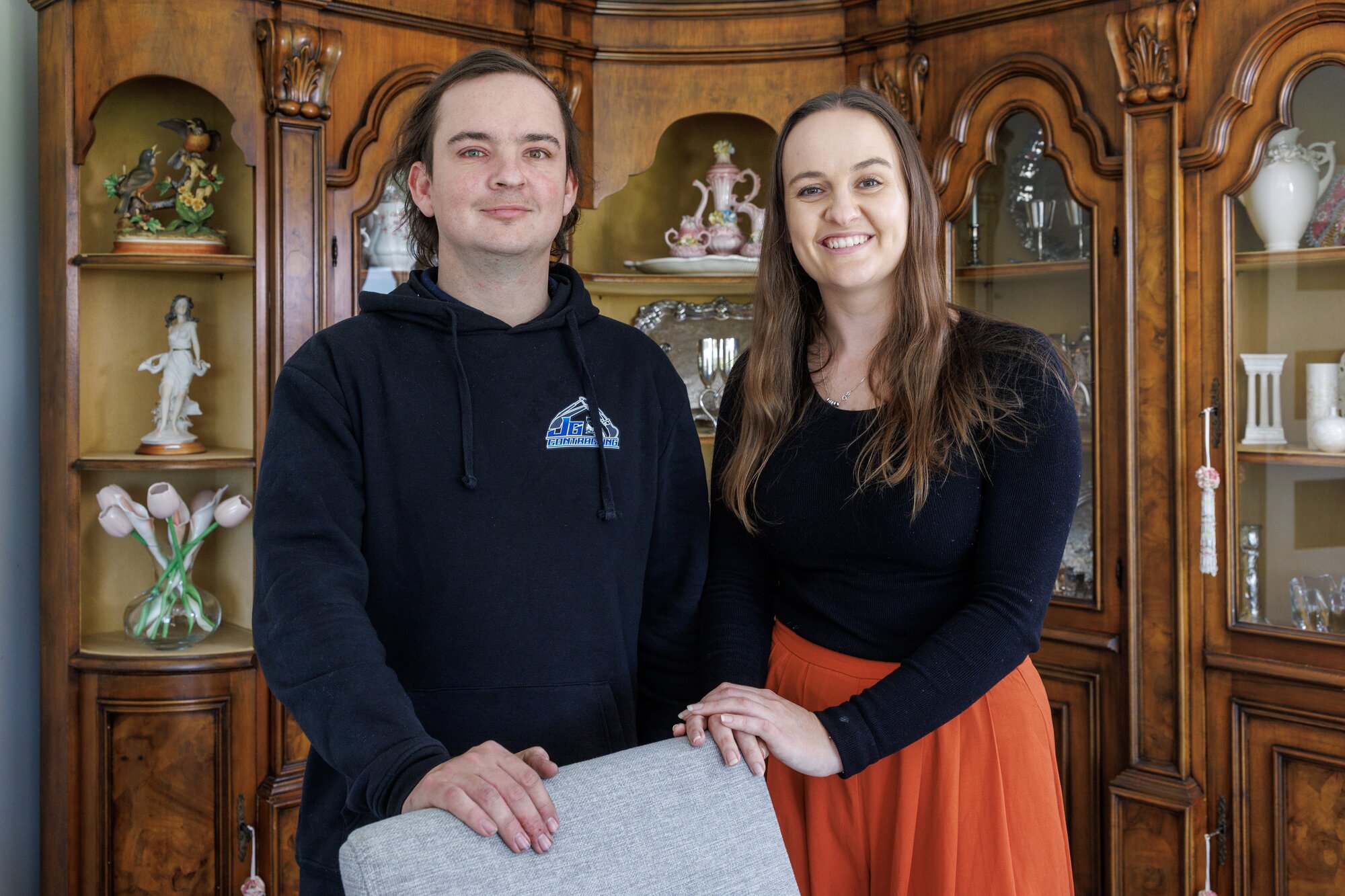
After spending half his life battling illness, Elliott is now making up for lost time thanks to the extraordinary gift of a second kidney from his sister, Sapphire.
Sapphire says she wanted to offer her brother a kidney when she was 14. Her parents thought she was too young.
“Elliott is quiet, courageous and intelligent. He was always cheeky. When he got ill, he became reserved, struggled to make decisions and lost his spark,” she said.
“He looked so small and pale. It was literally like watching someone die in slow motion.
“I told mum I wanted to donate my kidney. She said, ‘That’s not a good idea’. I said, ‘Well, I’m doing it anyway,’ and contacted the renal team at Wellington Hospital.”
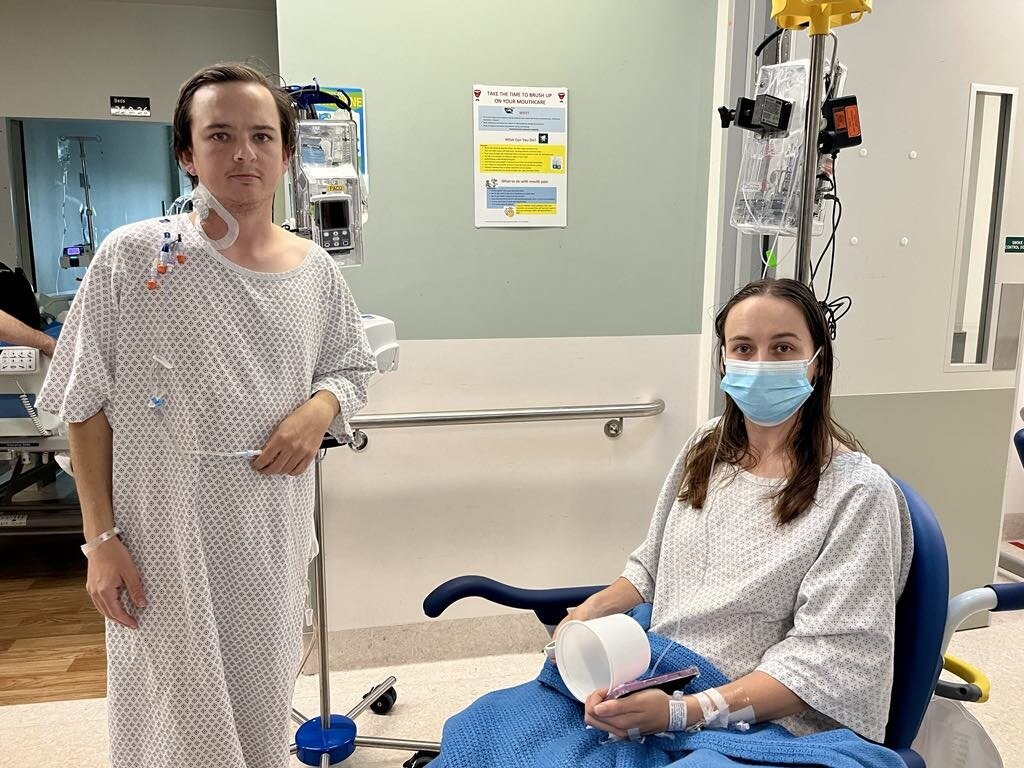
Her two older sisters, Chelsea and Ariella, weren’t a match for Elliott. So, last year, when Sapphire was 28, she put up her hand.
Elliott had his own reservations; he didn’t want Sapphire to get sick or for anything to go wrong during the transplant.
That made Sapphire more determined.
However, a pre-existing condition made Sapphire’s donation more complex. Scans revealed an abnormal central venous artery running behind her spine, adding another layer of risk to the procedure. Surgeons were also reluctant to proceed.
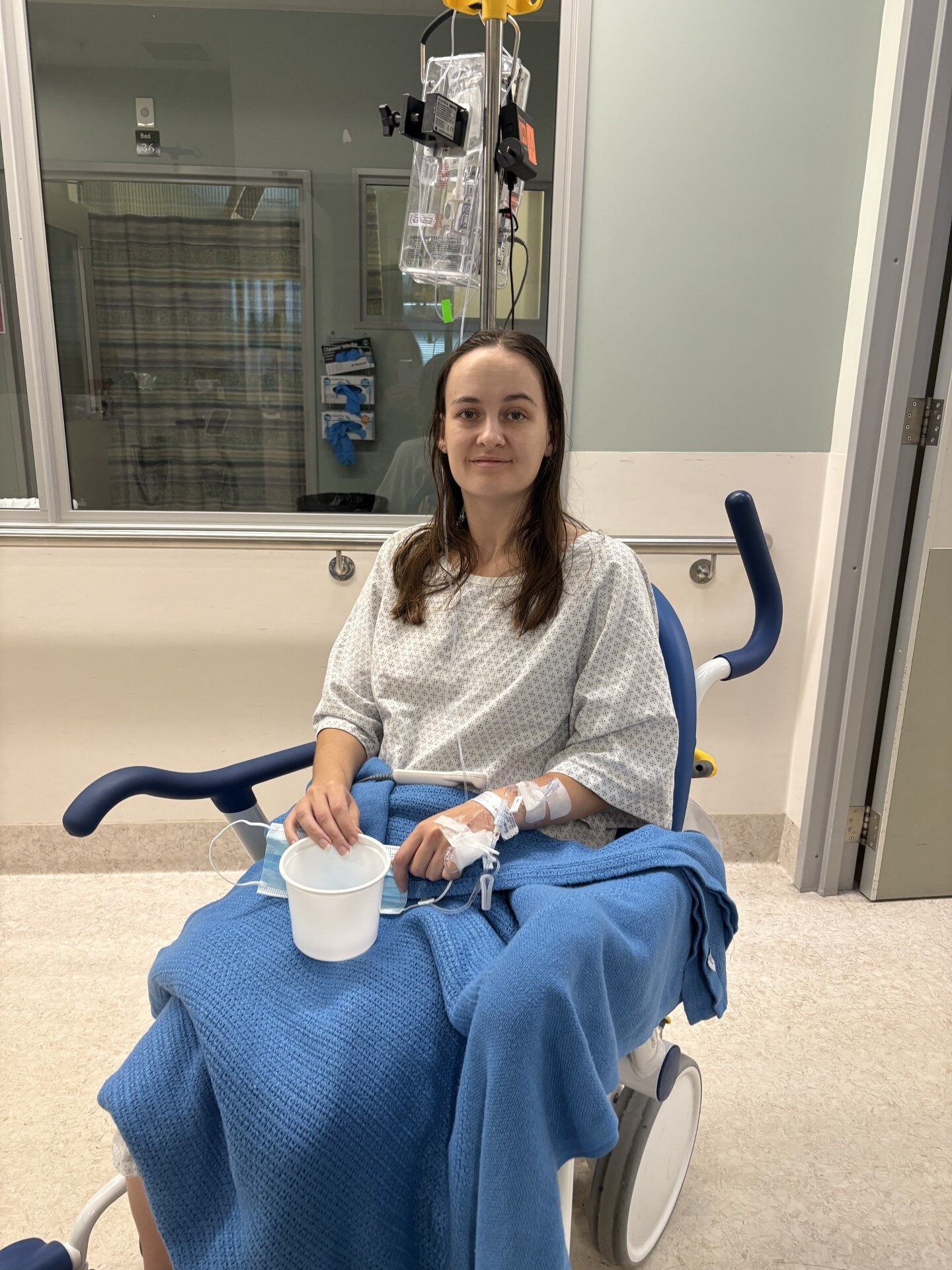
But after 18 months of testing, she was approved as a donor.
Elliott received his second kidney transplant on April 2 last year.
“I didn’t care what it took. I just wanted my brother to be well again,” Sapphire said.
“The outcome for me didn’t matter. All I cared about was making sure Elliott’s body accepted my kidney. That was the goal.
“It was high stakes. There was a risk I could bleed out, but I said, ‘Too bad.’ I’d passed every other test, and my body was in perfect condition. Mum was terrified; she couldn’t bear the thought of losing two children. That would have been horrific.”
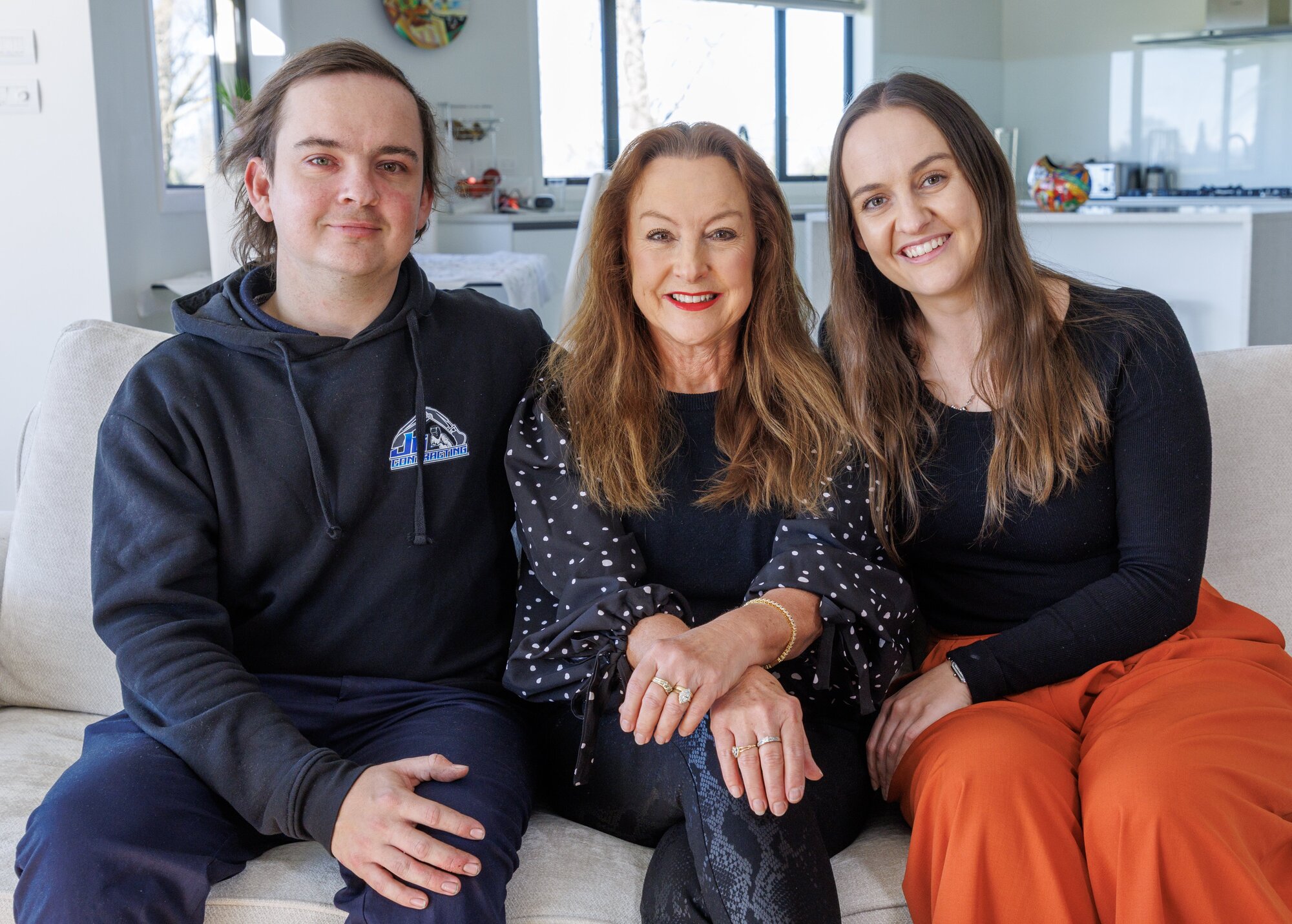
Throughout the 12-hour transplant, the Wellington surgeons liaised with the Auckland medical team every step of the way.
Sapphire says she woke up exhausted and in pain. Then came the post-operative blues. Like postnatal depression, she couldn’t stop crying.
But seeing her brother made her brave decision worth it, she said.
“It was emotional. He was sitting up in bed and looked way better than me. I looked at him and said: ‘We did it’.”
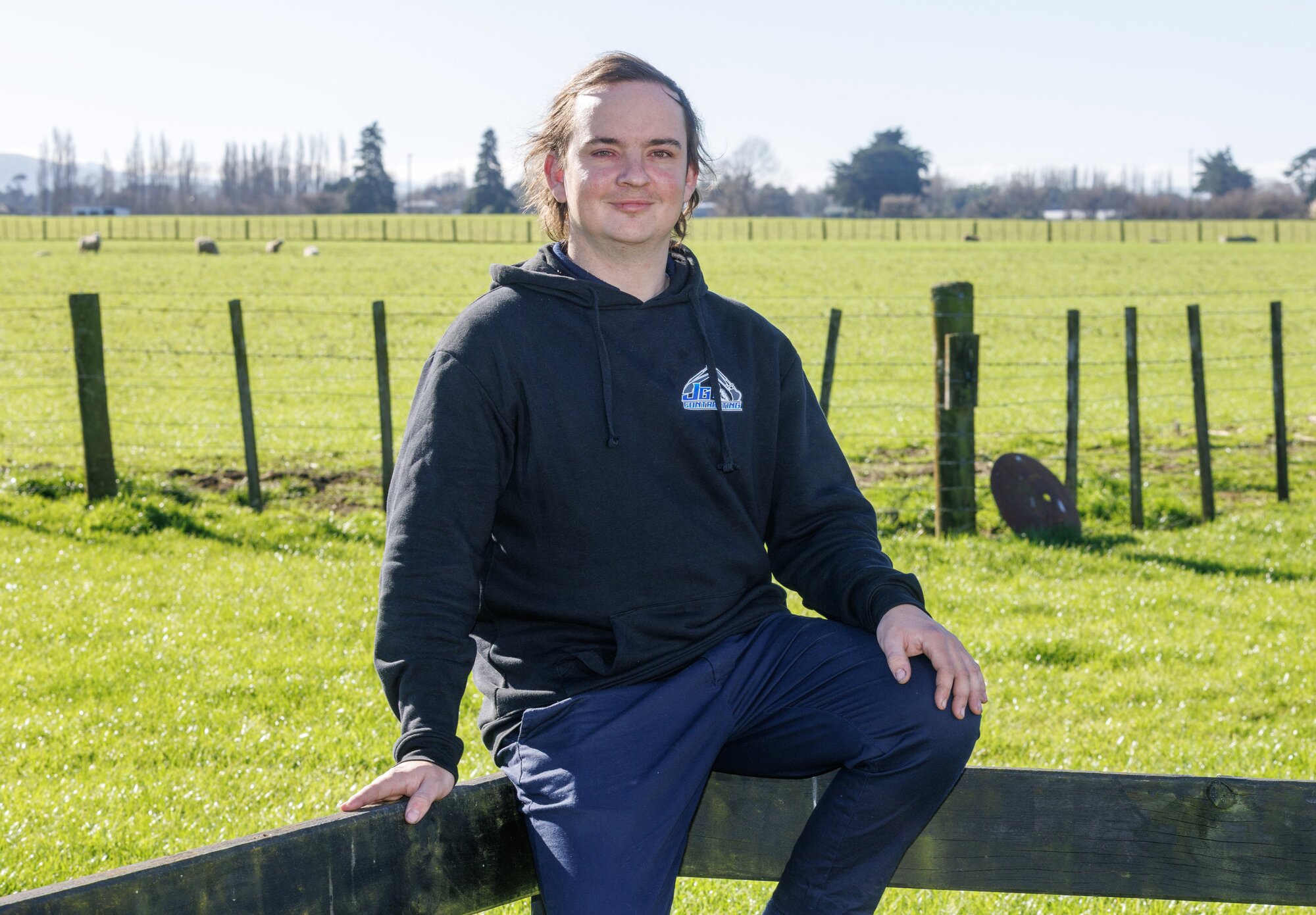
Elliott is making each day count. He has bought his own home, enjoys drifting, working on his Skyline car and learning to play the guitar.
“Sapphire and I have always been close; I appreciate her, and she knows that. Her kidney worked straight away, and now my life has changed massively because of her courage,” Elliott said.
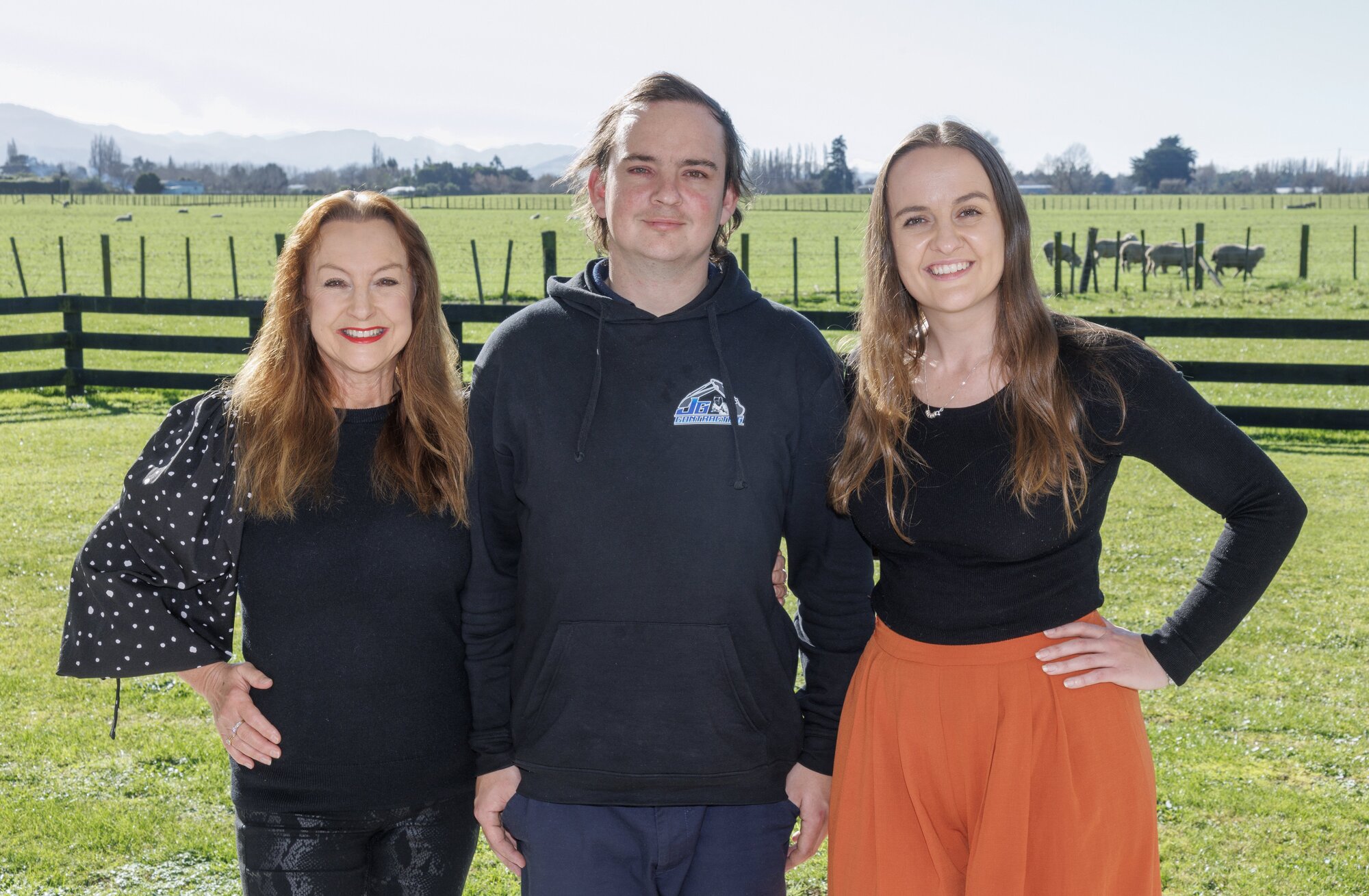
The Goldfinch family hope more New Zealanders will say yes to organ donation. It’s a simple decision, they say, but one that can save or improve life.
Organ Donation New Zealand team leader Sue Garland said in 2025 there were 176 kidney transplants from 129 donors: 76 living and 53 deceased.
Living donors can donate one kidney to one recipient, while deceased donors can donate one or both kidneys, potentially helping up to two people.
In 2025, deceased donors helped 96 people in need of a kidney transplant.
At any given time, around 500 New Zealanders are waiting for a kidney transplant, representing about 75% of the national organ transplant waitlist.
Elliott accepts there is a real possibility he will need another transplant one day.

There is no living donor lined up.
“I’m doing everything I can to make this one last for as long as possible,” he said.
“Right now, I’m living in the moment.”
Carolyne Meng-Yee is an Auckland-based investigative journalist who won Best Documentary at the Voyager Media Awards. She worked for the Herald on Sunday from 2007-2011 and rejoined the Herald in 2016 after working as an award-winning current affairs producer at TVNZ’s 60 Minutes, 20/20 and Sunday.