Greyhound racing: Secret charter plane could take 70 dogs to race in Australia
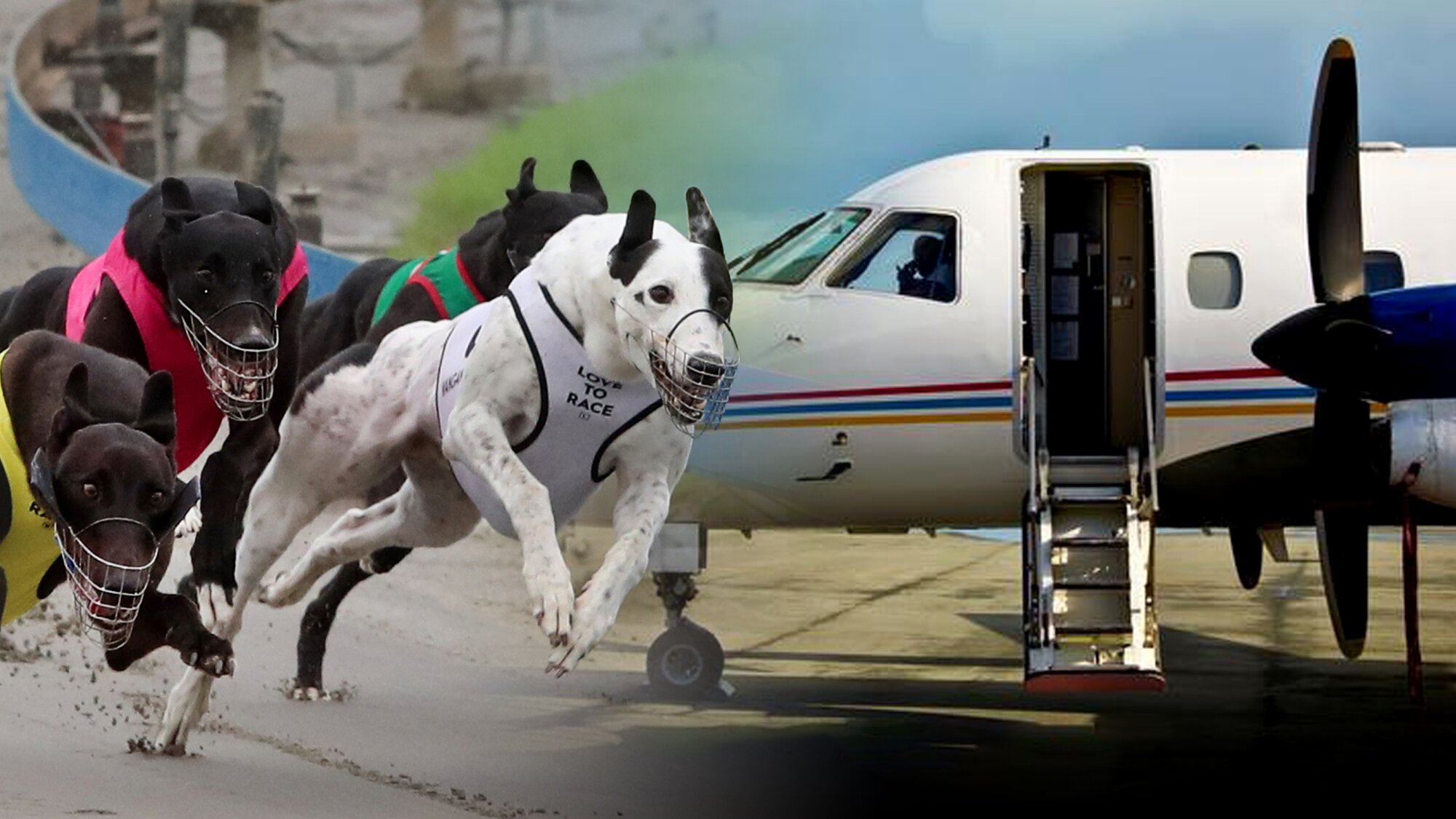
A charter plane is being “covertly” arranged to send 70 greyhounds to Australia to continue breeding and racing as the deadline for shutting the New Zealand industry looms.
Information about the flight was sent by Greyhound Racing New Zealand (GRNZ) to trainers and owners on a private Facebook group in a message urging them “please keep this information confidential”.
The message, obtained by the Herald, starts with the heading “come fly with me” and asks industry participants to register their interest in an early August charter flight from Christchurch to Queensland, Australia.
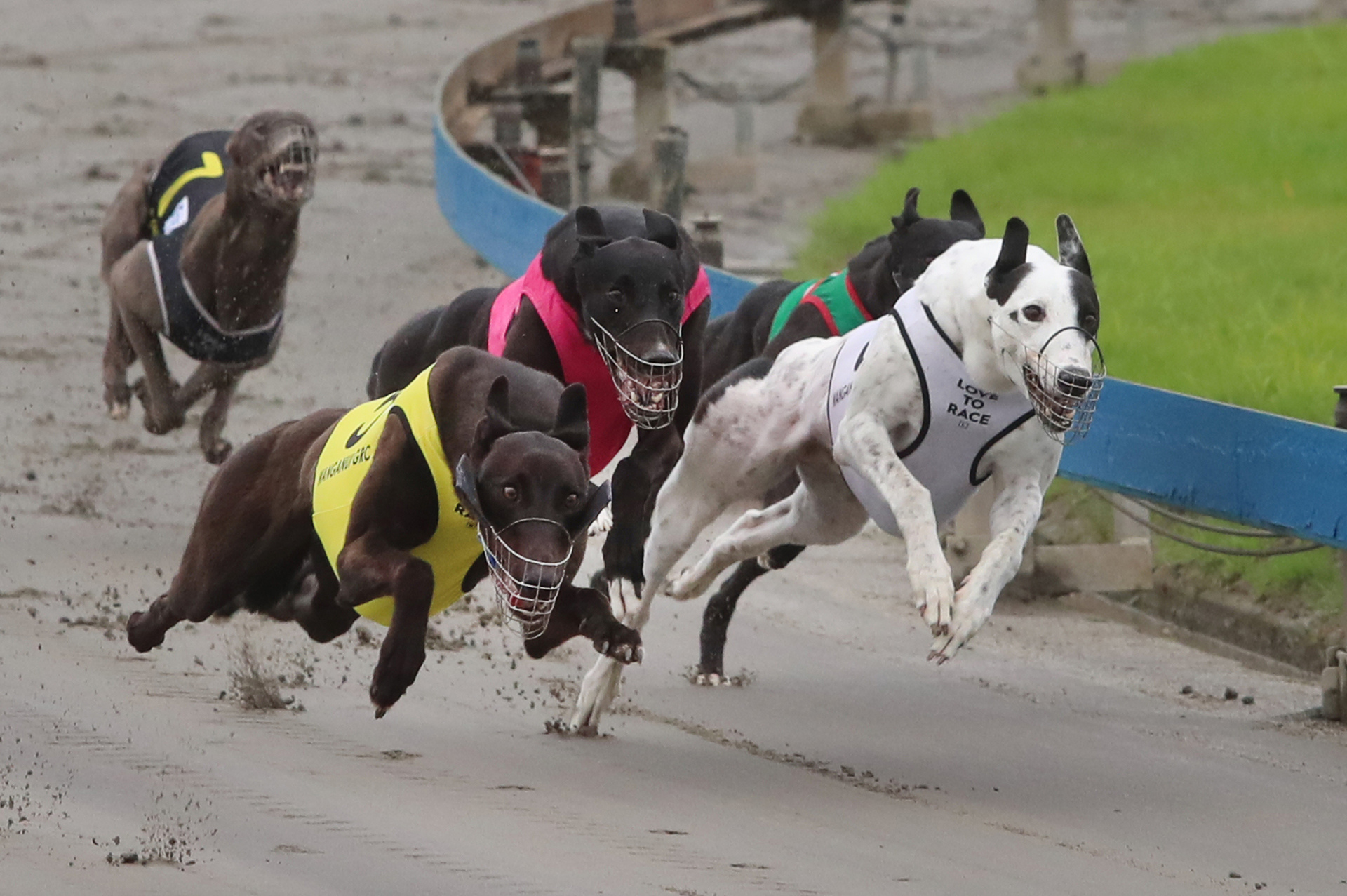
“There is capacity for 70 greyhounds. Greyhound Racing New Zealand will pay for the cost of flying the greyhounds and assist with documentation and vet checks with MPI,” the message said.
Trainers were asked to consider putting “breeding bitches and stud dogs” on the plane so they can “continue their breeding careers and realise their potential”.
GRNZ’s CEO Edward Rennell told the Herald some members might travel to Australia too and set up racing operations there, while others may relocate greyhounds only.
The Herald understands some of those greyhounds would likely be sold to Australian racing operations.
“At this stage, the viability and feasibility of any charter flight has not yet been determined,” Rennell said.
The development, just over two months before a ban comes into effect on July 31, has been met with criticism from Greyhound Protection League (GPL) spokeswoman Emily Robertson.
“It’s about lining the pockets of the people who have been unwilling to take on board the fact that it’s going to end. Money for participants is being put ahead of the welfare of greyhounds,” she told the Herald.
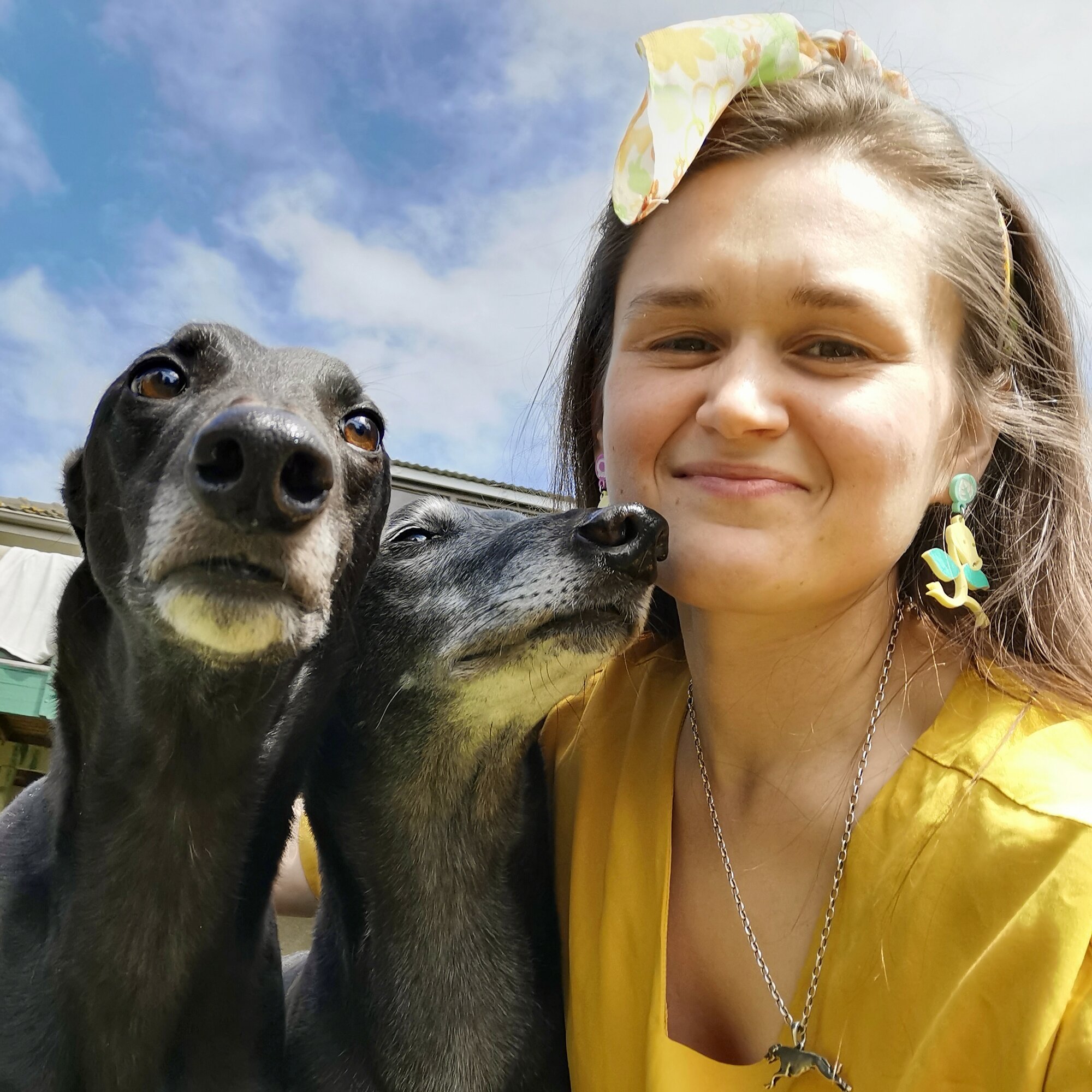
She believed dog welfare was at risk for two reasons – racing increased the chance of injury, and surplus cash when racing finished in New Zealand was supposed to be funnelled into caring for greyhounds until they’re rehomed.
The greyhound industry has been the subject of multiple critical reviews, which raised concerns about dog welfare, injury rates and the transparency of GRNZ as an organisation.
Robertson didn’t think it was a good look the charter flight was being arranged “covertly”.
“It’s the same issues over and over that have got greyhound racing into this mess – doing things behind closed doors,” she said.
Part of the Government’s ban involved the establishment of the Greyhound Transition Agency (GTA), a group set up to oversee rehoming an estimated 2900 racing dogs.
When the ban comes into effect, the GTA would also take control of GRNZ, any surplus cash it holds, and other assets such as offices and racing infrastructure.
Robertson believed GRNZ’s charter flight plan subverted the purpose of phasing out the sport, which was aimed at protecting dog welfare.
“It is completely at odds with the intention and spirit of the legislation,” she said.

Rennell rejected the suggestion that pursuing lawful options to relocate greyhounds was being done in secret or that it represented an animal welfare issue.
“GRNZ is simply gauging interest from participants who may wish to relocate greyhounds or operations to Australia following the closure of racing in New Zealand,” he said.
He said the GTA was told participants may wish to explore relocation options, and criticism of the charter flight for a “small” number of dogs was “difficult to reconcile” given the sport was being banned domestically while betting on Australian dog races was still permitted.
He said like racehorses, any greyhound relocations would involve those dogs moving into an environment supported by regulations and welfare oversight.
Rennell believed relocation would also help reduce the burden on New Zealand’s “already stretched” rehoming services and cut the number of dogs the Government would be ultimately responsible for.
The Herald asked Rennell how much the charter plane would cost and whether spending money on the flight would disadvantage trainers who had already decided to wind down their operations, and who may otherwise benefit from surplus cash following closure.
He referred questions about finances to GTA chairwoman Heather Simpson.
The Herald sought comment from Simpson and received a statement from a GTA spokeswoman who said the transition agency was not informed of the charter flight plan but that it wasn’t illegal.
She said GRNZ remained the governing body of the sport until July 31.
The spokeswoman confirmed surplus cash from GRNZ post-closure would be used to care for dogs until they’re rehomed.
Michael Morrah is a senior investigative reporter/team leader at the Herald. He won the best coverage of a major news event at the 2024 Voyager NZ Media Awards and has twice been named reporter of the year. He has been a broadcast journalist for 20 years and joined the Herald’s video team in July 2024.